Explained: India’s financial capital Mumbai battles measles outbreak, over 500 infected

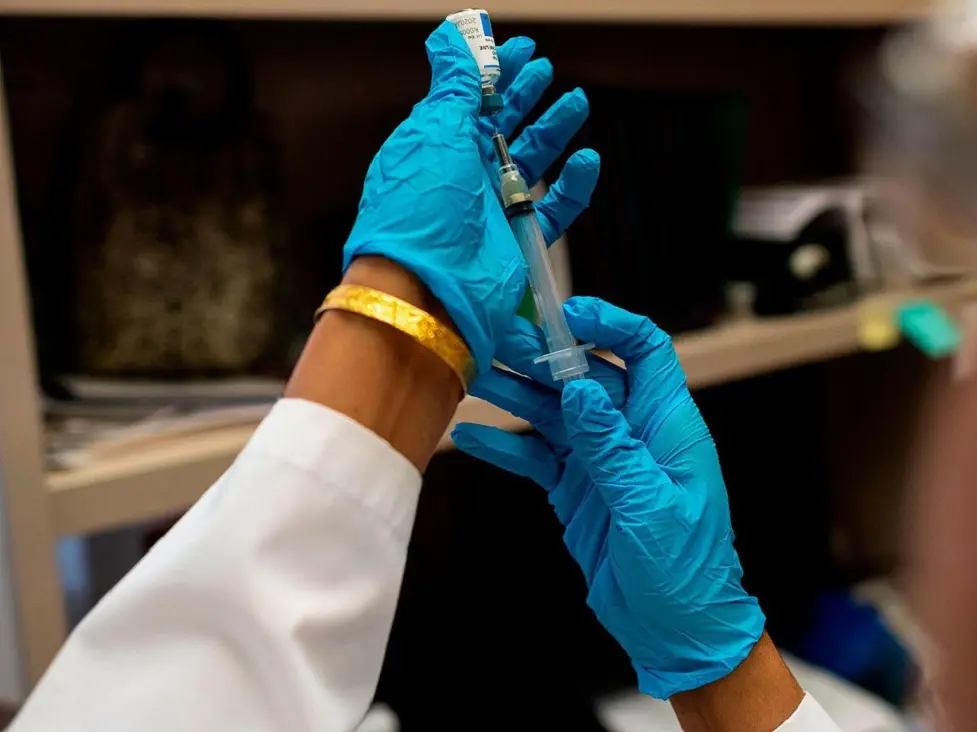
measles vaccine
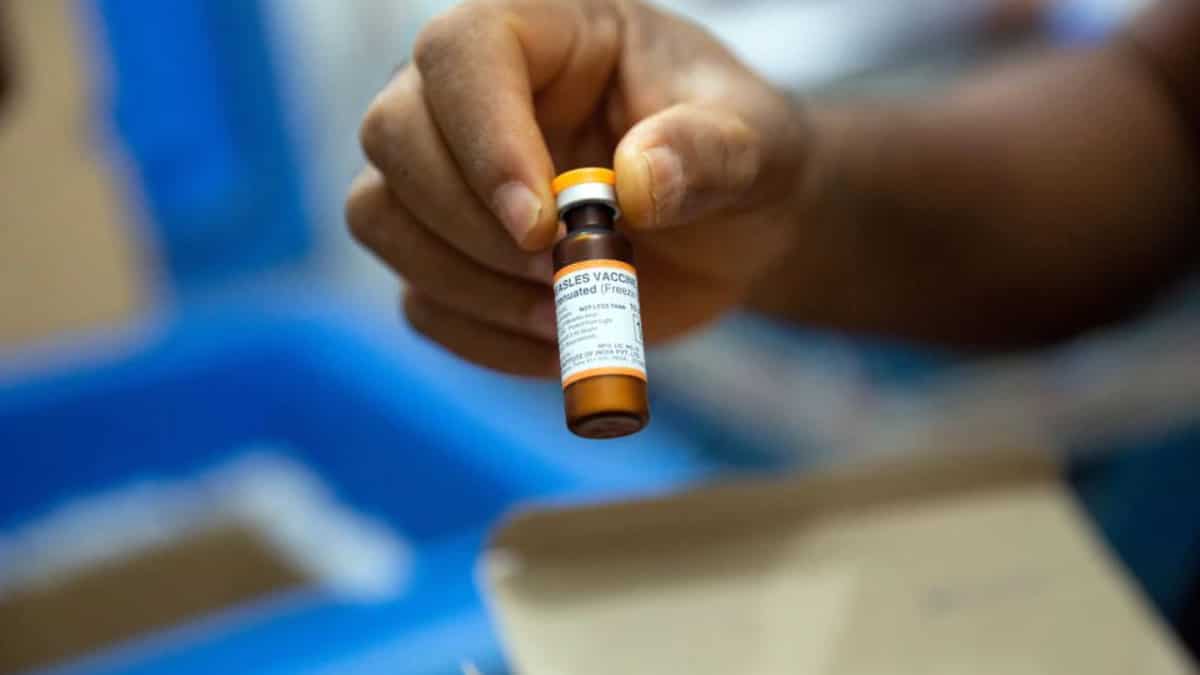
India’s financial capitalMumbai is in the midst of a measles outbreak since October. On Saturday, city officials reported two new cases, taking the total infection tally to 514. Meanwhile, the infection tally in Maharashtra, of which Mumbai is the capital, was 1,162, as of Friday while the death toll was 20, said a report by PTI.
What is Measles?
According to the Centers for Disease Control and Prevention (CDC), measles is an acute viral respiratory illness which is preceded by a high fever, malaise and the three “Cs” which are cough, coryza, and conjunctivitis. It takes at least 14 days for the rash to develop after a person is exposed to the virus and a person is considered to be contagious from four days before and four days after the rash appears.
Furthermore, infants and children aged less than five years are at high risk for severe illness and complications from measles. It is also one of the most contagious of all infectious diseases and transmits by direct contact when a person breathes, coughs, or sneezes after which the virus stays in the air for up to two hours even after the infected person has left the area.

Therefore, isolation of infected children is necessary. Since there is no specific treatment for measles typically over-the-counter medicines and Vitamin A are administered to alleviate symptoms. Furthermore, it is advisable to get plenty of rest, as the body needs time to recover, which typically happens within 10 to 15 days.
However, the condition of an infected child turns severe due to poor nourishment, Vitamin A deficiency and if the child is immunocompromised. While death due to the infection is caused by complications which also stem from the disease and include, blindness, diarrhoea, pneumonia, and so on.
What are some of the reasons for this sudden uptick in cases?
The recent uptick in the number of caseshas predominantly been attributed to a reduction in vaccination rates while other reasons could also include living conditions and maintenance of vaccination records. There is a particular emphasis on vaccination since the disease is almost entirely preventable through it.
&imwidth=180&imheight=135&format=webp&quality=medium)
China's counter-surveillance industry booms amid heightened espionage fears | Gravitas
&im=FitAndFill=(700,400)&imwidth=180&imheight=135&format=webp&quality=medium)
Navratri 2026: 9 days, 9 forms of Goddess Durga and 9 colours- Check the complete list
&imwidth=180&imheight=135&format=webp&quality=medium)
Trump accuses Houthis of driving up oil prices before US midterms, warns of consequences
&imwidth=180&imheight=135&format=webp&quality=medium)
Russian woman and Bihar boy's love story goes viral after she reaches India to marry him
&imwidth=180&imheight=135&format=webp&quality=medium)
US Midterms 2026: In Alaska, cost-of-living anxiety meets strangest ballot in high-stakes Senate race
&imwidth=180&imheight=135&format=webp&quality=medium)
Arijit Singh 9-city India stadium tour to start from January: Check venue and ticket prices
&imwidth=180&imheight=135&format=webp&quality=medium)
F1 set to return to Africa for first time since 1993
&imwidth=180&imheight=135&format=webp&quality=medium)
'Don't ever mess with nature!': Trump’s tiger attack post triggers social media backlash as victim's family issues heartbreaking tribute
&imwidth=180&imheight=135&format=webp&quality=medium)
CMs Vijay-Naidu meet in Vijayawada, discuss water sharing, river-linking
&imwidth=180&imheight=135&format=webp&quality=medium)
Air India Flight from Frankfurt diverted to Jaipur after hijack alert, probe on
&imwidth=180&imheight=135&format=webp&quality=medium)
1,500 drones illuminate Mumbai sky as Cordelia Cruises unveils second ship, Cordelia Sky
&imwidth=180&imheight=135&format=webp&quality=medium)
Delhi Police arrest Cockroach Janta Party's Saurav Das, Ashutosh Ranka, Ajinkya Shinde in Jantar Mantar case, to be produced before court
&imwidth=180&imheight=135&format=webp&quality=medium)
Pakistan to chair UN-backed global Borrowers’ Platform as its own debt burden mounts, triggers sarcastic reactions on social media
&imwidth=180&imheight=135&format=webp&quality=medium)
Nobel Peace Prize winner Navi Pillay calls on US to 'get back to' being defender of human rights
&imwidth=180&imheight=135&format=webp&quality=medium)
France accuses Musk of ‘online harassment’ of European leaders, warns of poll interference
&imwidth=180&imheight=135&format=webp&quality=medium)
'Turn approver, resign, we'll forgive you': Rahul Gandhi claims receiving messages from CEC Gyanesh Kumar
&imwidth=180&imheight=135&format=webp&quality=medium)
MI5 chief warns Russia is UK’s ‘aggressor number one’ as Iran and AI threats grow
&imwidth=180&imheight=135&format=webp&quality=medium)
At least 80 newborns die at Madhya Pradesh Hospital over six months, BJP MLA demands probe
&imwidth=180&imheight=135&format=webp&quality=medium)
Trump reconsidering calling off Nidal Hasan's execution livestream. Here's why
&imwidth=180&imheight=135&format=webp&quality=medium)
‘My president, I mean my husband’: Trump's new press secretary Katie Zacharia's first briefing goes off the rails in 14 minutes
&imwidth=180&imheight=135&format=webp&quality=medium)
‘How many people did she illegally bring from Somalia?’ Trump targets Ilhan Omar, questions her net worth
&imwidth=180&imheight=135&format=webp&quality=medium)
Marco Rubio to visit India next week, focus on energy cooperation and strategic ties
&imwidth=180&imheight=135&format=webp&quality=medium)
US politicians mistakenly use Indian, Russian warship images for Navy's birthday posts
&imwidth=180&imheight=135&format=webp&quality=medium)
'Ouch!!! That must hurt': Kangana Ranaut hails Kamal Haasan's sharp reply to Elon Musk over Starlink row
&imwidth=180&imheight=135&format=webp&quality=medium)
Girl 'dead' for 8 hours wakes up at her own funeral, dad insists she wasn't breathing
&imwidth=180&imheight=135&format=webp&quality=medium)
Sidhu Moose Wala’s younger brother wins hearts by recreating late singer’s signature move at Toronto Hologram Show
&imwidth=180&imheight=135&format=webp&quality=medium)
UK school ditches technology, shifts from screen to pen and paper for learning
&imwidth=180&imheight=135&format=webp&quality=medium)
Durga Puja 2026: Kolkata roads get a splash of colours
&im=FitAndFill=(700,400)&imwidth=180&imheight=135&format=webp&quality=medium)
New OTT releases this week (October 12-18, 2026): Sacrifice, Koffee with Karan S9, Roadies Rebirth- 6 titles coming on Netflix, JioHotstar and more
&imwidth=180&imheight=135&format=webp&quality=medium)
Inside Aneet Padda's 24th birthday bash with rumoured boyfriend Ahaan Panday and Alia Bhatt
&imwidth=180&imheight=135&format=webp&quality=medium)
New Cold War: Why is China buying more gold? Explained
&imwidth=180&imheight=135&format=webp&quality=medium)
Netanyahu wants to join Saudi's war on Houthis, but Crown Prince denies: Report
&imwidth=180&imheight=135&format=webp&quality=medium)
Anupam Kher joins Ranbir Kapoor's Ramayana as Jatayu, new poster unveiled
&imwidth=180&imheight=135&format=webp&quality=medium)
Measles kills again: 6 dead in Pennsylvania as America faces its worst outbreak in decades | Gravitas
&imwidth=180&imheight=135&format=webp&quality=medium)
Cornell University suspends fraternity parties over 2024 gang rape allegations
ALSO WATCH |India: 11 new cases, one suspected death as measles outbreak in Mumbai
At least a 95 per cent vaccine coverage rate is required to create herd immunity against the disease which would consequently halt community spread. However, once the vaccination rates fall in a particular area the increased number of unvaccinated children can spread the disease triggering an outbreak. Furthermore, children who do not receive measles immunisation are at the highest risk of getting infected as well as being exposed to complications including death.
Drop in vaccination rates
As of November 24, earlier this year, the city had reported 252 confirmed cases which was a huge jump at the time from 25 cases of measles that the city witnessed in 2019 and only nine cases in 2020. However, the city has seen over 500 cases since the beginning of this year, as of Saturday.
“The start of the outbreak was indicated in October when the city reported 60 cases as against a mere 25 in September this year,” Dr Mangala Gomare, Executive Health Officer, BMC had told WION back in November. She added, “Our survey report suggested that only 41 per cent of the eligible children had taken vaccination.”
To put this number into perspective, only 41 per cent of children eligible for the vaccine had received both doses until October, compared to 90 per cent in 2019-2022, reported the DW citing the state’s public health department data.
ALSO READ |Mumbai scrambles to contain measles outbreak as virus kills 10 children
The report also attributed this plunge in vaccination rates due to the COVID-19 pandemic-induced lockdowns and diversion of resources to Covid vaccination which disrupted routine childhood immunisation programmes. At least 20,000 missed their measles vaccine, as WION reported earlier.
Furthermore, vaccine hesitancy and negligence are also prevalent in informal settlements in Mumbai, “In some of the communities, in particular, they are not coming forward for vaccination, they are not bringing their children for vaccination,” said Gomare, while several media reports citing local health workers echoed a similar sentiment. One of the reasons reportedly includes parents being worried about their children falling sick due to the vaccine.
The World Health Health Organization (WHO) recommends two doses of measles vaccine either as a single vaccine or a measles-rubella (MR) or measles-mumps-rubella (MMR) combination. In India, the measles vaccine is administered under the national childhood immunisation programme with the first dose at 9-12 months of age and the second dose at 16-24 months of age.
ALSO READ |Cases of measles have increased by 80%, and other diseases may follow: UN
Living conditions
As mentioned earlier, since there is no particular treatment for measles infection, vaccines and isolation seem to be the best way to contain an outbreak and getinfected. However, affected communities in the Indian financial capital have blamed the unsanitary living conditions and lack of clean drinking water regularly causing them to become sick, said a report by DW citing a Govandi resident.
Earlier this year, the areawas one of seven hotspots in the citywhich included, Dharavi, Govandi, Kurla, Mahim, Bandra, and Matunga, reporting the maximum number of cases in the cities.
The issue of vaccination records
Another issue outlined amid the ongoing outbreak is the maintenance of vaccination records under the country’s immunisation programme is tracing back the children after inoculation due to the absence of digital records, said a report by the Indian Express citing people with the knowledge on the matter.
ALSO READ |700 children dead in Zimbabwe due to measles outbreak, anti-vaxxers remain a roadblock
If a child in Mumbai gets vaccinated in the public sector they are given a “mother and child card” which tracks all their vaccinations along with the date of inoculation. However, many people either lose the card or forget to bring it to their follow-up appointment, said the report. While none of these records is maintained on a centralised server.
Gomare also noted how the city has a high number of migrant workers most of whom had left the city during the pandemic lockdowns which led to their children missing the routine immunisations.
“A digital health record for each individual is a must. It’s high time that we invest in newer technologies and build health records,” said a letter by Rais Shaikh, theMLA for the city's Bhiwandi area, to the BMC commissioner and National Health Mission, reported the Indian Express.
ALSO WATCH |UNICEF warns against global measles outbreaks after cases surge across the globe
Additionally, the official also demanded that these individual health cards be linked with Aadhar cards or birth certificates in physical as well as digital forms. However, one of the problems with digitisation remains the lack of internet connectivity in the slums in Mumbai which causes the existing Reproductive and Child Health (RCH), which was launched a few years ago to mitigate the problem, portal to crash when healthcare workers try to enter the data, said the mediareport, citing local healthcare workers.
(With inputs from agencies)
WATCH WION LIVE HERE
You can now write for wionews.com and be a part of the community. Share your stories and opinions with us here.