

&imwidth=800&imheight=600&format=webp&quality=medium "Delhi shuts doors on older cars: Is your vehicle banned in Delhi? New BS VI rule EXPLAINED")
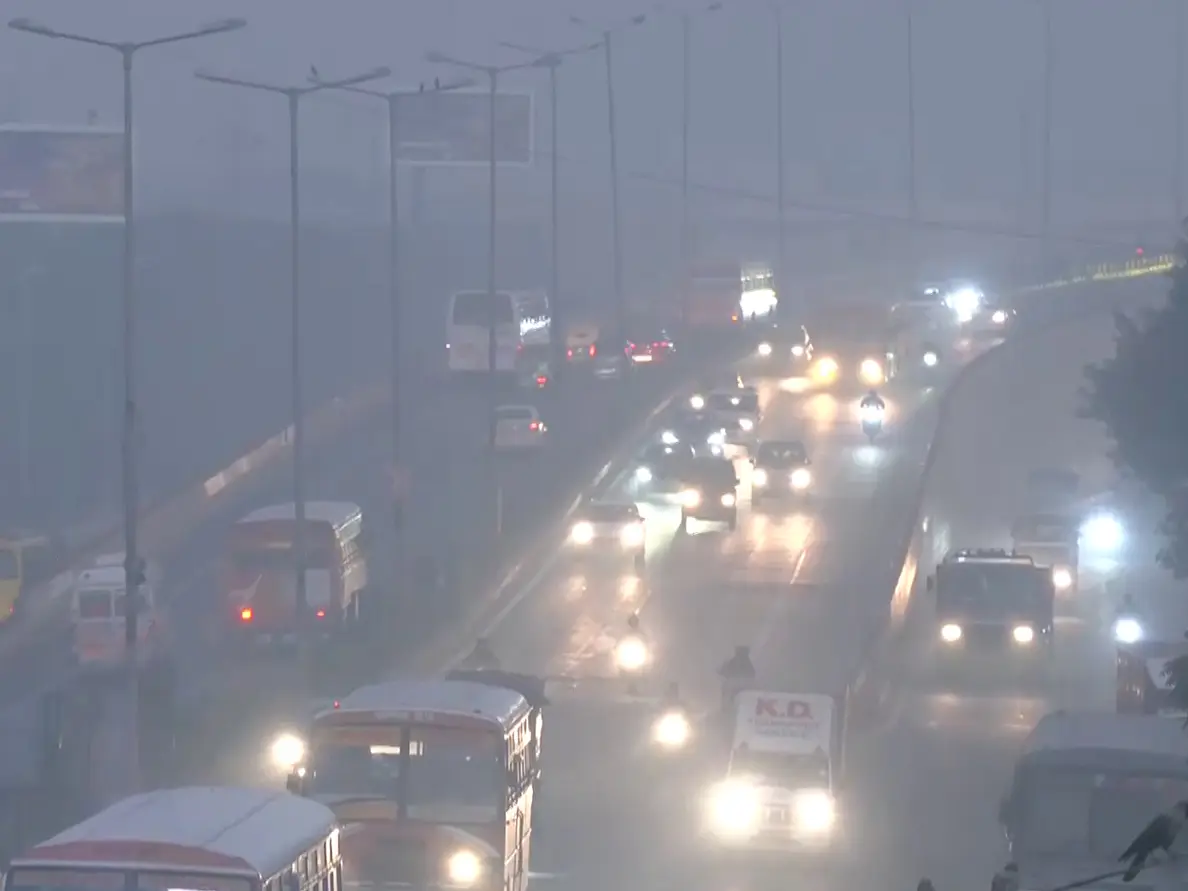
Delhi government on Tuesday (Dec 16) announced that all private vehicles below a certain emission standard would be banned from entering the Indian national capital. The sudden ban is set to upend the lives and commutes of people across NCR. Will your commute be affected? What emission standard must your vehicle follow to gain entry into Delhi? Here's all you need to know.
Which vehicles are no longer allowed in Delhi?
The Delhi government has announced that non-BS VI vehicles are no longer allowed in Delhi. Delhi Environment Minister Manjinder Singh Sirsa said that the strict measures have been put in place to curb vehicular pollution in the national capital. This means that BS IV vehicles, which till a few years ago were considered the gold standard, will no longer be allowed in Delhi.
At a press conference, Sirsa revealed that "To control tailpipe emissions from vehicles, all petrol/diesel/CNG pump dealers have been instructed to provide fuel only upon presentation of a valid PUCC."
He said, "For the protection of Delhi's air, all vehicles registered outside Delhi and of a category lower than BS-VI will not be allowed to enter Delhi when GRAP-III and GRAP-IV are implemented. No polluting vehicle will be allowed to enter Delhi."
Sirsa said that with GRAP-IV in force, vehicles carrying construction vehicles into Delhi will also be barred. For the rest,
Trending Stories
&imwidth=180&imheight=135&format=webp&quality=medium)
Viral video shows cross falling on Colombia priest, no official confirmation | WATCH
&imwidth=180&imheight=135&format=webp&quality=medium)
Rafale Marine fighter begins flight trials in Goa ahead of Indian Navy induction
&imwidth=180&imheight=135&format=webp&quality=medium)
Ranbir Kapoor apologises for Dussehra speech slip, clarifies remark at Ramayana event
&imwidth=180&imheight=135&format=webp&quality=medium)
Meta slapped with $25 billion fine in New Mexico over Facebook data practices, company plans appeal
&imwidth=180&imheight=135&format=webp&quality=medium)
WATCH: Woman IPS officer fires several rounds of AK-47, ignites debate online
&imwidth=180&imheight=135&format=webp&quality=medium)
EU probes Booking.com under Digital Services Act
&imwidth=180&imheight=135&format=webp&quality=medium)
Pakistan signs another defence pact even as Makkah Alliance shows no teeth. This time, it's with Qatar, Indonesia, Turkey
&imwidth=180&imheight=135&format=webp&quality=medium)
Ilhan Omar breaks silence over alleged marriage to her brother; Trump thinks it's 'really good answer'
&imwidth=180&imheight=135&format=webp&quality=medium)
US-Iran war: Bibi, Trump gamble on new Iran war to save themselves in polls
&imwidth=180&imheight=135&format=webp&quality=medium)
From Agni-V to Project Kusha: How are India’s indigenous missile systems and defence shield reshaping modern warfare
&imwidth=180&imheight=135&format=webp&quality=medium)
Will Rohit and Kohli play ODI World Cup 2027? BCCI president Manhas says board 'not in a position to comment'
&imwidth=180&imheight=135&format=webp&quality=medium)
Why websites around the world are suddenly going offline? What you need to know about PHP
&imwidth=180&imheight=135&format=webp&quality=medium)
US midterms 2026: What polls and prediction markets indicate about Congress
&imwidth=180&imheight=135&format=webp&quality=medium)
'You are a dummy, you are a stupid person': Trump loses temper with CNN, ABC reporters after questions about Russia sanctions
&imwidth=180&imheight=135&format=webp&quality=medium)
China's dancing robot turns violent bodyguard, lifts cars and fights intruders - Watch
&imwidth=180&imheight=135&format=webp&quality=medium)
16-foot doomsday fish in Chile triggers fears that the next earthquake is coming
&imwidth=180&imheight=135&format=webp&quality=medium)
US to get 850 F-35 stealth fighter jets under 10-year Pentagon-Lockheed deal
&imwidth=180&imheight=135&format=webp&quality=medium)
Are the US and Israel preparing for another major attack on Iran? Here's what report claims
&imwidth=180&imheight=135&format=webp&quality=medium)
Priyanka Chopra celebrates Dussehra 2026 with Nick Jonas and daughter Malti Marie | See pics
&im=FitAndFill=(700,400)&imwidth=180&imheight=135&format=webp&quality=medium)
New OTT releases this week (October 19-25, 2026): Gajab Raat to Chaar Yaar-8 titles to watch during Dussehra week on Netflix, Prime Video and more
&imwidth=180&imheight=135&format=webp&quality=medium)
‘I caution the president...’: Trump’s ex-press secretary warns after Zacharia’s exit
&imwidth=180&imheight=135&format=webp&quality=medium)
'Father of all bombs' vs 'mother of all bombs': Iran threatens US with new weapon as Trump hints at MOAB strike
&imwidth=180&imheight=135&format=webp&quality=medium)
Diljit Dosanjh's Oct 30 Delhi show hits roadblock, Delhi Police denies permission
&imwidth=180&imheight=135&format=webp&quality=medium)
Australia police arrest former national 100m champ Jake Doran for alleged child abuse
&imwidth=180&imheight=135&format=webp&quality=medium)
'Gyanu must go': CJP's Saurav Das, Ashutosh Ranka after release, despite Jantar Mantar protest undertaking
&imwidth=180&imheight=135&format=webp&quality=medium)
Kolkata airport: CISF detects ₹1.13 crore in US dollars hidden in bags of 2 Bangkok-bound passengers
&imwidth=180&imheight=135&format=webp&quality=medium)
Feds obtain DNA evidence that could prove Ilhan Omar married her brother: Report
&imwidth=180&imheight=135&format=webp&quality=medium)
US midterms 2026: Trump's approval rating hits record low as Democrats gain ground
How to find out if your car is BS VI or not?
BS-VI or Bharat Stage 6 emission standard was mandated for all new vehicle sales and registrations starting April 1, 2020. This means that if your car's manufacture date is April 2020 or later, it should adhere to the BS-VI emission standard.
To verify your vehicle's BS-VI status, check the Registration Certificate (RC).
Here's how you can make your commute smoother
Follow the above-mentioned steps to verify your vehicle's BS-VI emission status. Vehicle owners must also carry a valid Pollution Under Control Certificate (PUCC). According to an official Delhi government release, without it, you may be denied fuel supply at petrol pumps in Delhi.
How many people/vehicles will be affected by this ban?
Reports suggest that across NCR, over 10 Lakh vehicles are set to be affected by this ban. In Gurgaon, there are more than 200,000 (2 lakh) BS IV vehicles. In Noida, this number doubles to 400,000 (4 lakh), and in Ghaziabad, it jumps to 550,000 (5.5 lakh). In addition, the city has over 47,000 commercial BS-IV diesel vehicles and over 2,000 BS-III pwtrol vehicles, as well as approximately 2,200 BS-III and IV buses. Furthermore, approximately 92,000 diesel vehicles in Gurgaon have already exceeded the 10-year age limit.

