

&imwidth=800&imheight=600&format=webp&quality=medium "Delhi High Court grants approval for Sonam Wangchuk to be moved to Medanta Hospital")
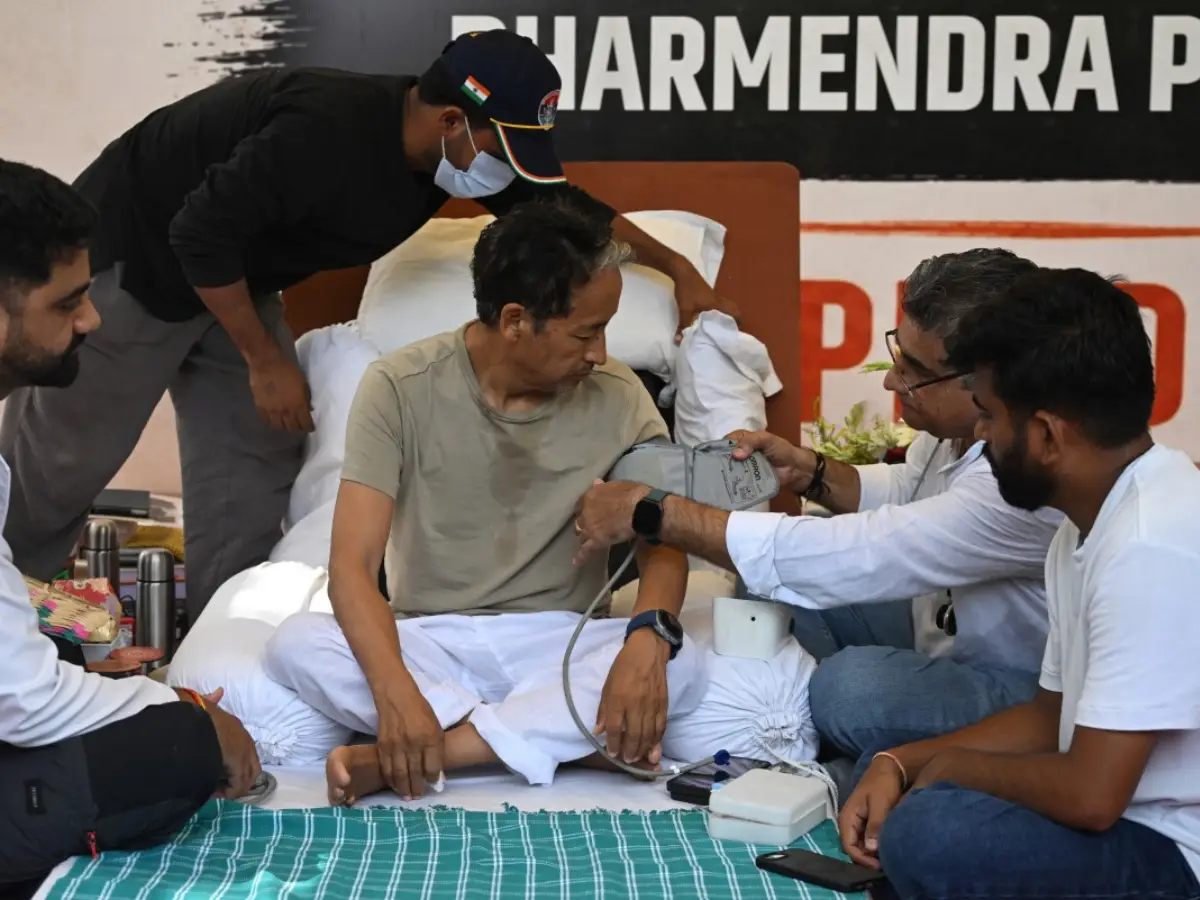
The Delhi High Court on Tuesday (July 21, 2026) allowed activist Sonam Wangchuk to be shifted to a hospital of his choice. He is currently on hunger strike in solidarity with the Cockroach Janata Party (CJP) student protest.
A Bench of Chief Justice Devendra Kumar Upadhyaya and Justice Tejas Karia said, "What we propose to do is get him shifted to the hospital of his choice, that is Medanta. He will be treated by the Medanta doctor. All the treatment details at Safdarjung Hospital will be supplied to Medanta immediately and he will be treated there. A panel of doctors to be formed by the director Medanta."
Appearing for the Centre and Delhi Police in addition to Additional Solicitor General Chetan Sharma, Solicitor General Tushar Mehta informed the Court that the government had no objection to the decision of shifting Wangchuk to Medanta. "I had interactions with the government also. Medanta is a reputed hospital. The government has no objection if Wangchuk is shifted there, but he may not get discharged against medical advice," Mehta submitted.
All details to be shared with Medanta Hospital
In response, the Court indicated that Wangchuk would be transferred to Medanta and that all medical data, along with treatment details, from Safdarjung Hospital would be shared with the private hospital. "We propose to get him shifted to Medanta. He will be treated there. All treatment details and reports prepared at Safdarjung will be supplied to Medanta. We will pass orders after lunch," the Bench said.
Trending Stories
&imwidth=180&imheight=135&format=webp&quality=medium)
Brendan Taylor overtakes Andy Flower to become Zimbabwe’s leading ODI run-scorer
&imwidth=180&imheight=135&format=webp&quality=medium)
Pakistan to head IMF, World Bank boards after 74 years amid persistent economic crisis
&imwidth=180&imheight=135&format=webp&quality=medium)
"The scariest thing was"... flydubai Captain Smit Machchhar recalls cockpit fight and how he thought of his son and daughter
&imwidth=180&imheight=135&format=webp&quality=medium)
'We are not sitting in ivory towers, we are aware': SC issues notice to Rahul Gandhi, Akhilesh Yadav
&imwidth=180&imheight=135&format=webp&quality=medium)
6-year-old among 2 killed as vehicle crashes into youth soccer game in US
&imwidth=180&imheight=135&format=webp&quality=medium)
‘I have very severe problems’: Trump fuels health speculation during address to firefighters
&imwidth=180&imheight=135&format=webp&quality=medium)
Lizard people? Ex-US Army sniper claims soldier killed by 'reptilian beings' in battle near Area 51
&imwidth=180&imheight=135&format=webp&quality=medium)
Ankita Bhandari murder case: Parents meet CBI, seek impartial investigation
&imwidth=180&imheight=135&format=webp&quality=medium)
Bangladesh resort fire kills 10 tourists, including a 5-year-old child
&imwidth=180&imheight=135&format=webp&quality=medium)
At least 19 killed in stampede-like situation after part of Kolkata Durga Puja pandal collapses
&imwidth=180&imheight=135&format=webp&quality=medium)
Rajinikanth remembers late composer Deva, recalls his kindness and musical legacy
&imwidth=180&imheight=135&format=webp&quality=medium)
Rain washes out 5th T20I as India-West Indies share honours 2-2
&imwidth=180&imheight=135&format=webp&quality=medium)
'Reason UN has lost credibility': Amid SIR protests India hits out at report alleging 'youth repression'
&imwidth=180&imheight=135&format=webp&quality=medium)
Pope Leo XIV discharged from hospital in Rome after cancer surgery
&imwidth=180&imheight=135&format=webp&quality=medium)
‘My president, I mean my husband’: Trump's new press secretary Katie Zacharia's first briefing goes off the rails in 14 minutes
&imwidth=180&imheight=135&format=webp&quality=medium)
China responds to Trump's Press Secretary Katie Zacharia after toilet remark: 'Visit China more often'
&imwidth=180&imheight=135&format=webp&quality=medium)
UAE agrees with Saudi Arabia to rejoin Yemen fight as Houthi strikes rattle Riyadh
&imwidth=180&imheight=135&format=webp&quality=medium)
'Let’s go to France, no riots, no revolutions': Trump mocks France protests, Vance blames it on immigration
&imwidth=180&imheight=135&format=webp&quality=medium)
SA vs AUS 2nd Test: Rain delays start as Rabada returns; Boland replaces Lyon for Australia
&imwidth=180&imheight=135&format=webp&quality=medium)
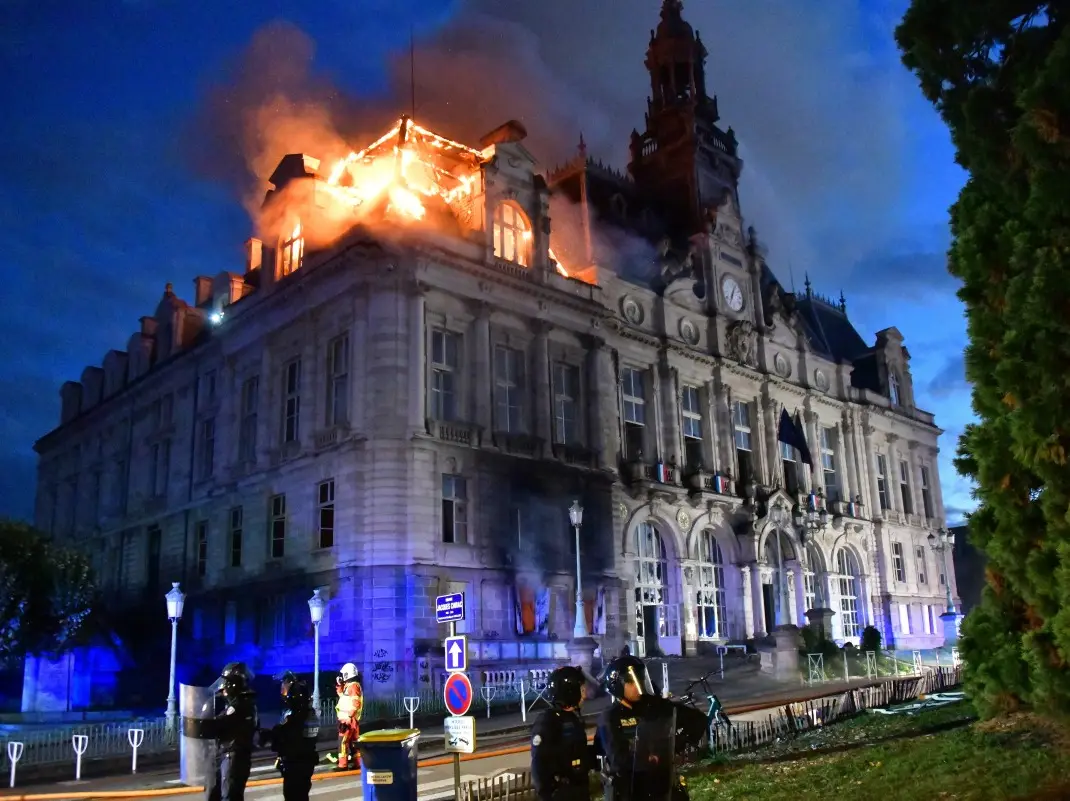
At least 400 arrested as protests turn violent in France; PM blames far left
&imwidth=180&imheight=135&format=webp&quality=medium)
Explosion and fire at military base in Canada's Alberta, casualties feared
&imwidth=180&imheight=135&format=webp&quality=medium)
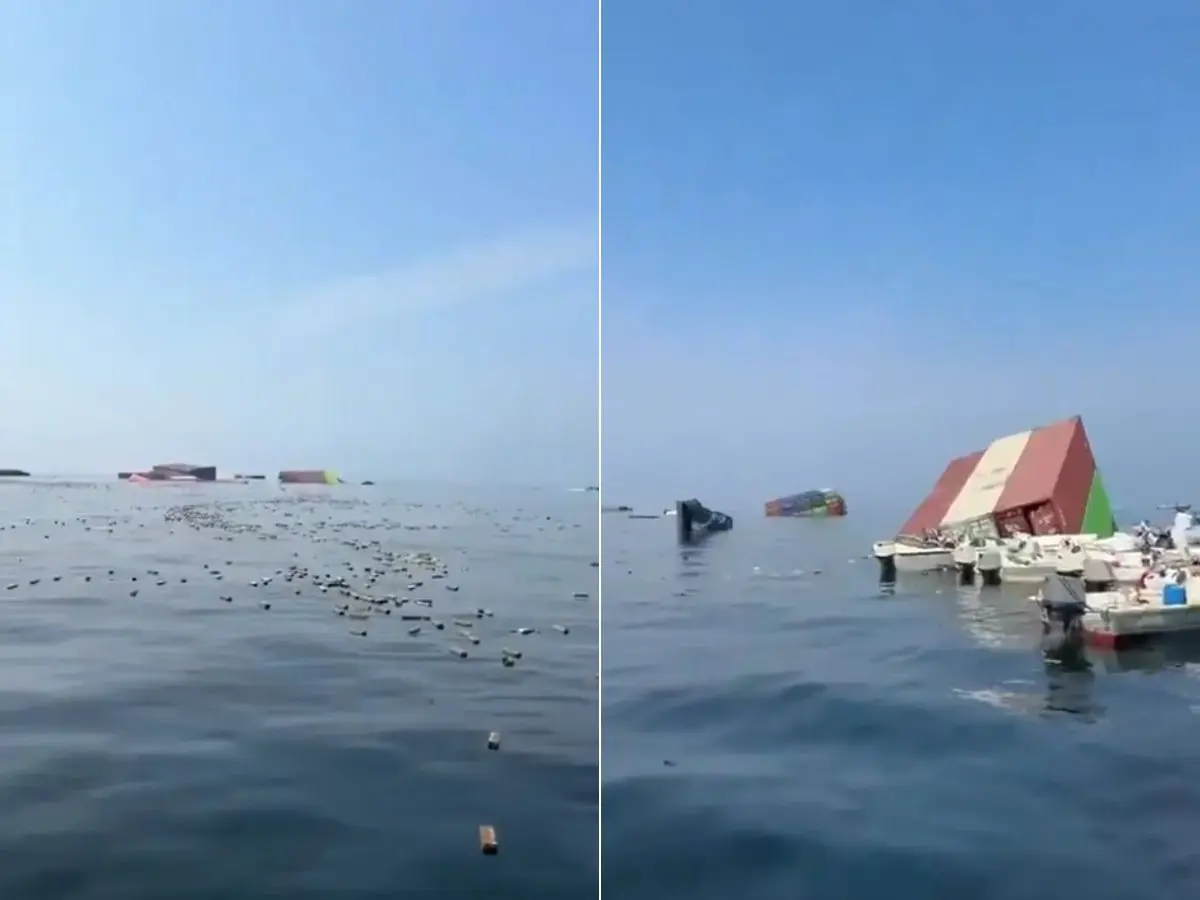
WATCH | iPhones, luxury perfumes floating in Hormuz? Iranian fishermen make bizarre discovery
&imwidth=180&imheight=135&format=webp&quality=medium)
Two students die, 14 injured at Dandiya event in Hyderabad: Know what happened? VIDEO
&imwidth=180&imheight=135&format=webp&quality=medium)
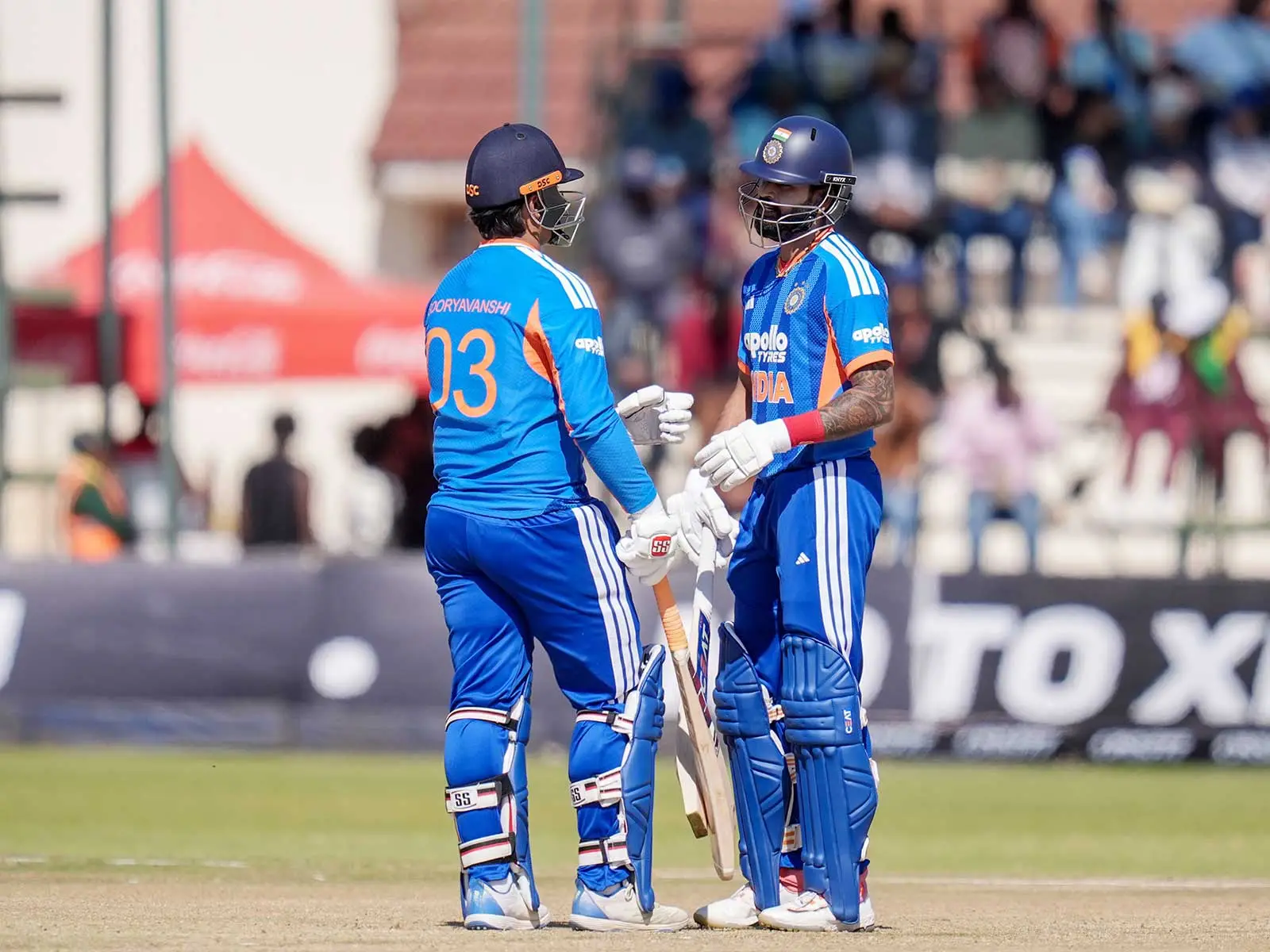
'keep telling him you will get your opportunities': Iyer opens up on conversations with Sooryavanshi
&imwidth=180&imheight=135&format=webp&quality=medium)
WATCH | Zelensky gives cheeky response when asked if Trump is making him a scapegoat ahead of US midterms
&imwidth=180&imheight=135&format=webp&quality=medium)
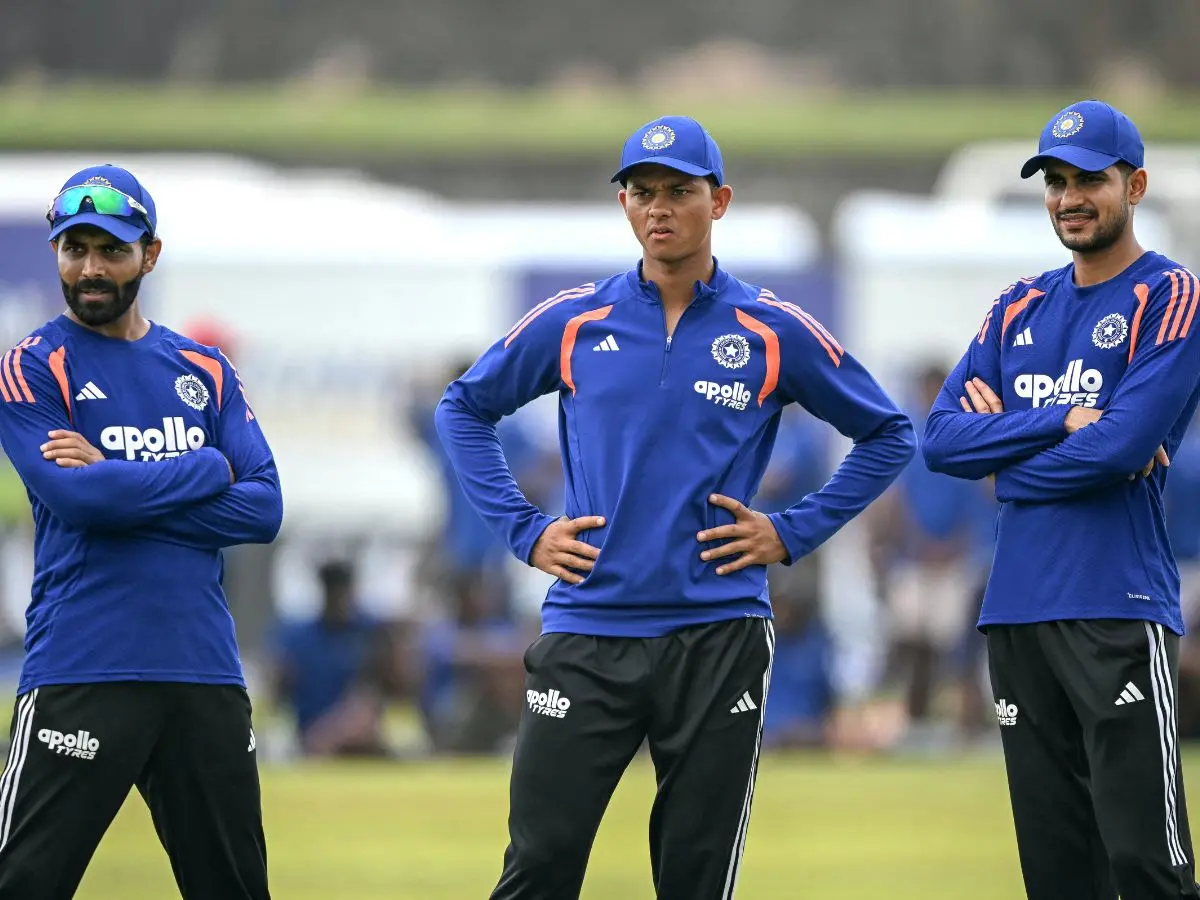
No Ravindra Jadeja, Yashasvi Jaiswal in India’s 2027 ODI World Cup plans: Report
&imwidth=180&imheight=135&format=webp&quality=medium)
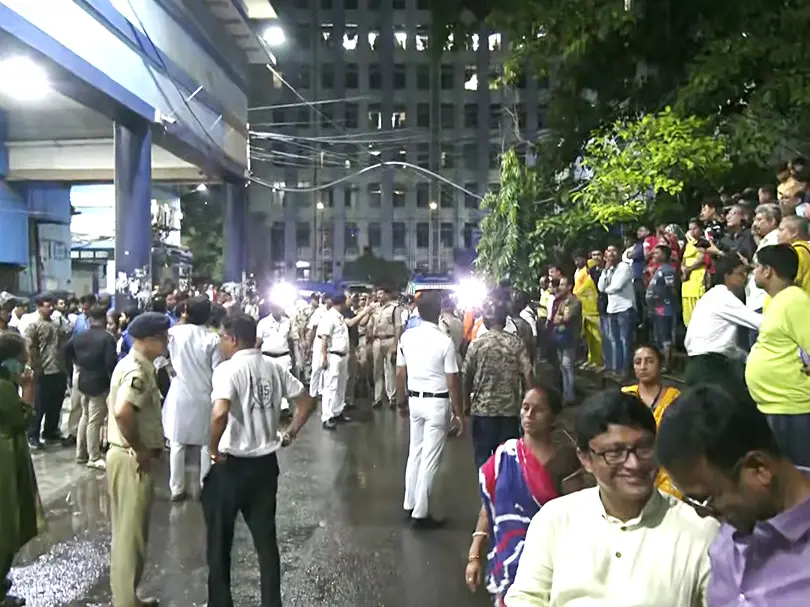
Kolkata Durga Puja stampede: PM Modi announces Rs 2 lakh ex-gratia for kin of dead, Amit Shah to visit injured
&imwidth=180&imheight=135&format=webp&quality=medium)
Taylor Swift performs at star-studded Academy Museum Gala 2026 in stunning Dior ensemble
&imwidth=180&imheight=135&format=webp&quality=medium)
Anirudh Ravichander-Kavya Maran wedding: Telangana CM reveals Chennai reception date
&im=FitAndFill=(700,400)&imwidth=180&imheight=135&format=webp&quality=medium)
Inside Tesla's Roadster: 10 features of Elon Musk's 'flying car' that push the limits of electric vehicles | In Pics
&imwidth=180&imheight=135&format=webp&quality=medium)
Ranbir Kapoor visits North Bombay Durga Puja pandal, offers prayers
&imwidth=180&imheight=135&format=webp&quality=medium)
One species, two lineages: Why Sri Lanka’s spectacled cobra differs genetically from Indian variant
&imwidth=180&imheight=135&format=webp&quality=medium)
Oil tanker carrying over 2M barrels of crude hits mine in Strait of Hormuz, catches fire, says Iran
&imwidth=180&imheight=135&format=webp&quality=medium)
2 injured in plane crash on busy California highway
&imwidth=180&imheight=135&format=webp&quality=medium)
'It's a joy to see the makers bring it on such a grand scale': SS Rajamouli on Ramayana
&imwidth=180&imheight=135&format=webp&quality=medium)
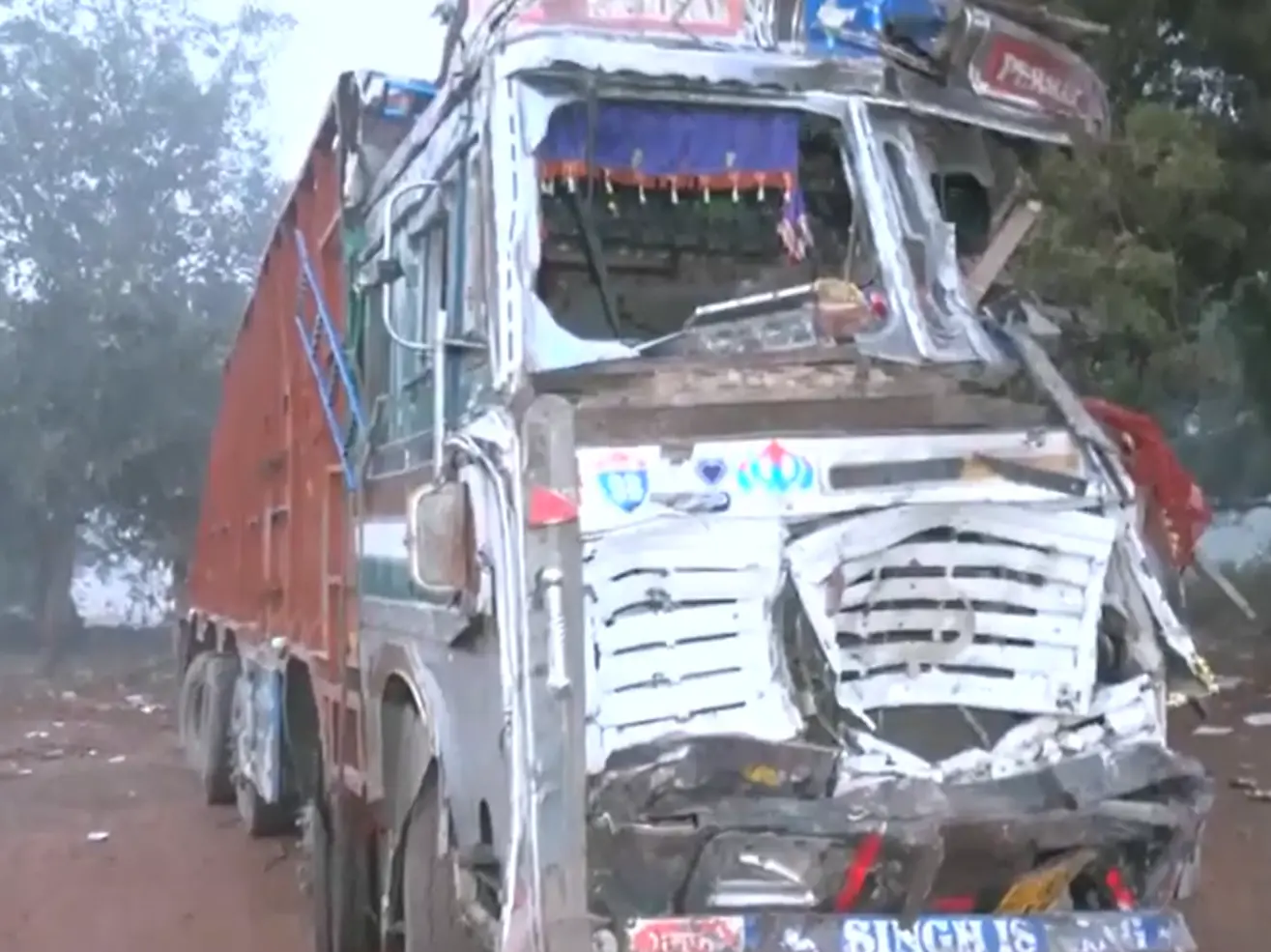
13 dead after truck mows down devotees, crashes into temple gate in Madhya Pradesh's Gwalior
&imwidth=180&imheight=135&format=webp&quality=medium)
IND-W vs ZIM-W, 2nd T20I: When and where to watch live streaming in India?
&imwidth=180&imheight=135&format=webp&quality=medium)
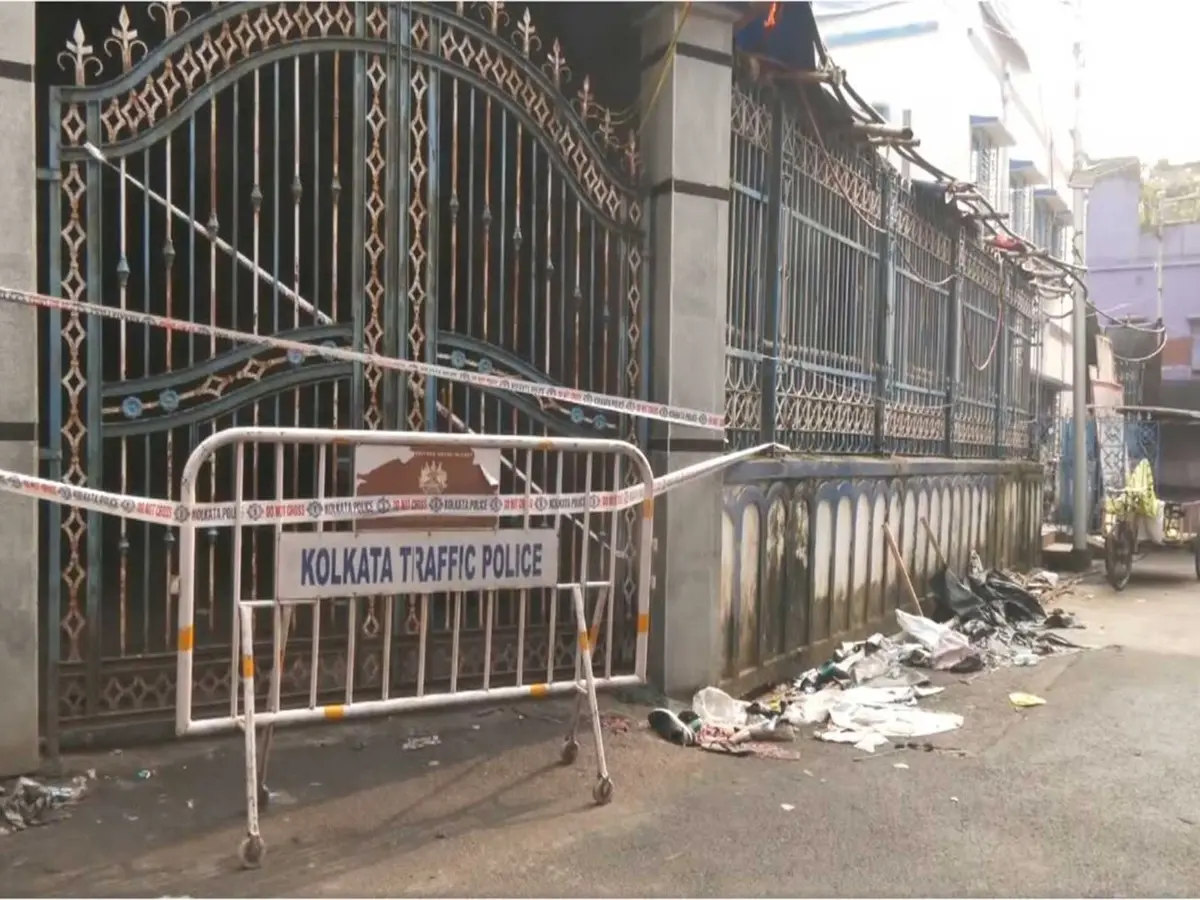
Kolkata puja pandal stampede: 7 arrested, section 163 restrictions imposed in north Kolkata
The Court's proposal followed submissions by Wangchuk's counsel, Senior Advocate Akhil Sibal, who cited reports from doctors who had been treating him over several years, arguing that his life was not in immediate danger. Sibal contended that Wangchuk's condition didn't require hospitalisation or close medical supervision, noting that he had already been under observation while at the protest site. Doctors from AIIMS and Safdarjung Hospital, however, raised concerns about certain health indicators, including high uric acid levels, a reduced white blood cell count, and low haemoglobin.

