Delhi–Dehradun Economic Corridor to cut travel time to 2.5 hours, PM Modi inaugurates Rs 12,000 cr expressway

&imwidth=600&imheight=450&format=webp&quality=medium "Delhi–Dehradun Economic Corridor to cut travel time to 2.5 hours, PM Modi inaugurates Rs 12,000 cr expressway")
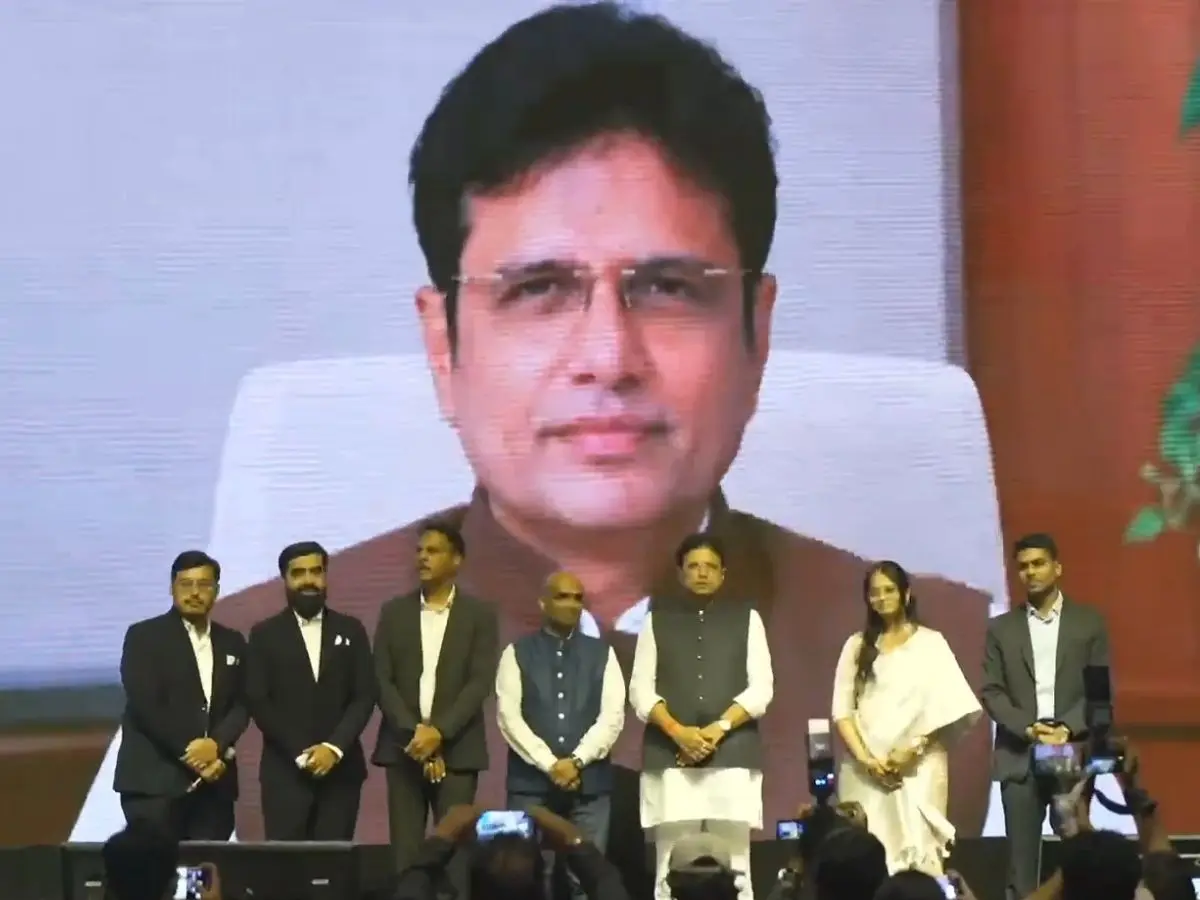
Prime Minister Narendra Modi during the inauguration of the Delhi-Dehradun Economic Corridor, in Dehradun on Tuesday. Photograph: (ANI)
The 213-km corridor connects Delhi, Uttar Pradesh, and Uttarakhand. The corridor also connects to major highways like the Delhi–Mumbai Expressway and the Eastern Peripheral Expressway.
The Delhi-to-Dehradun getaway is now just a 2.5-hour drive. Prime Minister Narendra Modi inaugurated the Delhi–Dehradun Economic Corridor on Tuesday.
The Delhi-Dehradun expressway is built at a cost of nearly Rs 12,000 crore. The new route will cut the travel time between the two cities from over six hours to just 2.5 hours.
PM Modi, in his address in Dehradun, said such economic corridors beyond roads, create new paths for trade and business, laying the foundation for warehouses and factories. The Delhi-Dehradun Economic Corridor shall transform the entire region.
The 213-km corridor connects Delhi, Uttar Pradesh, and Uttarakhand. The corridor also connects to major highways like the Delhi–Mumbai Expressway and the Eastern Peripheral Expressway.
The expressway begins near Akshardham in Delhi and passes through several districts of Uttar Pradesh. These include Baghpat, Baraut, Muzaffarnagar, Shamli, and Saharanpur, and finally reach Dehradun.
Trending Stories
&imwidth=280&imheight=210&format=webp&quality=medium)
&imwidth=280&imheight=210&format=webp&quality=medium)
&imwidth=280&imheight=210&format=webp&quality=medium)
&imwidth=280&imheight=210&format=webp&quality=medium)
&imwidth=280&imheight=210&format=webp&quality=medium)
&imwidth=280&imheight=210&format=webp&quality=medium)
&im=FitAndFill=(700,400)&imwidth=280&imheight=210&format=webp&quality=medium)
&imwidth=280&imheight=210&format=webp&quality=medium)
&imwidth=280&imheight=210&format=webp&quality=medium)
&imwidth=280&imheight=210&format=webp&quality=medium)
&imwidth=280&imheight=210&format=webp&quality=medium)
&imwidth=280&imheight=210&format=webp&quality=medium)
&im=FitAndFill=(700,400)&imwidth=280&imheight=210&format=webp&quality=medium)
&imwidth=280&imheight=210&format=webp&quality=medium)
&imwidth=280&imheight=210&format=webp&quality=medium)
&imwidth=280&imheight=210&format=webp&quality=medium)
&imwidth=280&imheight=210&format=webp&quality=medium)
&imwidth=280&imheight=210&format=webp&quality=medium)
&im=FitAndFill=(700,400)&imwidth=280&imheight=210&format=webp&quality=medium)
&im=FitAndFill=(700,400)&imwidth=280&imheight=210&format=webp&quality=medium)
&imwidth=280&imheight=210&format=webp&quality=medium)
&imwidth=280&imheight=210&format=webp&quality=medium)
&imwidth=280&imheight=210&format=webp&quality=medium)
&imwidth=280&imheight=210&format=webp&quality=medium)
&imwidth=280&imheight=210&format=webp&quality=medium)
&imwidth=280&imheight=210&format=webp&quality=medium)
&im=FitAndFill=(700,400)&imwidth=280&imheight=210&format=webp&quality=medium)
&imwidth=280&imheight=210&format=webp&quality=medium)
&imwidth=280&imheight=210&format=webp&quality=medium)
&imwidth=280&imheight=210&format=webp&quality=medium)
&imwidth=280&imheight=210&format=webp&quality=medium)
&imwidth=280&imheight=210&format=webp&quality=medium)
&imwidth=280&imheight=210&format=webp&quality=medium)
The corridor features a six-lane access-controlled design with a speed limit of 100 kmph. It includes 14 wayside amenities, multiple bridges, interchanges, and rail overbridges.
The Union Minister for Road Transport & Highways, Nitin Gadkari, also said the corridor will empower Uttarakhand’s development by creating new employment opportunities.
“With the construction of this expressway, it will open new doors for economic and social growth in Dehradun, Haridwar, Rishikesh, and the entire state,” he said.
While this project was led by the National Highways Authority of India, the Delhi government’s support on clearances and urban connectivity helped ease entry and exit points, which is expected to cut city congestion.
The expressway includes an 18-km elevated stretch from Akshardham to the Delhi-UP border and is designed to divert thousands of cars away from inner-city roads.
Multiple interchanges, including in East Delhi and near the Eastern Peripheral Expressway junction, are aimed at allowing smooth entry and exit. This shall facilitate quicker access for commuters travelling towards Noida, Ghaziabad, and beyond.
This project isn’t just about speed; it’s also about sustainability. A 12-kilometre elevated wildlife corridor through Rajaji National Park has been built to ensure safe animal movement, even as traffic flows above.
The Delhi–Dehradun Economic Corridor is also equipped with advanced traffic management systems, over 100 underpasses, and multiple rail overbridges to ensure safer and smarter travel.