&imwidth=800&imheight=600&format=webp&quality=medium "CJP protests rage despite Wangchuk ending strike, says Pradhan’s resignation ‘non-negotiable’ | Gravitas")
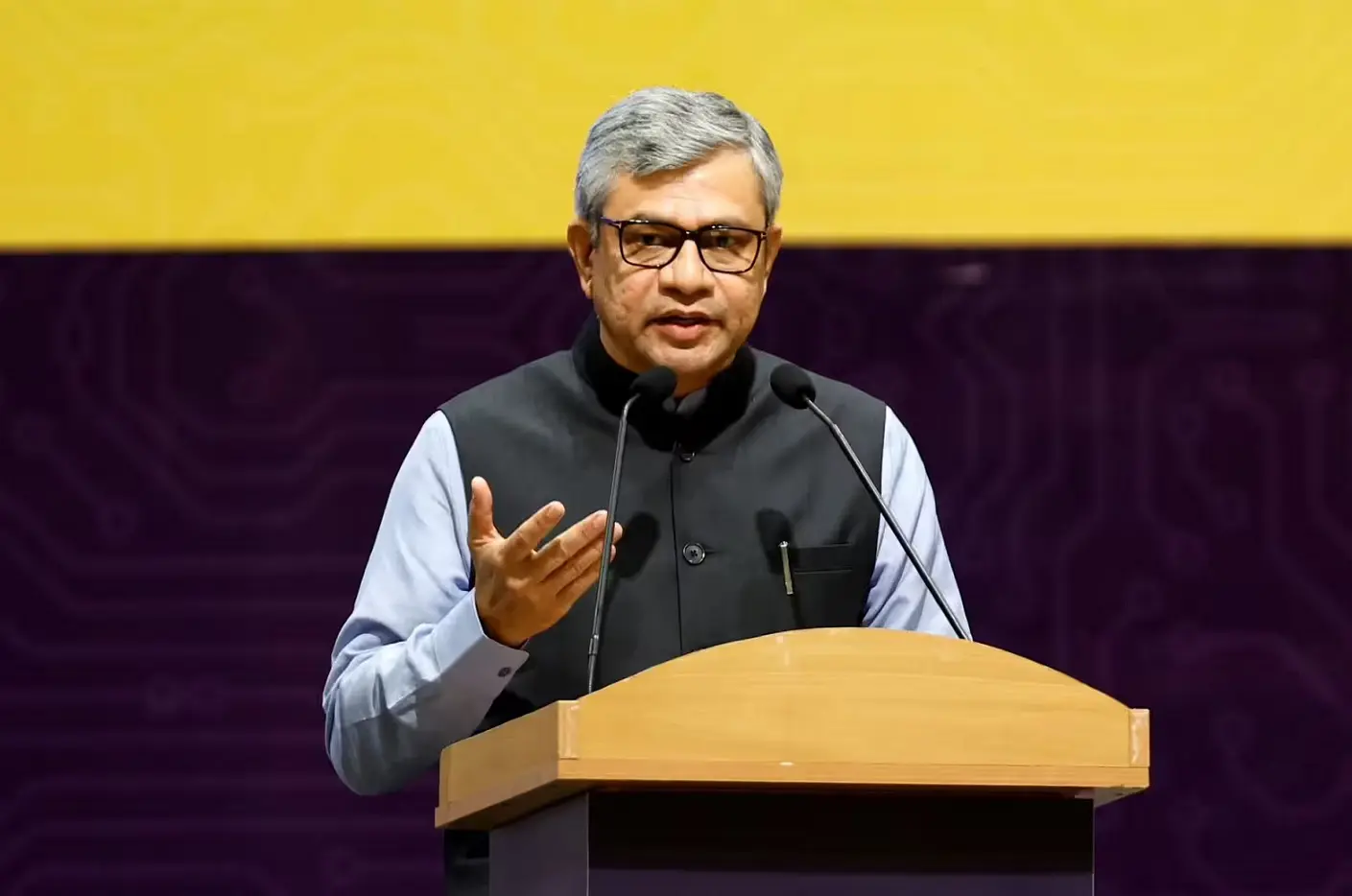
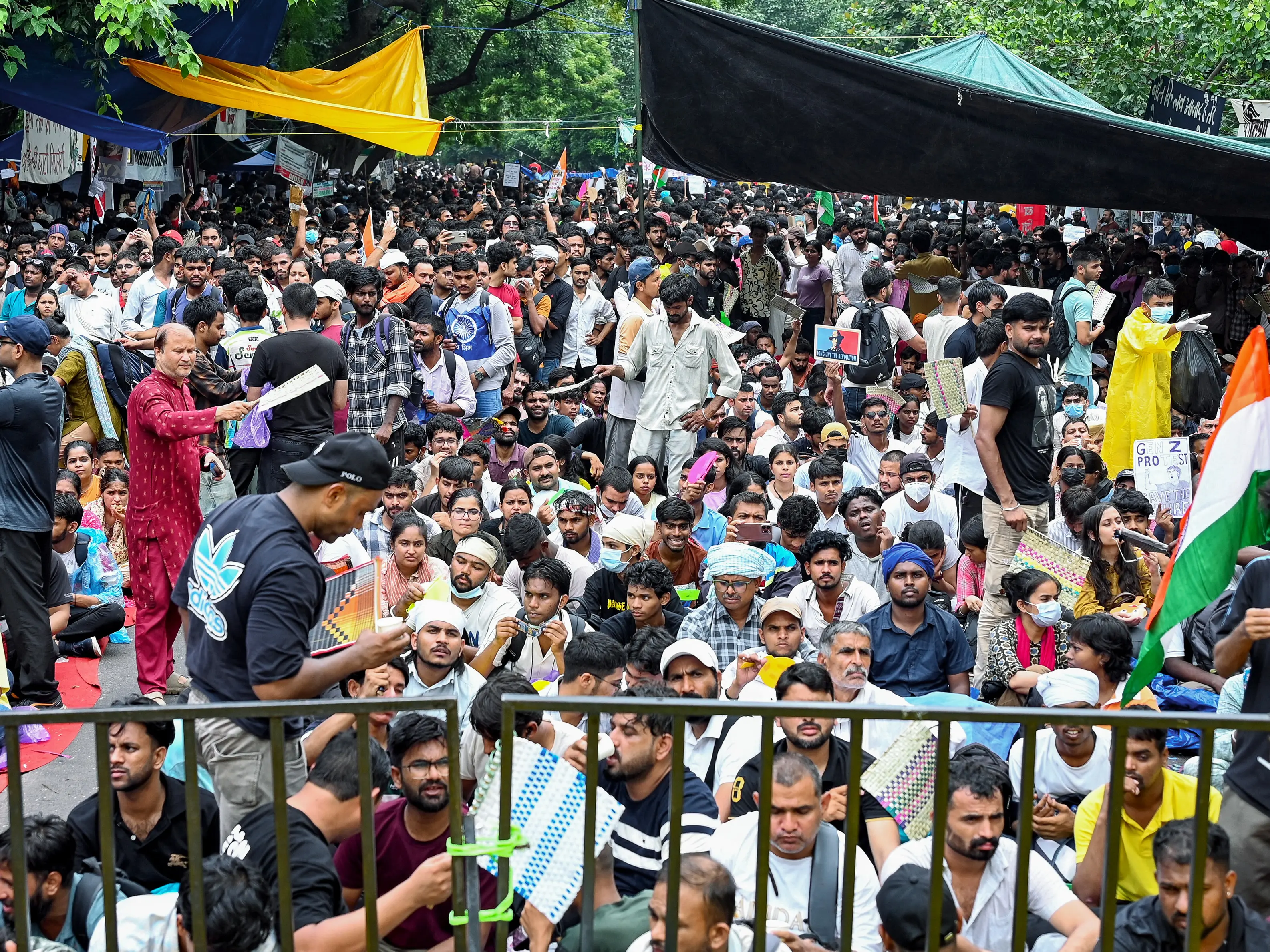
After over a month of protests in India’s national capital, the government’s overtures have intensified. Just a few minutes ago, the national testing agency terminated 47 officials as part of a major crackdown. However, the situation is far from settled, with protesters insisting on Union education minister Dharmendra Pradhan’s resignation.
The day saw hectic developments with PM Modi issuing a video at midnight in which he promised that the cabinet will approve tougher penalties for examination-related malpractices and table a bill regarding this in parliament.
Nearly an hour later, activist Sonam Wangchuk ended his fast in the presence of Union ministers JP Nadda and Jitendra Singh.

This came after the government agreed to consider suitable compensation for suicide victims of the NEET paper leak.
It also gave an assurance on discussing the issue in parliament and not registering cases against peaceful protesters.
Breaking the deadlock further, these union ministers also met representatives of the Cockroach Janta Party at a neutral venue.
Trending Stories
)
‘Partners, not rivals’: Xi outlines four point plan for stronger India-China ties
)
Baba Vanga's first prophecy for 2027 is out, and straight out of science fiction
)
BRICS Summit 2026: Iran's Pezeshkian praises PM Modi at BRICS
)
Modi, Putin, Xi ‘bromance’ goes viral as leaders captured holding hands at BRICS Summit
)
Why dehydration is the hidden cause of travel fatigue on long flights
)
Why does your skin need protection from UV rays?
)
From drones to KAAN fighters: Turkey outlines 229% surge in defence spending amid regional shifts
)
800 million years old - Scientists discover 'fingerprints' of supercontinent Gondwana in ancient rocks
)
BRICS Summit 2026: Modi-Xi meeting to test India-China reset after border tensions
)
BRICS declaration calls for stronger people ties, women-led growth and greater youth cooperation
)
BRICS Summit: All about Xi Jinping's armoured limousine Hongqi that will ferry him in New Delhi
)
Why asking questions could be more important than memorising answers
)
BRICS Summit 2026 full schedule: Day-wise agenda, timings and key issues - All you need to know
)
Israel spent nearly $470,000 on PM's hair, makeup since 2019, data shows
)
Why do wild animals need quiet places to survive?
)
Bigg Boss 20: Uditi Singh reacts to ex Karan Wahi’s possible wildcard entry
)
Could staying indoors all day affect your health?
)
BRICS Summit 2026: 30+ countries seek BRICS membership
)
Trump says Canada eager to reach a deal, it could come ‘fairly soon’ if Ottawa treats US farmers better
)
IND vs AFG, 1st T20I: When and where to watch live streaming in India?
)
‘Differences should not become disputes’: Modi, Xi stress long term India-China ties during bilateral talks
)
Why does your body need time to adjust after a long journey?
)
Top 5 places to visit in Goa beyond its famous beaches
)
Why going digital does not always mean becoming more efficient
)
9/11 attack anniversary: The day that changed America forever
)
BRICS Declaration: China, Russia back India’s UN role, push for greater Global South representation
)
From severe mobility problems to recovery: Madhuri the elephant’s journey of wildlife care
)
Anthropic is giving Claude to schools free, and the reason is not philanthropy
)
From India, Putin warns Europe against sending troops to Ukraine, Zelensky expresses willingness to meet him at G20 Summit
)
9-year-old Chennai prodigy clears Cambridge IGCSE grade 10 exams
)
BRICS Summit: China resumes Guangzhou-New Delhi flight, issues 'good-neighbourliness' remark ahead of Xi-Modi meet
)
Frustrated man demolishes his kitchen after thousands flock to see Mother Mary his wife spotted on the wall
)
BRICS Summit 2026: PM Modi says India and Iran should pursue win-win strategy
)
ENG vs PAK: Joe Root breaks Sachin Tendulkar’s record for most Test fifties
)
Humans may lose control of AI: Anthropic CEO calls for slowdown, Altman, Musk back him
)
How does the loss of forests affect the way wildlife lives and moves?
The meeting ended on a positive note, with both sides agreeing to meet again on Saturday.
CJP even claimed that the government sought more time to deliberate on the demand for Pradhan’s ouster.
While it was learned that the union cabinet approved amendments to the Public Examinations-Prevention of Unfair Means Act passed in 2024, the government remained tightlipped on the details.
Now, what is the existing legal framework to deal with paper leaks?
It is worth noting that the 2024 law was enacted with the precise intention of addressing malpractices in public examinations.
All offences under this law are non-bailable. Additionally, a person convicted of resorting to unfair means in exams can be punished with three to five years in jail which can also be extended up to 10 years for organised crimes.
The person can also be fined up to Rs 10 lakh, which can go up to Rs 1 crore.
As per sources, the cabinet has approved a bill to enhance the quantum of punishment.
Amid this, protests surged across the country.
For instance, thousands of people gathered at Mumbai’s iconic Shivaji Park at a protest organised by Shiv Sena-UBT and expressed their anguish at the current state of education in India.
Now, it is critical to understand that the NEET issue is not the sole trigger for people joining the protests.
Larger concerns about the country’s education system loom large in the minds of youths.
One such protester spoke to our correspondent, Dharamjot Kaur, present on the ground.
JNU PhD student Chetupally Anvesh said, “The education system is crumbling in our country. When we are saying that we are becoming a vishwaguru, so what kind of vishwaguru you want to be by lathicharging your students, by breaking the spine of your own education system.”
However, it seems that some quarters are not able to read the public mood accurately.
Multiple public educational institutions such as the University of Delhi and Jawaharlal Nehru University faced flak on social media for urging their students to refrain from joining the ongoing protests.
The raging protests are also seen as a manifestation of the larger concerns plaguing India’s youth.
We are talking about a country where 65% of the population is under 35.
One of the top concerns remains unemployment.
While the overall unemployment rate was 3.1% in 2025, it was three times higher for the 15-29 age group.
A recent survey by Deloitte also revealed the predicament of Gen Zs.
For instance, 57% Gen Zs delayed major life decisions due to acute financial pressure. 37% Gen Zs were unable to afford a home.
In terms of sheer numbers as well, Gen Zs are poised to play a vital role in the upcoming assembly elections of Punjab and Uttar Pradesh as they constitute over 20% of the population in these states.
Their power cannot be understated.
Gen Zs majorly contributed to actor-turned-politician Vijay’s stupendous victory in the Tamil Nadu assembly polls.
One of the other factors fueling the protests is the alleged use of brute force by the police.
Even veteran BJP leader and former Union HRD minister Murli Manohar Joshi condemned the mishandling of young female protesters.
It is increasingly clear that protesters are not going to be satisfied by piecemeal actions.
The truth is that Gen Zs have become a force to reckon with.
Unless the government makes a meaningful effort to address their broad range of concerns, the situation might escalate further.