CBSE Class 12 Exams 2026: What is the new On-Screen Marking (OSM)? How will it affect students and results?

&imwidth=600&imheight=450&format=webp&quality=medium "CBSE Class 12 Exams 2026: What is the new On-Screen Marking (OSM)? How will it affect students and results?")
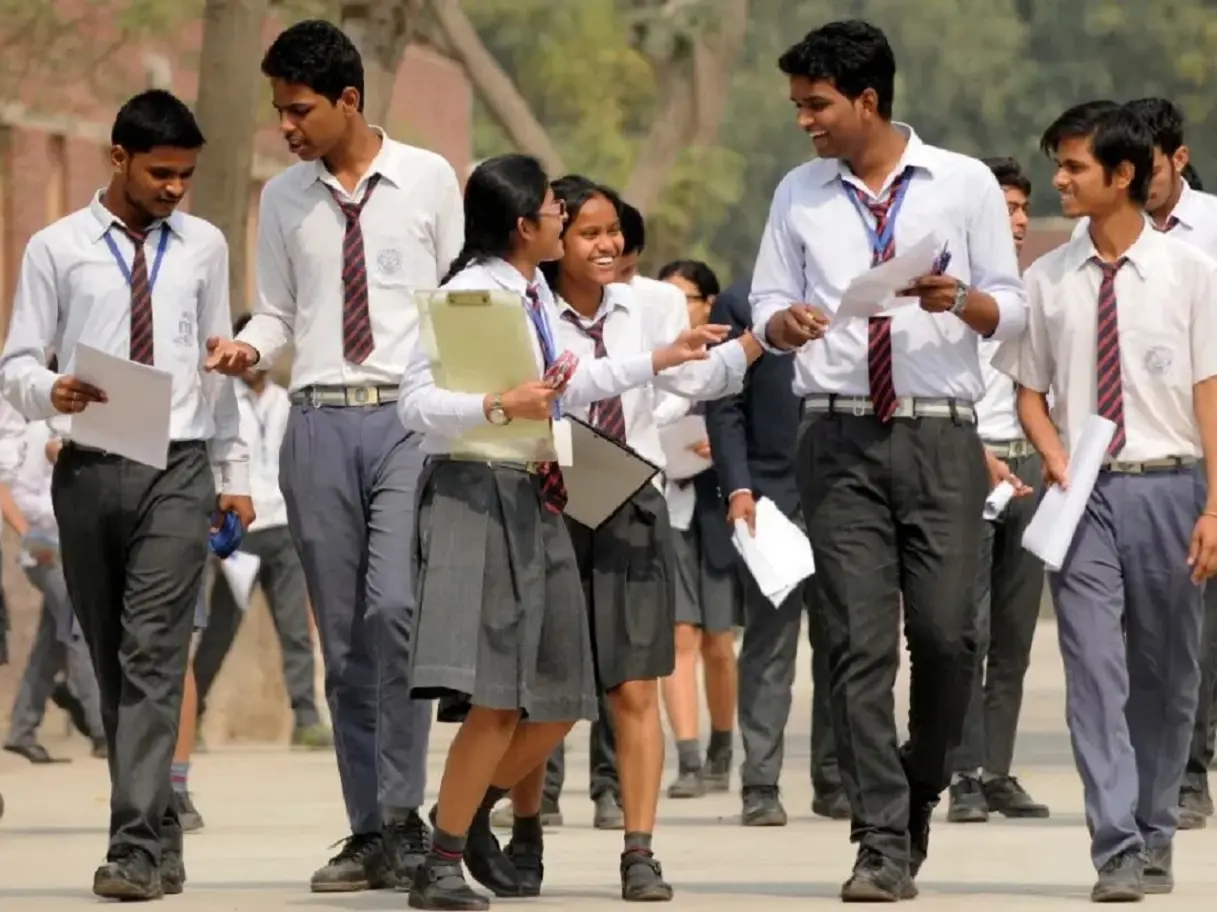
CBSE will conduct dry runs and training sessions and set up a call centre to resolve technical issues Photograph: (PTI)
The CBSE decision to introduce On-Screen Marking for the evaluation of Class 12 answer books will also help save transportation time and costs, as physical answer books will not need to be moved. Teachers can also remain in their own schools and continue regular duties while evaluating.
The Central Board of Secondary Education (CBSE) is introducing On-Screen Marking (OSM) for the evaluation of Class 12 answer books starting with the 2026 board examinations in a bid to speed up evaluation and improve transparency. However, Class 10 answer books will be evaluated in physical mode this year. Under the new system, answer sheets will be scanned and checked on computer screens instead of being physically sent to examiners. Exams are due to begin on February 17.
CBSE conducts Class 10 and Class 12 board examinations across India and 26 countries annually, catering to nearly 46 lakh students, which makes evaluation an immensely huge and time-intensive exercise.
Dr Sanyam Bhardwaj, Controller of Examinations, CBSE, made the announcement, saying the Board is introducing On-Screen Marking as part of its continuous efforts to improve efficiency and enhance transparency in the evaluation of answer sheets.
As per the February 9 official communication, the initiative will significantly streamline evaluation while reducing dependence on manual processes.
Why is CBSE moving to On-Screen Marking?
Trending Stories
)
)
)
)
)
&im=FitAndFill=(700,400))
)
)
)
)
)
)
)
)
)
)
)
)
)
)
)
)
)
)
&im=FitAndFill=(700,400))
)
)
)
)
)
&im=FitAndFill=(700,400))
)
)
)
There are several reasons behind the CBSE’s major shift, including faster evaluation through wider participation of teachers across affiliated schools and complete elimination of totalling errors, as marks will now be calculated automatically.
Besides, it will reduce manual intervention and scope for mistakes, besides reducing manpower requirements for verification-related work, therby speeding up final result processing.
The move will also help save transportation time and costs, as physical answer books will not need to be moved. Teachers can also now remain in their own schools and continue regular duties while evaluating.
It will also enable the involvement of teachers from CBSE-affiliated schools globally, not limited by geography.
The new system is also environmentally friendly, as it will reduce the use of paper and transportation, making the process more sustainable.
What infrastructure will be needed in schools for digital evaluation
CBSE has asked schools to ensure technical readiness to ensure smooth implementation of On-Screen Marking, and directed them to have a computer lab with a Public Static IP, as per affiliation bye-laws.
The board has also told schools that they should have PCs or laptops with Windows OS 8 or above, at least 4 GB RAM, and 1 GB free space on the C drive. The systems should also have updated internet browsers such as Chrome, Edge, Firefox, or Internet Explorer, and Adobe Reader must be installed on them.
Besides, they should have reliable internet connectivity with a minimum speed of 2 Mbps and an uninterrupted power supply.
Also Read: ‘US to offer Bangladesh defence systems to counter Chinese influence’: Washington's envoy in Dhaka
How will CBSE help schools and teachers prepare for the transition?
CBSE has also outlined several support measures to help schools and teachers adapt to the new system. It will conduct dry runs and training sessions and set up a call centre to resolve technical issues. It will also release instructional videos to explain how the system works.
CBSE will also share detailed guidelines separately to ensure that schools complete preparations on time.
It will also allow all teachers with OASIS IDs to log in and familiarise themselves with the OSM platform.