Supreme Court verdict on Cauvery dispute: Karnataka to get additional water, no change for Kerala

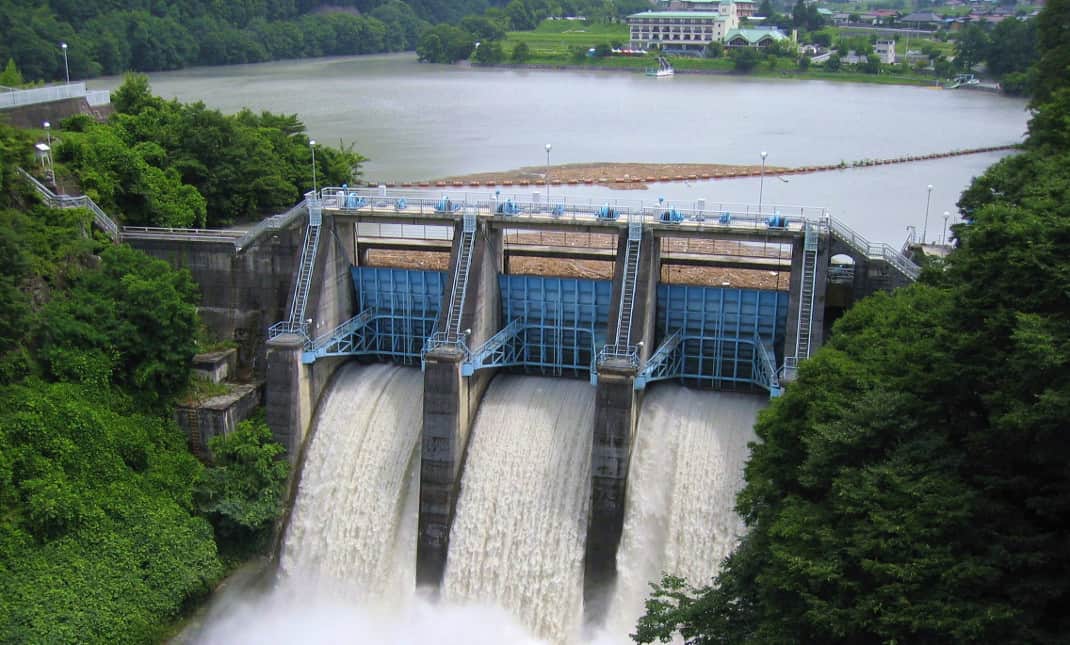
Supreme court on Cauvery water row
The Supreme Court today delivered its verdict on the decades-old Cauvery water dispute between Tamil Nadu, Karnataka and Kerala.
The Supreme Court today delivered its verdict on the decades-old Cauvery water dispute between Tamil Nadu, Karnataka and Kerala.
The Supreme Court judge directed Karnataka to get additional 14.75 thousand million cubic(TMC) water and Tamil Nadu to now get 177.25 TMCwater instead of 192 TMC.
SC directed Karnataka to release 177.25 TMCof Cauvery water to Tamil Nadu from its inter-state Biligundlu dam.

Bengaluru will get additional 4.2 TMCwater, India's highest court said. There is no change in allocation for Kerala and Puducherry, the court declared.
The apex court also allowed Tami Nadu to draw an additional 10 TMC'groundwater' from a total of 20 TMCbeneath the Cauvery basin.
It said the increase in share of Cauvery water for Karnataka by 14.75 tmcft is because of the 10 tmcft groundwater and 4.75 tmcft drinking water requirement for Bengaluru residents.
&im=FitAndFill=(700,400))
National Film Awards 2026: Kartik Aaryan, Mammootty, Yami Gautam, Randeep Hooda and other key winners
)
The Verdict | Moral policing isn’t culture or discipline, it’s crime
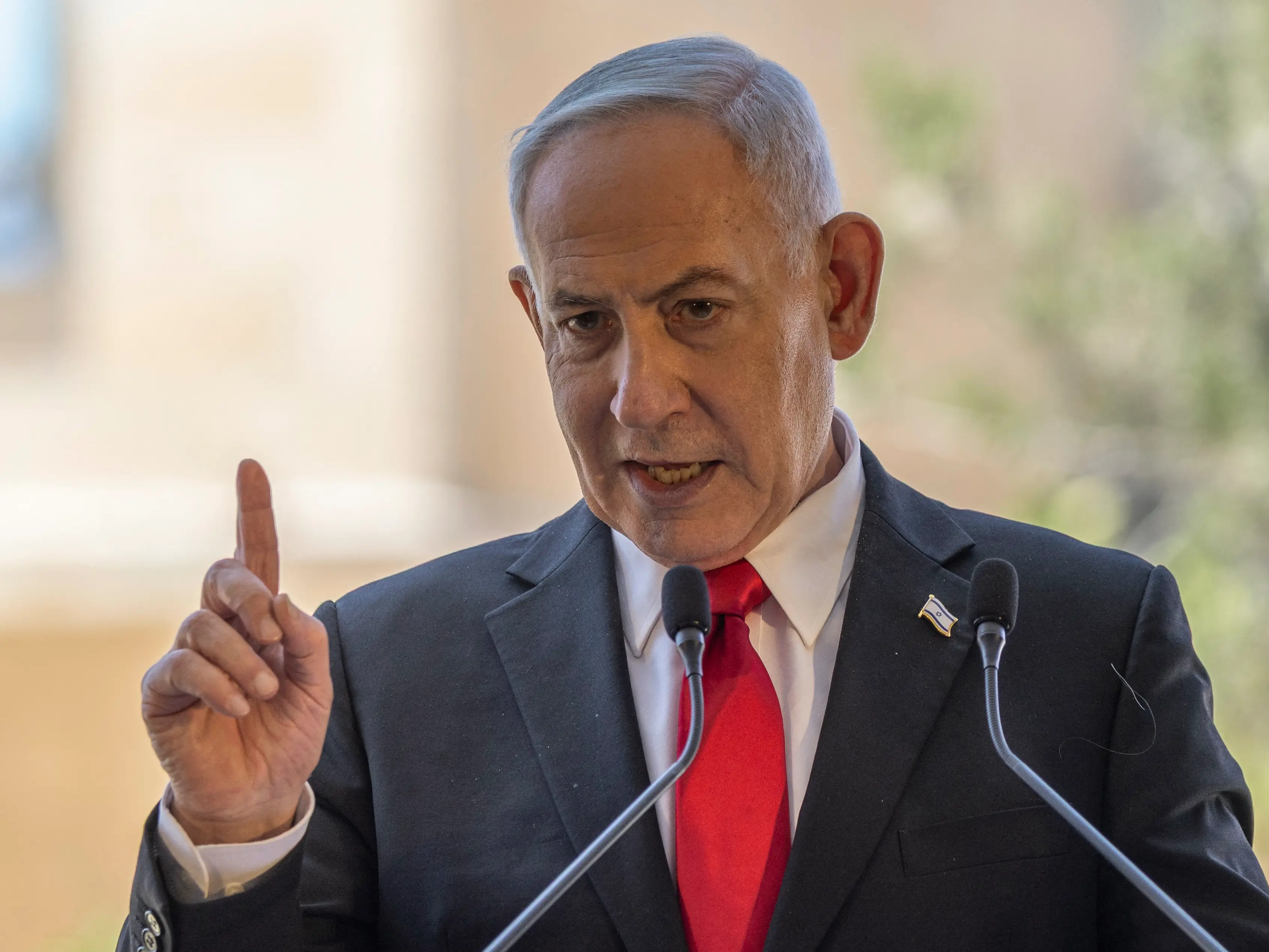)
‘Shame on you’: Netanyahu vows to ‘tell the truth’ about Mamdani at UN ahead of New York visit
)
ICC plans T20I expansion and fewer ODIs in 2027–2031 FTP cycle: Report
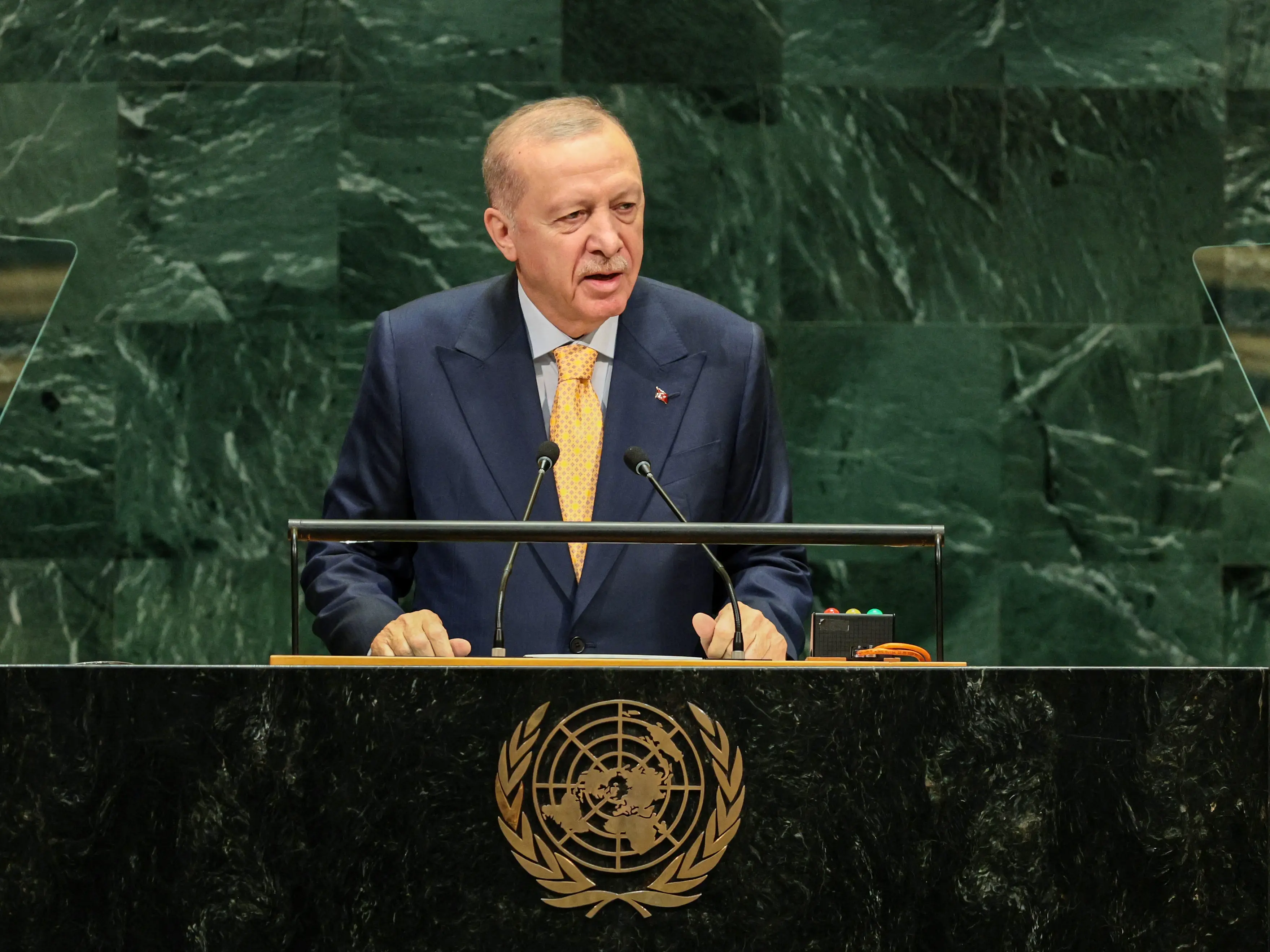)
Erdogan again raises Kashmir issue at UNGA, calls for dialogue under UN Charter
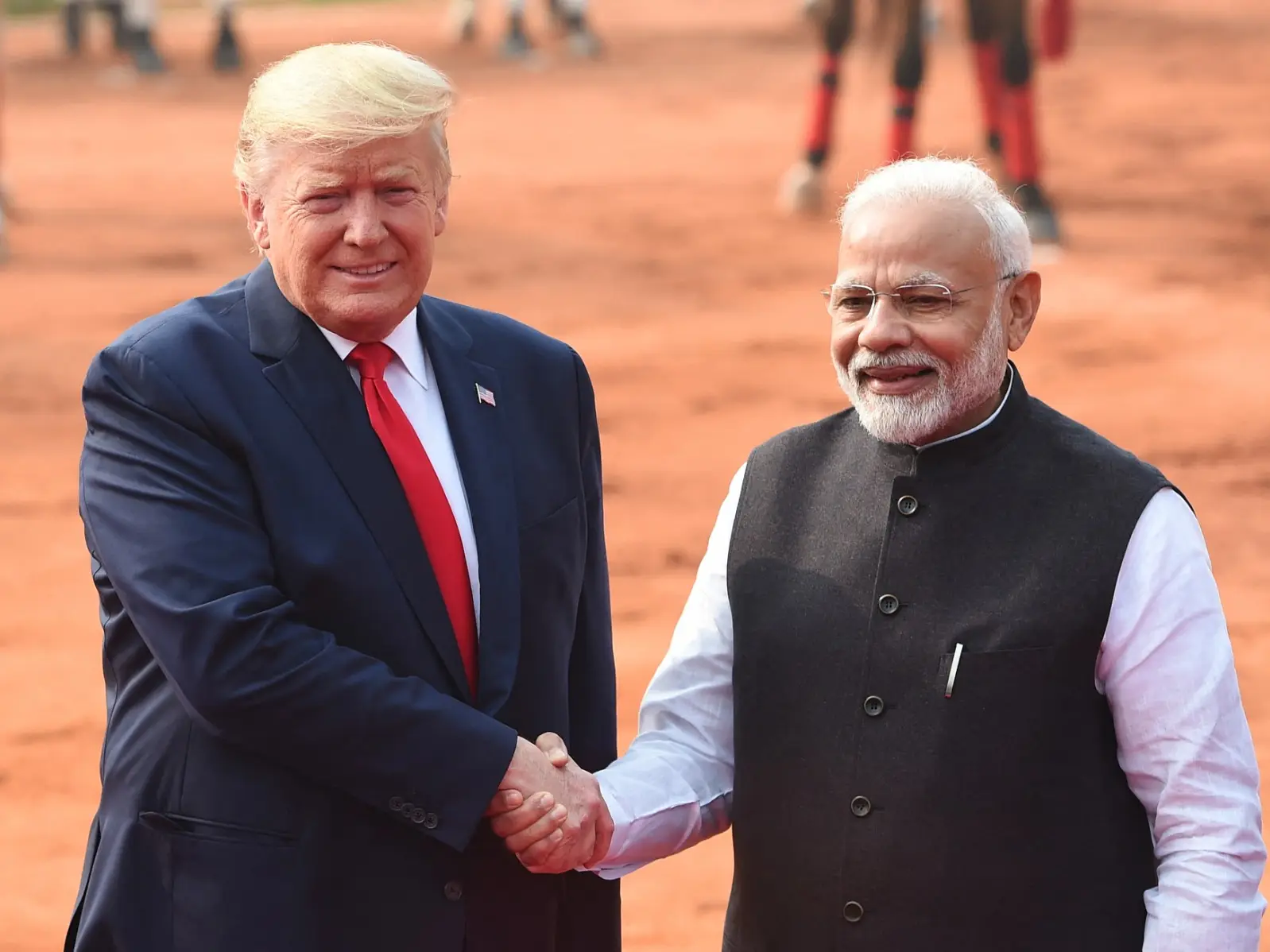)
Trump revives India-Middle East-Europe economic corridor as India emerges central to West Asia’s future: What is it?
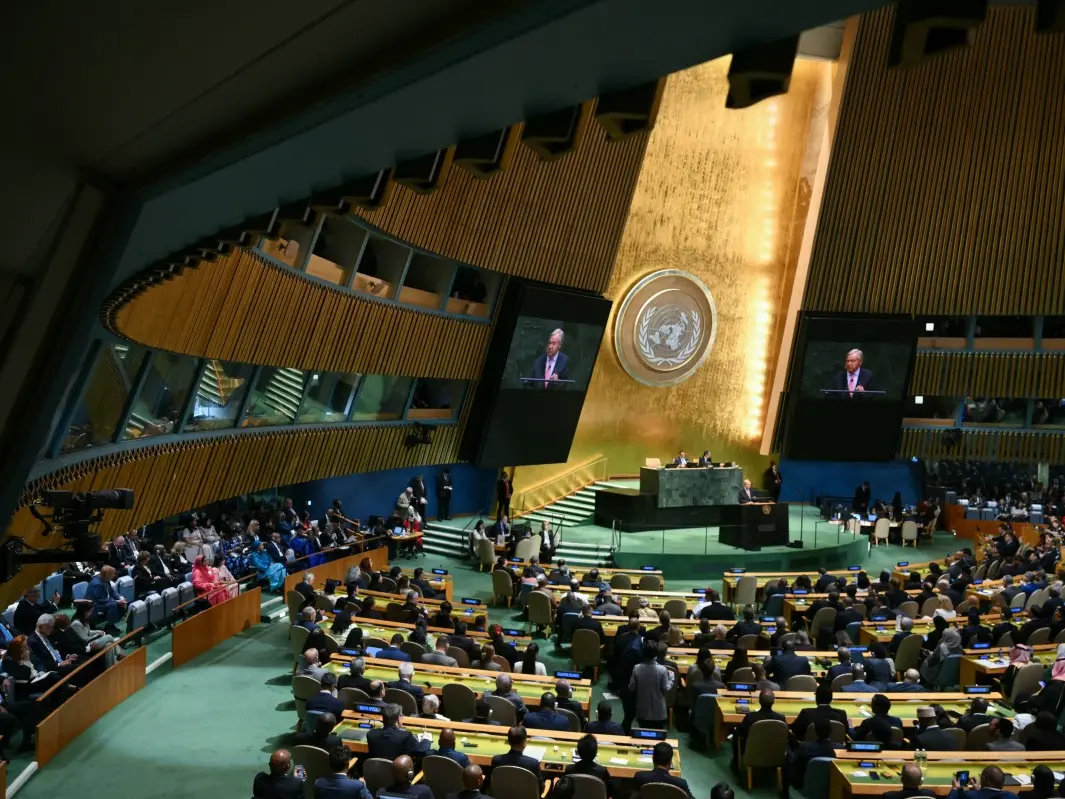)
World leaders repeatedly call Gaza crisis ‘genocide’ as Israel’s war dominates opening sessions of UNGA
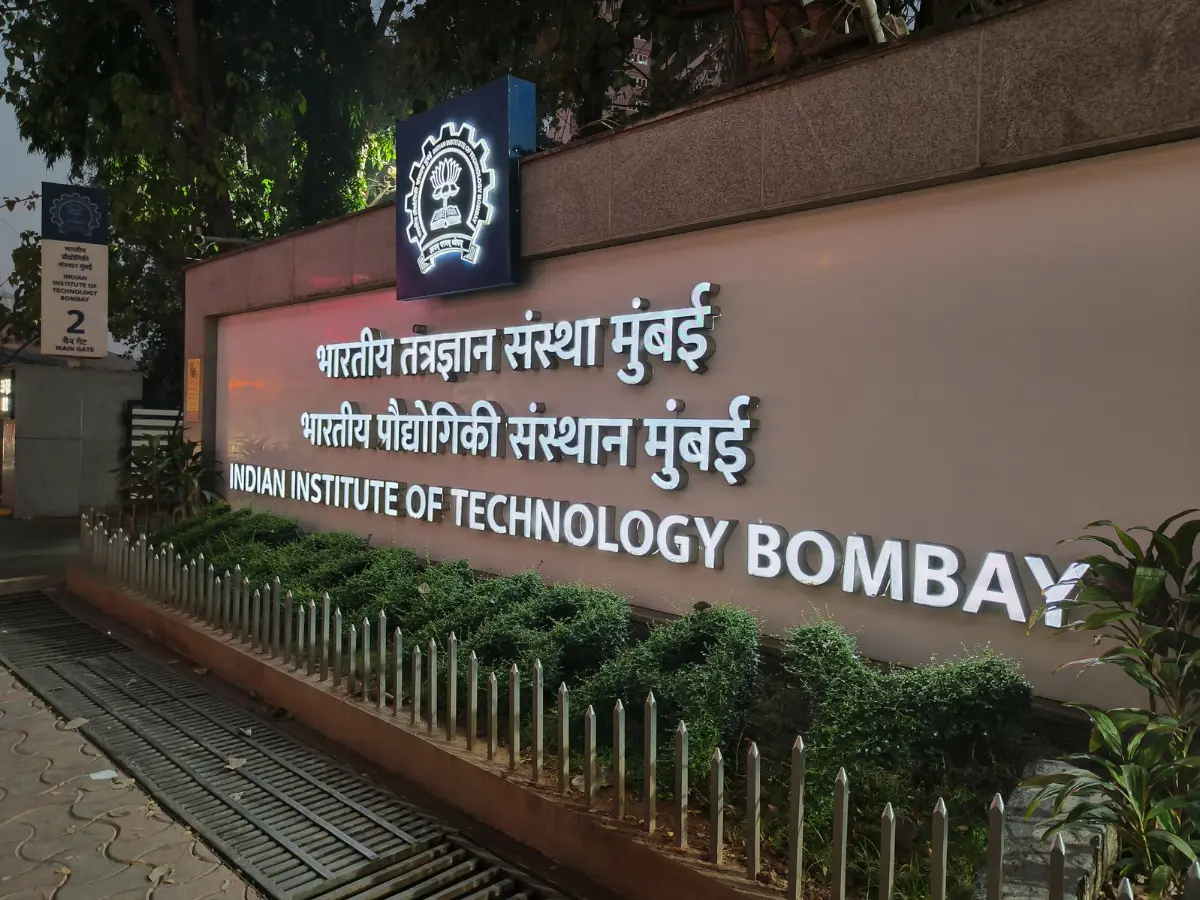)
IIT Bombay professor Suryanarayana Doolla sent on leave amid Sahil Wakode death probe
)
American manufacturing is reshoring faster than its factory floors can absorb
)
'Mumma’s boy from Gwalior who dared to dream': Kartik Aaryan pens long note after first National Award win
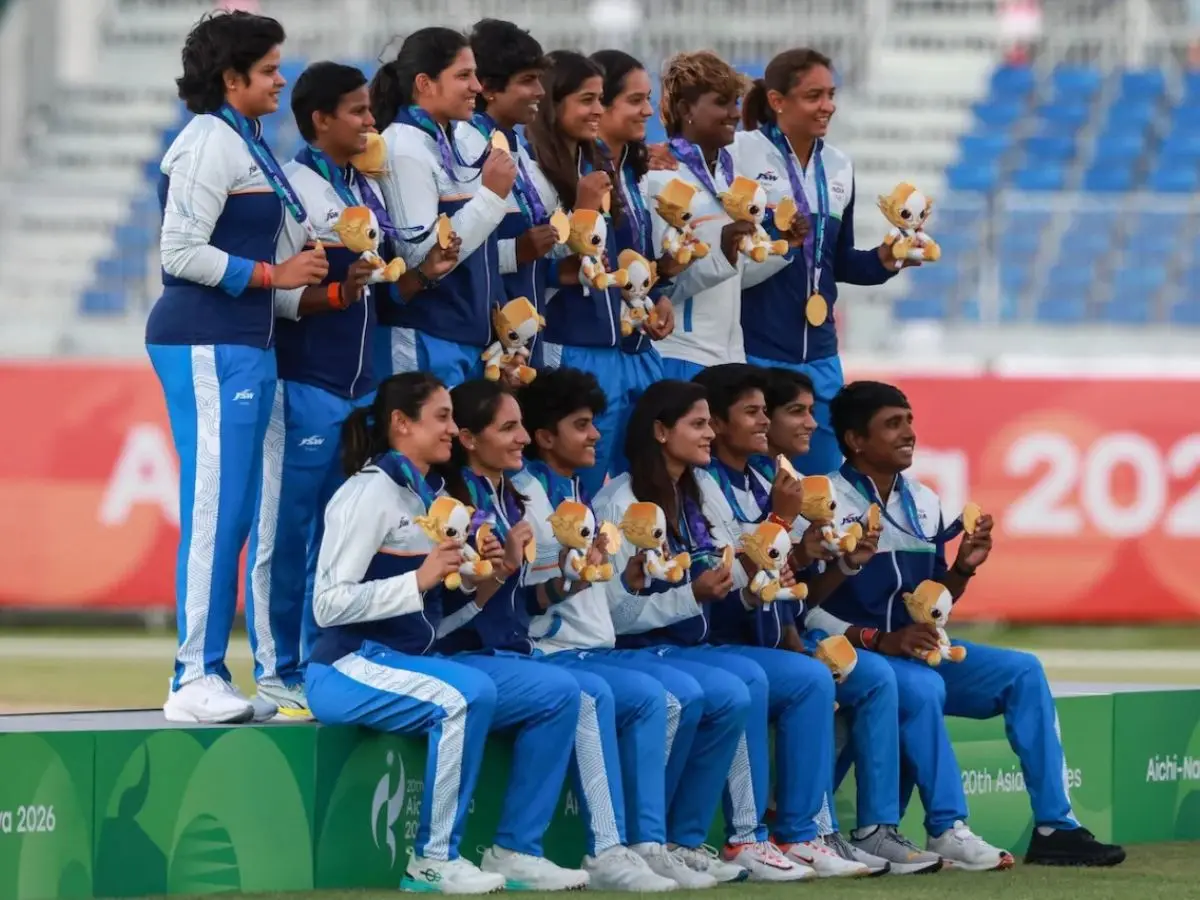)
'Our team opened the gate of gold medals': Harmanpreet Kaur on India’s Asian Games final win
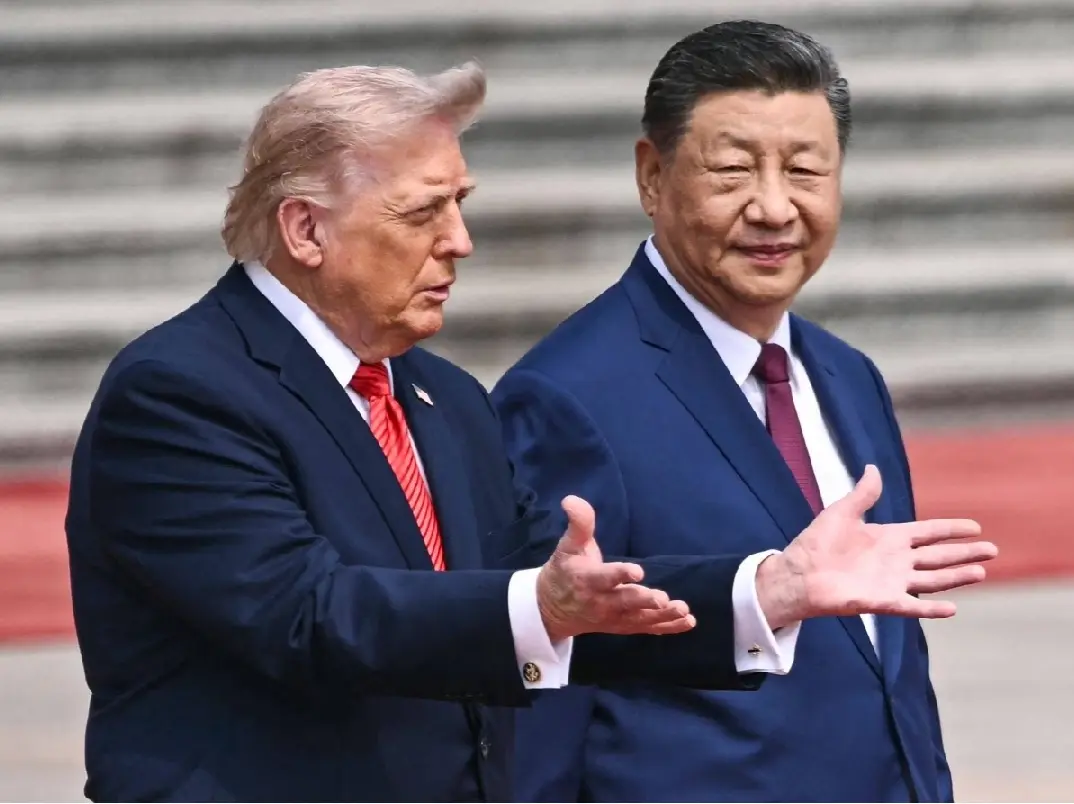)
US and China vie for AI dominance as calls grow for regulation | Gravitas
&im=FitAndFill=(700,400))
New OTT releases this week (September 21-27, 2026): Shaque: Trust No One, Hunkkaar, Don’t Be Shy- 5 new titles coming to Netflix, Prime Video and more
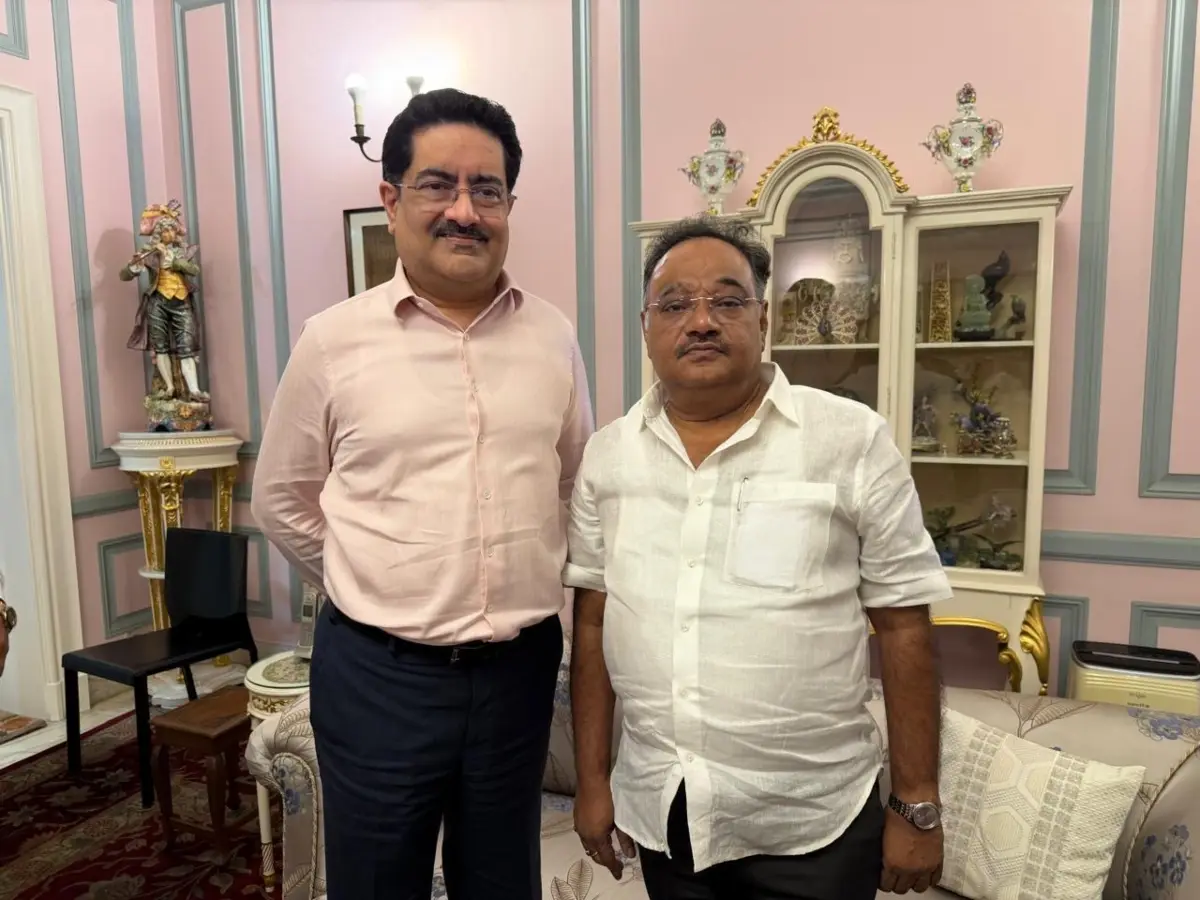)
Four decades after leaving Kolkata, the Birlas may be coming back for more
)
WION Iconic Tourism Summit and Iconic Awards 2026: India's travel economy leaders gather in Delhi
)
IND vs JPN, one-off T20I: Japan captain Kendel on pushing India to the brink - ‘It was special’
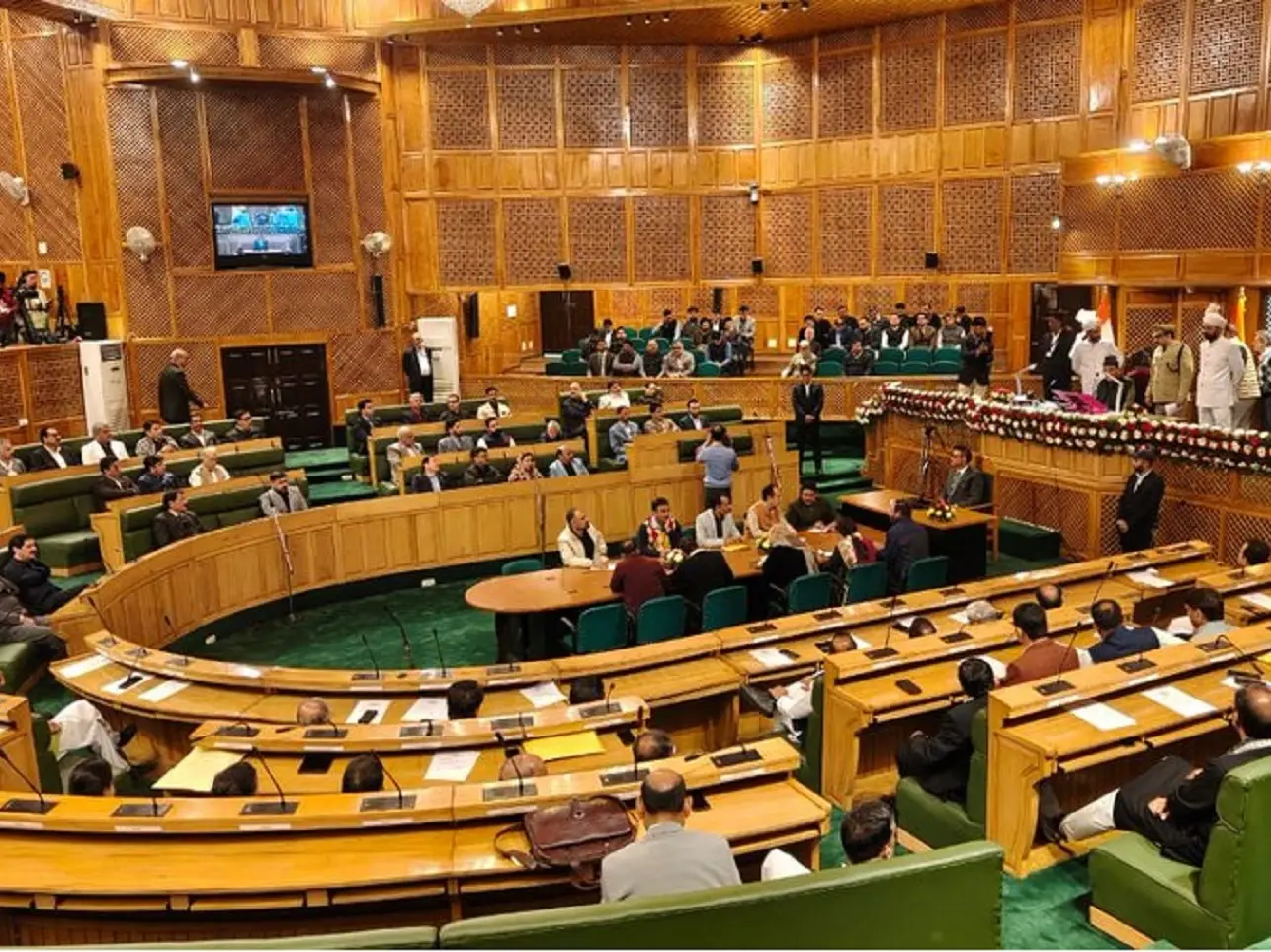)
Over 4,200 books withdrawn from circulation in J&K colleges, 94% from Kashmir
)
Raaka creates history! Allu Arjun’s film secures Guinness World Record ahead of release
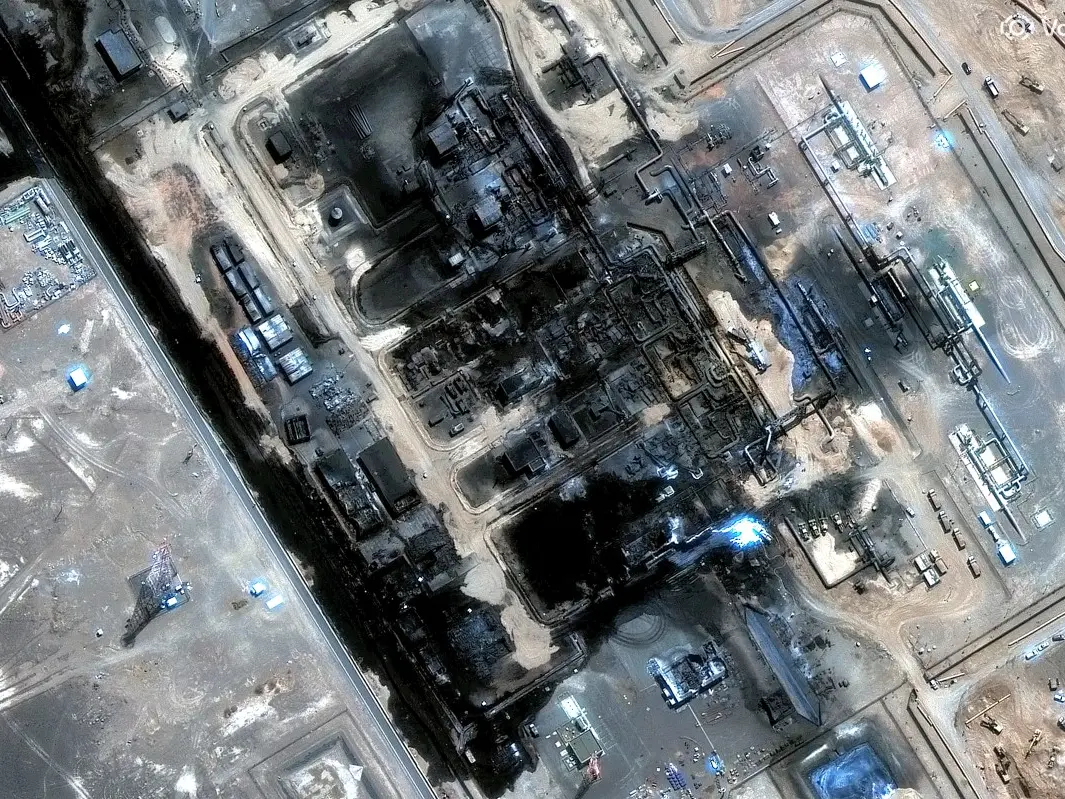)
Oil slips to $98 as Saudi Arabia restarts East-West oil pipeline
)
Who is Clavicular? The 20-year-old controversial 'Looksmaxxing' influencer charged with rape allegations
)
Trump calls on nations to quit ‘rogue’ and ‘out-of-control’ International Criminal Court, rips UN
)
Yemen clashes kill 154 people in two days as cornered Saudi battles Houthi offensive | Gravitas
)
WION Iconic Tourism Summit and Awards 2026: Key voices to discuss India’s tourism future
)
Bomb scare in New York amid UNGA: Suspicious suitcase found near UN headquarters
)
'This is normally what toddlers do': Why a psychiatrist is raising fresh questions about Trump’s recent behaviour
)
Gravitas | Boosting NHS productivity could save 20,600 lives in UK annually: Report
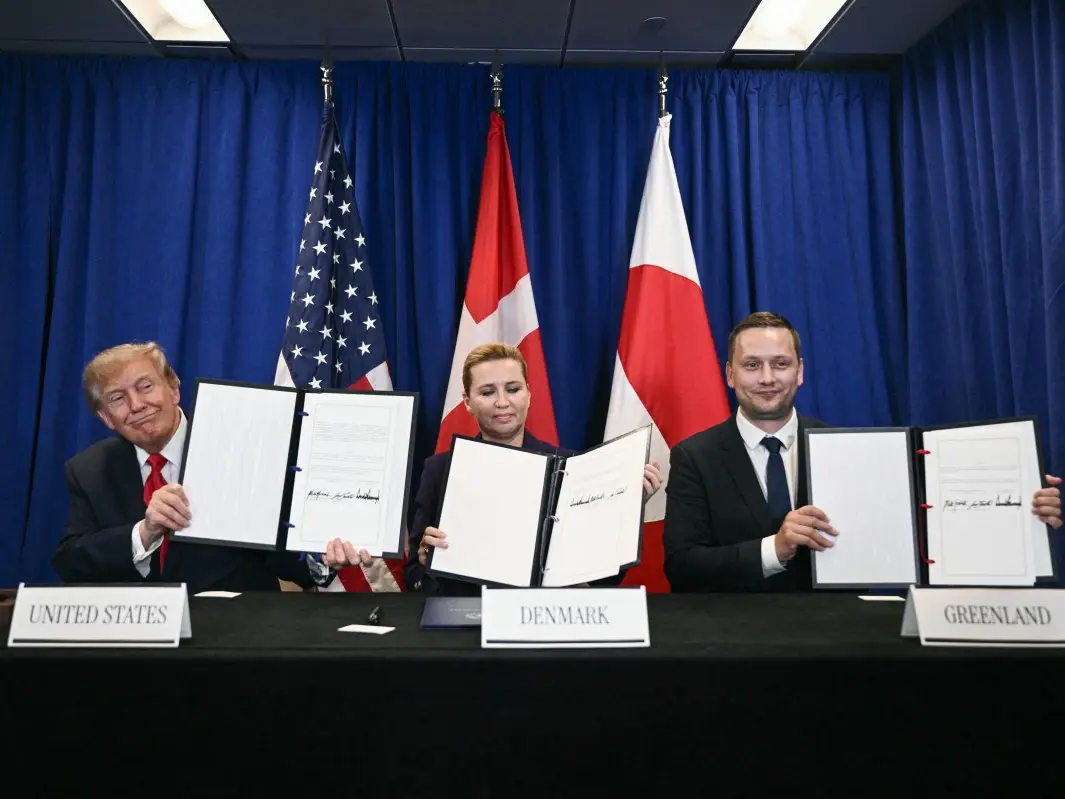)
Trump signs Greenland security deal with Denmark, paving way for two new US military bases
)
Saudi Arabia exits China-led mBridge digital currency platform amid Saudi-Houthi conflict
72nd National Film Awards: Kartik Aaryan receives Best Actor honour for Chandu Champion in Gujarat
)
Glitch in the matrix caught on camera: Woman vanishes after talking to reporter
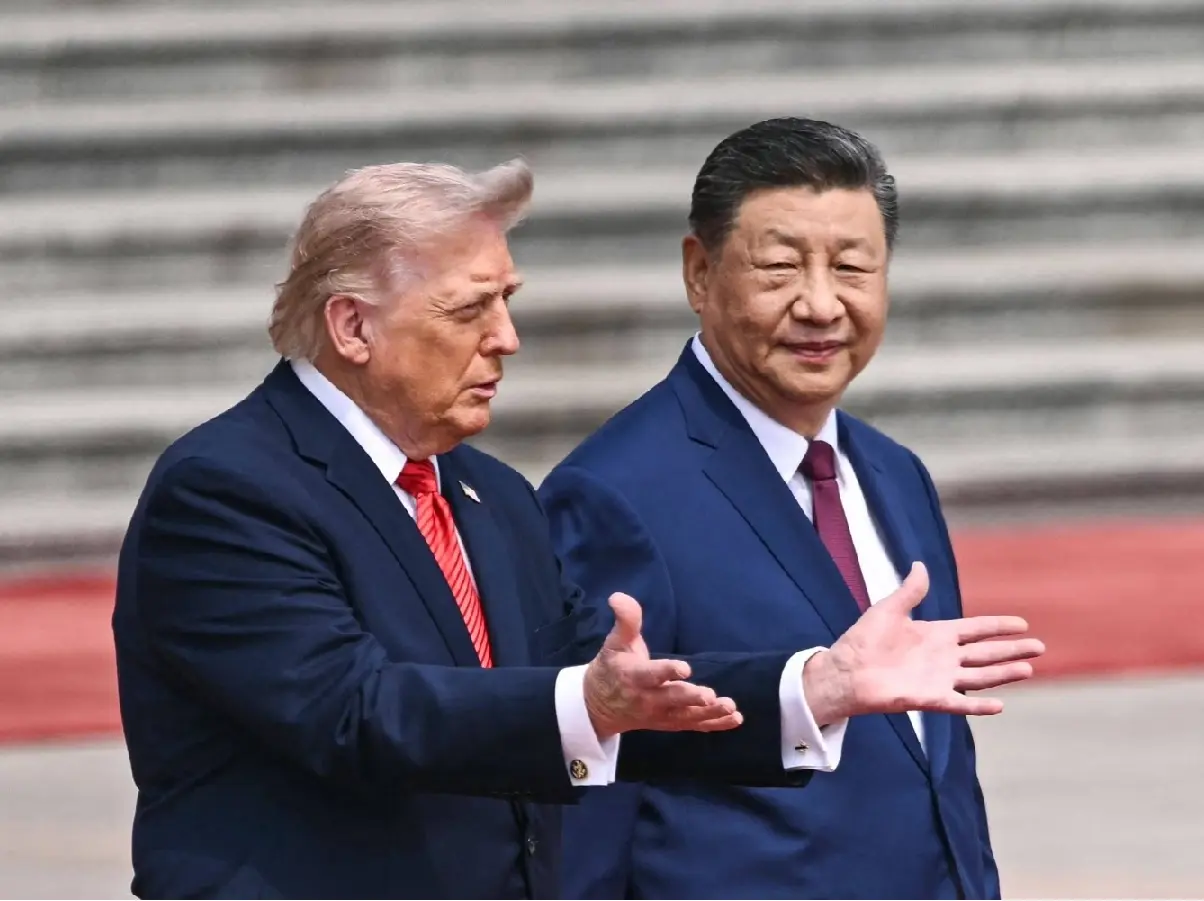)
Explainer: Why rare-earth export licences and Board of Trade are US priorities ahead of Trump-Xi summit
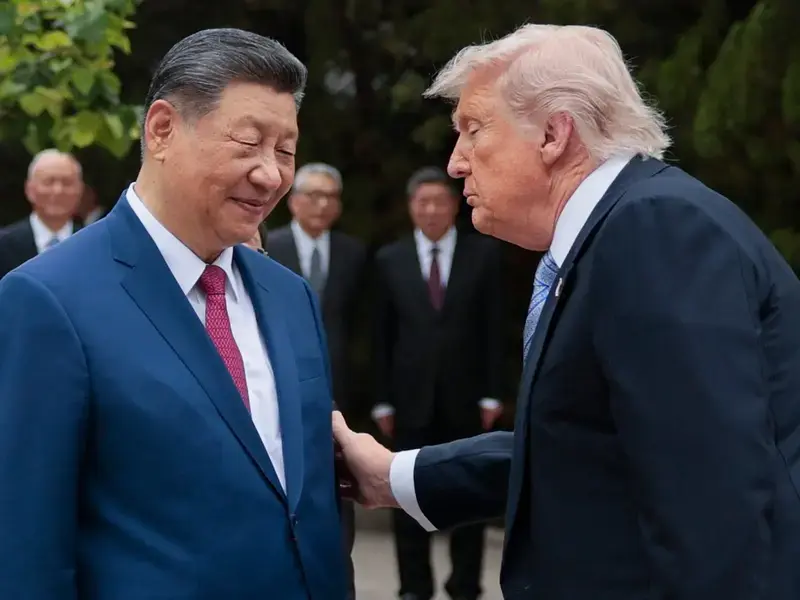)
Trump-Xi summit: From trade to Taiwan, what will the US and Chinese presidents discuss in Washington?
)
Key accused in Bihar's Jamui molestation case, arrested after police shoot him in leg
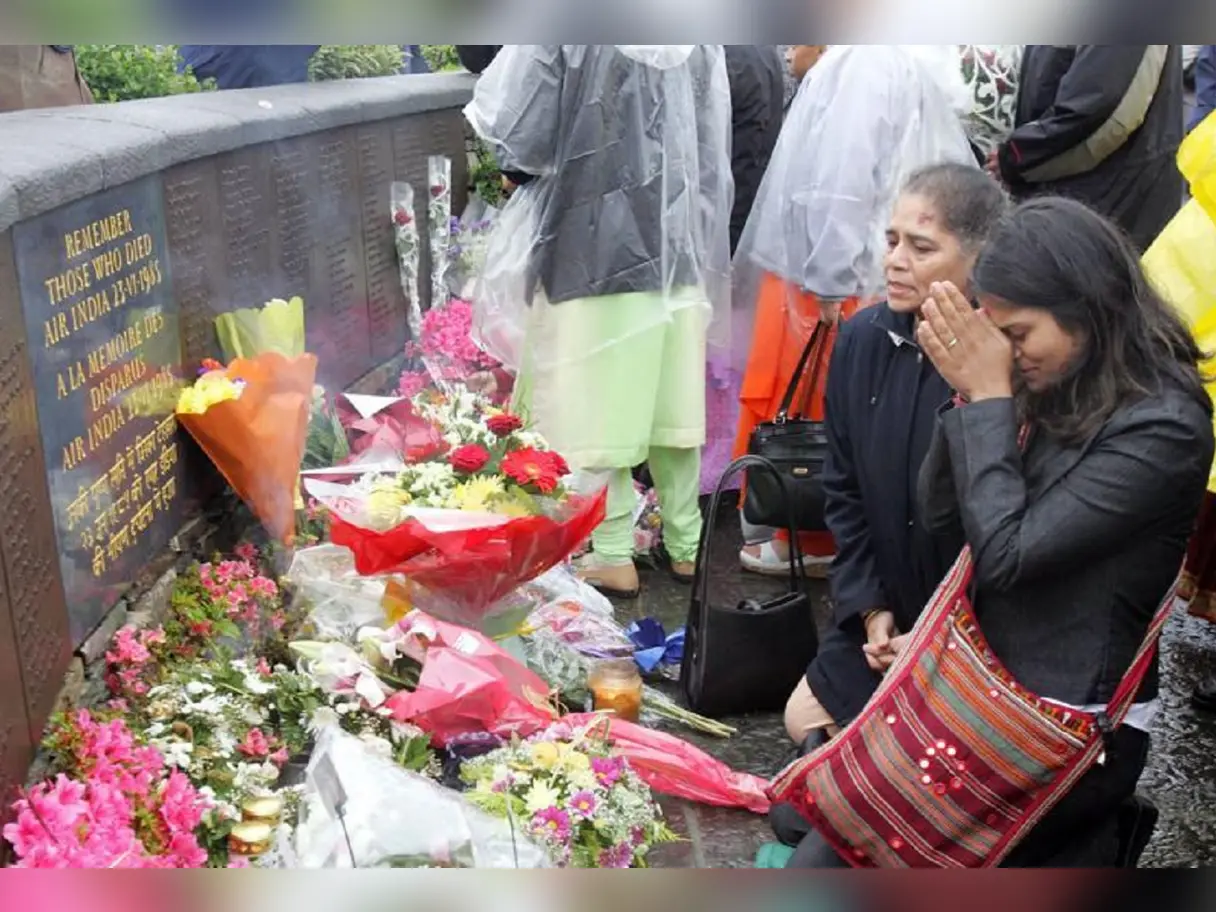)
Justice eludes Air India 1985 bombing victims as Canada probe goes 'inactive' | Gravitas
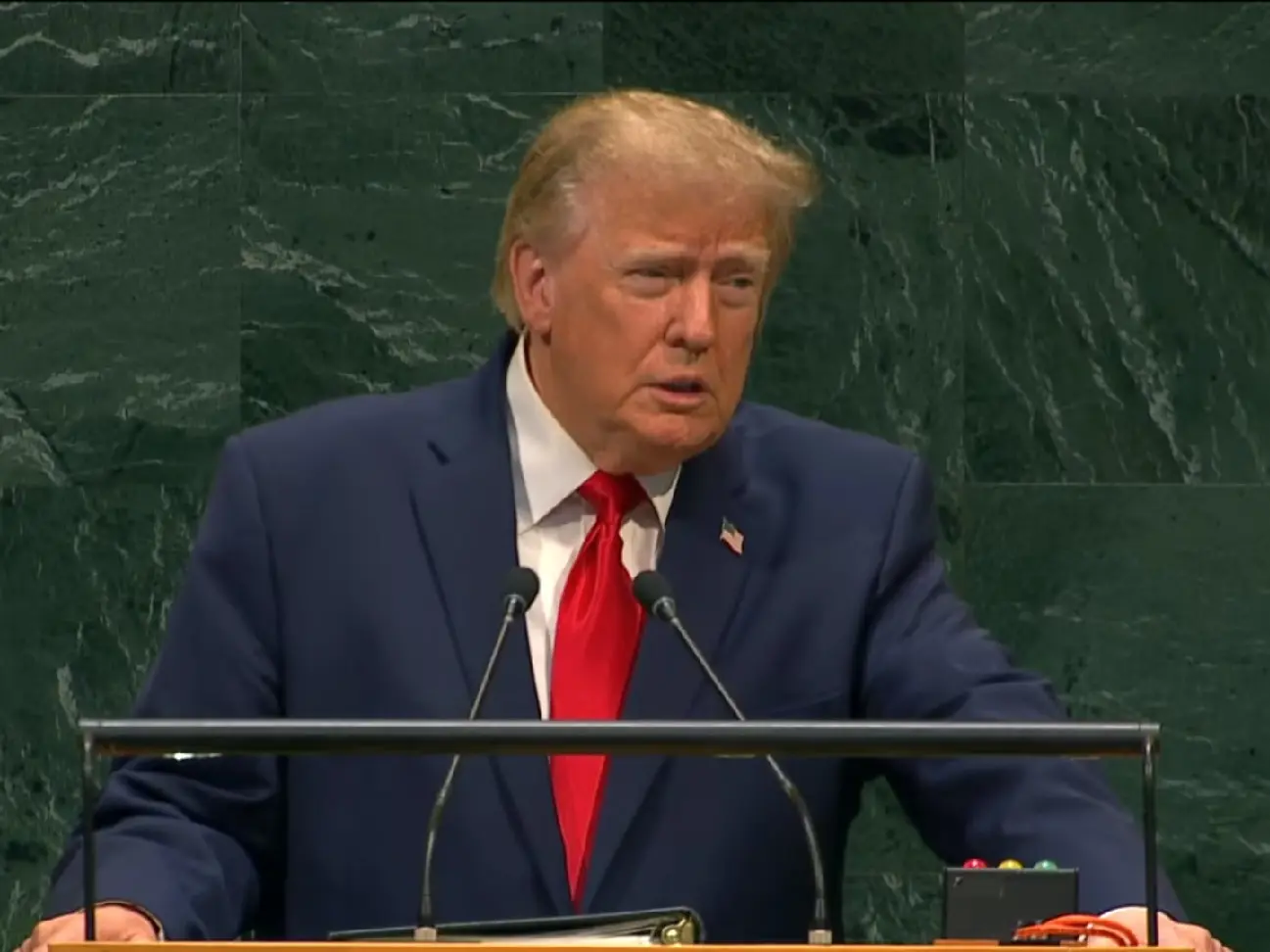)
‘Strike a deal or drive Iran into hell’: Trump issues fresh warning to Tehran at UNGA
)
Major League Soccer referee sacked for sexist comment about female match referee
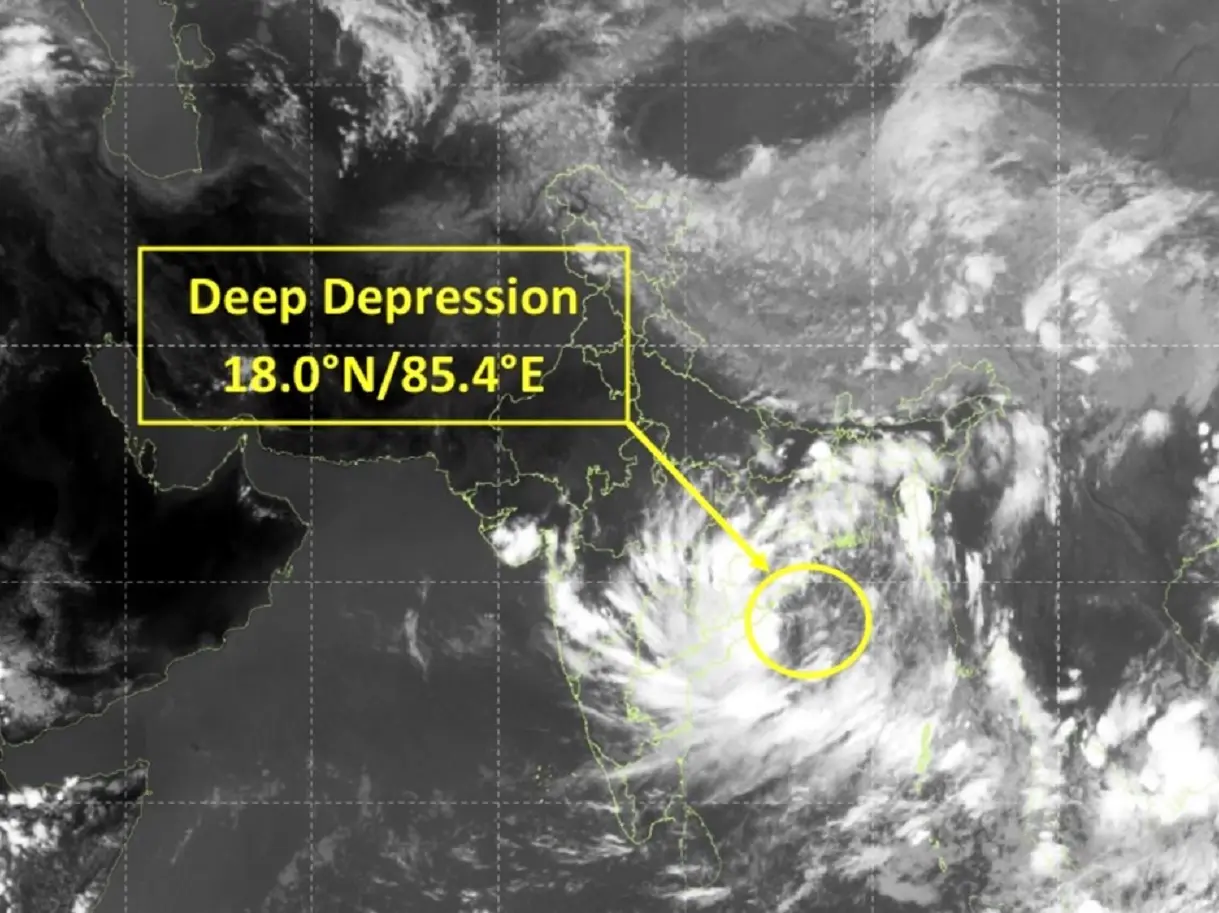)
Cyclone Arnab: Landfall expected before midnight tomorrow as IMD issues orange alerts across six states
The pre-Independence verdict is valid, the top court said in its verdict, adding that no state can claim"exclusivityover rivers."
The court said there should be "no deviance"of the order by any state.
The Court also directed the Cauvery water dispute management to be set up. The Supreme Court order will remain in force for the next 15 years.
Tamil Nadu, represented by senior advocate Shekhar Naphade had urged the court to initiate a “fundamental change” in the water sharing arrangement.
The Cauvery water dispute was decided unanimously by CWDT in 2007, after determining the total availability of water in the Cauvery basin at 740 thousand million cubic (tmc) feet at the Lower Coleroon Anicut site, including 14 tmcft for environmental protection.