Cabinet approves ₹1.27 trillion for India Semiconductor Mission 2.0 to boost chip manufacturing

&imwidth=600&imheight=450&format=webp&quality=medium "Cabinet approves ₹1.27 trillion for India Semiconductor Mission 2.0 to boost chip manufacturing")
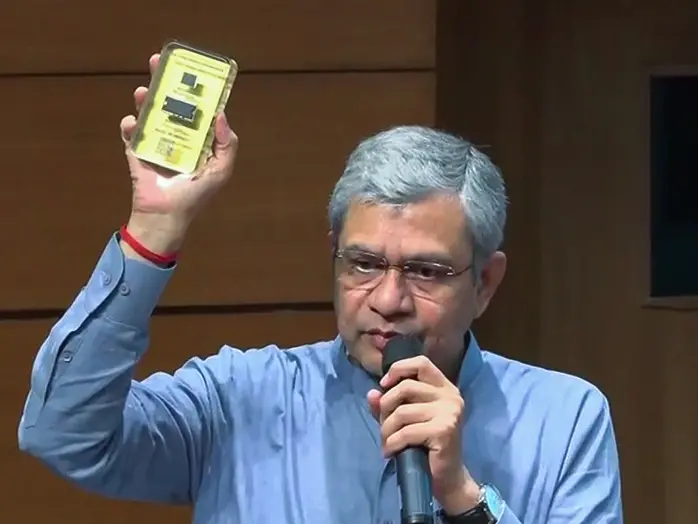
Union Information and Broadcasting Minister Ashwini Vaishnaw showcases 'Made in India' semiconductor chips during a Cabinet briefing on Wednesday, July 15, 2026. Photograph: (ANI)
The Union Cabinet approved a ₹1.27 trillion Semiconductor Mission 2.0 along with a ₹62,500 crore Mobile Phone Manufacturing Scheme and other key policy and infrastructure measures to strengthen India's manufacturing ecosystem.
The Union Cabinet on Wednesday (July 15) approved the second phase of the India Semiconductor Mission with an outlay of ₹1.27 lakh crore, as the government steps up efforts to position India as a global electronics manufacturing hub.
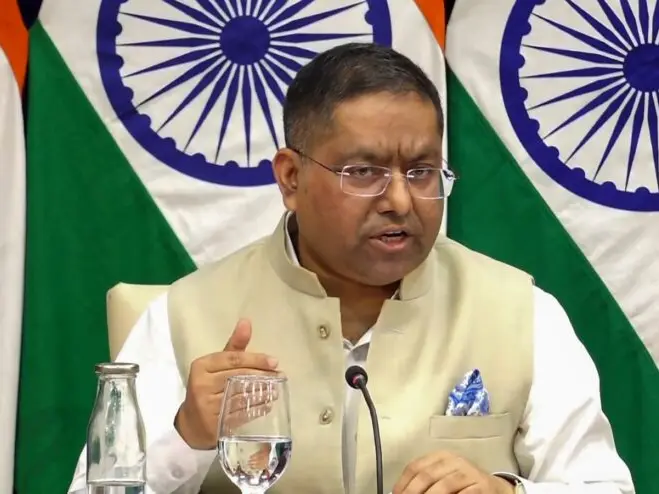
Announcing the decision, Union IT Minister Ashwini Vaishnaw said, "The Cabinet has approved ISM 2.0 with a total outlay of ₹1.27 lakh crore."
The Semicon 2.0 programme builds on the semiconductor initiative launched five years ago to reduce import dependence and attract investments in one of the world's most strategic industries.
During the first phase of the India Semiconductor Mission, the government had allocated ₹76,000 crore. So far, it has cleared 12 projects under the programme, drawing investments worth around ₹1.64 lakh crore.
A large share of the investment has come from Tata Electronics and its semiconductor business.
Trending Stories
&imwidth=280&imheight=210&format=webp&quality=medium)
&im=FitAndFill=(700,400)&imwidth=280&imheight=210&format=webp&quality=medium)
&imwidth=280&imheight=210&format=webp&quality=medium)
&imwidth=280&imheight=210&format=webp&quality=medium)
&imwidth=280&imheight=210&format=webp&quality=medium)
&imwidth=280&imheight=210&format=webp&quality=medium)
&im=FitAndFill=(700,400)&imwidth=280&imheight=210&format=webp&quality=medium)
&imwidth=280&imheight=210&format=webp&quality=medium)
&imwidth=280&imheight=210&format=webp&quality=medium)
&imwidth=280&imheight=210&format=webp&quality=medium)
&imwidth=280&imheight=210&format=webp&quality=medium)
&imwidth=280&imheight=210&format=webp&quality=medium)
&imwidth=280&imheight=210&format=webp&quality=medium)
&imwidth=280&imheight=210&format=webp&quality=medium)
&imwidth=280&imheight=210&format=webp&quality=medium)
&imwidth=280&imheight=210&format=webp&quality=medium)
&imwidth=280&imheight=210&format=webp&quality=medium)
&imwidth=280&imheight=210&format=webp&quality=medium)
&imwidth=280&imheight=210&format=webp&quality=medium)
&imwidth=280&imheight=210&format=webp&quality=medium)
&imwidth=280&imheight=210&format=webp&quality=medium)
&imwidth=280&imheight=210&format=webp&quality=medium)
&imwidth=280&imheight=210&format=webp&quality=medium)
&imwidth=280&imheight=210&format=webp&quality=medium)
&imwidth=280&imheight=210&format=webp&quality=medium)
&imwidth=280&imheight=210&format=webp&quality=medium)
&imwidth=280&imheight=210&format=webp&quality=medium)
&imwidth=280&imheight=210&format=webp&quality=medium)
&imwidth=280&imheight=210&format=webp&quality=medium)
&imwidth=280&imheight=210&format=webp&quality=medium)
&imwidth=280&imheight=210&format=webp&quality=medium)
&imwidth=280&imheight=210&format=webp&quality=medium)
&imwidth=280&imheight=210&format=webp&quality=medium)
&imwidth=280&imheight=210&format=webp&quality=medium)
&im=FitAndFill=(700,400)&imwidth=280&imheight=210&format=webp&quality=medium)
Cabinet clears multiple projects worth ₹2.19 trillion
Along with Semicon 2.0, the Cabinet approved the Mobile Phone Manufacturing Scheme (MPMS) with an allocation of ₹62,500 crore, making it one of the government's key manufacturing initiatives.
Vaishnaw also announced that the Cabinet had approved the National Investment Policy for Urea 2026, saying the policy is aimed at making India self-reliant in urea production. He clarified that the approval is a policy decision and does not involve any financial allocation in the Cabinet decisions table.
The Cabinet also cleared two railway infrastructure projects. It approved the doubling of the Paradeep to Haridaspur railway line at a cost of ₹2,542 crore. It also approved the fourth railway line between Dangoaposi and Rajkharsawan with an investment of ₹1,365 crore.
"Seven major decisions were taken today. The first two decisions relate to a new approach to infrastructure development in Varanasi (Kashi). The third and fourth decisions are related to the approval of Semiconductor Mission 2.0 (Semicon 2.0). The fourth decision is the approval of the Mobile Phone Manufacturing Scheme. The fifth decision is aimed at making India self-reliant in urea production. For this, the National Investment Policy for Urea has been approved," he said.