Which jobs are safest from humanoid robots?

Humanoid robots excel in structured factories but struggle with unpredictable environments and human emotion. Skilled trades like plumbing, healthcare, teaching, and strategic leadership remain completely safe due to the limits of physical AI.

The Unpredictable Trades
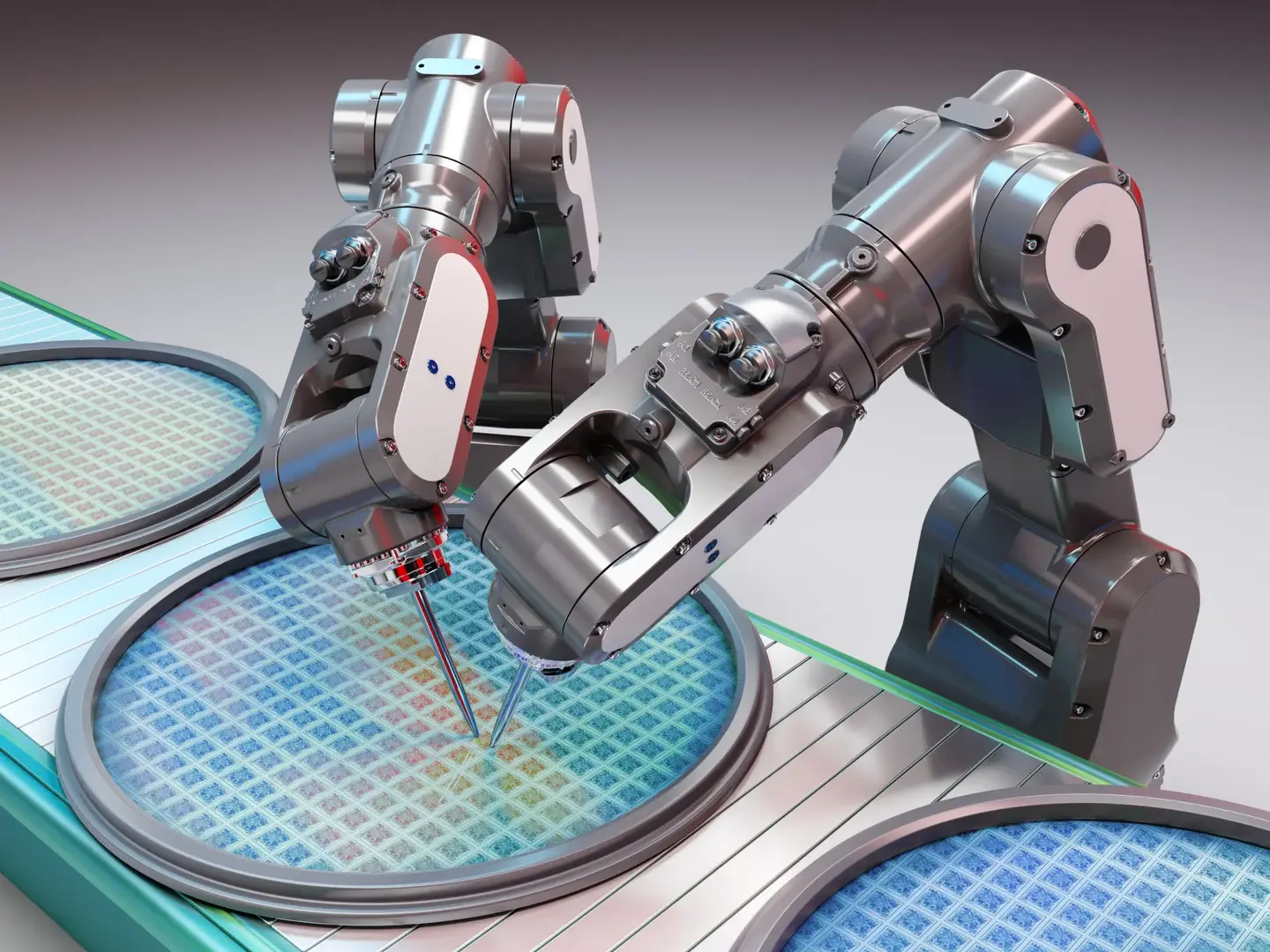
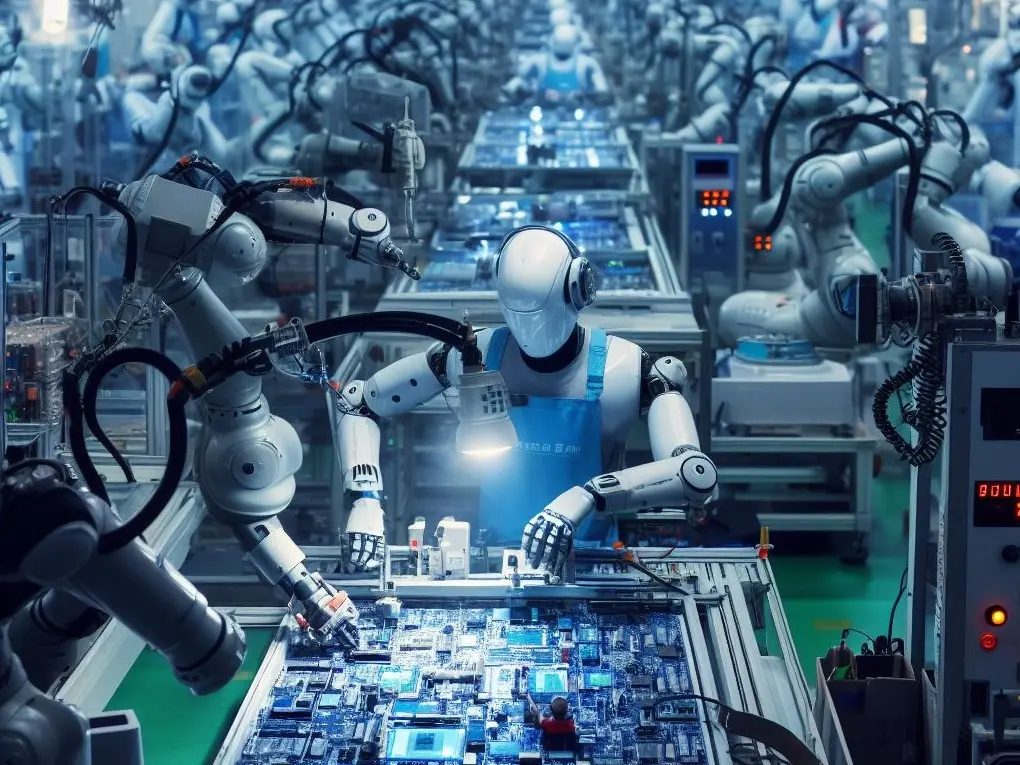
Humanoid robots excel in highly structured environments like factory assembly lines. However, skilled trades like plumbing and electrical work require navigating unpredictable, messy physical spaces that easily confuse current artificial intelligence.

The Empathy Barrier
Healthcare roles demanding deep emotional intelligence remain entirely safe from automation. While robots can monitor basic vital signs, they cannot replace the genuine empathy and measured psychological support provided by human nurses.
Strategic Leadership
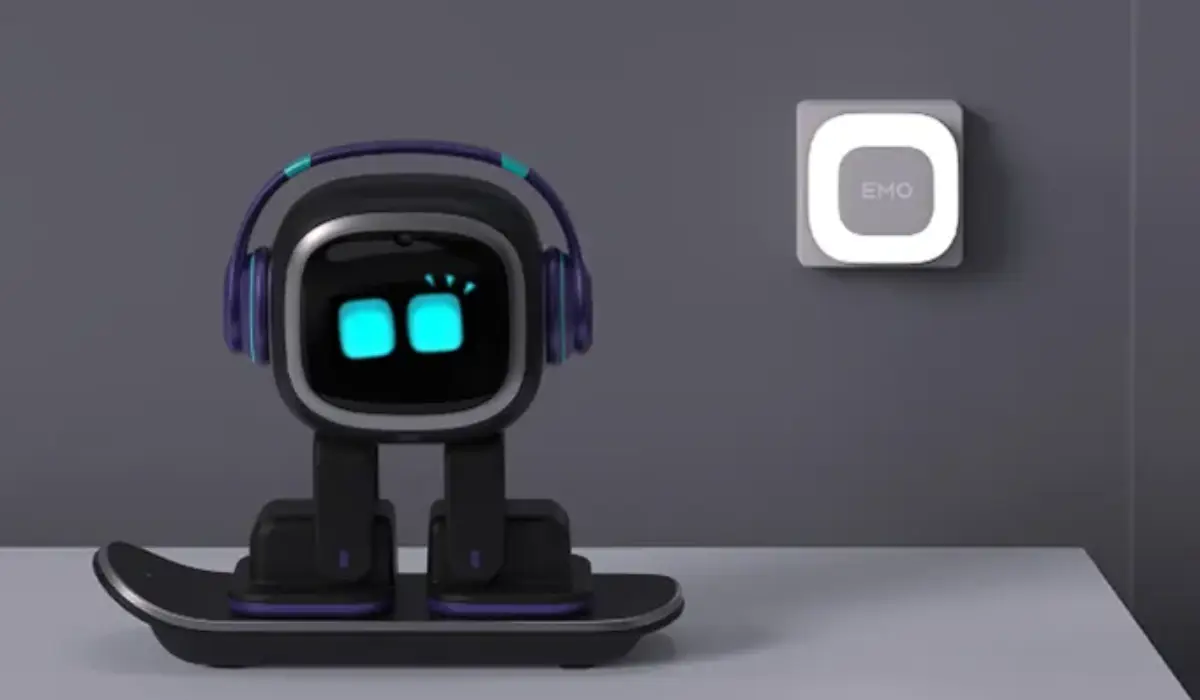
Artificial intelligence heavily struggles with high-stakes, ambiguous decision-making. Corporate executives, diplomats, and strategic leaders who must navigate complex human negotiations and ethical dilemmas cannot be replaced by physical algorithms.
The Creative Spark
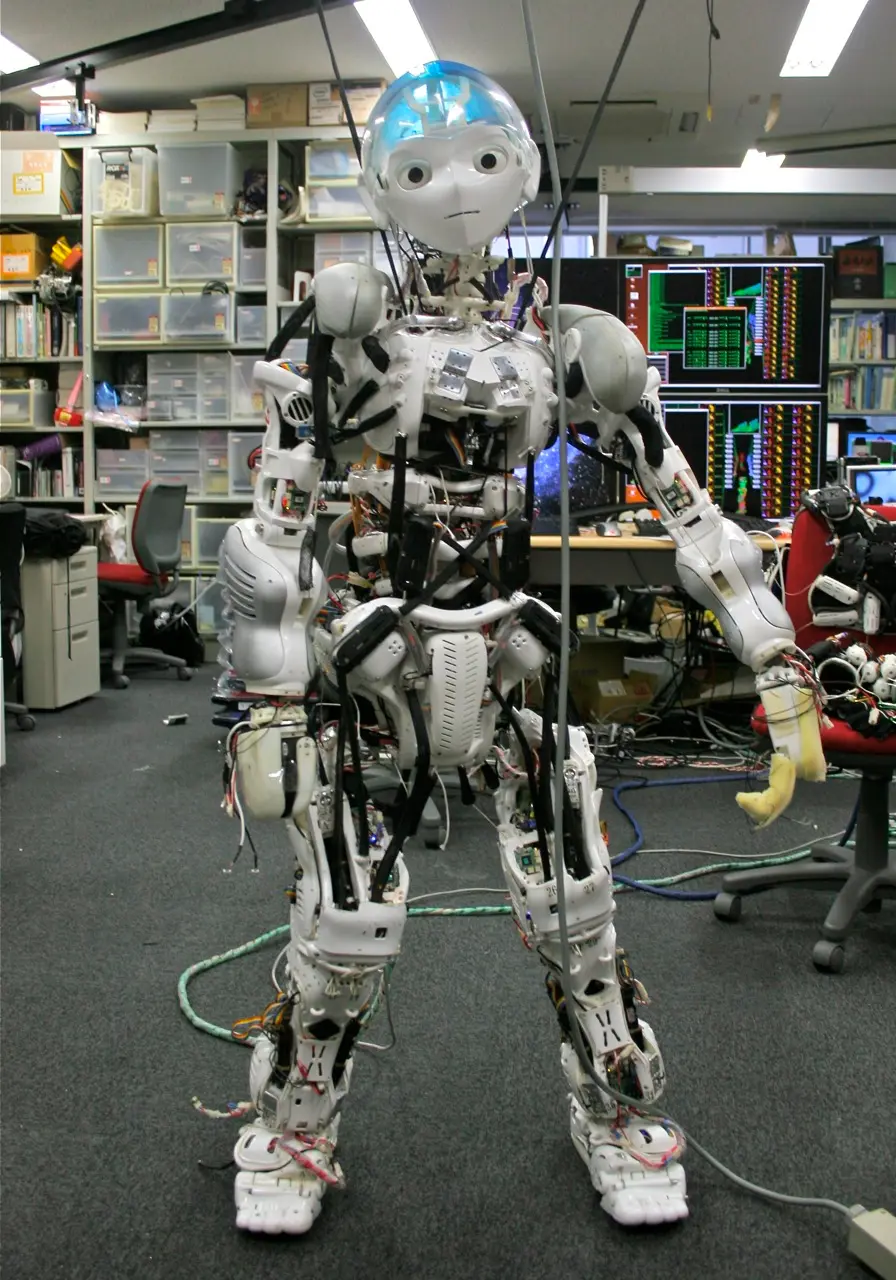
Generative technology can rapidly remix existing data, but it completely lacks true original thought. Careers rooted in authentic human experiences, such as investigative journalism and original artistry, remain highly secure from robotic replacement.
High-Stakes Physical Care
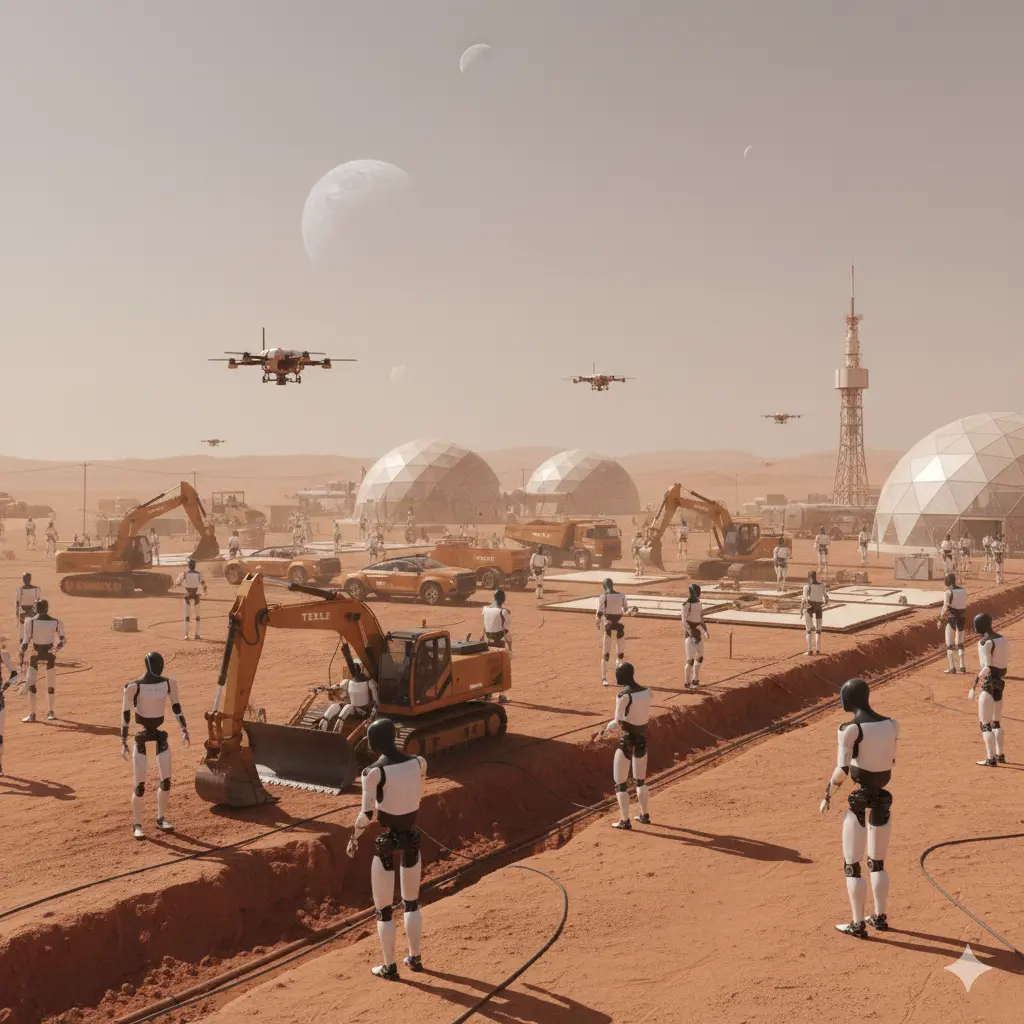
Entrusting vulnerable individuals to heavy machinery carries immense legal and physical risks. Roles like childcare and emergency first response require split-second human judgement that a robot cannot legally or safely provide.
Education and Mentorship
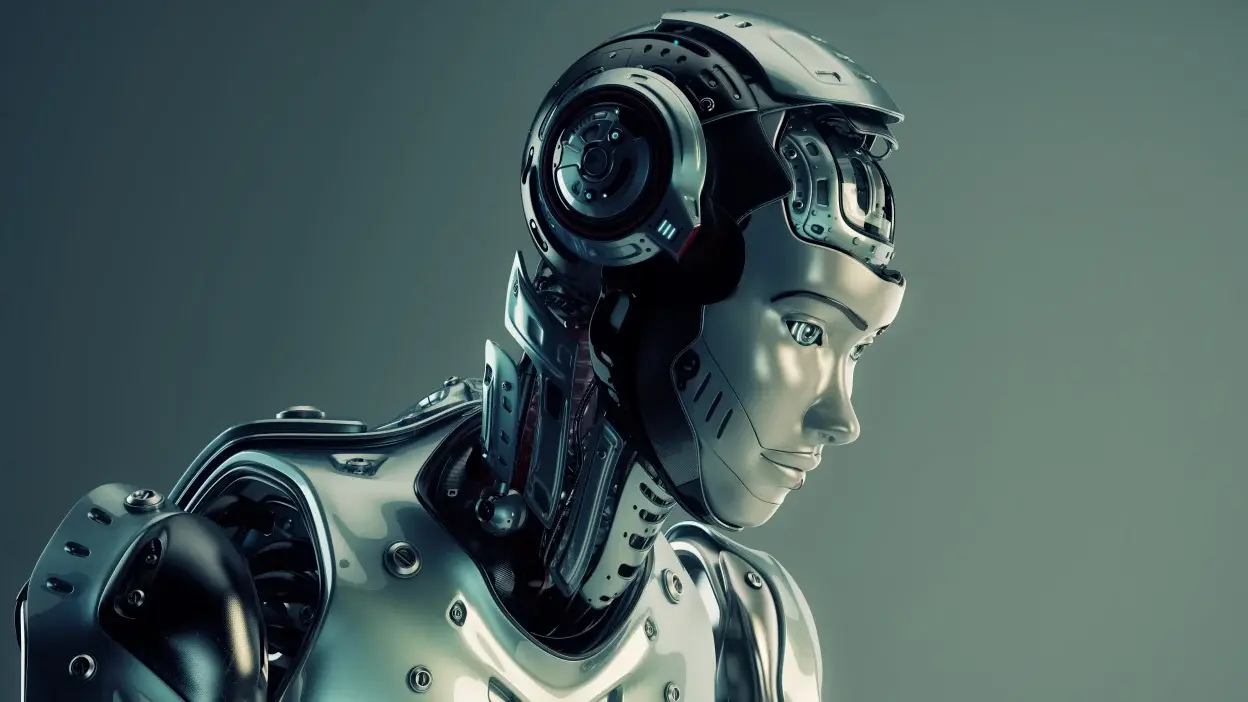
Teaching extends far beyond simply dispensing raw educational information to students. Exceptional human educators must read a classroom's emotional temperature, adapt to distinct learning needs, and provide measured, personalised mentorship.
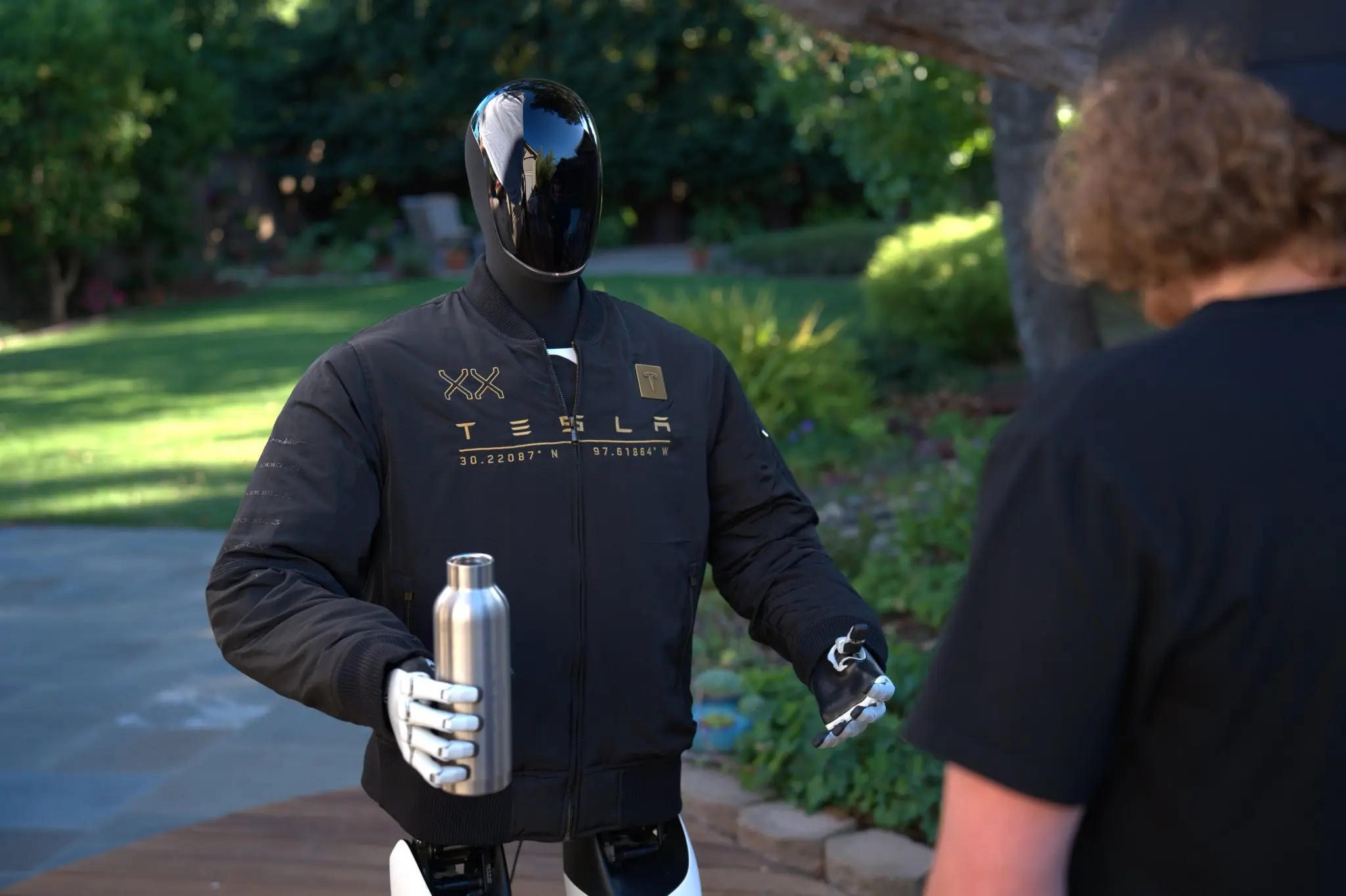
Moravec's Paradox
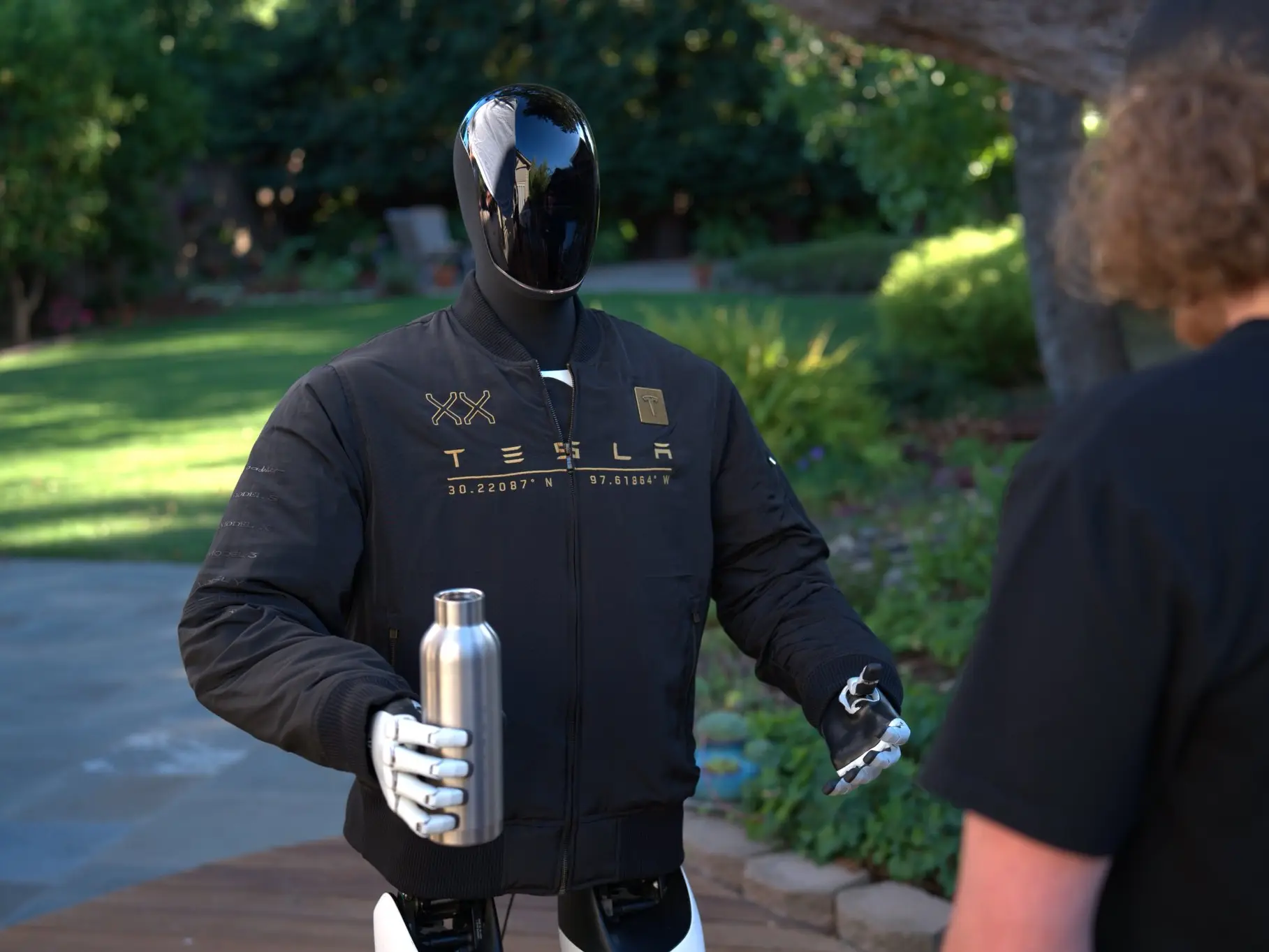
Robotics experts cite Moravec's paradox, proving that high-level reasoning is computationally easy while basic physical skills are incredibly difficult. A multimillion-dollar robot can beat chess grandmasters, yet it will completely fail to safely navigate a cluttered construction site.
)
)
)
)
)