&imwidth=800&imheight=600&format=webp&quality=medium "Bihar Elections 2025 Phase 1: A look back at closely fought contests and key battlegrounds of 2020")
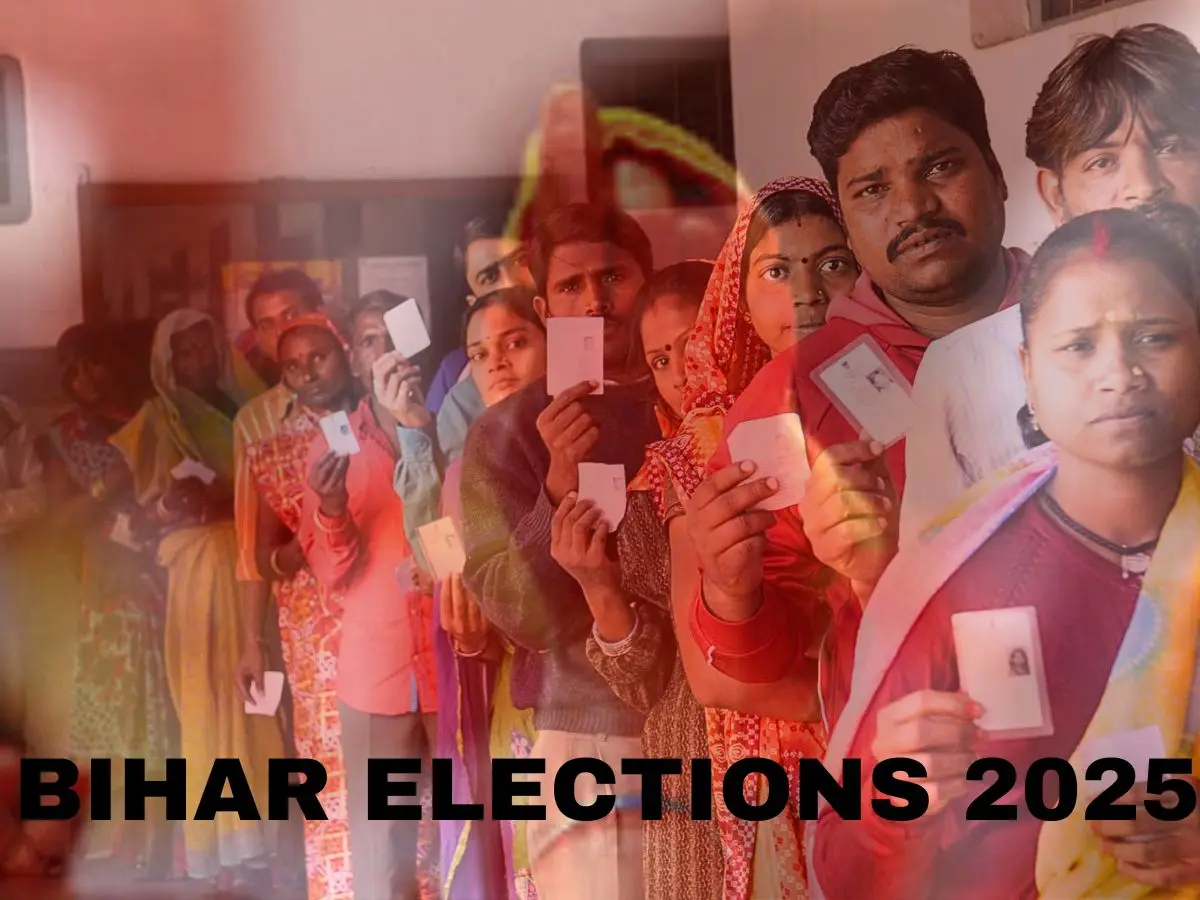
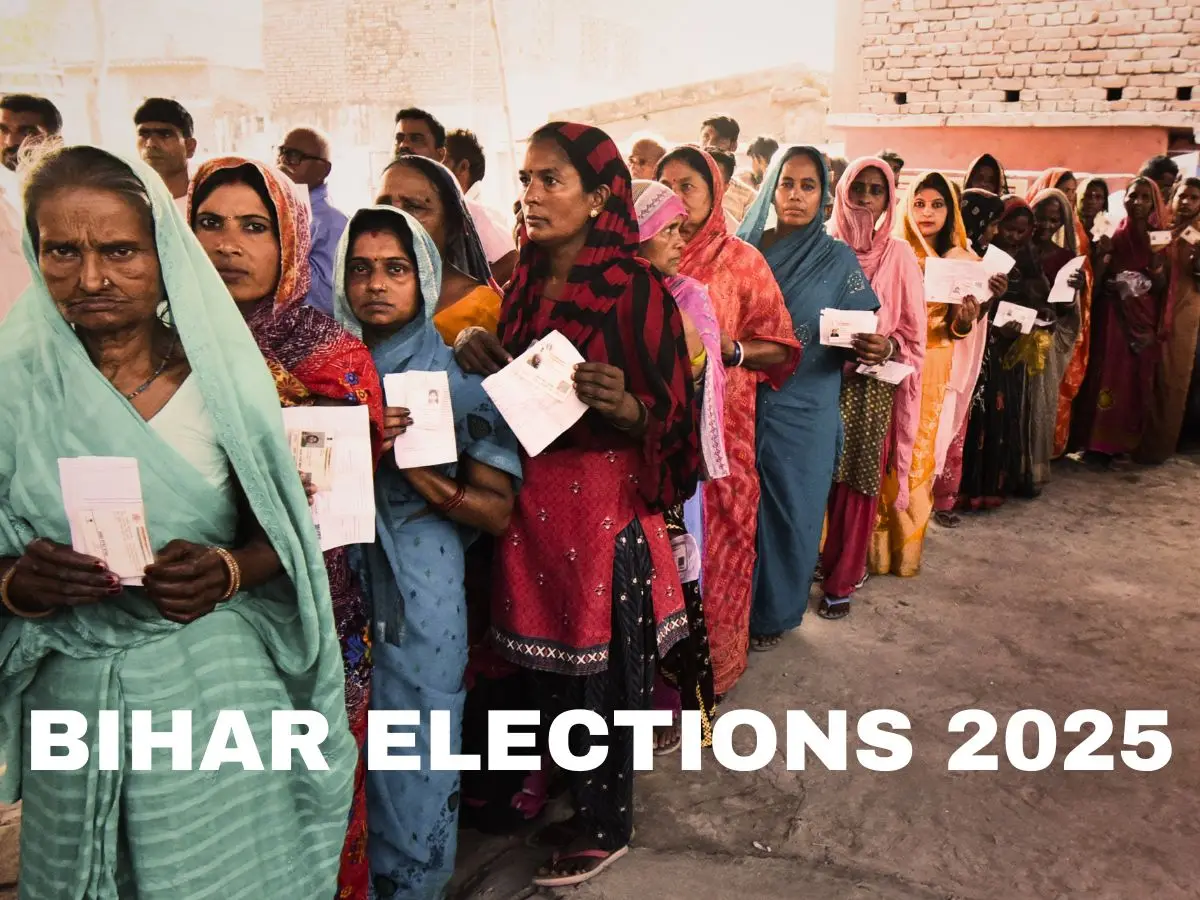
As voting got underway in 121 constituencies in the first phase of the 2025 Bihar Assembly elections on Thursday, political attention once again turned to the seats that defined the razor-thin verdict of 2020. That election was one of the tightest in Bihar’s history, with several constituencies decided by margins of less than a thousand votes, contests so close that a handful of ballots separated victory from defeat.
Narrowest margins, widest implications
In 2020, the Rashtriya Janata Dal (RJD) emerged as the single largest party with 75 seats, followed closely by the Bharatiya Janata Party (BJP) with 74. The Janata Dal (United) [JD(U)] won 43, while NDA allies Hindustani Awam Morcha (HAM) and Vikassheel Insaan Party (VIP) secured four each. Eleven seats across districts such as Nalanda, Muzaffarpur, Gopalganj, Begusarai, Khagaria, Sheikhpura, Kaimur, Rohtas, and Jamui were decided by fewer than 1,000 votes, making them some of the most scrutinised battlegrounds again this year.

JD(U) candidates had the narrowest escapes in four seats, Hilsa, Barbigha, Parbatta, and Bhore, while the BJP managed to hold on to Bachhwara and Bakhri by similarly slim margins. The RJD and the Lok Janshakti Party (LJP) also managed one nail-biting win each. In total, 52 constituencies across the state were decided by fewer than 5,000 votes, according to Election Commission data. Of these, the RJD took 15, JD(U) 13, and the BJP 9.
Constituencies where every vote counted
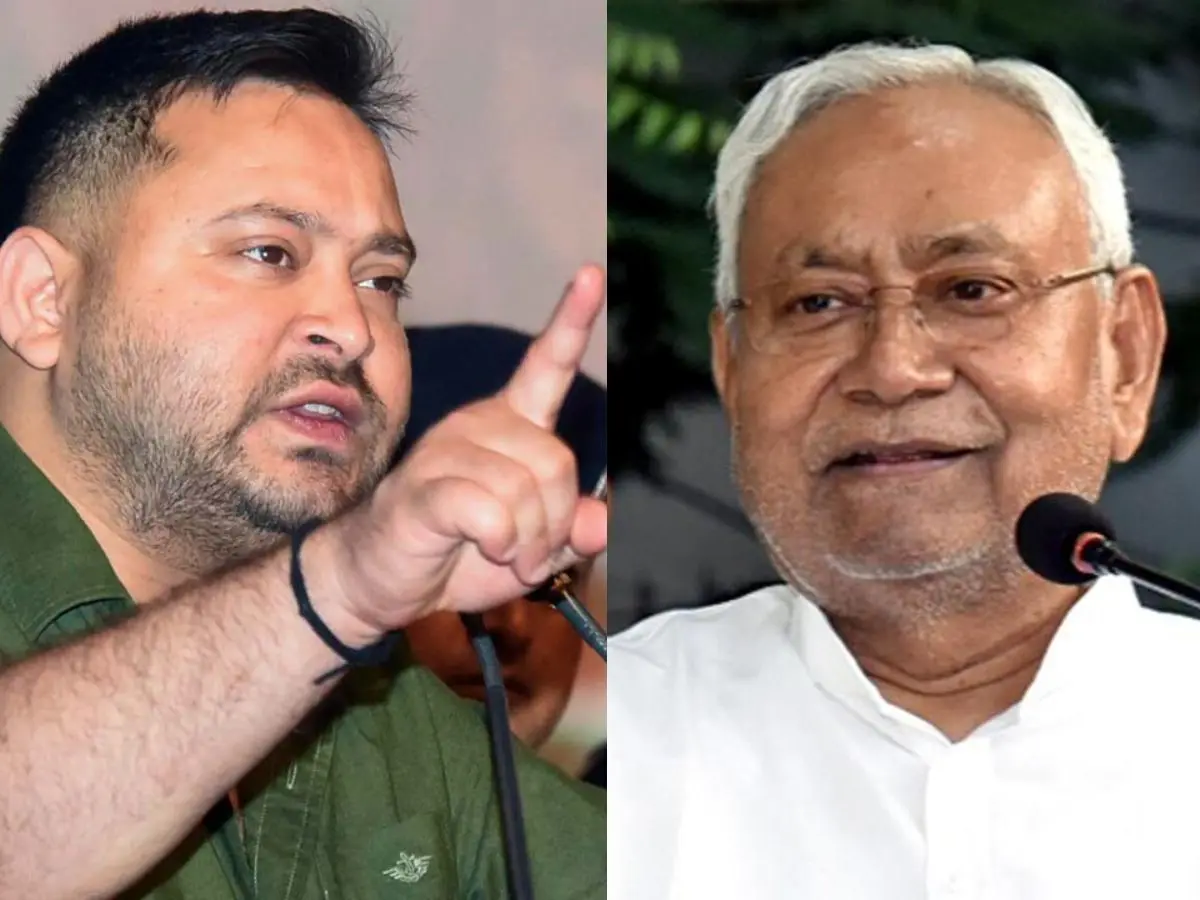
The tightest race of 2020 came in Hilsa, Nalanda, where JD(U)’s Krishnamurari Sharan defeated RJD’s Shakti Singh Yadav by just 12 votes, one of the narrowest margins ever recorded in Bihar. Both contestants are in the fray again this year, keeping the contest under the spotlight, especially as Hilsa lies in Chief Minister Nitish Kumar’s home district.
Trending Stories
)
Trump 2.0: Dark days ahead for America’s ‘imperial presidency’
66 years of the Indus Waters Treaty: How India and Pakistan settled a bitter river dispute
)
Trump defends AI amid growing alarm, announces new 'AI force' and promises an 'AI czar'
)
9 women found dead near Johannesburg: South Africans rally, demand 'enough' to femicide
&im=FitAndFill=(700,400))
How many F-35s does Britain, Japan and Israel have?
)
‘Will go to any extent’: Pakistan vows to defend Saudi Arabia amid Houthi attacks
)
Nigeria: Protesters take to the streets, police fire shots
)
Raphinha hat-trick powers Barcelona to 3-1 win over Sevilla in La Liga
)
US-Iran war: Tehran draws red lines — seven demands before any peace talks
)
Cochin shipyard starts building Indian Navy's next-gen missile vessels
&im=FitAndFill=(700,400))
Meet top 5 Indian batters with fastest T20I centuries
)
Harry Brook targets long reign at top of T20I rankings after Sri Lanka sweep
)
Brigitte Bardot’s private collection set for Paris auction; key items and prices revealed
)
Pak: A series of counter terrorism operations in Khyber Pakhtunkhwa
)
Iran sets 7 conditions to end war with US: What are Tehran’s demands?
)
Pentagon revives mandatory testosterone testing for male troops aged 30 and above
)
Russia extends ban on Western food imports for two more years in extended sanctions countermeasure
)
Flying cars in UAE: Ras Al Khaimah signs deal with Chinese company to test new transport
&im=FitAndFill=(700,400))
Ananya Panday to Sharvari: 5 actresses serving major princess vibes
)
Africa is splitting, and a lot sooner than estimated, giving way to a new ocean
)
Iran rebuilding nuclear facilities? New satellite images show Tehran may be rapidly restoring bombed Parchin base
)
FACT CHECK: Why did PM Modi ask Xi ‘is it okay’ at BRICS Summit? New video reveals...
)
Trump announces ‘AI Force’ as debate grows over AI risks and regulation
)
Tirupati Laddu ghee adulterated with chemicals, says ED, supplier arrested
)
The Verdict | When precision fails: US commits war crime in Minab school strike, UN finds
)
Trump bans CNN, MS NOW and Politico from White House over ‘FAKE NEWS’
)
Mark Carney mimics Trump in hilarious moment over C$70 billion clean-energy investment; room erupts in laughter
)
Gaza under attack: Health chief's son killed in IDF strikes
)
Russia holds first parliamentary elections since the beginning of the Ukraine war
)
China may have gained access to US's classified F-35 jets; parts meant for repairs diverted to Hong Kong, sparking Pentagon inquiry
)
Reacher star Alan Ritchson opens up about alleged blackmail, suicide attempt during difficult period
&im=FitAndFill=(700,400))
‘Not the US or China’: These are the countries leading the world in arable land
)
How did an Australian river with 500 crocodiles pass the Olympic test? Here's how
)
Ed Sheeran addresses Macklemore's removal, Gaza conflict during Philadelphia concert: 'I cannot hide how I feel'
)
Arvind Kejriwal, family members, Delhi CM Rekha Gupta get SIR notices
)
In Sheikhpura’s Barbigha seat, JD(U)’s Sudarshan Kumar won by only 113 votes but was later expelled and now contests as an Independent. His party has fielded Dr Pushpanjay in his place. Begusarai’s Matihani saw LJP’s Rajkumar Singh win by 333 votes; he has since joined the JD(U) and is again a key contender. Another tight finish came in Bhore, where JD(U)’s Sunil Kumar edged out CPI(ML)’s Jitendra Paswan by 462 votes.
BJP’s Surendra Mehta secured Bachhwara by just 484 votes over CPI’s Awadhesh Kumar Rai, while in Bakhri, CPI’s Suryakant Paswan defeated BJP’s Ramshankar Paswan by 777 votes. In Muzaffarpur’s Kurhani, RJD’s Anil Sahni beat BJP’s Kedar Prasad Gupta by 712 votes, though Gupta later reclaimed the seat in a 2022 by-election. Independent Sumit Kumar Singh won Chakia by 581 votes and subsequently joined the JD(U), while in Parbatta, JD(U)’s Dr Sanjeev Kumar beat RJD’s Digambar Tiwari by 951 votes but is now contesting on an RJD ticket.
Battlegrounds that still shape 2025
The narrow victories of 2020 continue to influence Bihar’s political equations. Many of those marginal constituencies are part of the current Phase 1 polling, making them crucial indicators of voter mood. With the same candidates often facing off once more, and margins in double or triple digits last time, even minor shifts in turnout or alliances could alter results.
As the 2025 election unfolds, these finely balanced battlegrounds are expected to test party strategies and voter loyalties alike. If 2020 proved anything, it is that in Bihar, the difference between forming the government and sitting in opposition can come down to just a few hundred votes.