Bihar Election 2025 Phase 1: How a razor-thin 2020 verdict changed the game and why it still matters

As voters queue up once again, it is worth revisiting the dramatic 2020 contest, arguably the closest and most unpredictable in the state’s political history. The verdict that year was decided by the narrowest of margins.
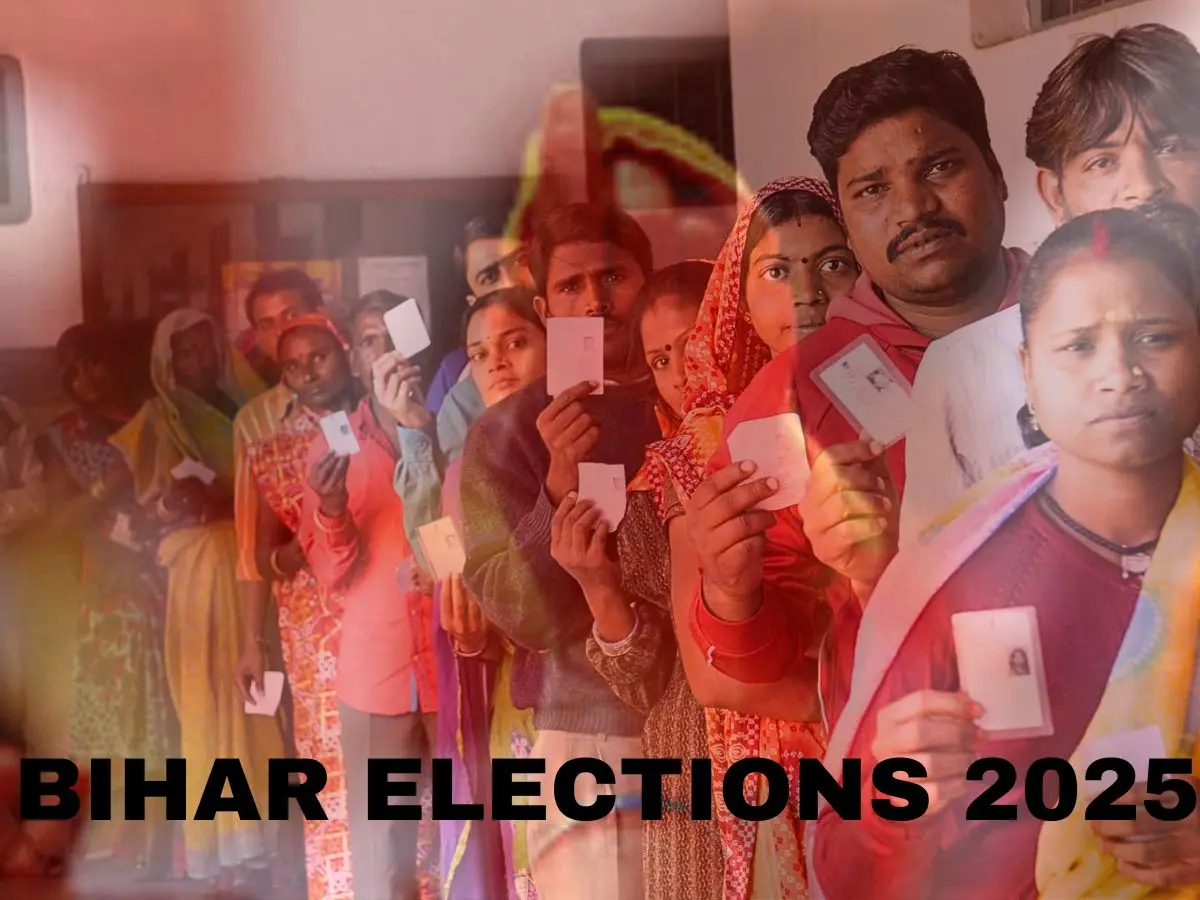
Bihar Elections Phase 1 voting underway
The first phase of the Bihar Assembly elections began early on Thursday, with more than 3.75 crore voters eligible to exercise their franchise across 121 of the State’s 243 constituencies. Polling started at 7 am and will continue until 5 pm at 45,341 polling stations. By 1 pm, voter turnout had reached 42.31 per cent. As voters queue up once again, it is worth revisiting the dramatic 2020 contest, arguably the closest and most unpredictable in the state’s political history. The verdict that year was decided by the narrowest of margins, reflecting both a deep churn in Bihar’s political landscape and the resilience of its regional parties.
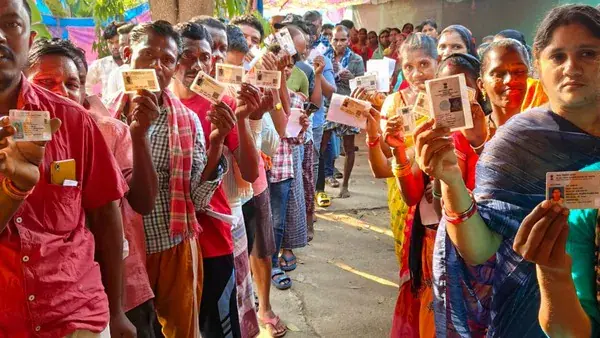
A razor-thin contest in 2020 and a sleepless night of counting
The 2020 Bihar Assembly election was almost a cliffhanger from start to finish. Counting stretched for more than 16 hours, with leads flipping between the two main alliances, the National Democratic Alliance (NDA) and the Rashtriya Janata Dal (RJD)-led Mahagathbandhan (Grand Alliance). When the final tally was declared late on November 10, 2020, the NDA had just scraped through with 125 seats in the 243-member House, three above the majority mark. The Mahagathbandhan finished close behind with 110.
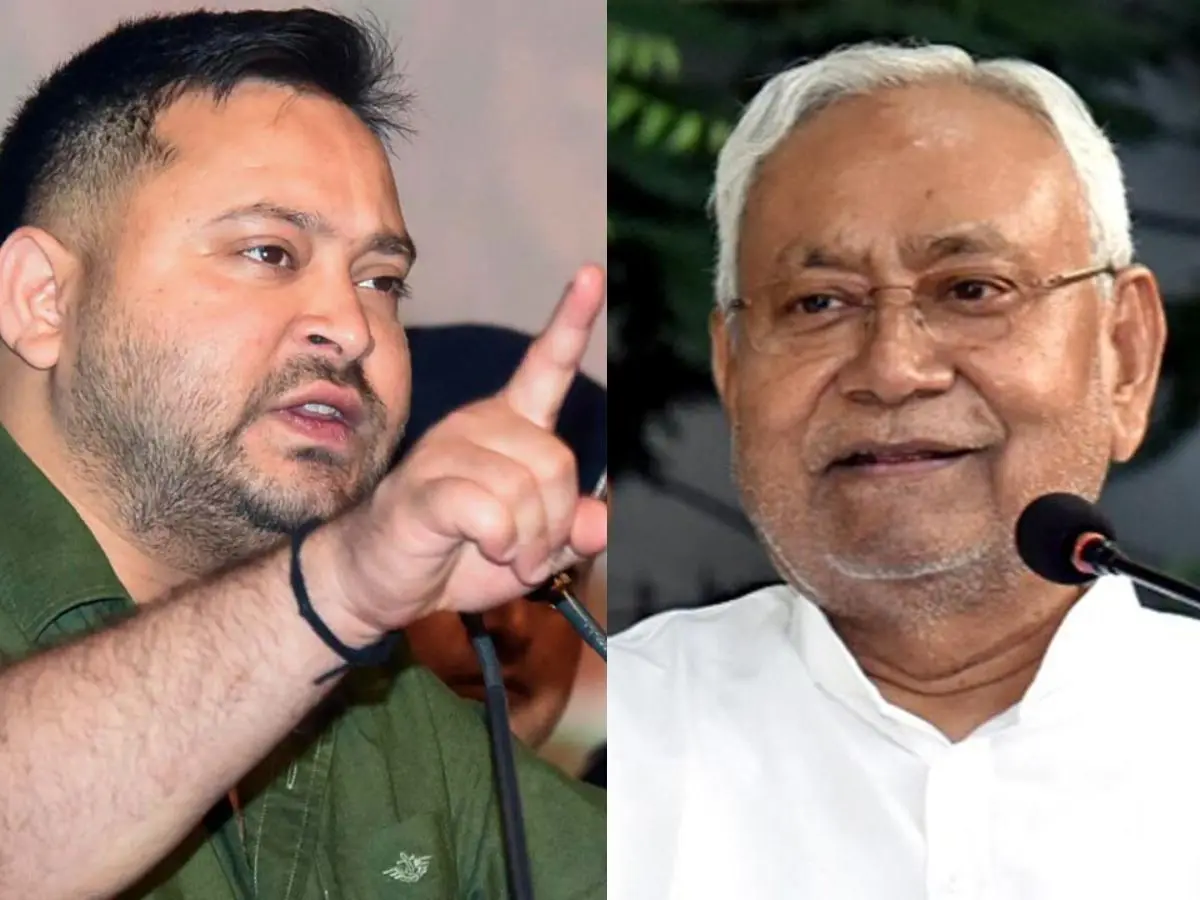
Virtually negligible gap in vote share
In terms of vote share, the gap between the two alliances was virtually negligible, wafer-thin. According to Election Commission data, the NDA secured 37.26 per cent of the votes, while the Mahagathbandhan received 37.23 per cent. The difference amounted to only 12,768 votes out of over 3.14 crore polled, just 0.03 per cent of the total. Nearly one in five constituencies saw a victory margin of less than 2.5 per cent, the highest proportion of closely fought seats in Bihar’s electoral history.
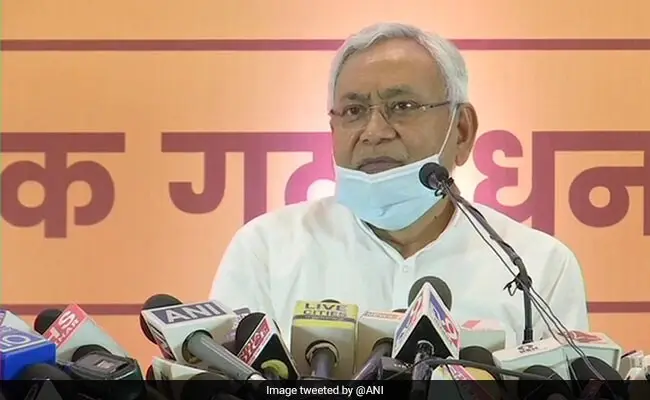
The shifting balance within the NDA
Within the ruling alliance, the power equation underwent a significant shift. The Bharatiya Janata Party (BJP) emerged as the dominant partner, winning 74 seats, its best-ever performance in Bihar Assembly elections, while Nitish Kumar’s Janata Dal (United) [JD(U)] slumped to 43, down sharply from 71 in 2015. The JD(U) bore the brunt of anti-incumbency and the challenge posed by Chirag Paswan’s Lok Janshakti Party (LJP).

LJP and its role
Although the LJP won only one seat, it contested in 137 constituencies, most of them against the JD(U), and is estimated to have damaged Nitish Kumar’s prospects in at least 30. The BJP’s quiet understanding with Paswan was widely seen as a tactical move that reshaped Bihar’s coalition politics. Still, despite the reduced mandate for his party, Nitish Kumar returned as Chief Minister for a fourth consecutive term, backed by the BJP, which appointed two Deputy Chief Ministers in the new cabinet.

Tejashwi Yadav’s emergence
For the RJD-led opposition, 2020 marked a generational transition. Tejashwi Yadav, then 31, led an energetic campaign focused on unemployment and governance. His party emerged as the single largest in the Assembly with 75 seats, one ahead of the BJP. His strong performance revived the RJD’s fortunes and signalled the consolidation of a younger voter base, despite the 'jungle-raj' reputation of RJD in the state.
Role of smaller parties
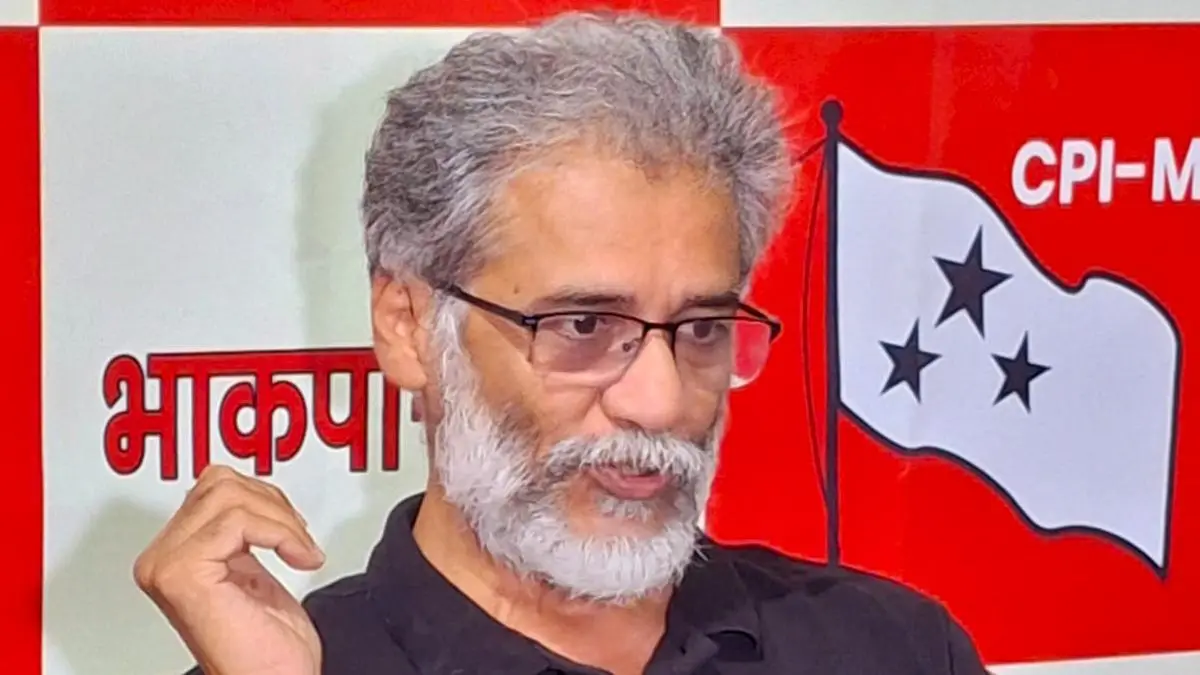
Smaller parties played a consequential role in the final outcome. The Left parties, contesting in alliance with the RJD, made notable gains, the CPI(ML) won 12 seats, while the CPI and CPI(M) secured two each. Asaduddin Owaisi’s AIMIM made a surprise entry with five wins in the Seemanchal region, while the BSP and HAM(S) opened their accounts with one and four seats respectively.
What the 2020 cliffhanger means for 2025
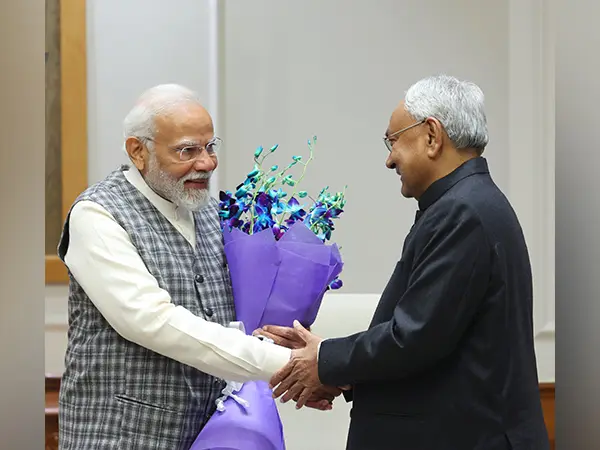
The 2020 results left Bihar’s politics delicately poised. The wafer-thin victory of the NDA underlined voter fatigue with incumbency but also reflected the opposition’s inability to translate discontent into decisive advantage. As voters return to the booths in 2025, the echoes of that election remain strong, fragmented mandates, multi-cornered contests, and a continuing tug-of-war between Nitish Kumar’s pragmatism and Tejashwi Yadav’s resurgence. In Bihar’s electoral theatre, margins may be narrow, but their implications are vast.
)
)
)
)
)