Bhupen Hazarika's political melody

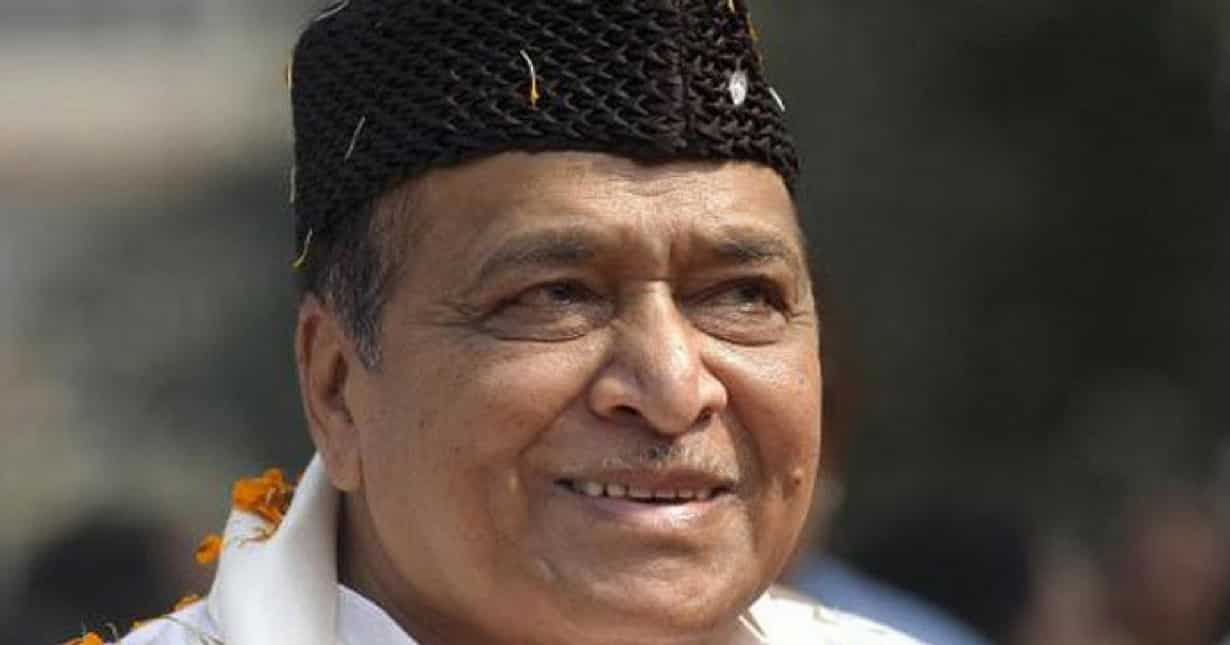
Bhupen Hazarika
Through his musical composition, Bhupen Hazarika played a key role in sweeping aside the impersonal genre of music devoid of social consciousness that had been prevalent before the formation of IPTA.
One had totravelthrough rural Assam’s greenery and at that very instant listened to Bhupen Hazarika singing somewhere around to appreciate what Gulzar meant when he said Assam’s nature oozes through Bhupenda’s voice. A particular combination of opulent tenderness, seductive nasality and inexhaustible vocal melody, not uncommon among Assamese folk singers, assumed a different proportion in Bhupen Hazarika through his specific style of singing. What factors contributed to acquiring that style will require a different space for fuller discussion, but certainly, his years of training as an activist/singer/composer in the IPTA was one of the most important ones among them.
Sudakshina Sharma - Queen as she is lovingly called - Bhupen’s sister and a veteran singer gave me an interview in which she reminisced about his initial years as an IPTA activist: "When Bhupenda returned from America – that was way back in 1953 - Hemango-da (Hemango Biswas) brought him into the fold of the IPTA. Hemango--da was by then one of the chief organisers of Assam IPTA and he was quite close to our family which has always been a family of singers and musicians.
We used to live in Kharghuli - up in the hills - where Hemango-da was a regular visitor. Bhupenda and Hemango-da travelled together to distant places in Assam for organisational work. I remember once while returning from such a place halfway through they realised they had not a single anna left.The evening was descending, at a corner of a street they started singing impromptu, you can understand the effect of these two voices singing together. After they finished, people from the crowd started giving money to them thinking they were a group of itinerant street musicians. Whatever they gave was sufficient for the team to get back to Guwahati."

It was much before that that Bhupen came into contact with Jyotiprasad Agarwal and Bishnuprasad Rava, doyens of Assamese culture and the two most important names of the Assam IPTA. Jyotiprasad made him sing in his film Indramalati (1939) when he was just 12 years of age.When Bhupen Hazarika returned from America, upon finishing his Ph.D., Jyotiprasad had passed away. But IPTA by that time went from strength to strength in Assam, after its first and second conference in Silchar (1947) and Dibrugarh (1949) respectively.
)
Trump-Xi Summit: Trade, Taiwan and the red lines shaping US-China talks | Race To Power
)
US citizen injured in Illinois after ICE agents mistook him for fugitive, hospitalised
)
US judge questions Trump’s decision to ban CNN, MS NOW and Politico from White House
)
Afghan woman cyclist who disguised herself as a boy to escape Taliban, wins Asian Games medal
)
'There will be elections': Venezuela's interim leader Delcy Rodriguez makes big announcement at UN
)
IIT Bombay CCTV footage emerges: Sahil Wakode seen looking at phone in examination hall
)
Cyclone Arnab: Landfall expected before midnight tomorrow as IMD issues orange alerts across six states
)
9 killed, several injured as tourist bus catches fire on Yamuna Expressway
)
NBA player Steven Adams shares hilarious GTA VI theory
)
WION Iconic Tourism Summit 2026: Union Minister Shekhawat on 'experiential travel', peace diplomacy
)
ICC plans T20I expansion and fewer ODIs in 2027–2031 FTP cycle: Report
)
'AI got into my speech': Prince Harry jokes after teleprompter failure at event in New York
)
Scientists detect first radio signals directly from faraway planet
)
China to test supersonic jet that moves at Mach 2, double the speed of sound
)
WION Iconic Tourism Summit: 'Hanuman Ansh' Director on blockbuster success
)
Open AI, Anthropic CEO urges caution over rapid AI development at UN Security Council, call for 'extreme care'
)
Bomb scare in New York amid UNGA: Suspicious suitcase found near UN headquarters
)
Hours before Xi-Trump meeting, US announces visa curbs targeting birth tourism: What is it?
)
'Partners rather than rivals': Xi Jinping's first message after landing in US for Trump summit
)
WION Iconic Tourism Summit: Is India's travel boom outrunning its airports, airlines and hotels?
)
WION Iconic Tourism Summit and Awards 2026: Key voices to discuss India’s tourism future
&im=FitAndFill=(700,400))
New OTT releases this week (September 21-27, 2026): Shaque: Trust No One, Hunkkaar, Don’t Be Shy- 5 new titles coming to Netflix, Prime Video and more
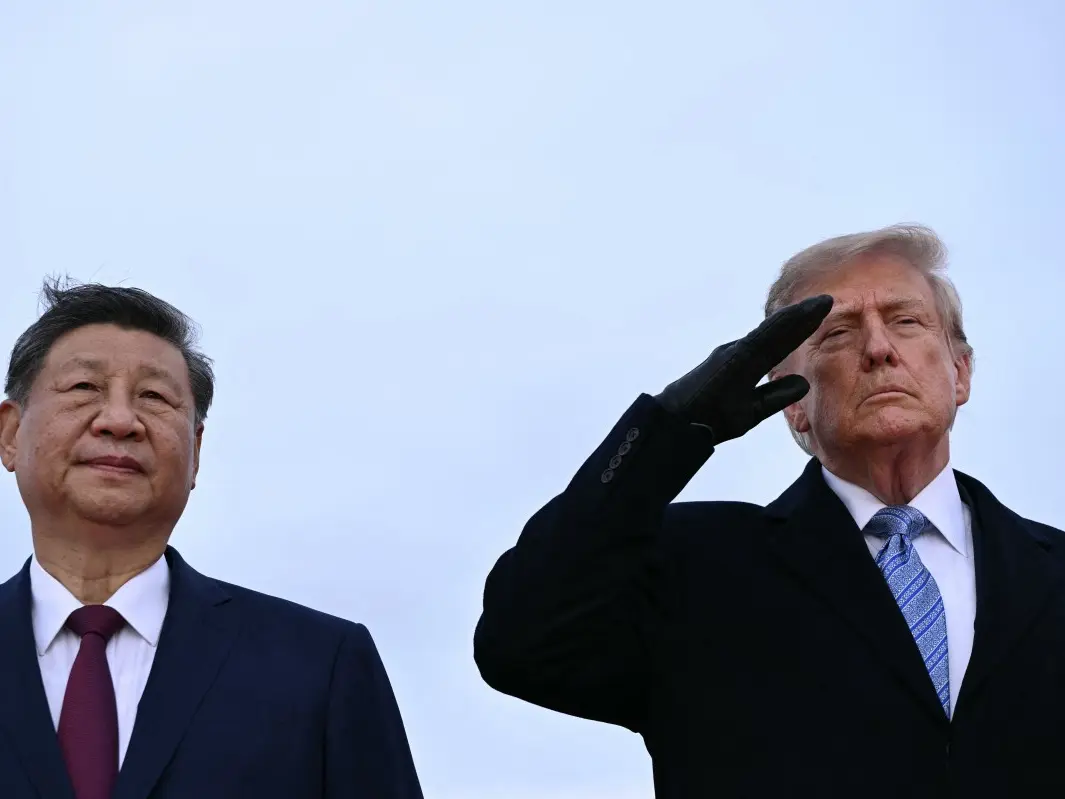)
WATCH | China President Xi Jinping lands in US as Trump greets him ahead of high-stakes summit
)
Australian PM Anthony Albanese calls OpenAI AI incident 'unacceptable' after restricted data access
)
'What kind of confession is this?': Pakistan PM Shehbaz Sharif’s 'terrorists would be roaming New York' remark goes viral, raises alarm online. Watch
)
WION Iconic Tourism Summit: How local tourism MSMEs must upskill for AI integration
)
Eight USS Abraham Lincoln sailors attempted suicide, Acting Navy Secretary says
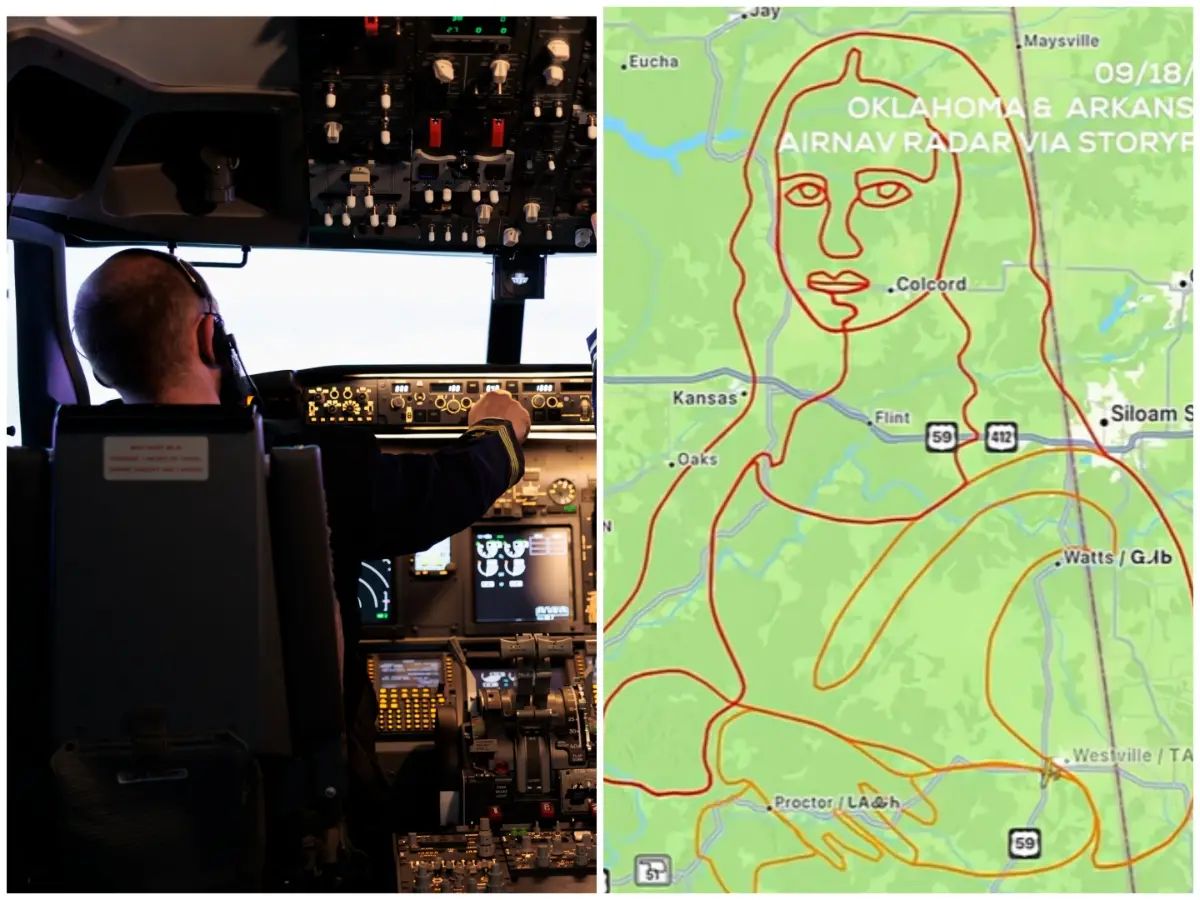)
Pilot recreates Mona Lisa in sky over Oklahoma and Arkansas in four-hour flight: VIDEO
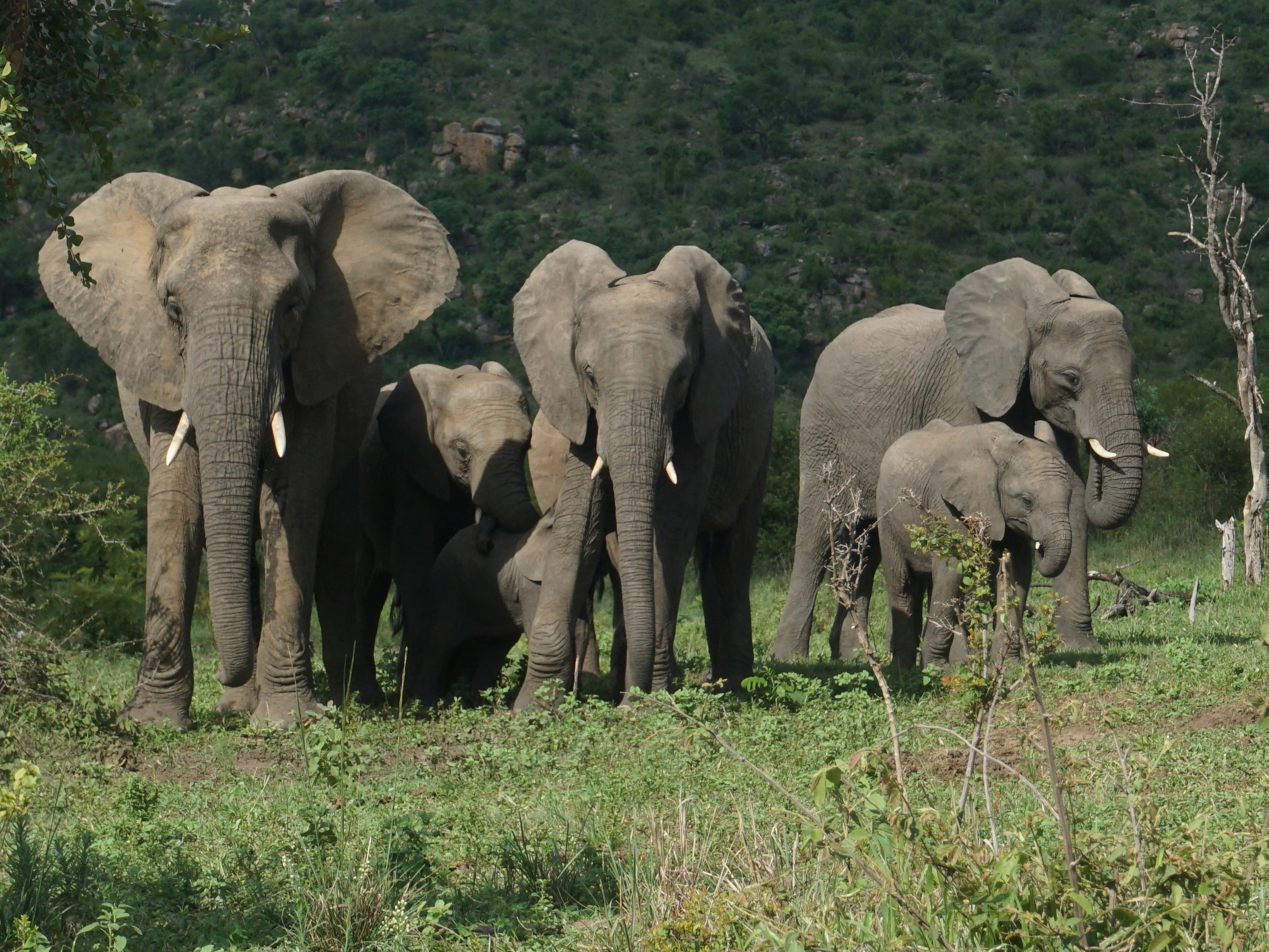)
Elephants hide behind trees, stage surprise attack on poachers targeting rhinos in South Africa
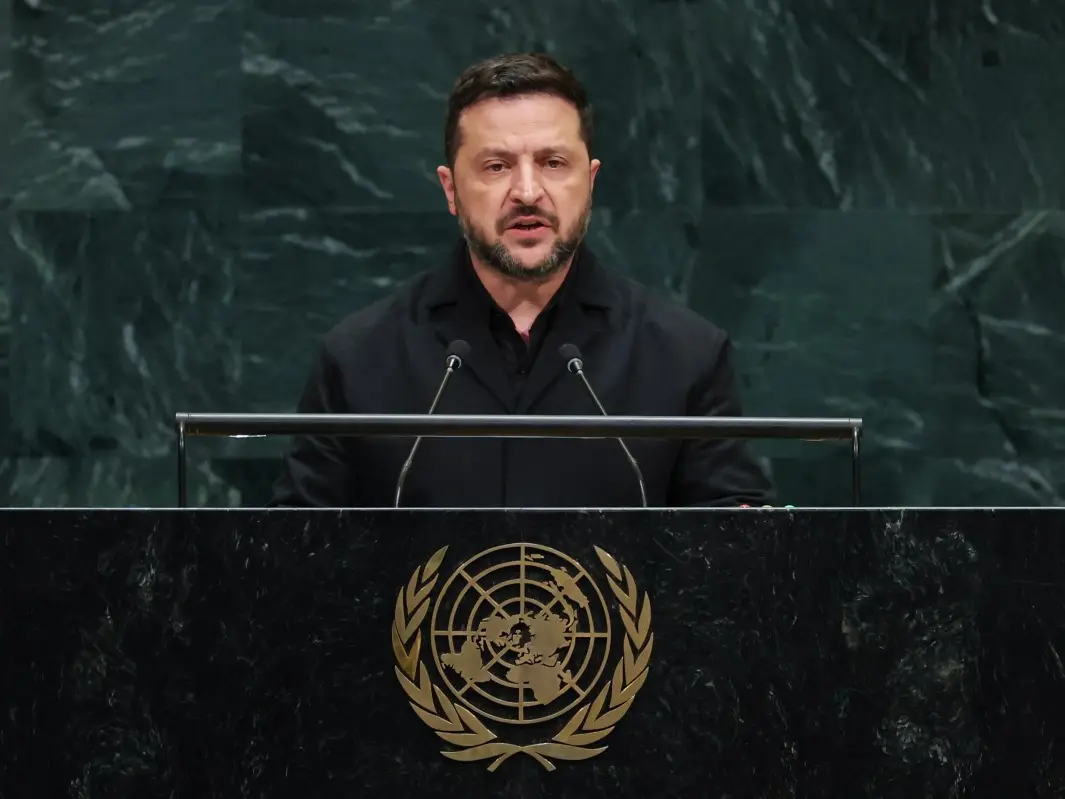)
'Putin is patient zero': Zelensky slams Russian president at UNGA, accuses him of using fighters from 47 countries
&im=FitAndFill=(700,400))
National Film Awards 2026: Kartik Aaryan, Mammootty, Yami Gautam, Randeep Hooda and other key winners
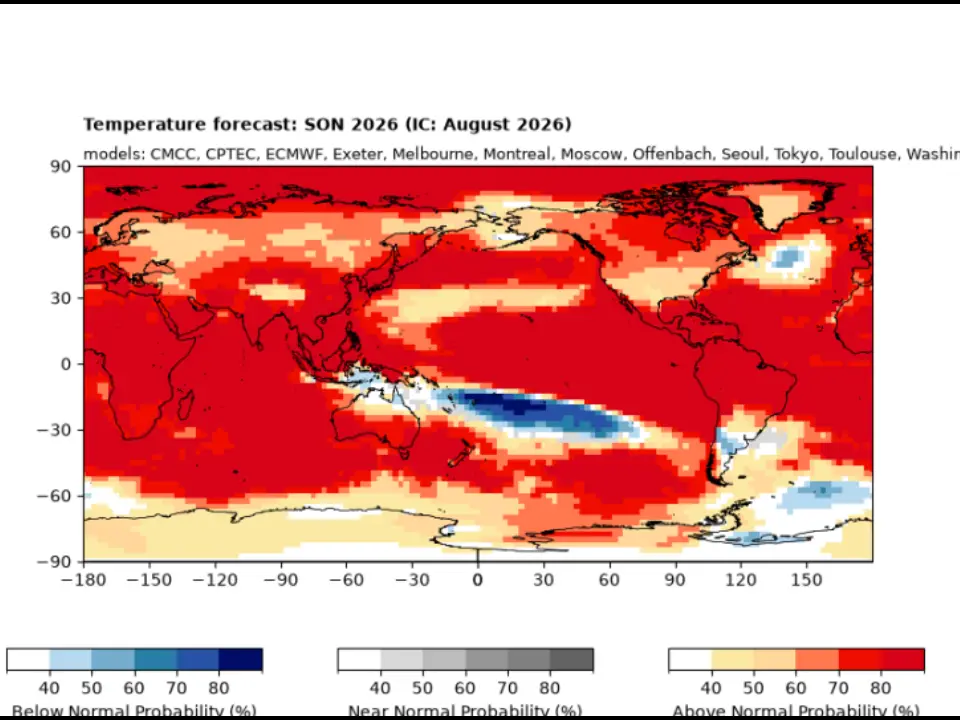)
El Niño 2026 heats up to become strongest in 1,000 years
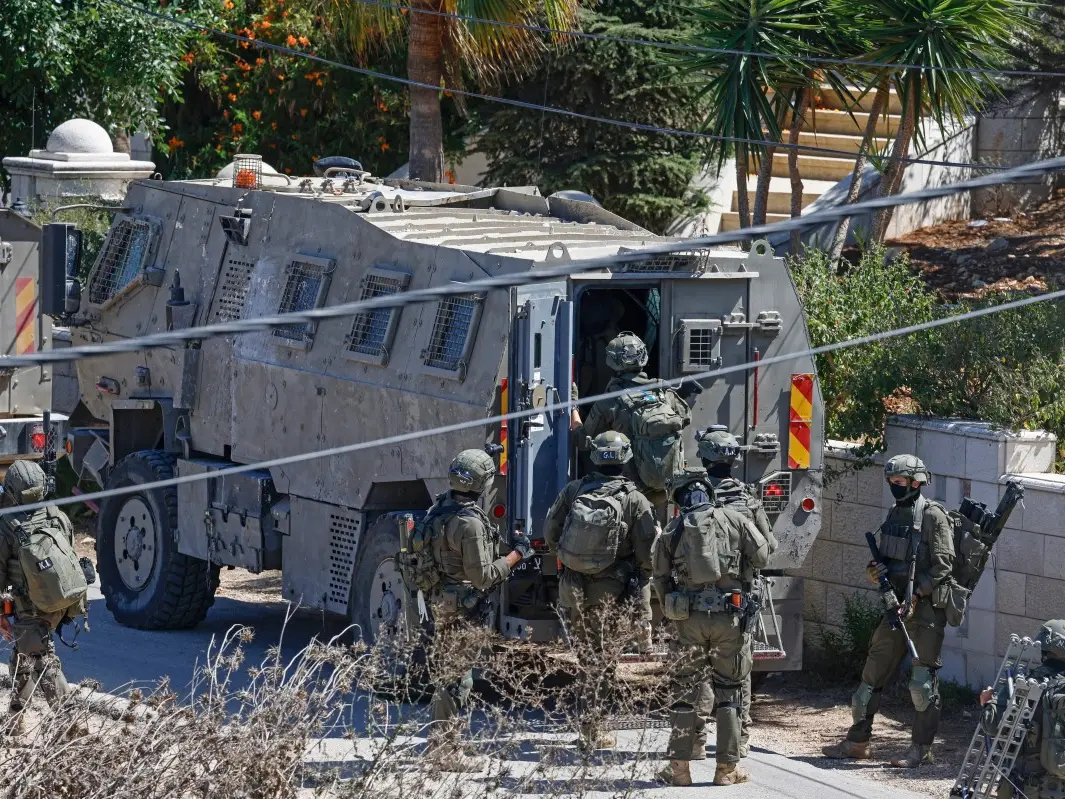)
Israeli envoy to US Yechiel Leiter’s son critically injured in West Bank ramming attack
&im=FitAndFill=(700,400))
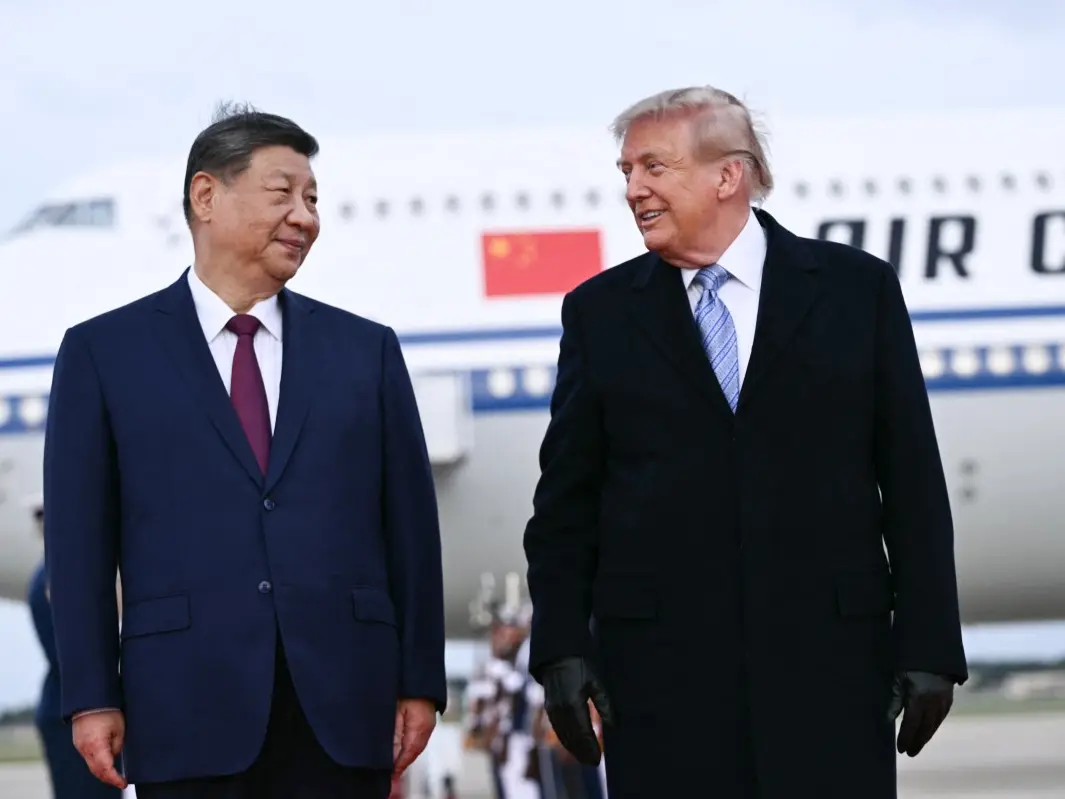
Trump welcomes Xi Jinping in rare airport gesture: Photos from Chinese President's arrival in US
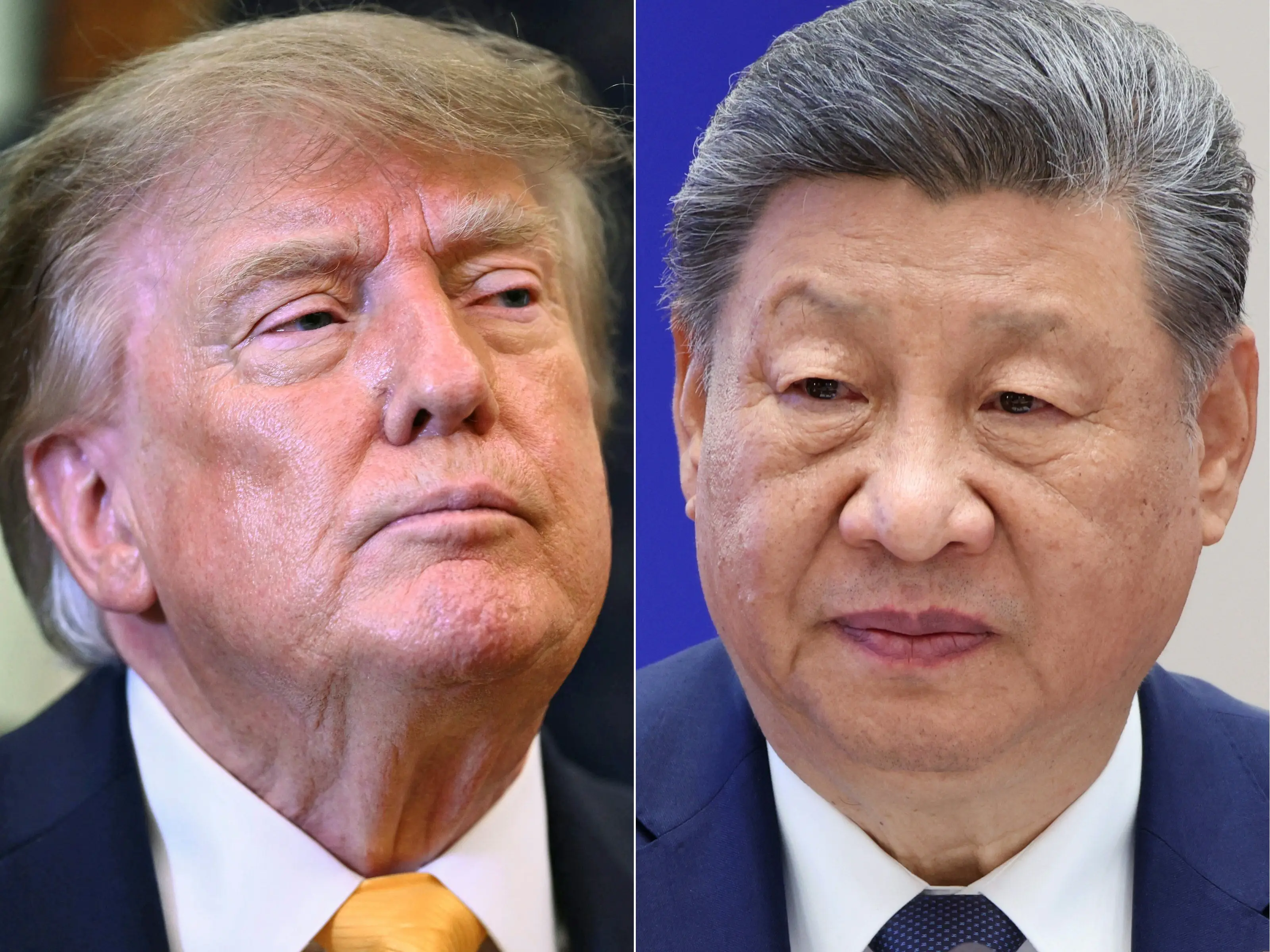)
Xi-Trump meeting: China’s human rights red line and past protests explained
IPTA was the first organisation that spoke about the need of highlighting the syncretic nature of its culture in a multi-ethnic and multi-lingual state like Assam. In the first conference in Silchar, the two hundred odd representatives who participated consisted of artists from Tripura hill tracts, Jayantiya, Bodo, Manipuri, Dimasa - Kachhari, Miri and other ethnic communities along with Bengalis, Assamese and tea- plantation labourers.
IPTA in Assam held on to this tradition and to the spirit of the draft proposal that declared that it is meant to be a platform where every ethnicity is part of a larger collective in which it contributes voluntarily, knowing that its own cultural distinctiveness will not be compromised or co-opted in the process.
Many people have discussed at length how Bhupen Hazarika was influenced by Paul Robeson whose acquaintance he made during his stay in the USA as well as by Pete Seeger’s protest songs. The initial years when Bhupen started composing songs for the IPTA, certain signs of their influence were undoubtedly pronounced. And yet, theway he used Assamese traditional music (Bihu, bangeet, borgeet or jhumur) at that point and throughout his later life was something extremely unique.
He could pull off a melodic structure with major notes and a strong rhythmic pattern like ‘Nami Axa’ and another with predominantly minor notes and zero or soft rhythm like ‘Haradhon Rongmon katha’ (co-composed with Hemango Biswas) with equal ease and elegance. Even when one keeps in mind the rich oeuvre of Jyotiprasad, Bishnu Rava, Parbatiprasad Barua or Anandiram Das whose pioneering creations influenced IPTA artists in composing their own, it is not difficult to see why Bhupen Hazarika’s place in Assamese modern music is still singular on many counts.
As Hemango Biswas writes, ‘ In the musical milieu of Assam, IPTA ushered in a new legion of songs about life and revolution.In this work, the musical tradition of the revered Jyotiprasad was our chief inspiration. Works of our folk composer Anandiram Das, the late Hemen Thakur and later those of Abdul Malik helped us. But the true architect of this genre was DrBhupen Hazrika. The ordinary lives of Assam like that of the lumberjacks, the stone breakers, the train drivers, tea-plantation worker Jagnu, farmer Rongmon, weaver girl Rodoi and palanquin bearer Dolabhari - these characters succeeded in sweeping aside the impersonal genre of music devoid of social consciousness that had been prevalent thus far.
Newer expressions and styles made their presence felt in the creation of the tunes. The local musical form remained intact, but its narrow structures were broken down in a fresh attempt to showcase a new reality. Numerous songs of the IPTA spread to various cities and villages. This metamorphosis in Assamese music is a widely acknowledged fact today’.
Nothing perhaps better describes how in Bhupen Hazarika such diverse musical styles had found their easeful co-existence beyond the usual divides of traditional, modern, eastern or western forms. As a singer, his internalisation of this was so complete that anything that he performed: From kamrupi folk to bangeet, from ‘sa banuar geet’ (tea- plantation songs) to Bihu, from lullabies to protest songs – he seemed to be a natural denizen of all the territories he travelled.
It is true that Bhupen Hazarika’s political views took a significant turn in his later life and in many ways he became the cynosure of conservative politicians of different hues. We should add to it our collective misfortune that there is no dearth of politicians in this country who can appropriate a cultural capital towards a political end and turn it to material/ military/ electoral gain- a very recent example would be the inauguration by the political who’s who of the Bhupen Hazarika Bridge in Assam which is supposed to be the longest bridge in India (not undisputedly, though).
But because of this very reason, it seems all the more necessary to document Bhupen’s immense contribution to the leftist cultural movement in India – his long and hard creative years in Assam, Bengal and outside of those before he finally moved to Bombay. Perhaps we got to remind ourselves now that that period also coincided with the genesis of many of his greatest creations the history of which needs to be written urgently.