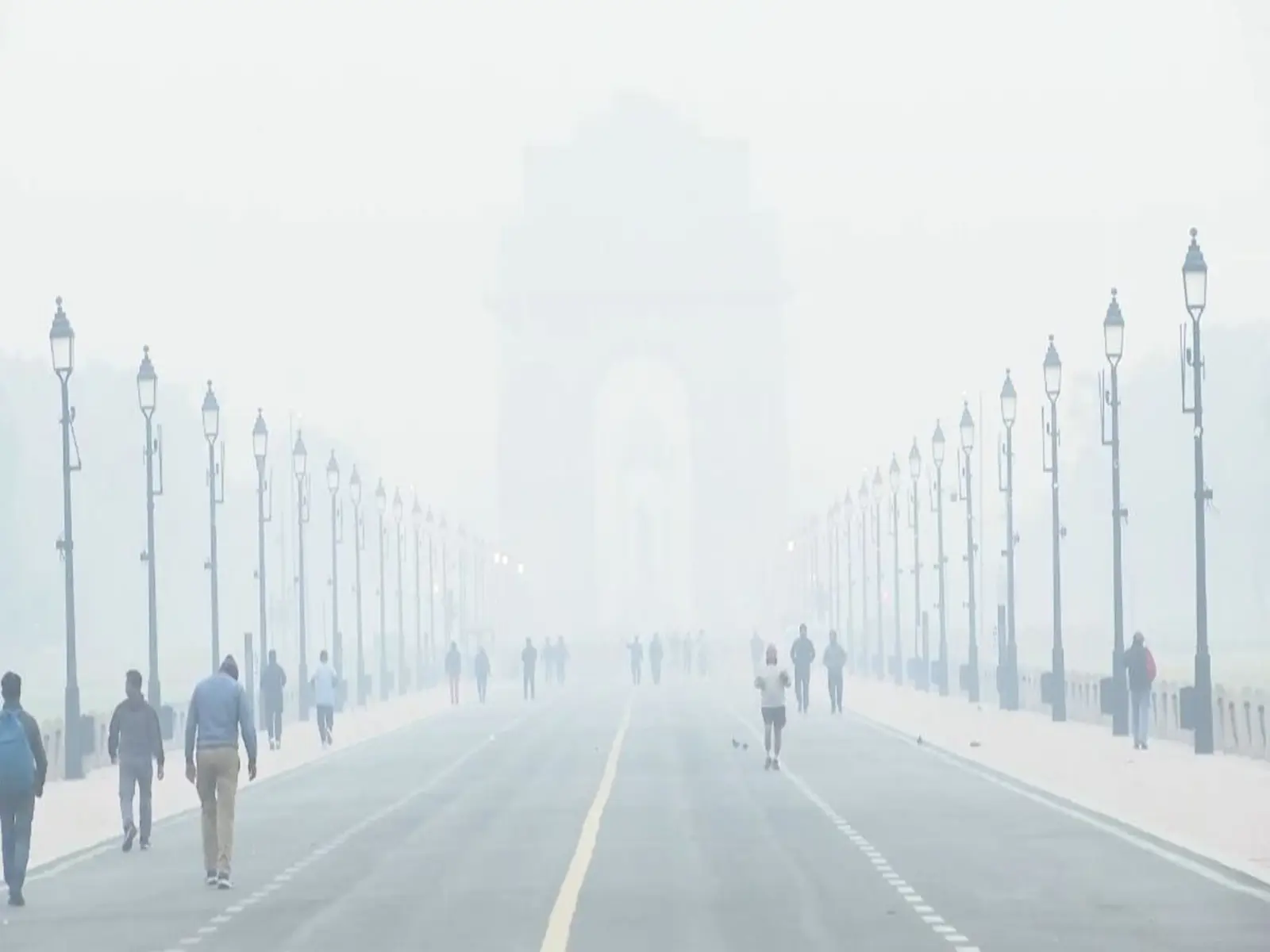
Air Pollution: SC refuses blanket restrictions, Seeks Delhi govt affidavit on AQI monitoring equipment amid data manipulation charges

&imwidth=600&imheight=450&format=webp&quality=medium "Air Pollution: SC refuses blanket restrictions, Seeks Delhi govt affidavit on AQI monitoring equipment amid data manipulation charges")
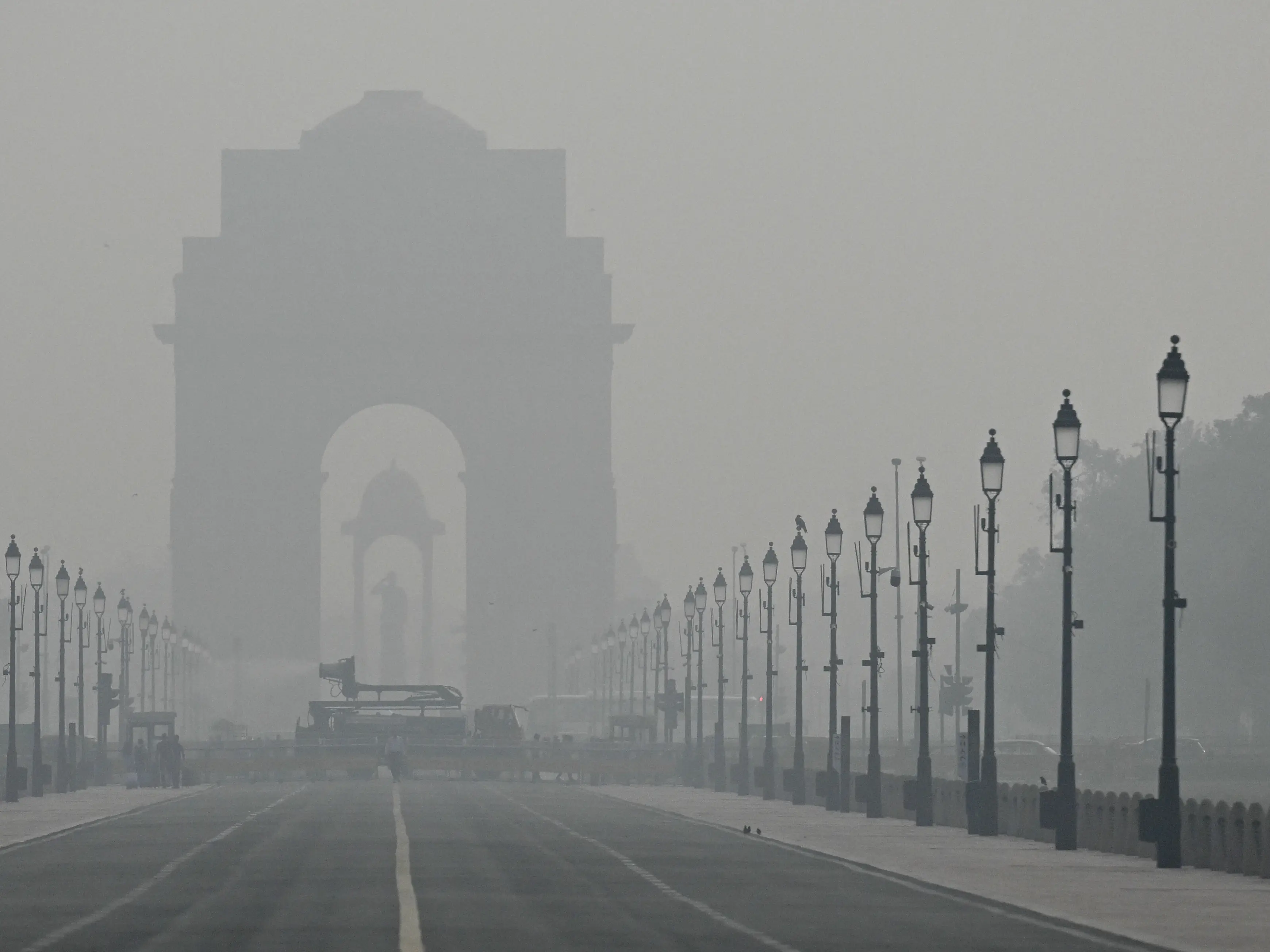
Public Works Department (PWD) workers spray water using an anti-smog gun to curb air pollution amid smog at India Gate in New Delhi Photograph: (AFP (File Photo)
Supreme Court seeks details on Delhi’s AQI monitoring equipment amid manipulation charges, Centre argues tools used in Capital are among the best in the world.
The Supreme Court on Monday (Nov 17) asked the Delhi government to submit an affidavit describing the type of equipment used for air quality index (AQI monitoring and its effectiveness. The apex court also declined to put severe restrictions like a year-round construction ban or curb on vehicular movement in Delhi-NCR, remarking that the Capital "cannot be brought to a standstill" in the name of fighting air pollution.
A Bench led by Chief Justice of India BR Gavai issued the direction to the Delhi government while hearing a petition concerning stubble burning and its impact on pollution levels in Delhi–NCR.
During the hearing, amicus curiae Senior Advocate Aparajita Singh cited reports and videos alleging that water is being sprinkled near AQI monitoring stations, potentially manipulating data. Moreover, she argued that the equipment used by authorities to measure Delhi's pollution levels is outdated and inadequate.
Additional Solicitor General Aishwarya Bhati, appearing for the Union government, argued that devices used in the Capital were state-of-the-art and "among the best used worldwide."
On the matter of Severe restrictions to tackle pollution, the bench, also comprising Justices K Vinod Chandran and NV Anjaria “We have to also think of migrants from Bihar and Uttar Pradesh who are here to work and are daily wagers. The solution proposed cannot be worse than the problem.”
Trending Stories
)
)
)
)
)
)
)
)
)
)
)
)
)
)
)
)
)
)
)
)
)
&im=FitAndFill=(700,400))
)
)
)
)
)
)
)
)
&im=FitAndFill=(700,400))
)
)
&im=FitAndFill=(700,400))
)
The court was reviewing several petitions related to NCR’s persistent air pollution crisis, even as the Capital’s air quality dipped again into the “very poor” range and is projected to reach the “severe” level between November 17 and 19. Since November 11, the Graded Response Action Plan (Grap) has been in Stage III, resulting in a halt on non-essential construction, curbs on high-emission activities, and stricter monitoring of industrial operations.
Rejecting Sankaranarayanan’s plea that the court “take a bold decision” and shut all activities permitted even under Grap-I throughout the year, the bench said such extreme steps were neither contemplated under the regulatory framework nor constitutionally manageable.