Trump welcomes Xi Jinping in rare airport gesture: Photos from Chinese President's arrival in US

Trump personally welcomed Xi Jinping at Joint Base Andrews, setting the stage for a high-stakes US-China summit on trade, AI, Iran, Taiwan and strategic stability
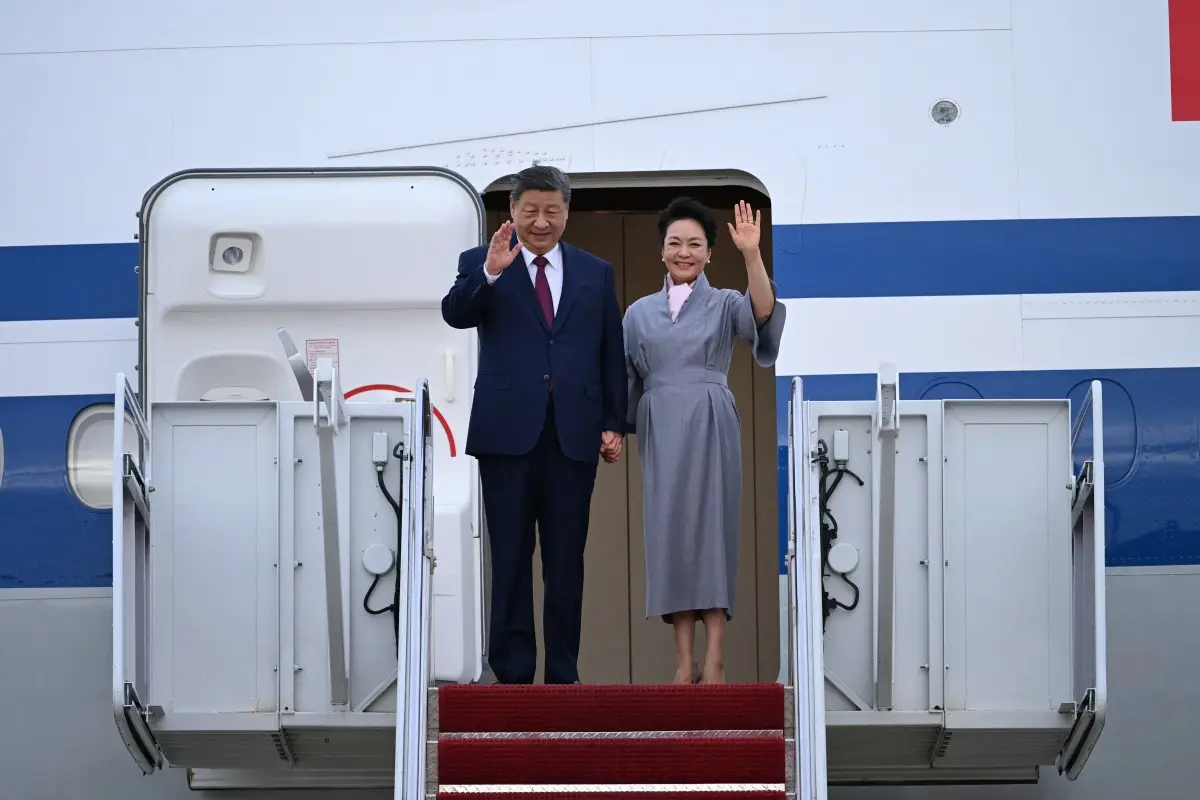
Xi Jinping arrives in the US as Trump personally welcomes him at airport
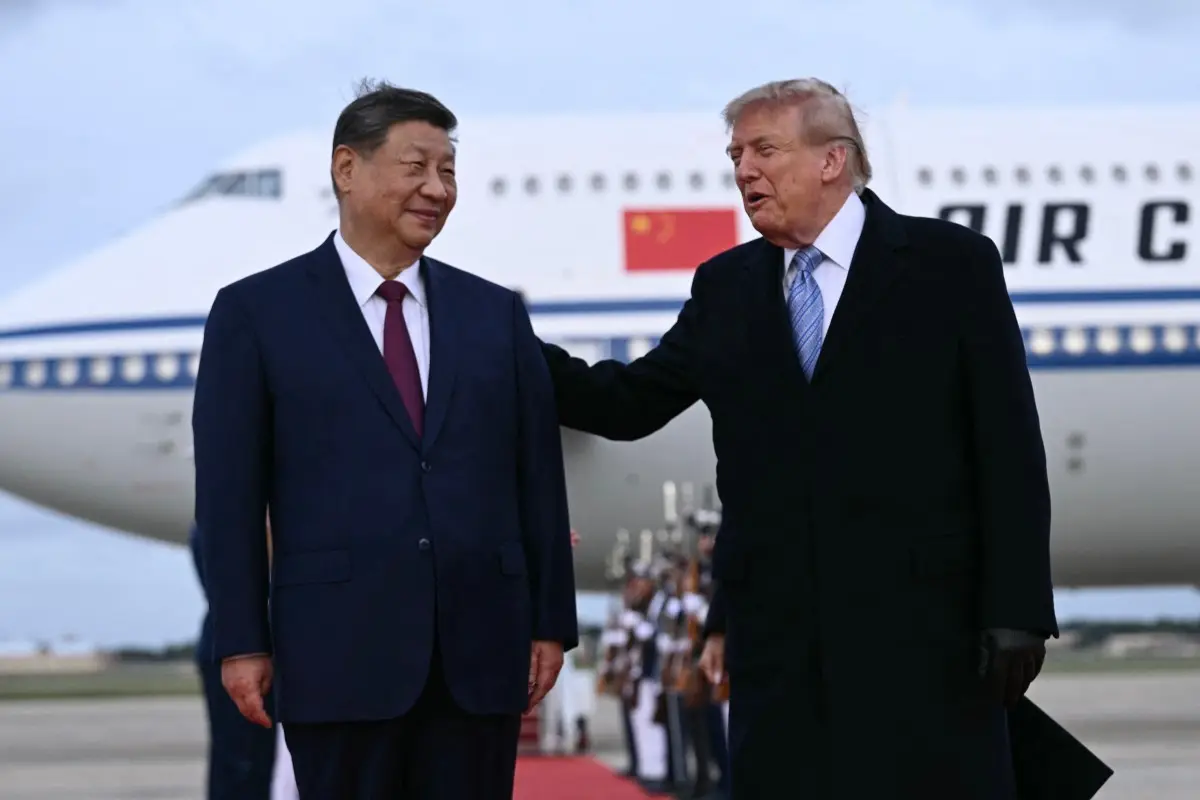
Chinese President Xi Jinping arrived at Joint Base Andrews near Washington for a closely watched state visit, where he received an unusually personal welcome from US President Donald Trump. Trump and First Lady Melania Trump greeted Xi and his wife, Peng Liyuan, on the tarmac after the Chinese leader stepped off his aircraft. The airport reception immediately became one of the defining images of the visit, given how rarely US presidents personally travel to an airport to welcome visiting foreign leaders.
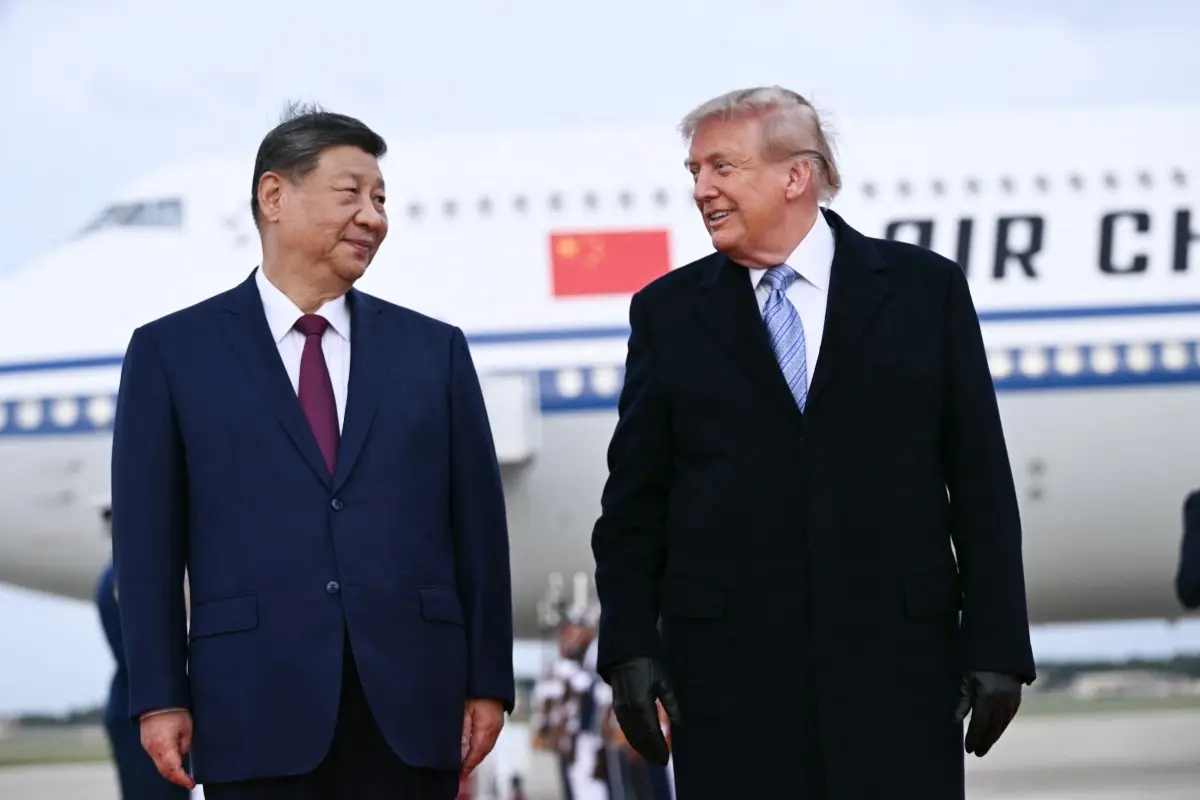
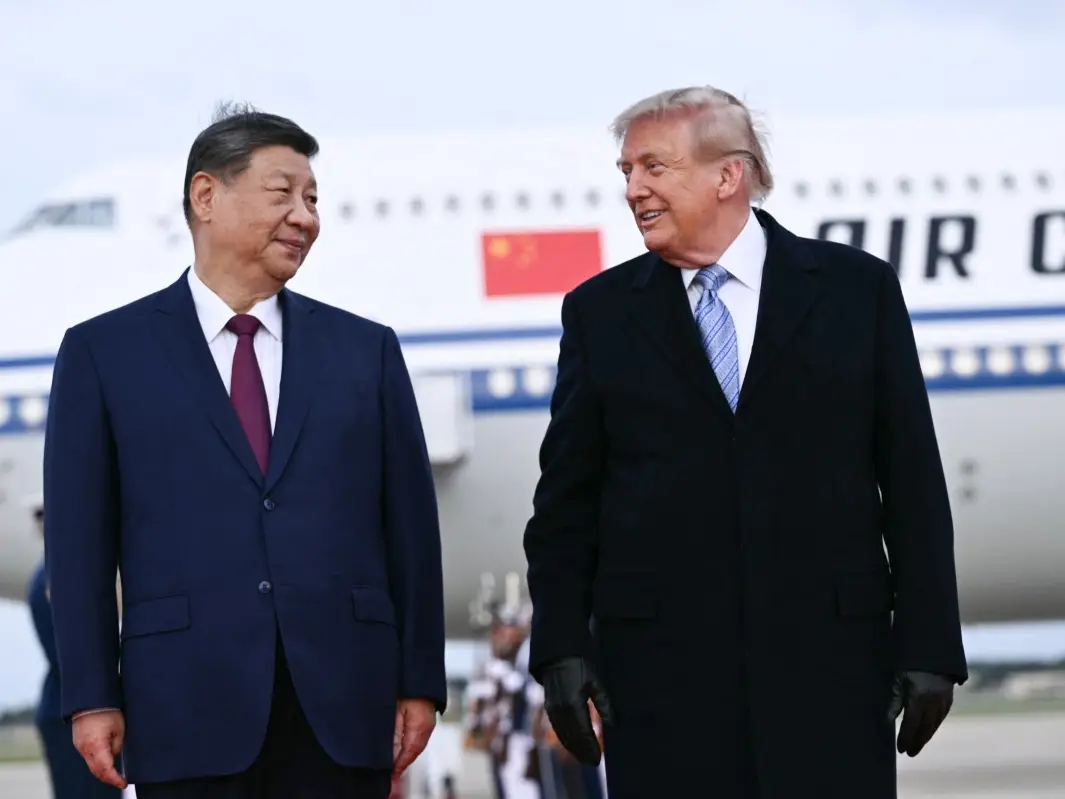
Trump and Xi stand together as military band plays at Joint Base Andrews
Trump and Xi stood side by side on the tarmac as a military band played during the Chinese president's arrival ceremony. The carefully choreographed welcome offered a striking visual contrast to the difficult issues confronting the world's two largest economies. Their talks come amid tensions over tariffs, technology, rare earths, Taiwan and the Iran conflict, while both governments are seeking to maintain diplomatic and economic stability. The elaborate airport reception was part of a wider programme of ceremonial events surrounding Xi's state visit. The White House has described the visit as a significant milestone, coming more than a decade after Xi's previous White House visit.
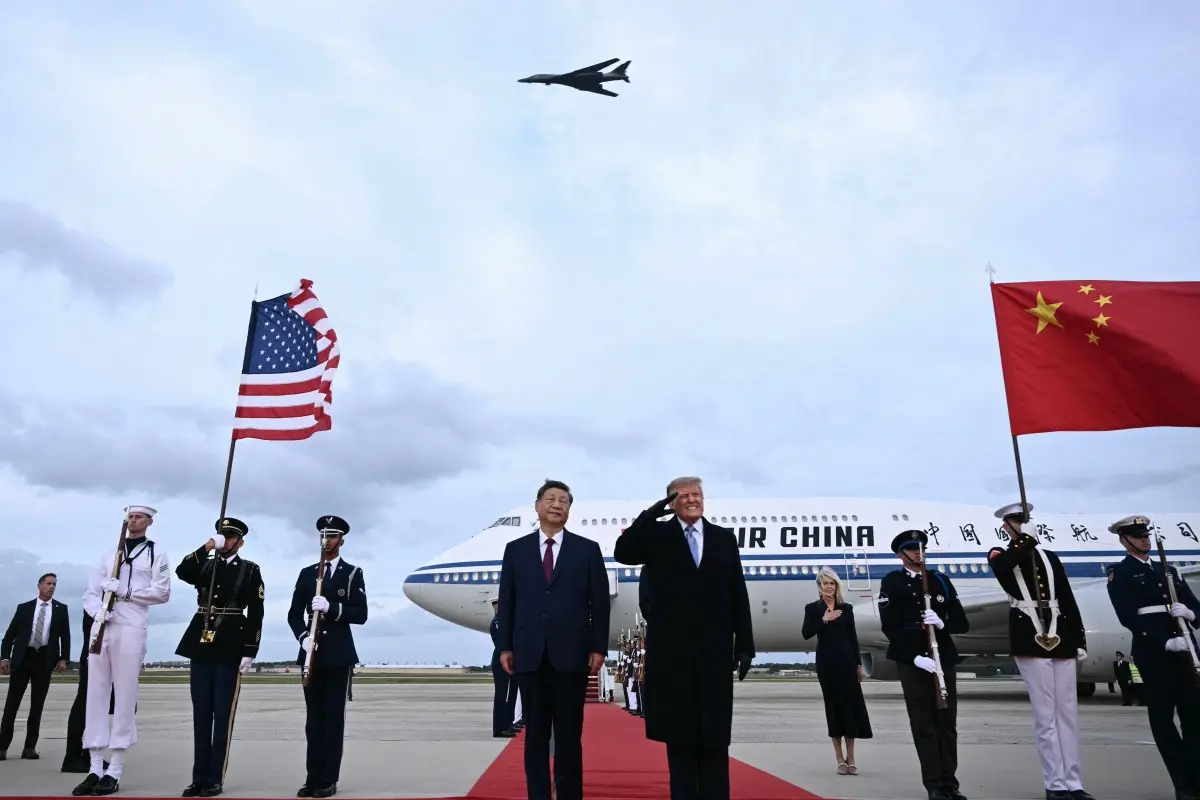
B-1 bombers fly over as Washington rolls out the red carpet for Xi
A dramatic military flyover added another layer of symbolism to Xi Jinping's arrival in Washington. B-1 bombers staged a flyover as the Chinese leader stood alongside Trump during the airport welcome. The military spectacle formed part of a carefully planned display surrounding the state visit, with additional aircraft scheduled for the formal White House arrival ceremony. The White House later confirmed that Thursday's ceremony would include a B-2 Spirit and four F-22 Raptors.
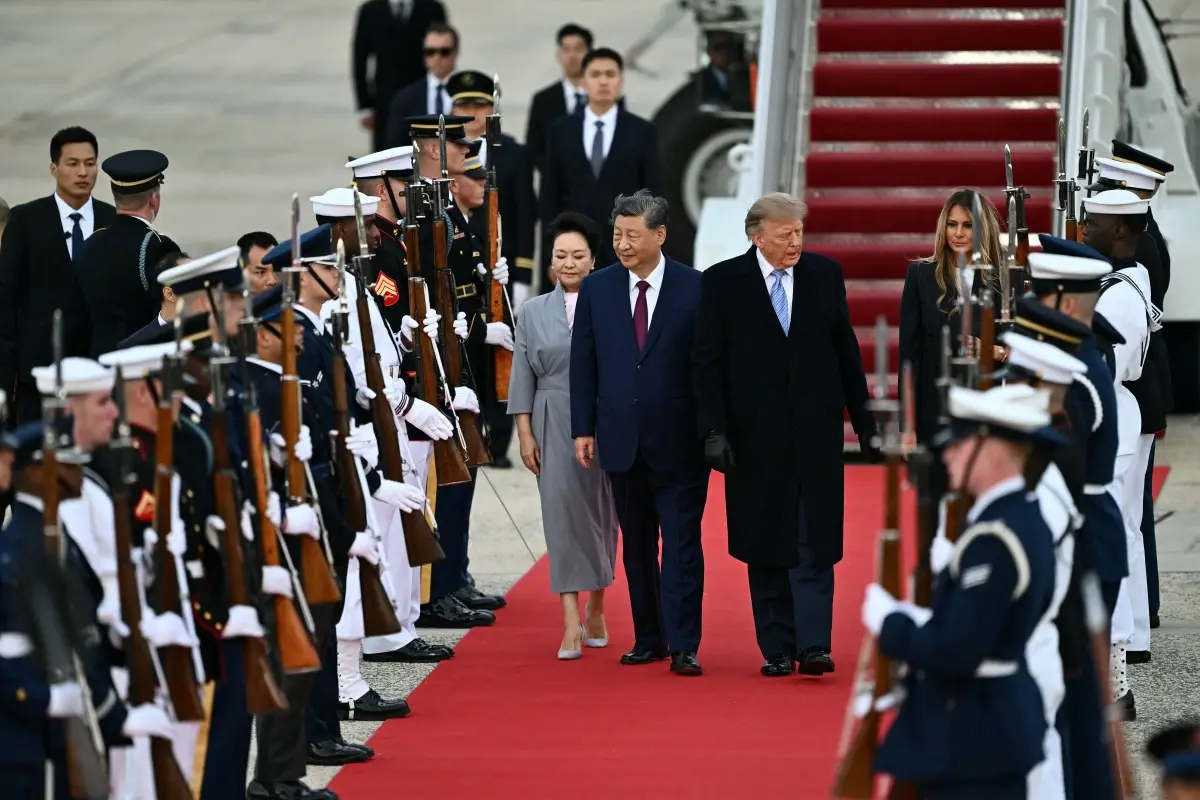
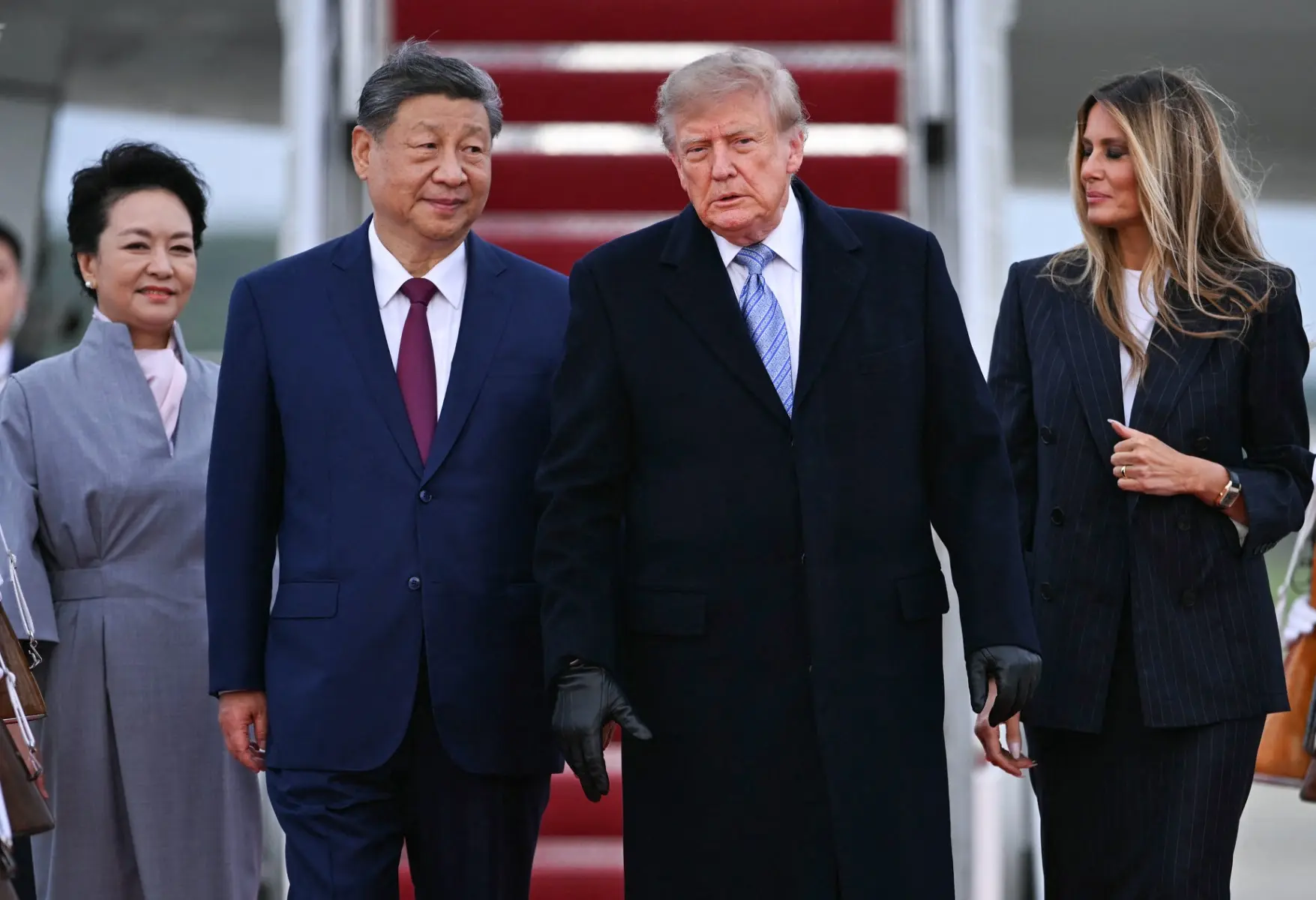
Trump, Melania, Xi and Peng Liyuan: The four faces of a high-stakes visit
The arrival brought together the two presidential couples as Trump and Melania welcomed Xi Jinping and Peng Liyuan to the United States. Their appearance at Joint Base Andrews marked the beginning of a three-day state visit packed with ceremonial engagements. Xi's schedule includes a formal White House arrival ceremony, a state dinner and a visit to the National Archives before his departure. The highly choreographed programme contrasts with the difficult diplomatic questions facing the two governments. Trade tensions, artificial intelligence, rare earth supplies, Taiwan and the Iran conflict are among the broader issues surrounding the summit.
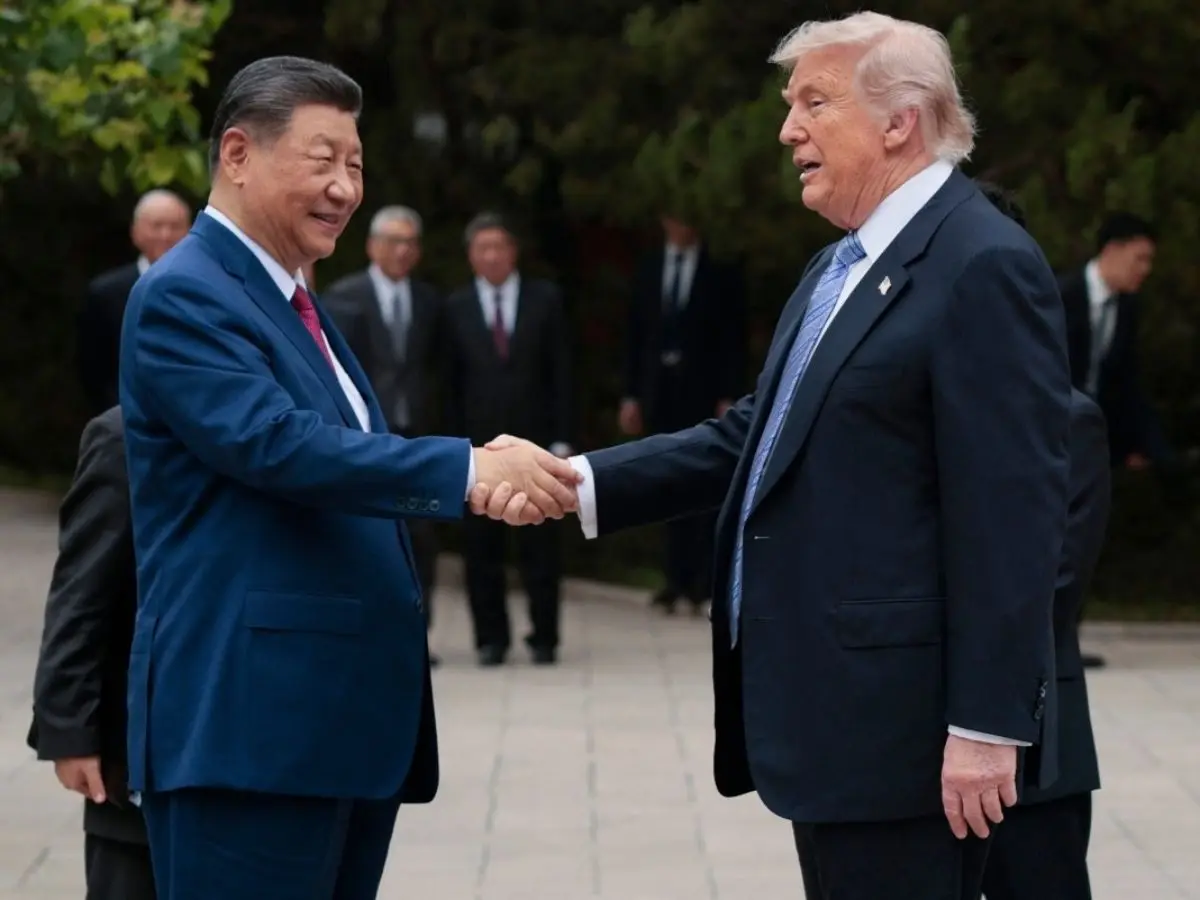
Trump-Xi summit: From airport handshake to high-stakes White House talks
The airport handshake is only the opening act of the Trump-Xi summit. The two leaders are scheduled to hold talks at the White House against the backdrop of a fragile period of US-China economic stability. One major issue is whether the existing tariff truce can be extended, while rare earth supplies and trade commitments remain important economic concerns. Artificial intelligence is another emerging area of competition, with officials discussing mechanisms for communication around AI risks. Iran and Taiwan add further geopolitical complications.
A lavish welcome, but tough questions await Trump and Xi
Xi Jinping's arrival has delivered powerful images of ceremony, diplomacy and personal engagement, but the difficult negotiations begin after the cameras move away. Trump and Xi face unresolved disagreements over tariffs, technology, rare earths, Taiwan and the wider geopolitical fallout from the Iran conflict. Their meeting comes as Washington and Beijing attempt to prevent renewed economic escalation while competing for influence and technological leadership. The elaborate state visit therefore carries two messages at once: the importance both sides place on maintaining direct engagement, and the depth of the disagreements they still need to manage.
)
)
)
)
)