Major pollutants driving Delhi’s AQI: PM2.5, PM10, NO₂, and other

Delhi’s hazardous air quality is driven by pollutants such as PM2.5, PM10, and nitrogen dioxide. These particles come from vehicles, industries, dust, and seasonal causes like crop burning. High pollution levels continue to impact health and life expectancy in the city.
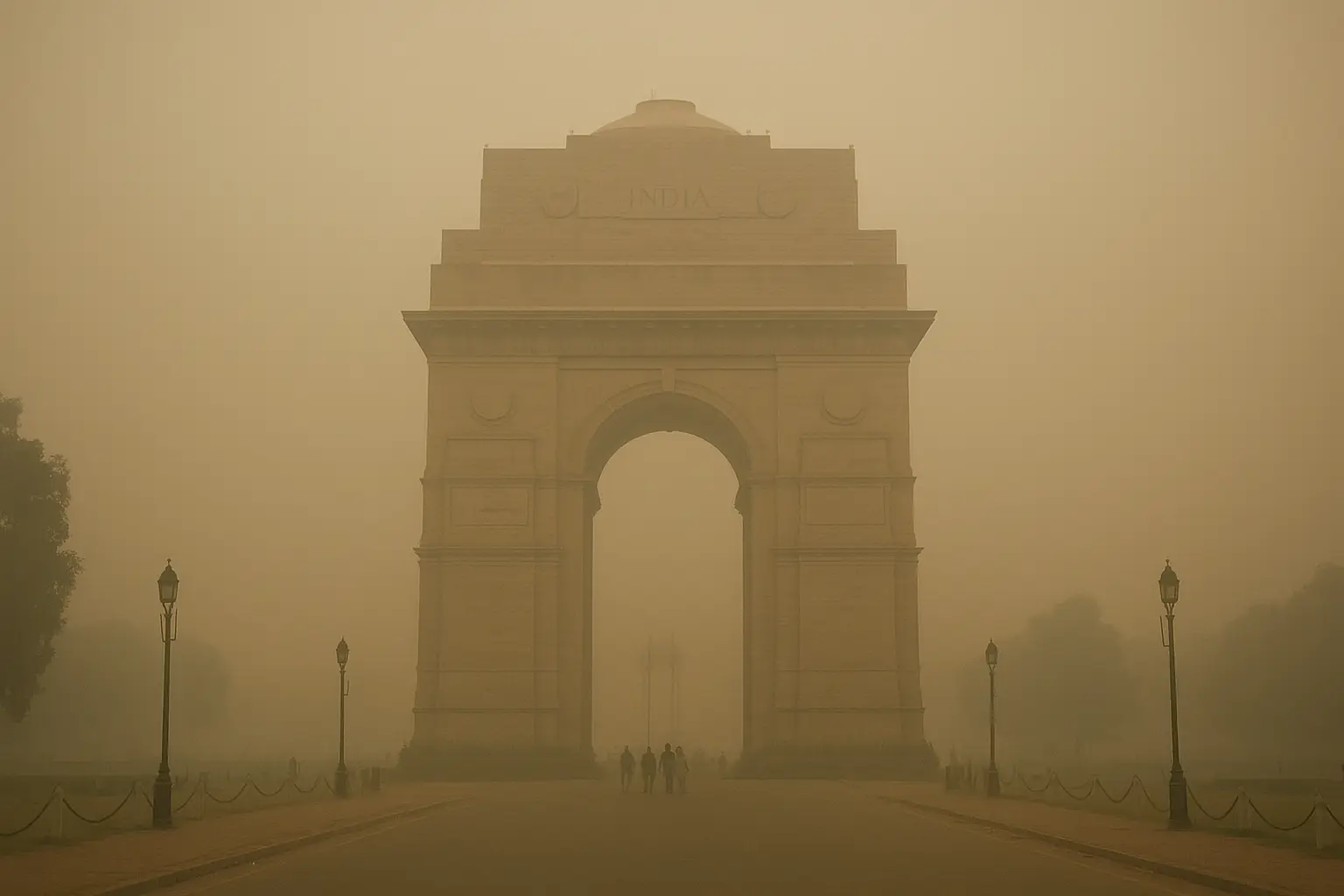
What is Delhi's Air Quality Index?
Delhi's Air Quality Index (AQI) measures pollution levels that affect health. In 2025, Delhi often ranks in the "severe" pollution category, with AQI values above 300 regularly recorded, indicating serious health risks even for healthy people.
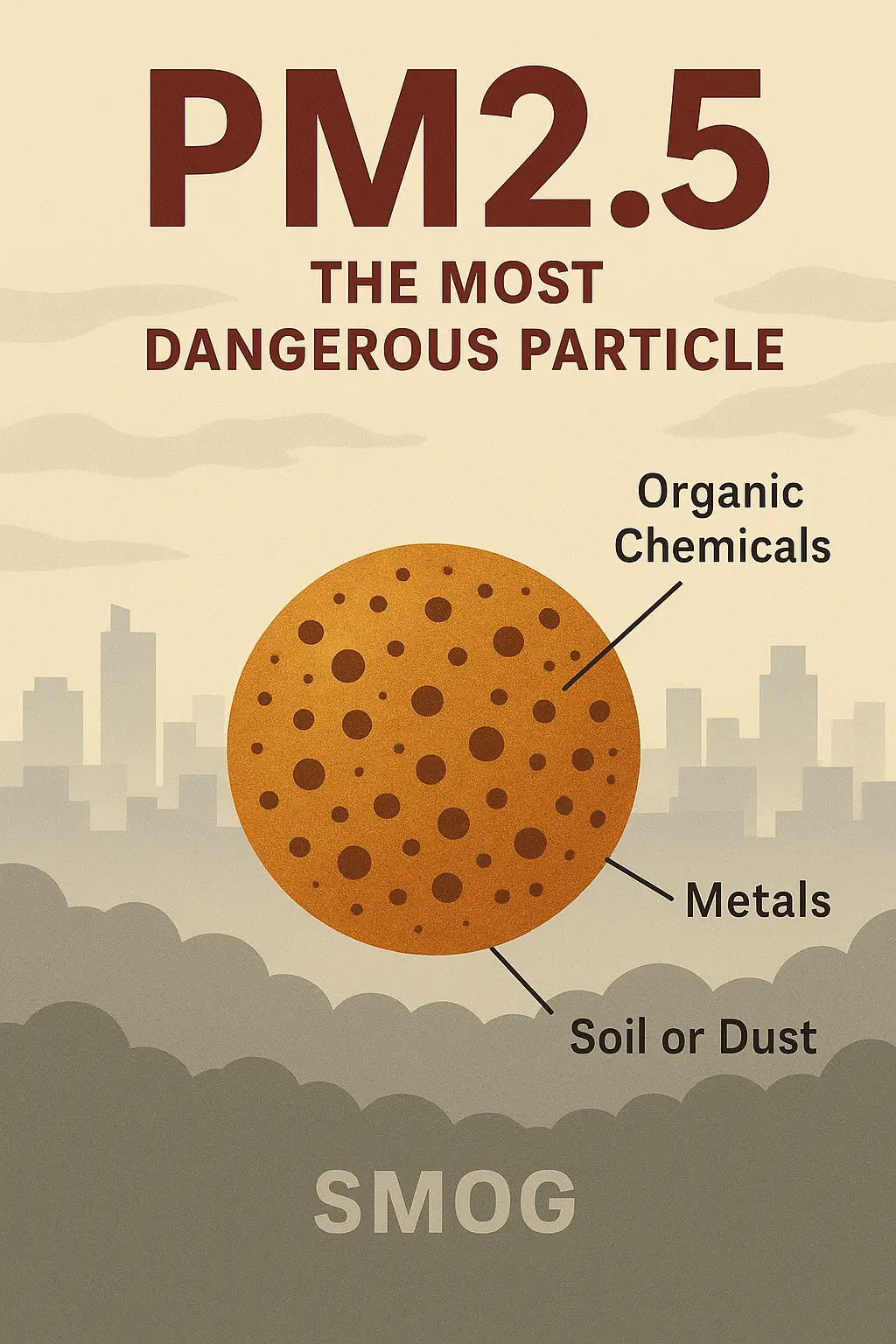
PM2.5 - The Most Dangerous Particle
PM2.5 refers to fine particulate matter smaller than 2.5 micrometres. These particles can penetrate deep into the lungs, causing respiratory and heart problems. In 2025, Delhi’s average PM2.5 levels hovered around 74 µg/m³ early in the year but spike higher during winter.
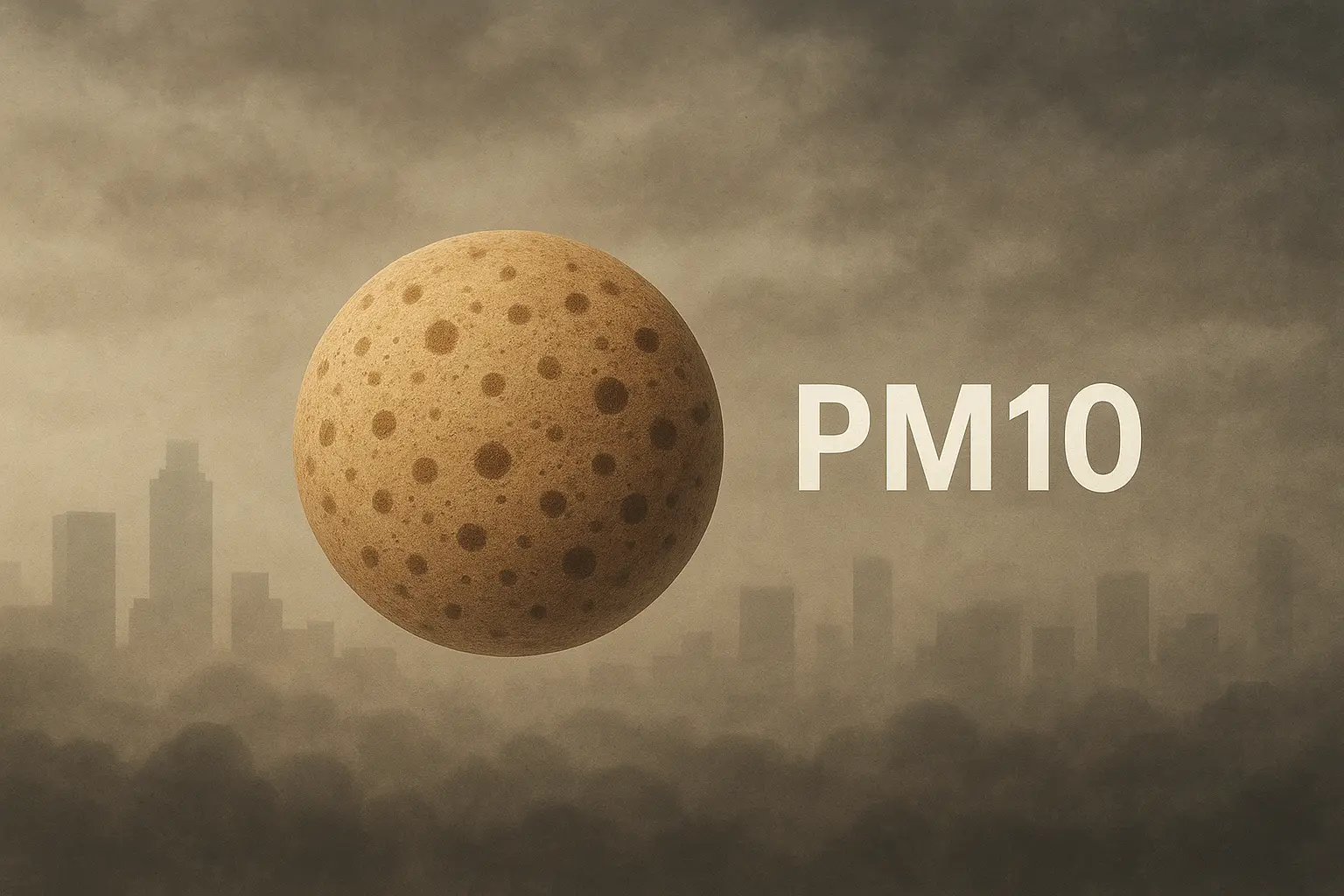
What is PM10 and its Effects?
PM10 are slightly larger particles (up to 10 micrometres). They come from dust, construction sites, and industrial emissions. Delhi's PM10 average was about 169 µg/m³ in parts of 2025, contributing significantly to poor air quality and breathing difficulties.
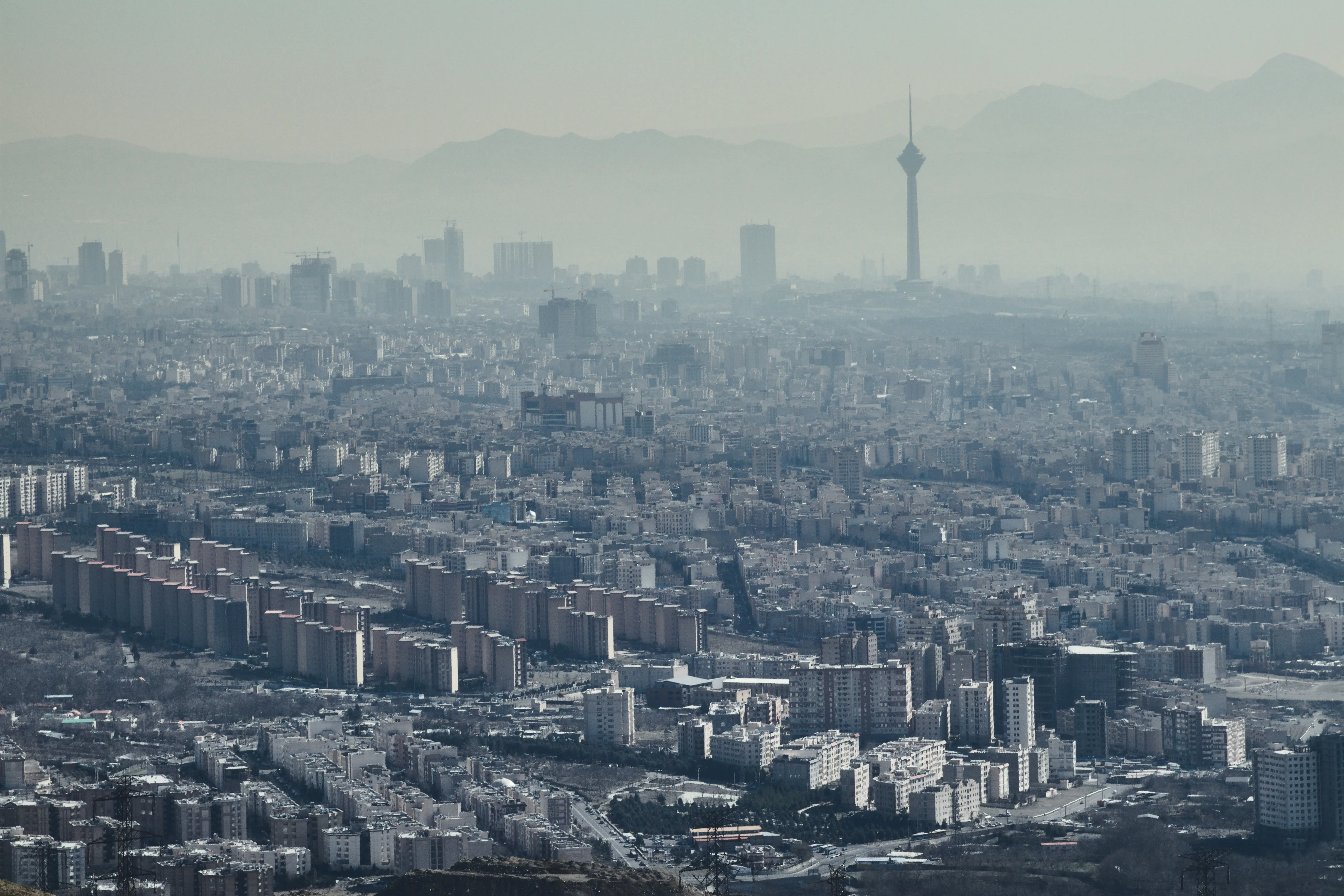
Nitrogen Dioxide (NO₂) in Delhi’s Air
NO₂ comes mainly from vehicle emissions, power plants, and industrial activity. In November 2025, real-time data shows NO₂ levels around 45-48 parts per billion in Delhi, contributing to smog formation and respiratory irritation.
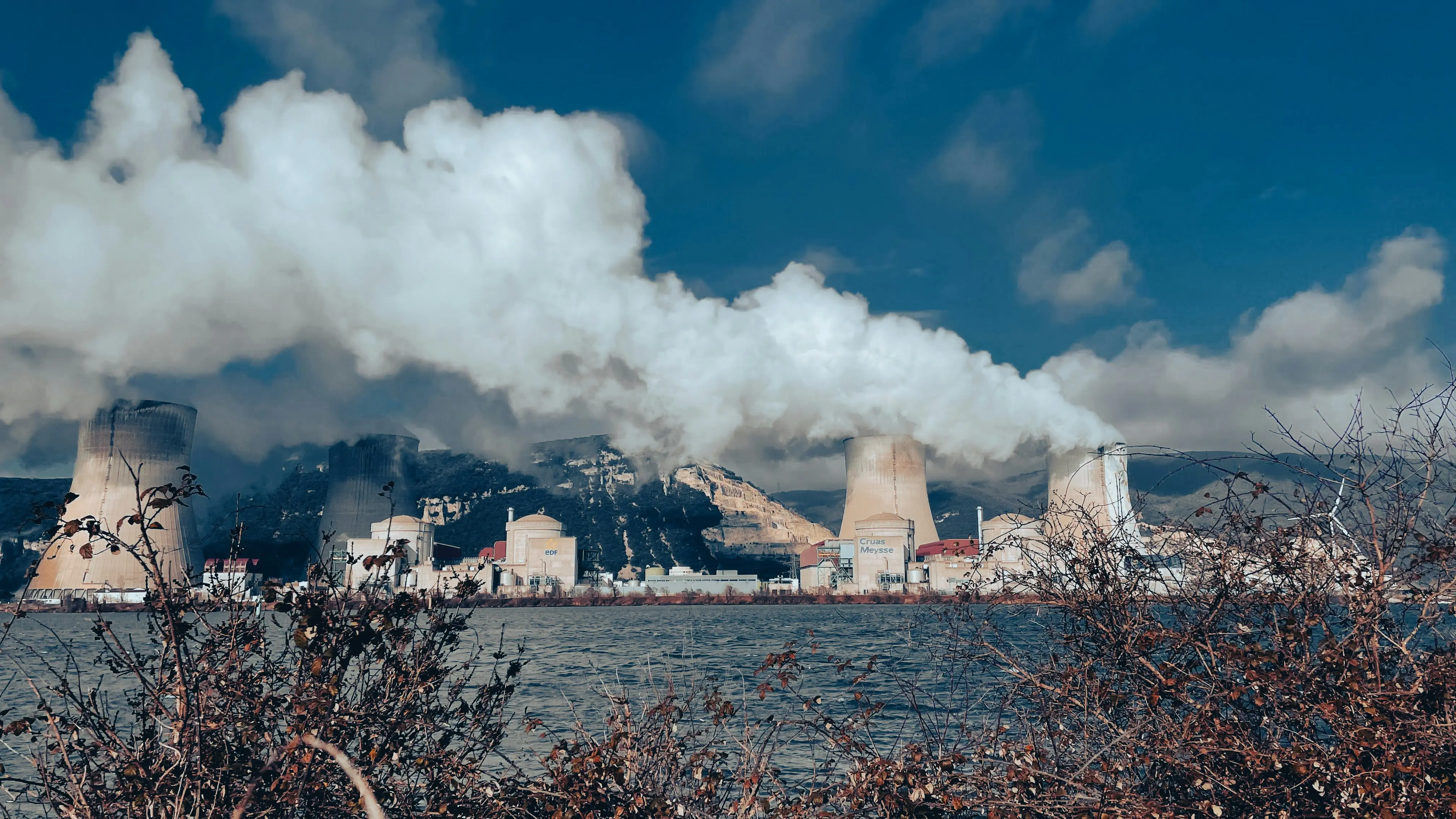
Other Pollutants Adding to Delhi’s AQI
Besides PM and NO₂, pollutants like carbon monoxide (CO), sulfur dioxide (SO₂), and ozone (O₃) are present but in lower concentrations. CO and SO₂ can affect the heart and lungs, while ozone worsens breathing, especially in children and the elderly.

Health and Life Expectancy Impact
Delhi’s high pollution levels have shortened average life expectancy by several years. Long-term exposure to PM2.5 in particular increases risks of lung disease, heart problems, and early death. Efforts continue to reduce pollutants but winter remains a challenge.
)
)
)
)
)