Top 7 biggest contributors to Delhi’s air pollution

What causes most of Delhi’s air pollution? Vehicles, dust, stubble burning, and firecrackers are key contributors to poor air. Know other major pollution sources affecting millions.
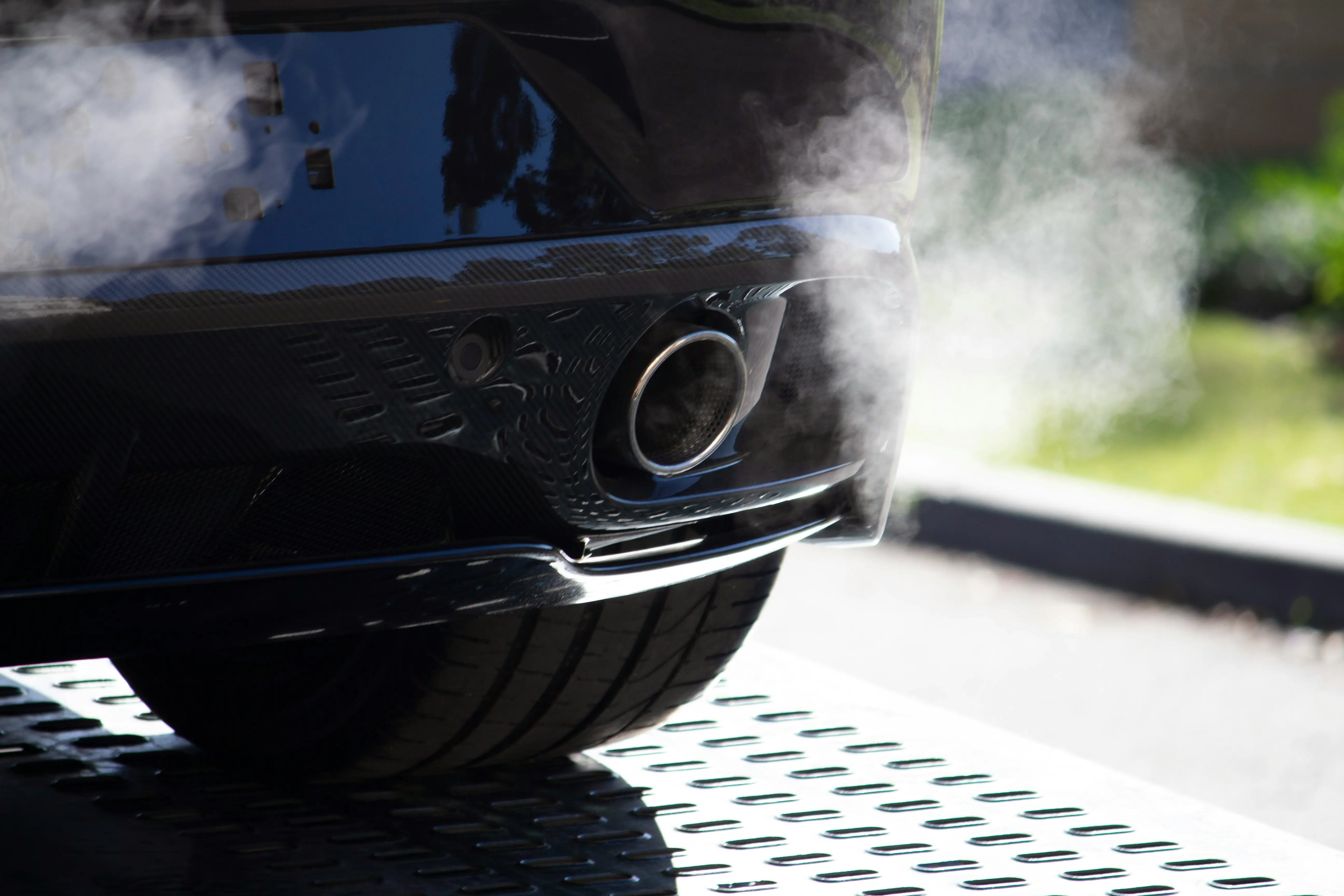
Vehicle Emissions
Vehicles contribute nearly 40 per cent to Delhi’s fine particulate pollution, mainly PM2.5. Traffic congestion and the growing number of private vehicles increase emissions. Diesel and petrol vehicles release harmful gases like nitrogen oxides and carbon monoxide, which worsen air quality. The government is encouraging electric vehicles and expanding public transport to reduce this source.
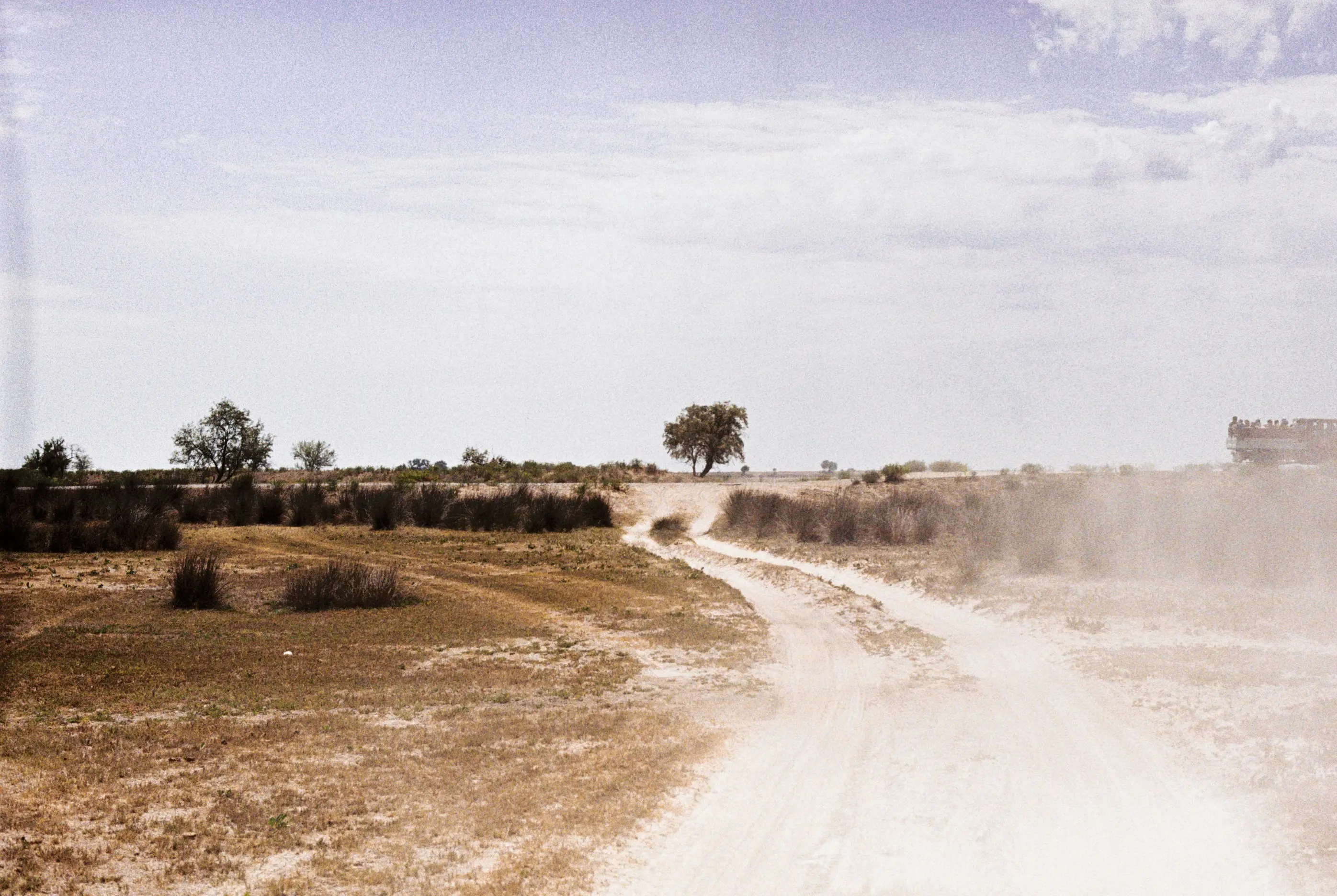
Road Dust
Road dust is the largest source of coarse particulate pollution (PM10) in Delhi, accounting for 35 to 66 per cent. Dust from unpaved roads, heavy traffic, and construction sites fills the air, especially in dry seasons. This suspended dust causes breathing difficulties and eye irritation for many city residents.
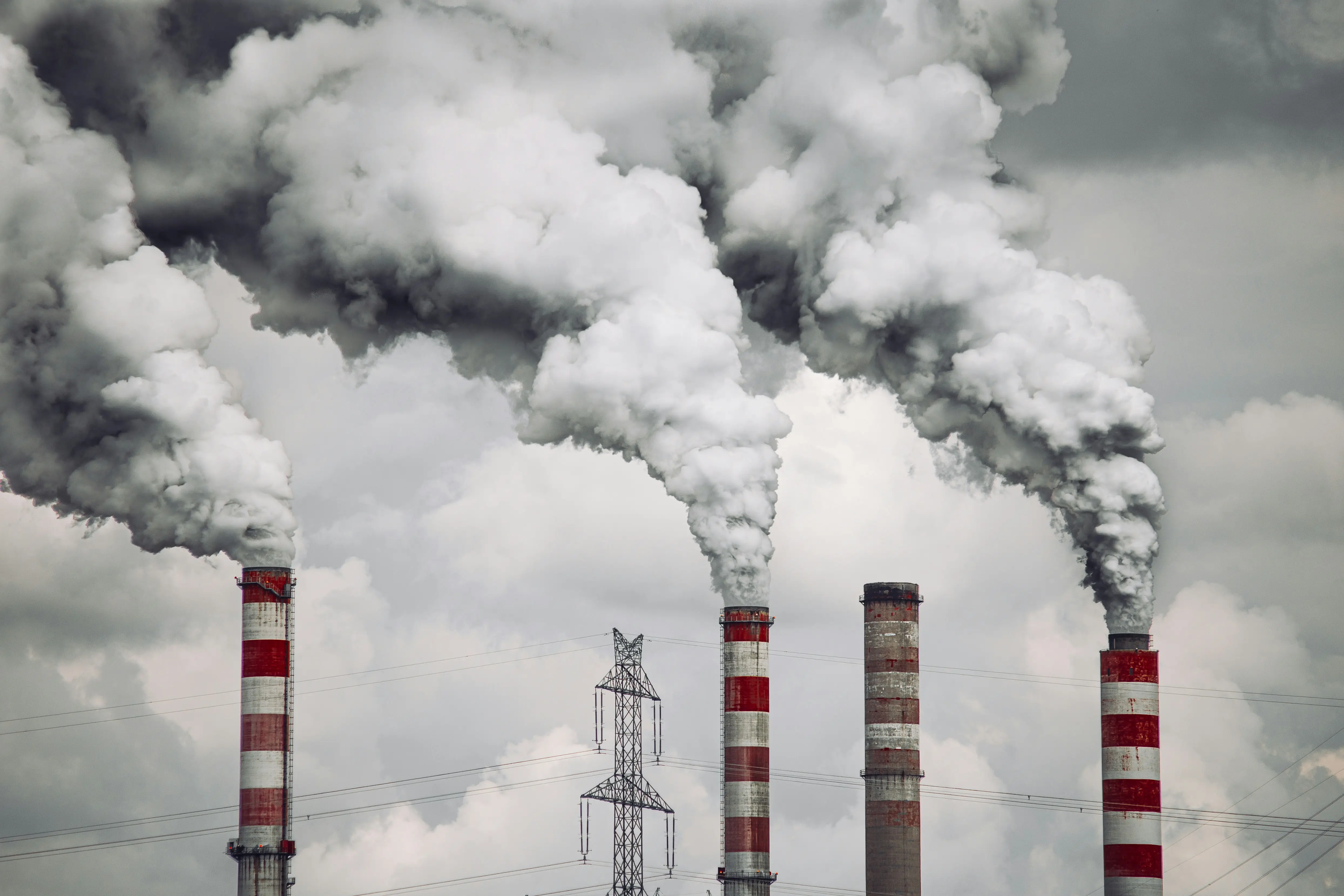
Industrial Pollution
Industries near Delhi emit large amounts of sulfur dioxide, nitrogen oxides, and particulate matter. Power plants and factories release pollutants as part of their daily operations. Industrial emissions make up a significant part of Delhi’s overall pollution mix and raise health risks for nearby populations.
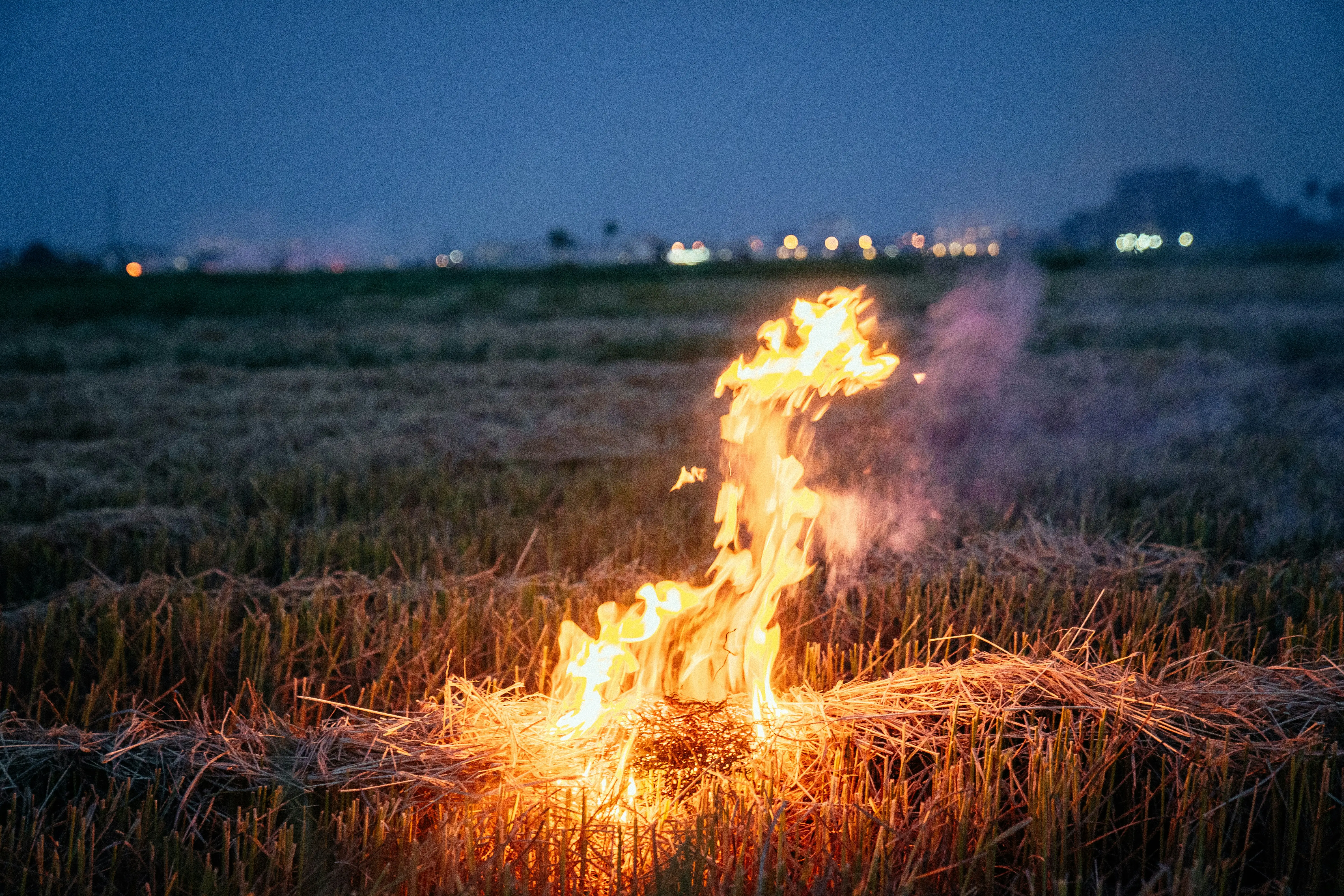
Stubble Burning
Farmers in neighbouring states burn crop residue after harvest, releasing dense smoke plumes. This practice adds up to 45 per cent of Delhi's particulate pollution during October and November. The dense smog from stubble burning severely reduces air quality and visibility in the city.
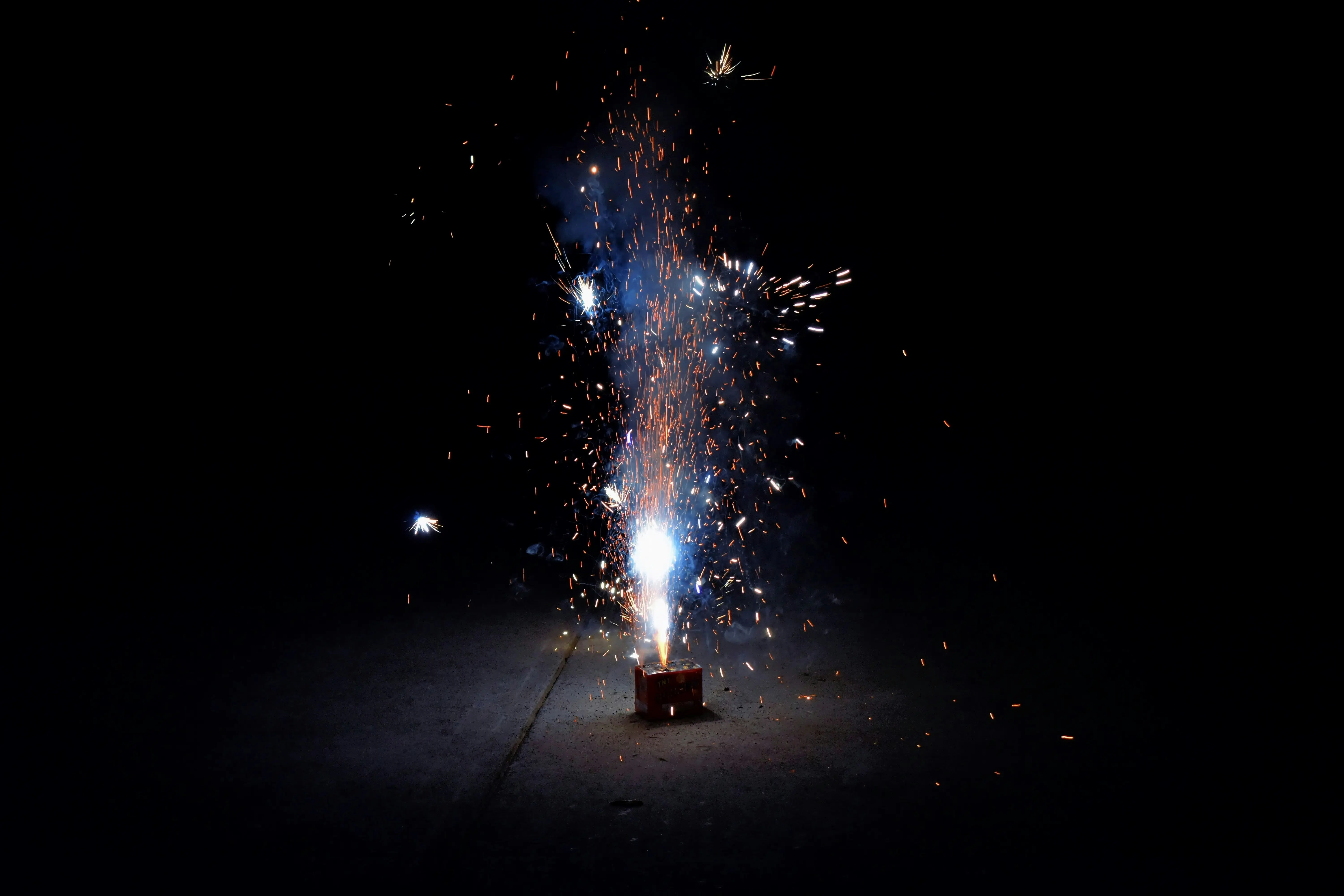
Firecrackers
During festival seasons, notably Diwali, firecrackers are a major pollution spike source. They contribute 30 to 40 per cent of short-term particulate pollution increases. The bursting of firecrackers releases toxic smoke and particles that spread quickly, worsening air quality for hours or days.
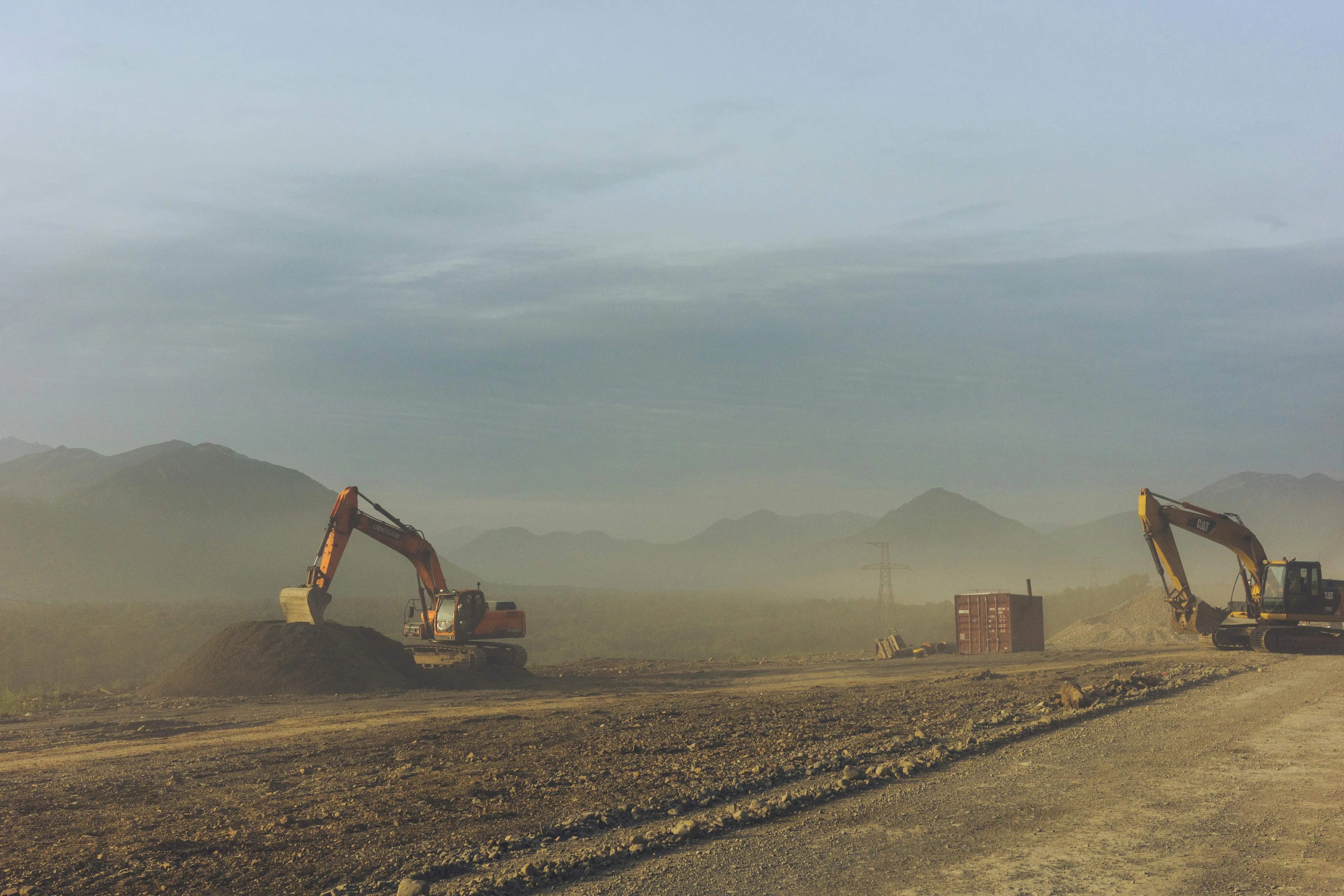
Construction Work
Dust and emissions from construction and road work add heavily to pollution levels. Large construction projects release dust and fine particles into the air. This pollution peaks when air circulation is low, compounding winter smog in Delhi.
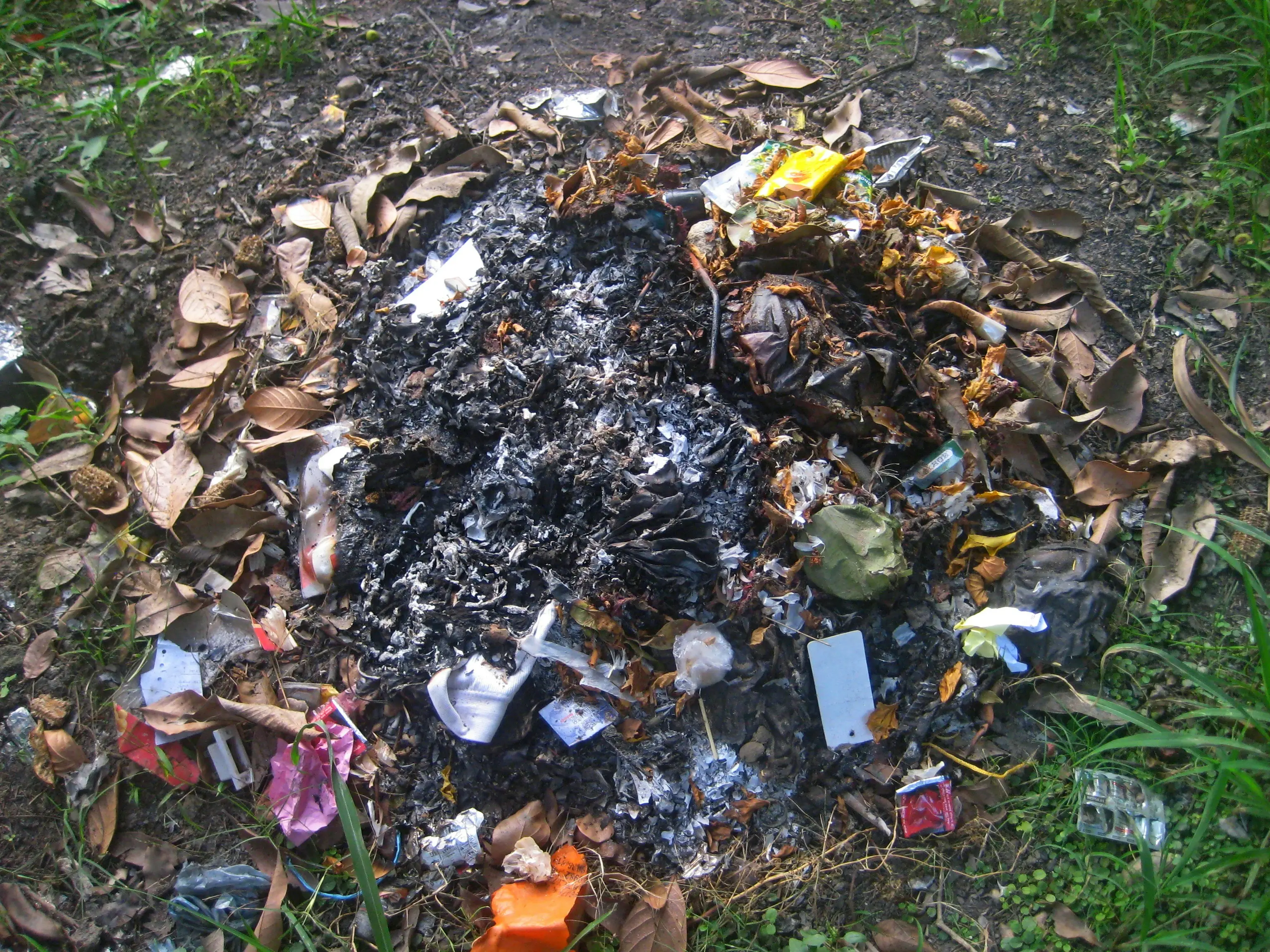
Waste Burning
Open burning of garbage across the city emits toxic smoke containing chemical pollutants. This illegal waste burning contributes to poor air, increasing respiratory problems among residents near burning sites. The problem persists despite government efforts to control it.
)
)
)
)
)