Five US midterm elections that changed American politics forever

From Reconstruction to the Tea Party, these five US midterm elections reshaped Congress, altered presidential power and triggered political shifts that continued to influence America for decades

Why US midterm elections can change the course of American politics
Held halfway through a president’s four-year term, US midterm elections often receive less attention than presidential races, but their consequences can be enormous. All 435 House seats are contested, along with roughly one-third of the Senate and thousands of state-level positions. The outcome can determine which party controls Congress, shape the president’s ability to pass legislation and influence the political direction of the country for years. Throughout American history, several midterms have stood out for producing dramatic political realignments or giving presidents and their opponents vastly different levels of power. Here are five of the most consequential midterm elections in US history, and why their impact extended far beyond Election Day.
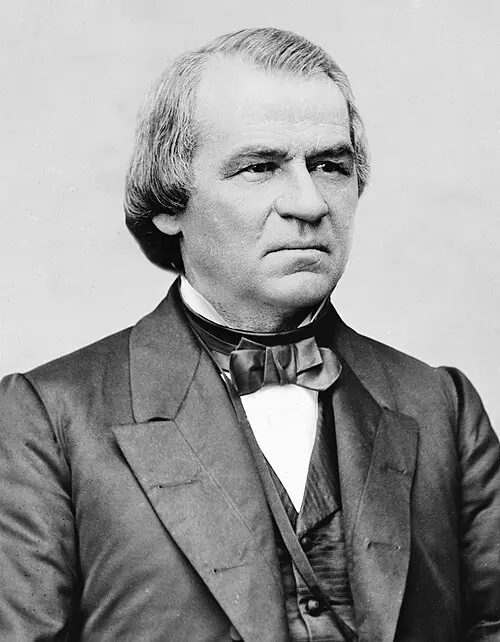
1866 midterms: The election that reshaped reconstruction
The 1866 midterm elections came just one year after the Civil War ended and amid a fierce struggle over the future of the United States. President Andrew Johnson (in picture), who succeeded the assassinated Abraham Lincoln, clashed with Republicans in Congress over how Reconstruction should be handled and the rights of formerly enslaved people. Voters delivered a decisive victory to Republicans opposed to Johnson, giving them the two-thirds congressional majorities needed to override presidential vetoes. The result strengthened the Radical Republicans and allowed Congress to take greater control of Reconstruction. In the years that followed, the 14th Amendment established equal protection under the law, while the 15th Amendment protected voting rights regardless of race, marking a defining moment in post-Civil War America.
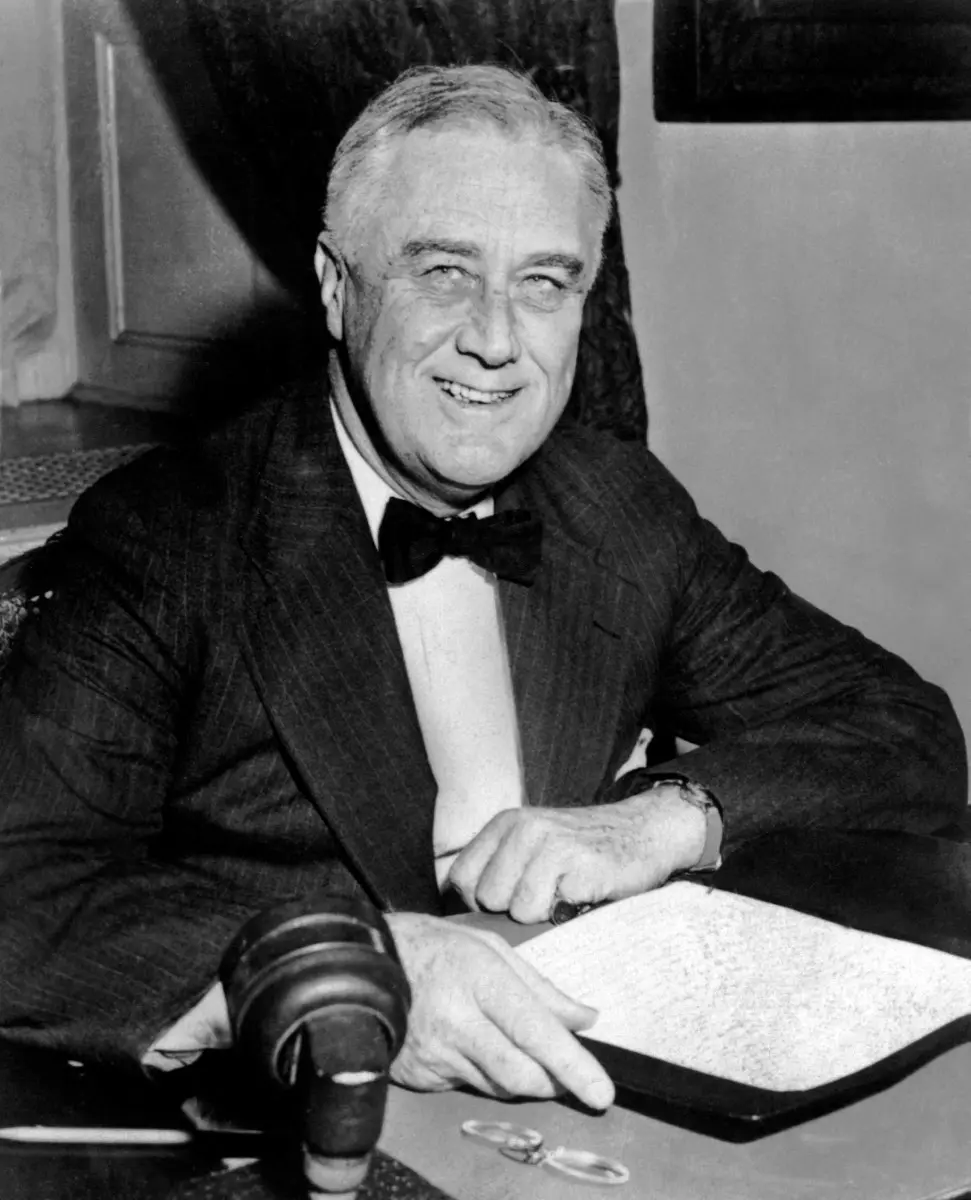
1934 midterms: Voters give Roosevelt’s new deal a major boost
The 1934 midterm elections produced an extraordinary result: instead of losing congressional seats, President Franklin D. Roosevelt’s Democratic Party gained ground in both the House and Senate. The election effectively became a referendum on Roosevelt’s response to the Great Depression and his ambitious New Deal programme. Democrats gained nine House seats and 10 Senate seats, strengthening Roosevelt’s position in Congress and creating momentum for further reforms. Some of the most important elements of the New Deal, including Social Security, the Wagner Act and major public works programmes, followed the election. The result demonstrated that midterms could sometimes strengthen, rather than weaken, a president’s political mandate and helped cement the New Deal’s influence on American government.
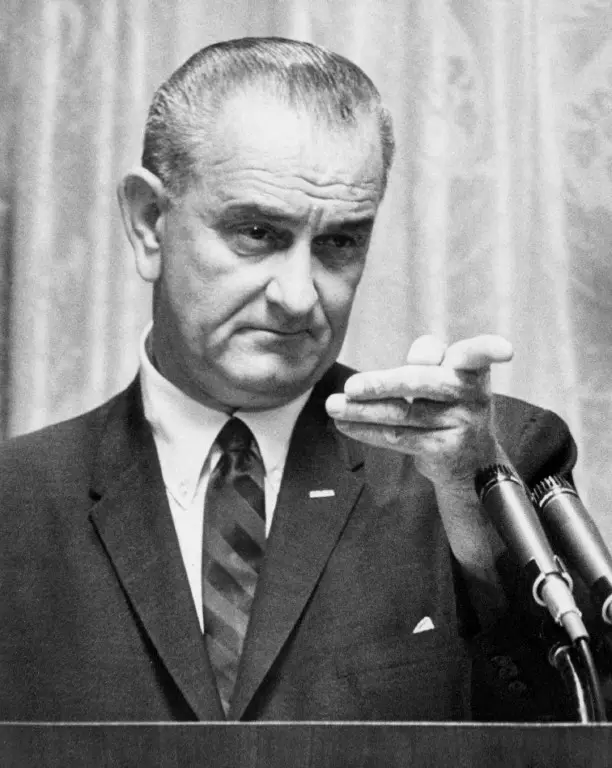
1966 midterms: The conservative shift begins to take shape
Just two years after Lyndon B. Johnson (in picture) won a historic landslide in the 1964 presidential election, Democrats suffered a major setback in the 1966 midterms. Republicans gained 47 seats in the House and four in the Senate, breaking the Democrats’ powerful congressional supermajorities. The GOP also made significant gains at the state level, winning 23 governorships, including California, where former actor Ronald Reagan emerged as the new governor. The election reflected growing opposition to Johnson’s policies, including his civil rights agenda, and highlighted a broader conservative shift among parts of the American electorate. The political consequences stretched well beyond 1966, with Republicans winning five of the next six presidential elections and Reagan eventually reaching the White House.

1994 midterms: The Republican revolution and 'contract with America’
The 1994 midterm elections transformed the balance of power in Washington. Republicans won control of both the House and Senate for the first time in 40 years, with 73 new Republican lawmakers entering Congress. President Bill Clinton’s approval ratings had fallen amid political battles over healthcare and other controversial policies, creating an opening for Republicans led by House leader Newt Gingrich. The party nationalised the election around its “Contract with America”, a conservative policy agenda focused on smaller government and fiscal reform. The result represented a major Republican breakthrough at the congressional level and accelerated an increasingly confrontational style of US politics. The 1994 election also became an important milestone in the growing political polarisation that continues to define Washington.

2010 midterms: The tea party fuels a Republican ‘red wave’
The 2010 midterm elections delivered another major Republican breakthrough, this time driven in large part by the grassroots Tea Party movement. Emerging after the Great Recession, the movement channelled anger over government spending, financial bailouts, the national debt and President Barack Obama’s Affordable Care Act. Republicans capitalised on that energy to make sweeping gains, while Democrats lost 63 seats in the House and six in the Senate. The House losses were the Democrats’ largest in a midterm election since 1938. The Republican victory gave the party control of the House and established the Tea Party as a powerful force within conservative politics. Although the movement later faded as a distinct organisation, its anti-establishment message influenced the Republican Party and helped shape the political environment that preceded Donald Trump’s rise.
)
)
)
)
)