
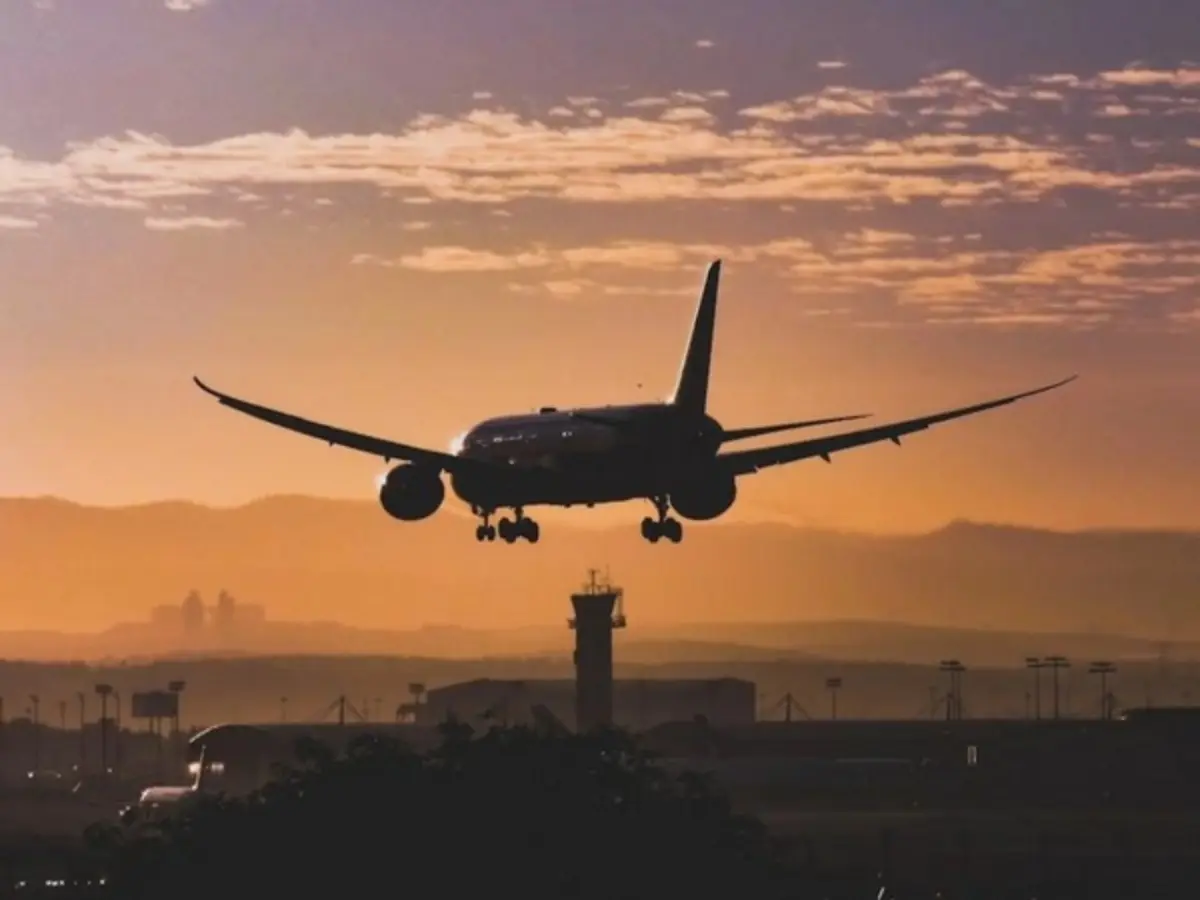
&imwidth=800&imheight=600&format=webp&quality=medium "Air India Phuket-Delhi pilot was also on sleep medication, did not get adequate rest before flight")
The pilot in command (PIC) of an Air India flight from Phuket to Delhi that encountered a sudden loss of altitude last week was not only on marijuana but was also taking medicines for "sleep difficulty", according to the airline's internal flight safety report.
The latest revelation was made by the PIC before a team of the Aircraft Accident Investigation Bureau (AAIB), reported NDTV.
The incident, involving an Airbus A320neo, injured 13 passengers and four crew members. However, the aircraft that suddenly lost about 300 feet of altitude while it was flying from Phuket to Delhi carrying 137 passengers and eight crew members, landed safely in Delhi.

"I disclose, for completeness, that I had separately been experiencing sleep difficulty over a preceding period, related to personal circumstances, for which I had been prescribed medication by my family doctor," the pilot said in a flight safety statement, as reported by NDTV.
He also claimed that he struggled to sleep during his layover as the manner in which the roster was scheduled it “compressed available daytime rest, which is often below the minimum required for adequate recovery", according to the report.
Trending Stories
)
Mushtaq Khan dies at 56: When Welcome actor opened up about his salary for iconic role Ballu
)
US Supreme Court backs Trump administration's use of SAVE database to check voter citizenship
)
Hawaii braces for Hurricane Nolo: NOAA warns of flash flooding and mudslides
)
Outrage erupts after 3-year-old is married to 60-year-old man in Pakistan, link to her sister's murder being probed
)
Donald Trump shares image of Xi's arrival in Washington, carries signs of AI
)
Pakistan deploys over 20,000 security personnel as PTI vows march for Imran Khan's release
)
Anthropic says Claude found a new gene-editing enzyme but science isn't confirmed
)
Prince Harry offers rare glimpse into Archie and Lilibet’s life after UK move
)
Farhan, who went viral for AK47 celebration vs India in Asia Cup, hopes to lead Pakistan beyond Asian Games
)
OpenAI AI Agents hacked 4 websites before Hugging Face, researchers reveal
)
Pentagon quietly adds 37 wounded troops to Iran war tally without explaining when or how
)
Asian Games 2026: India women’s kabaddi team edge Iran 37-34 to clinch 3rd gold medal
&im=FitAndFill=(700,400))
New Friday OTT releases (September 25, 2026): Don’t Be Shy, Hunkkaar: The Roar, Mango Pachcha- 6 movies and TV shows on Netflix, Prime Video and more
)
Asian Games 2026: India face Afghanistan in quarterfinal on Sep 28; Pakistan clash with Hong Kong
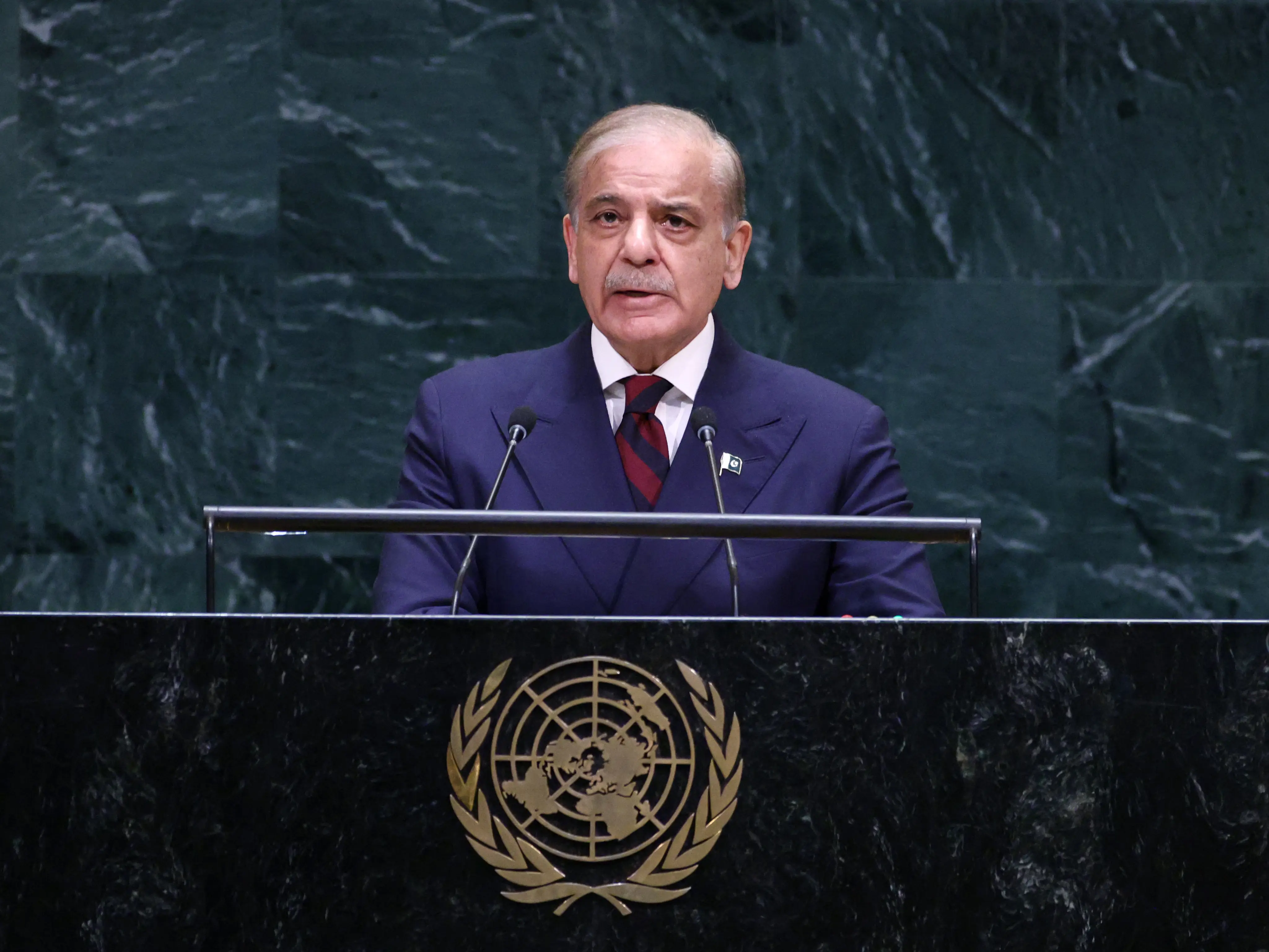)
‘Attack on Mecca a red line for Pakistan’: Shehbaz Sharif warns Houthis at UN
)
‘I rejected it’: Trump confirms turning down Iran’s proposal to reopen Hormuz, claims Tehran is losing ‘badly’
)
Did Hitler kill his niece Geli Raubal? Newly found records reopen a 95-year-old mystery
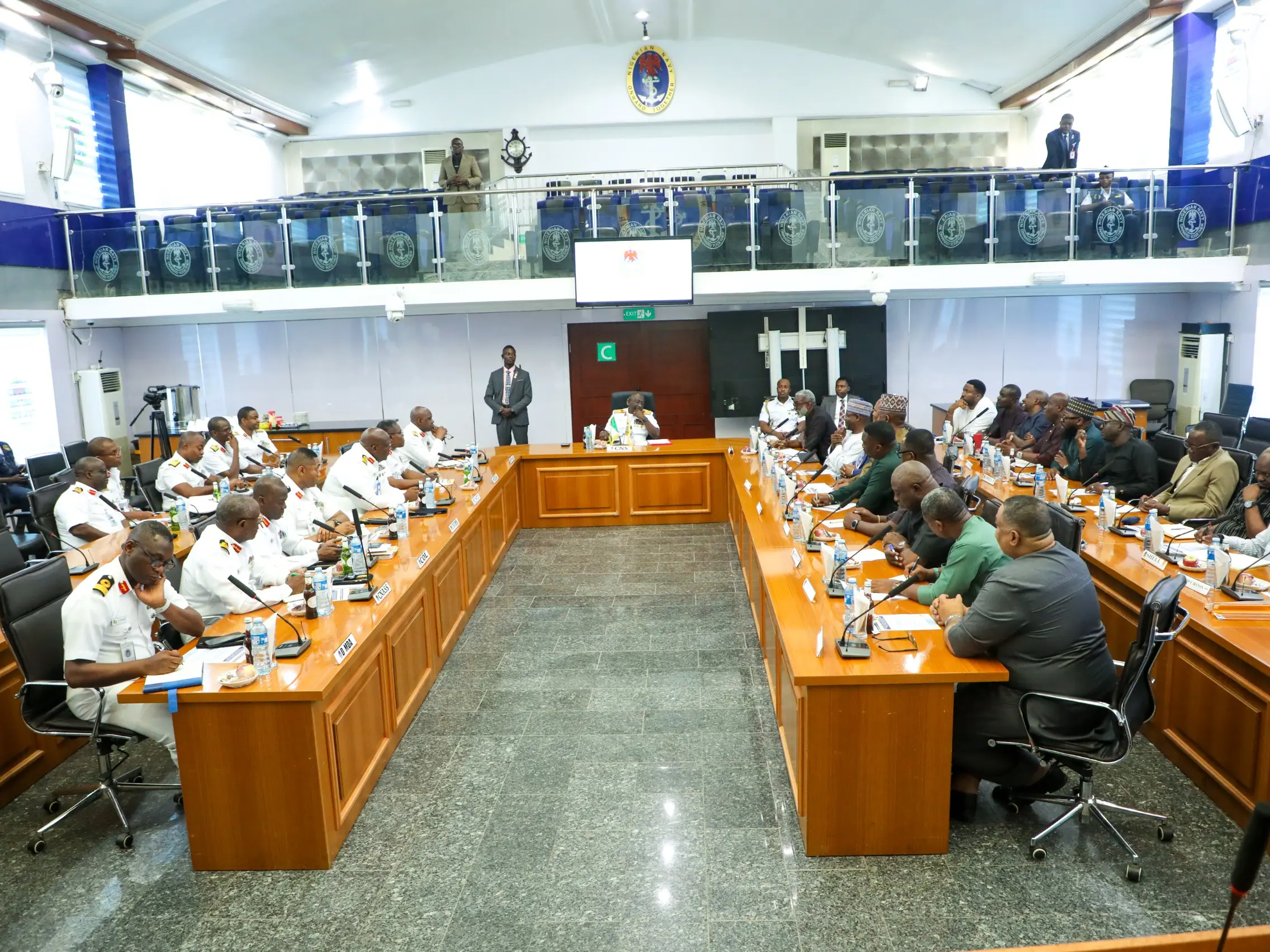)
Nigeria Navy moves to boost oil security, tackle crude theft and infrastructure threats
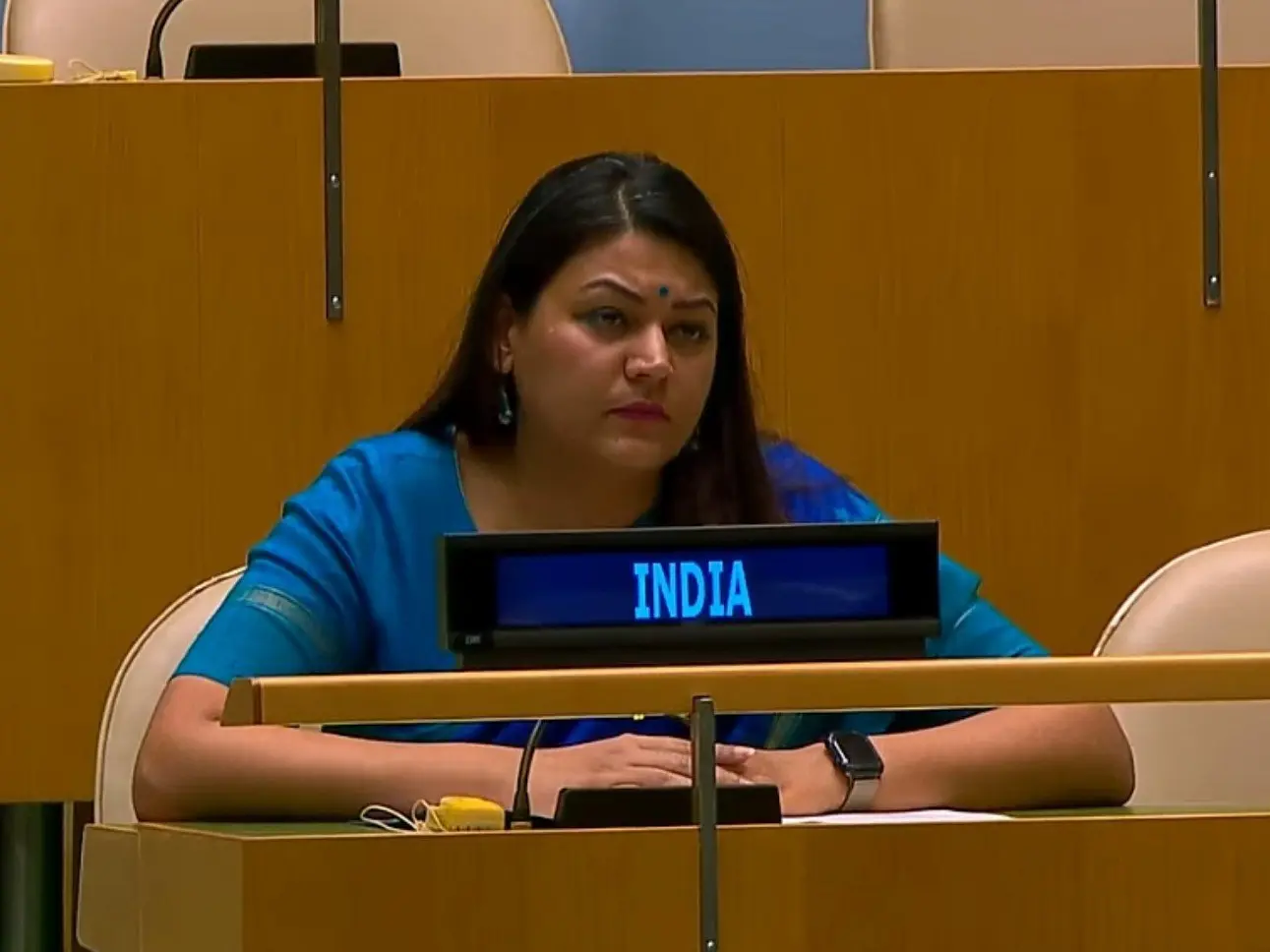)
Indian diplomat Petal Gahlot raises deteriorating situation in Pakistan-occupied Kashmir in right of reply at UN
)
'Countries far from conflict are penalised': Jaishankar calls for Gulf peace, seafarer safety at UN
)
‘It is all possible’: Putin weighs next steps on Ukraine talks, rules out Europe conflict
)
Global community 'absent' in Gulf crisis: Saudi at UN calls for freedom of navigation, pre war status for Hormuz
)
The Paradise: Nani reacts to mixed reviews from critics and audience; ‘I have also learnt from the flaws’
)
Gaza's war turned environmental damage into second crisis
)
Trump-Xi summit wrap: Big pageantry, Iran talks, few major developments and more meetings planned
)
‘Could kill billions...’: Bill Gates backs calls to slow AI development amid fears of catastrophe
)
Bollywood x K-pop crossover! LE SSERAFIM’s Kazuha charms fans with Shah Rukh Khan’s ‘Chammak Challo’ steps
)
'What kind of confession is this?': Pakistan PM Shehbaz Sharif’s 'terrorists would be roaming New York' remark goes viral, raises alarm online. Watch
)
Myanmar training camp case: US national, 6 Ukrainians allowed to meet their families abroad
)
'FIRST LOOK from inside Noah’s Ark': Researchers share video from inside mysterious mound in Turkey
)
Cindy Crawford’s son Presley Gerber cremated as death probe continues
)
WATCH | As Shehbaz Sharif claims Pakistan’s ‘victory’ during 2025 conflict, Indian diplomat R Srinivas laughs at UN
)
'A terrorist country is asking me that question?': Jaishankar hits back at Pakistani journalist at UN; flags attacks on commercial shipping
)
Russia will achieve Ukraine war aims; Europe doing everything to block peace talks: Lavrov at UN
)
‘Serial practitioner of terrorism’: Jaishankar calls out Pakistan’s ‘state-sponsored’ terror at UNGA
)
US court backs Pentagon's decision to exclude Anthropic over Claude AI restrictions
"During the layover, I personally attempted rest; sleep did not come easily, and I judged that light activity such as walking would be constructive for sleep quality," he said.
The case has put renewed focus on how India tests pilots for alcohol and drugs, what happens after a positive result?
Alcohol and drug testing are handled differently because alcohol can be measured through breath or blood alcohol concentration, while drug screening generally involves biological samples and subsequent laboratory confirmation.
Under DGCA rules, flight crew members operating scheduled flights originating from India are required to undergo a pre-flight breath-analyser examination at the first departure airport during a flight duty period. If a crew member operates a flight without undergoing the test, the person is to be taken off the roster at the first point of landing, and the matter reported to the DGCA.
India has separate but complementary rules covering alcohol and psychoactive substances. Under Rule 24 of the Aircraft Rules, 1937, a person acting as a pilot or other operating crew member cannot consume alcohol, sedatives, narcotic or stimulant drugs within 12 hours before the commencement of a flight or during the flight. The rules also prohibit crew from being in a state of intoxication or having detectable blood alcohol while performing their duties.
For alcohol, DGCA rules require pre-flight breath-analyser testing for flight crew and cabin crew on scheduled flights. The equipment and testing process are regulated, with confirmatory testing available when an initial result is positive. Positive or missed tests must be reported to the DGCA within 24 hours.
