
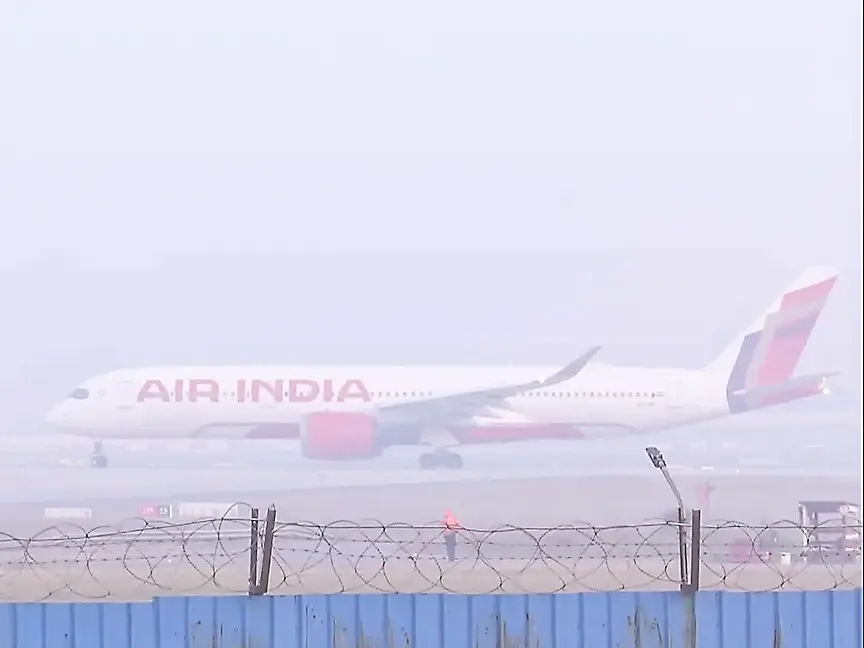
&imwidth=800&imheight=600&format=webp&quality=medium "Air India grounds Boeing 787 after fuel switch issue on London–Bengaluru flight")
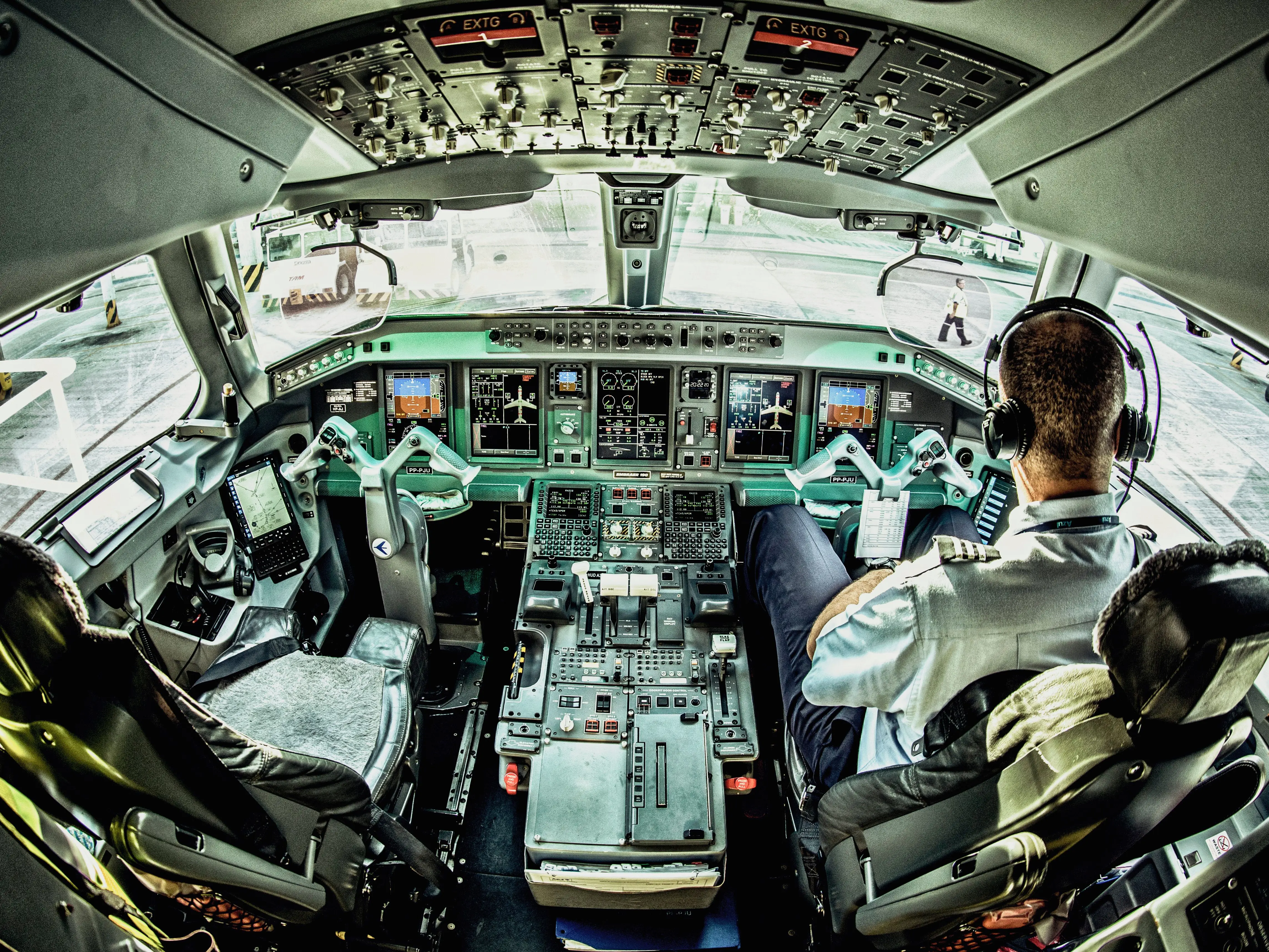
On Monday, (February 2), Air India admitted a potential technical issue involving the fuel control switch on one of its Boeing 787-8 aircraft operating the London–Bengaluru route. The airline confirmed that the aircraft has been grounded as a precautionary measure while the issue is examined in coordination with the aircraft manufacturer. The disclosure has revived concerns linked to the tragic June 12 crash of Air India Flight 171 from Ahmedabad to London, which claimed 260 lives. Investigators probing that accident had highlighted a malfunction involving fuel control switches as a critical factor.
In a statement, Air India said a pilot had flagged irregular behaviour in the fuel control switch. “Following the report, the aircraft was immediately withdrawn from service, and the OEM has been engaged to investigate the matter on priority,” the airline said. The carrier added that India’s aviation regulator, the Directorate General of Civil Aviation (DGCA), has been informed. Emphasising safety, Air India stated that passenger and crew welfare remains its foremost concern. According to the airline, inspections of fuel control switches across its entire Boeing 787 fleet had earlier been completed as per DGCA instructions, with no anomalies detected at the time. Similar checks had also been conducted on its Boeing 737 aircraft.

What happened on the London–Bengaluru flight?
The incident involved Air India flight AI132 from London Heathrow to Bengaluru. A press release issued by the Safety Matters Foundation, now circulating online, said the flight crew observed unusual behaviour in the left engine fuel control switch of the Boeing 787-8 aircraft registered as VT-ANX. During engine start-up, the switch reportedly failed twice to stay secured in the RUN position and instead drifted towards CUTOFF. Under certain circumstances, such a fault could potentially result in an unintended engine shutdown while airborne.
Trending Stories
)
Outrage erupts after 3-year-old is married to 60-year-old man in Pakistan, link to her sister's murder being probed
)
UNGA 2026: Israeli PM attacks Britain, France for past colonialism
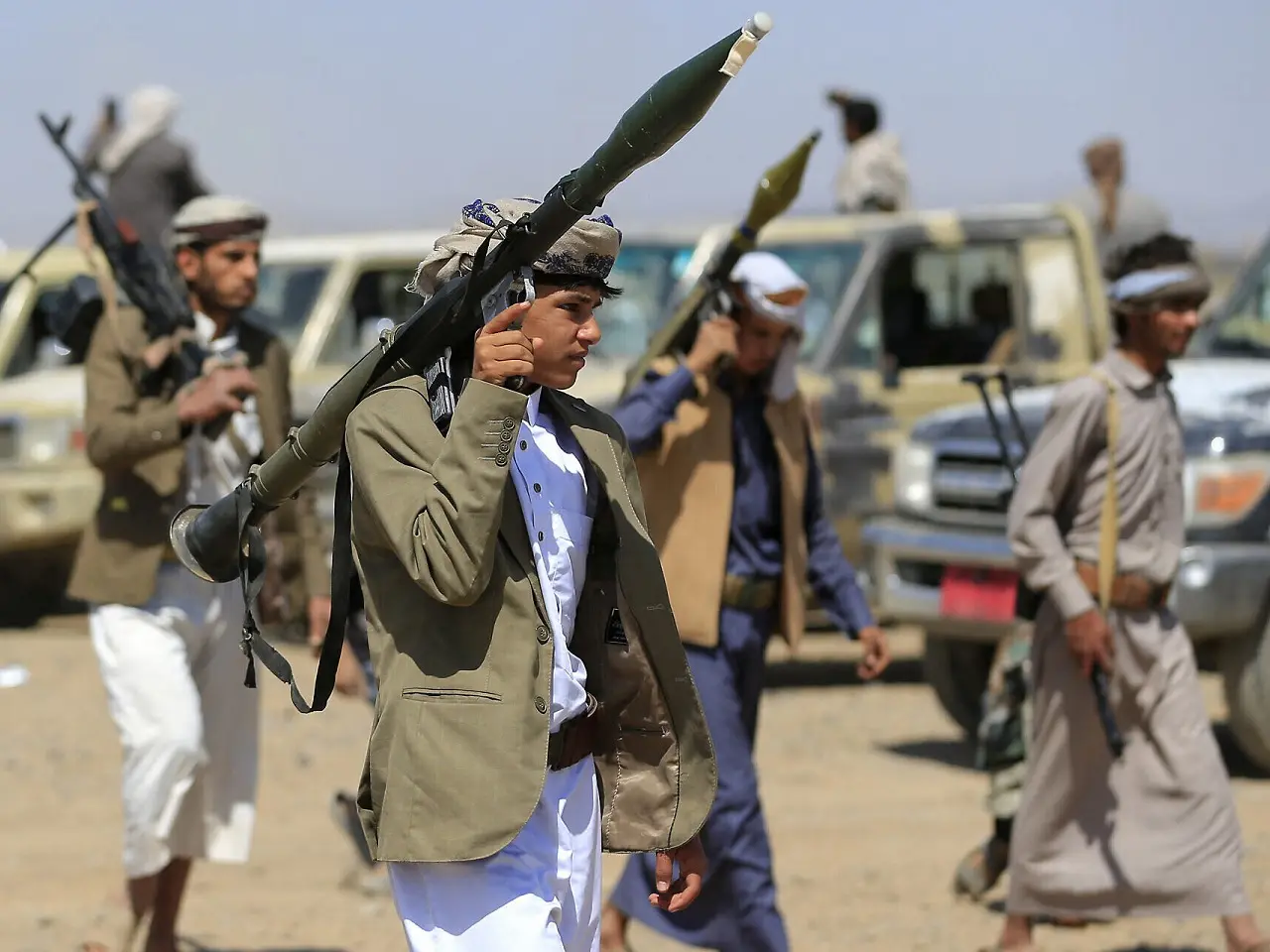)
Yemen called Trump for US military support in fight against Houthis: Official
)
Tesla is preparing something big for Optimus: new Gen 3 models surface in app
)
The Vvaan Review: This Ekta Kapoor's Tulsi Virani-coded world can't be saved by Sidharth Malhotra and Tamannaah Bhatia
)
Bollywood mourns Mushtaq Khan: Sunny Deol, Rajpal Yadav and others pay tribute
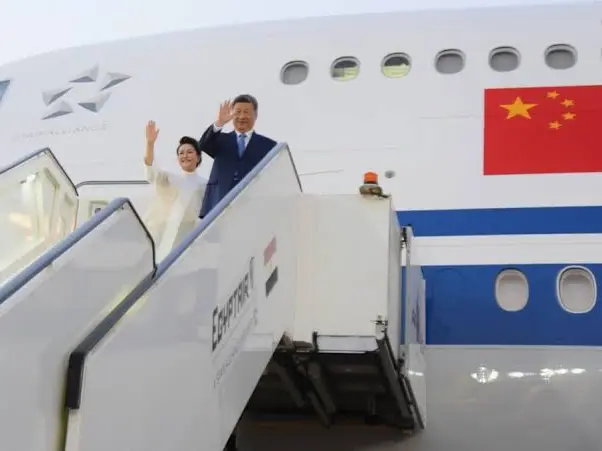)
Xi Jinping's 'special plane' vs Trump's Air Force One: What's the difference?
)
‘We’ve never gotten along better’: Trump praises Xi, jokes about White House ballroom at high-stakes state dinner
)
Alarming video emerges as landslide damages houses in Sikkim’s Rimbi village. Watch
)
OpenAI is building AI to fight cyber threats: What GPT-6 Cyber means for security
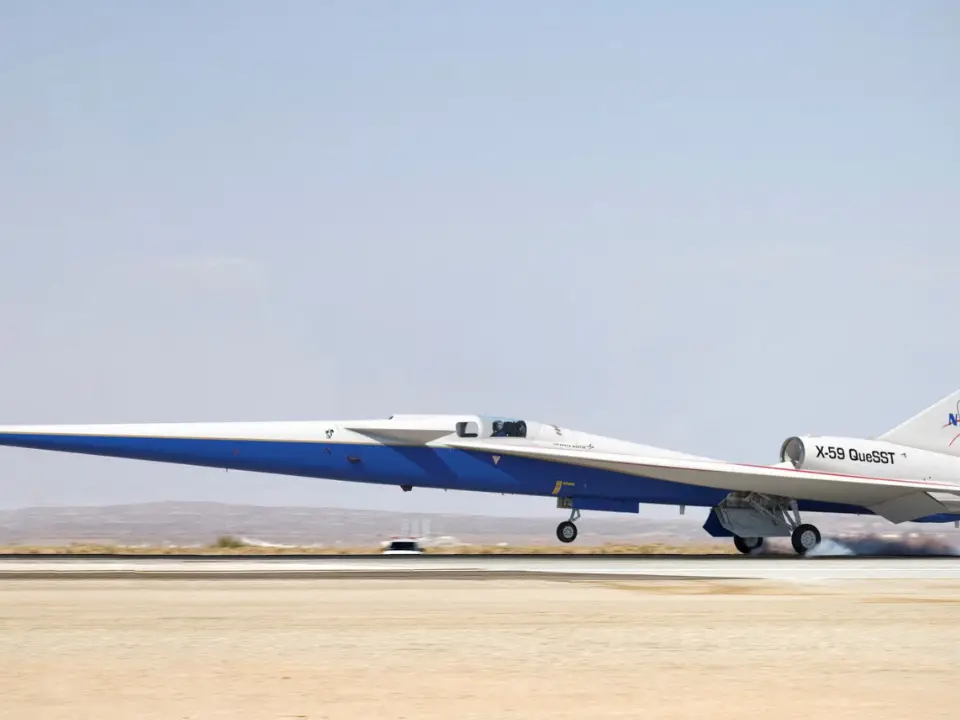)
China to test supersonic jet that moves at Mach 2, double the speed of sound
)
IIT Bombay CCTV footage emerges: Sahil Wakode seen looking at phone in examination hall
)
Scientists detect first radio signals directly from faraway planet
)
Nations League: Germany draw on Klopp debut; Portugal, Norway win
)
US faces fresh cost crunch as mortgage rates hit 7%, oil tops $107 and gas prices surge
)
2,000-foot tube, laser tests and more: China builds towns to expand nuclear arsenal, satellite images show
)
'What kind of confession is this?': Pakistan PM Shehbaz Sharif’s 'terrorists would be roaming New York' remark goes viral, raises alarm online. Watch
)
A seven-day roadmap? Iran proposes plan to end war, reopen Strait of Hormuz and resume nuclear talks
)
'Fund people, not bombs': Hundreds take to New York streets as Netanyahu delivers speech at UN; dozens arrested
)
Bias or safety concerns? Bengaluru CEO says firm will not hire men from UP, Bihar, Rajasthan, MP. Here's why
)
'Making history': Xi Jinping praises Trump as US-China leaders dine at White House
)
‘Not just a local tragedy’: Nepal PM Shah warns UN of growing climate threat, says Nepal floods were 'a warning to the world'
)
Farhan, who went viral for AK47 celebration vs India in Asia Cup, hopes to lead Pakistan beyond Asian Games
)
What’s in a name? Trump’s 'Lake America' move gets a tit-for-tat response from Canada
)
'We do not wish to continue. It's America that must choose': Iran president Pezeshkian calls on US to end war
)
Air India pilot suspended after failing pre-flight alcohol test on Zurich-Delhi route
)
WION Iconic Tourism Summit: How local tourism MSMEs must upskill for AI integration
)
WION Iconic Tourism Summit 2026: Union Minister Shekhawat on 'experiential travel', peace diplomacy
)
Israeli envoy to US Yechiel Leiter’s son critically injured in West Bank ramming attack
)
Trump gifts Xi a bald eagle sculpture at White House dinner: Here’s what it symbolises
)
West Indies coach Sammy looking at India series as opportunity to finetune ahead of ODI World Cup 2027 qualifiers
)
Meet Adrian Abraham: 9-year-old Indian-origin guitar prodigy aiming for a Guinness World Record
&im=FitAndFill=(700,400))
Netanyahu at UN: Mass walkout, attack on Mamdani and Iran threats | In Pics
)
CNN, Politico and MS NOW back in White House after judge blocks Trump’s media ban
)
'Blockbuster' nor'easter develops an eye similar to hurricanes as warnings are issued
)
Trump's welcome to Xi demonstrates 'attraction' to dictators: Chuck Schumer
Don't Be Shy movie review: A frothy coming-of-age tale that is too shy to experiment
)
'FIRST LOOK from inside Noah’s Ark': Researchers share video from inside mysterious mound in Turkey
)
Link to the Ahmedabad crash investigation
The preliminary investigation report into the July 12 Ahmedabad crash revealed that both engine fuel control switches shifted from RUN to CUTOFF shortly after takeoff, cutting engine thrust. Audio from the cockpit captured one pilot questioning why the fuel had been cut, while the other denied initiating the action. Following the loss of power, the aircraft’s Ram Air Turbine (RAT) deployed automatically to provide emergency power. Although one engine showed signs of recovery after the switches were reset, the aircraft failed to climb. A distress call was transmitted moments before the crash.

