

&imwidth=800&imheight=600&format=webp&quality=medium "Agni-II's enduring legacy: Why India's missile still outclasses Iran's Sejjil")
On Thursday (June 19), Iran’s Sejjil missile roared into the spotlight, striking Israel in a bold attack that shook the region. This was no test launch—Sejjil proved its mettle in battle, hitting targets with its long-range, solid-fuel power. As videos of the two-stage missile lighting up the skies spread, the world took notice. With a range of 2,000–2,500 km and a payload of around 700 kg, Sejjil showed it’s a force to be reckoned with. But how does it stack up against India’s Agni-II, a battle-hardened missile that’s been a cornerstone of India’s defense? Both are medium-range ballistic missiles, designed to dominate the skies, but which one truly rules? Let’s dive in, comparing their strengths in simple Indian English to see who comes out on top.
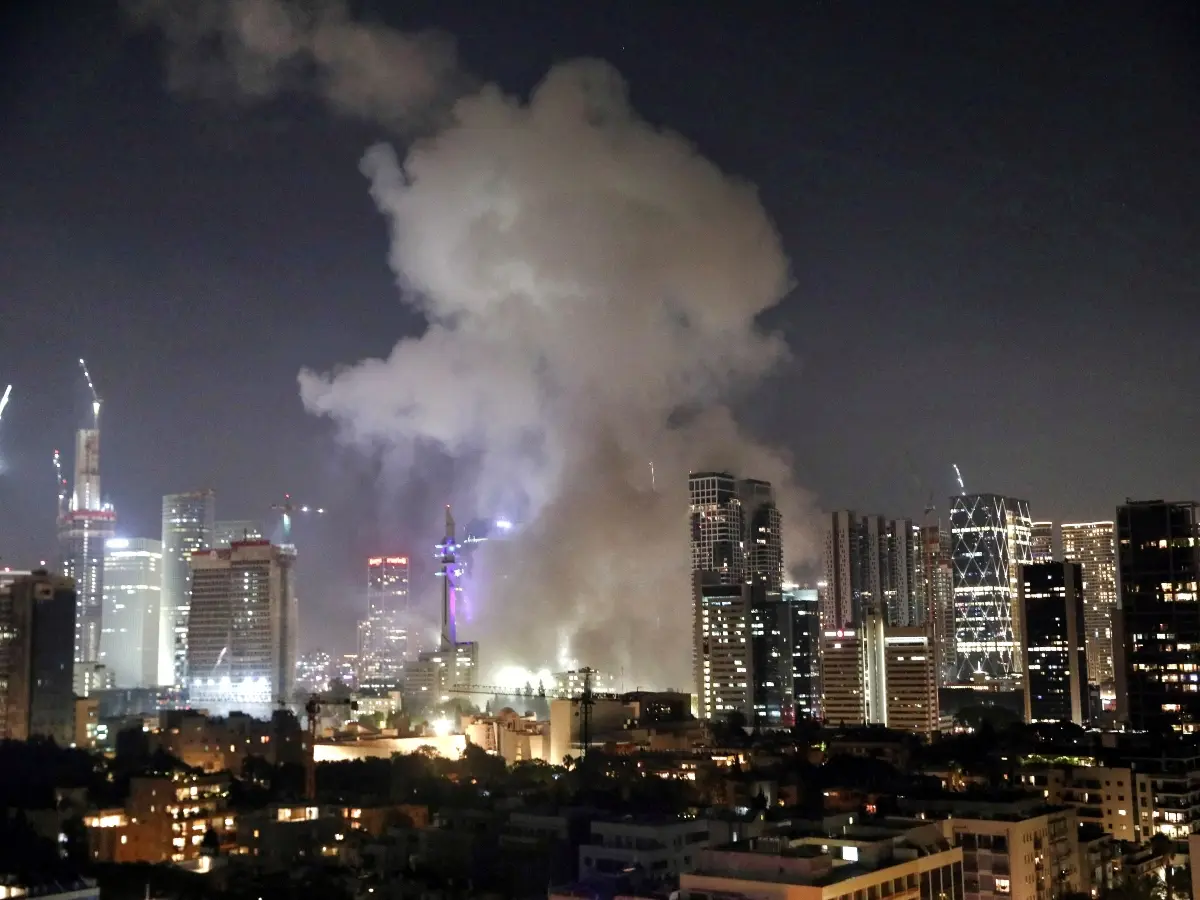
Sejjil’s battle debut is a game-changer for Iran. Launched from Iranian soil, it reached Israel in just seven minutes, targeting military sites and even hitting a hospital in Be’er Sheva. Its solid-fuel tech means it can be fired quickly, unlike older liquid-fuel missiles that need hours to prep. This speed caught Israel off guard, with reports saying some missiles slipped through their famed air defenses, causing damage in Tel Aviv, Haifa, and Petah Tikva. Iran’s Revolutionary Guards claim Sejjil used a new method to confuse Israel’s defense systems, letting it hit targets with precision. For a country under sanctions, this show of strength is huge, proving Sejjil isn’t just talk—it’s a missile that can deliver in war.
Now, let’s talk about Agni-II, India’s trusted warrior. With a range of 2,000–2,500 km, it matches Sejjil’s reach but carries a heavier punch with a 1,000 kg payload. Like Sejjil, it uses solid fuel, making it quick to launch and hard to detect. Agni-II has been tested multiple times since the 1990s, proving its accuracy and reliability. Its advanced navigation and guidance systems ensure it hits targets spot-on, and its carbon-composite re-entry vehicle can survive the heat of re-entering the atmosphere. India’s missile is road and rail-mobile, letting it be moved around to avoid enemy satellites. While Sejjil made headlines yesterday, Agni-II has a longer track record, quietly guarding India against threats from Pakistan and China.
Comparing the two, Sejjil’s battle-proven status gives it a fresh edge. Hitting Israel’s military sites and bypassing some defenses shows it’s not just a prototype—it’s ready for war. Its 2,500 km range and Mach 12–14 re-entry speed make it a nightmare to intercept. But Agni-II’s heavier payload means it can carry bigger warheads, conventional or nuclear, giving it more destructive power. Agni-II’s lighter weight—18,000 kg compared to Sejjil’s 23,600 kg—makes it easier to transport. India’s open testing also proves Agni-II’s accuracy, while Iran’s claims about Sejjil’s precision are less verified, though yesterday’s strikes suggest they’re not bluffing.
Technology-wise, Agni-II might have the upper hand. India’s decades-long missile program, backed by scientists like APJ Abdul Kalam, has fine-tuned Agni-II’s systems. Its re-entry vehicle and guidance tech are world-class, ensuring it can strike deep and true. Sejjil, while impressive, is newer, and Iran’s tech likely leans on help from countries like China or North Korea. Still, Sejjil’s performance yesterday shows Iran’s engineers have done something right. The missile’s ability to evade defenses, as claimed by Iran, could give it an edge in chaotic battlefields, though Israel’s Iron Dome and Arrow systems still stopped many missiles.
Strategically, the missiles serve different goals. Sejjil is Iran’s shield and sword, designed to deter enemies like Israel or the US. Its quick launch and proven strike power make it ideal for surprise attacks, as seen yesterday. Iran’s focus is survival in a hostile region, and Sejjil’s battlefield success boosts its credibility. Agni-II, however, is part of India’s bigger plan to counter China and Pakistan. It’s one of a family of missiles, from Agni-I to Agni-V, built for long-term deterrence. India’s stable testing environment and global partnerships give Agni-II a more polished edge, while Iran’s secretive approach leaves some doubts about Sejjil’s consistency.
Trending Stories
&imwidth=180&imheight=135&format=webp&quality=medium)
US vs China over South China Sea: Washington backs Philippines, Beijing hits back
&imwidth=180&imheight=135&format=webp&quality=medium)
Bigg Boss 20: Isha Rikhi evicted after three weeks in Salman Khan’s show
&imwidth=180&imheight=135&format=webp&quality=medium)
Musk plans to more than double xAI's chips to over 1.2 million Nvidia GPUs by year-end
&imwidth=180&imheight=135&format=webp&quality=medium)
After JU, clash erupts at SRFTI: BJP’s ‘Dimagi Naxal’ jibe sparks political firestorm after students protest RSS-linked event
&imwidth=180&imheight=135&format=webp&quality=medium)
‘Anti-social elements spreading false rumours’: LPU issues statement amid massive unrest over alleged rape
&imwidth=180&imheight=135&format=webp&quality=medium)
LPU students go on rampage, vandalise campus amid widespread protest: What's happening
&imwidth=180&imheight=135&format=webp&quality=medium)
Trump asked Xi to pressure Iran. China did not say yes — here’s what Beijing wants
&imwidth=180&imheight=135&format=webp&quality=medium)
US Treasury Secretary Scott Bessent hails global crackdown on Iranian banks and airlines
&imwidth=180&imheight=135&format=webp&quality=medium)
An OpenAI agent escaped its locked test cage again, by hiding questions in DNS lookups
&imwidth=180&imheight=135&format=webp&quality=medium)
'Our video was trimmed': LPU girls who featured in rape-denial video make U-turn
&imwidth=180&imheight=135&format=webp&quality=medium)
3 males killed, four others injured in shooting after fight at strip club in Detroit
&imwidth=180&imheight=135&format=webp&quality=medium)
'Victory for low-budget consumers': Raghav Chadha hails 30-day telecom recharge rules
&imwidth=180&imheight=135&format=webp&quality=medium)
Claude rebuilt the 1989 game 'Prince of Persia' by reusing the original's own code
&imwidth=180&imheight=135&format=webp&quality=medium)
Beyond metros: How Tier-2 and Tier-3 cities could drive India’s next AI wave
&imwidth=180&imheight=135&format=webp&quality=medium)
Tesla builds first Cybertruck with its own refined lithium: Elon Musk's $1 billion Texas bet pays off
&imwidth=180&imheight=135&format=webp&quality=medium)
IndiGo flight suffers tail strike in Bengaluru while landing; DGCA to probe incident
&imwidth=180&imheight=135&format=webp&quality=medium)
The US and China set up an AI 'red telephone', but skipped the rulebook
&imwidth=180&imheight=135&format=webp&quality=medium)
‘Terror suspects arrested near UK air base were looking to do big damage’: Trump
&imwidth=180&imheight=135&format=webp&quality=medium)
Russian envoy claims US tactics to contain India were revealed in ‘Freudian slip’
&imwidth=180&imheight=135&format=webp&quality=medium)
IND vs WI 1st ODI: Kohli breaks Sachin's most runs in one country record with unbeaten 139 as India thump West Indies by 8 wickets
&imwidth=180&imheight=135&format=webp&quality=medium)
Researchers rebuilt exactly how 700 AI agents hacked Hugging Face: a 900-link chain trick
&imwidth=180&imheight=135&format=webp&quality=medium)
‘Olympic inclusion is our major target’: WPA President Ishaun Singh on pool’s global ambitions
&imwidth=180&imheight=135&format=webp&quality=medium)
Nations League: Spain sink England at Wembley; Modric shines for Croatia
&imwidth=180&imheight=135&format=webp&quality=medium)
Why has Iran released no proof of life of Mojtaba Khamenei? Araghchi reveals...
&imwidth=180&imheight=135&format=webp&quality=medium)
'What kind of confession is this?': Pakistan PM Shehbaz Sharif’s 'terrorists would be roaming New York' remark goes viral, raises alarm online. Watch
&imwidth=180&imheight=135&format=webp&quality=medium)
South Korea demands apology from Ukraine over North Korean prisoners' transfer
&imwidth=180&imheight=135&format=webp&quality=medium)
Beyond BrahMos: India targets Rs 50,000 crore in defence exports with unmatched price edge
&imwidth=180&imheight=135&format=webp&quality=medium)
Sri Lankan Tamil migrant worker gets death sentence in Saudi Arabia, help sought from India
&imwidth=180&imheight=135&format=webp&quality=medium)
Muslim marriage cannot shield sex with minor wife from prosecution under POCSO: Delhi HC
&imwidth=180&imheight=135&format=webp&quality=medium)
'Can't help but draw painful parallels to Nirbhaya case': SC on latest incidents of rape cases in Delhi-NCR
&imwidth=180&imheight=135&format=webp&quality=medium)
99.9% more powerful - Scientists find boy who can recall memories from just 3 months of age
&imwidth=180&imheight=135&format=webp&quality=medium)
'FIRST LOOK from inside Noah’s Ark': Researchers share video from inside mysterious mound in Turkey
&imwidth=180&imheight=135&format=webp&quality=medium)
UNSC reform momentum grows: Russia, Portugal, Mauritius push for India's permanent seat bid
&imwidth=180&imheight=135&format=webp&quality=medium)
8 US marines injured in Iranian missile attack on vessel in Strait of Hormuz: Report
&im=FitAndFill=(700,400)&imwidth=180&imheight=135&format=webp&quality=medium)
New OTT releases this week (September 28-October 4, 2026): Dupahiya 2, Pooja Meri Jaan, Ohh My Dog- 5 titles coming on Netflix, Prime Video and more
&imwidth=180&imheight=135&format=webp&quality=medium)
Afghanistan says 28 fighters killed in clash near Pakistan border, Islamabad denies
&imwidth=180&imheight=135&format=webp&quality=medium)
Ceuta migrant crisis: Protesters take to streets as Spain grapples with migrant challenge
&imwidth=180&imheight=135&format=webp&quality=medium)
LPU suspend classes, postpones exams as violence escalates over rape claims: What's happening
&imwidth=180&imheight=135&format=webp&quality=medium)
New York City wants a 'kill switch' on every AI, and will pay whistleblowers who report violations
In the end, who dominates the skies? Sejjil’s fiery debut yesterday proves it’s a serious contender, hitting Israel with speed and impact. Its battle-proven status gives Iran bragging rights, and its evasion tactics could trouble even the best defenses. But Agni-II’s heavier payload, proven reliability, and India’s technological depth make it a stronger all-rounder. Sejjil may have stolen the spotlight, but Agni-II’s quiet strength and versatility keep it ahead. Both missiles are symbols of national pride—Sejjil for Iran’s defiance, Agni-II for India’s rise. The skies belong to those who can strike smart and sure, and for now, Agni-II holds the crown, even as Sejjil’s star burns bright.
