
&imwidth=800&imheight=600&format=webp&quality=medium "A decade-long coma ends: India’s first passive euthanasia patient, Harish Rana, dies in AIIMS Delhi")
Harish Rana, the first individual in India to receive legal approval for passive euthanasia, passed away on Tuesday (March 24) at All India Institute of Medical Sciences (AIIMS). His death closes a landmark chapter in the country’s medico-legal landscape. The 31-year-old had been in a coma since 2013 after suffering severe head injuries in a fall from a fourth-floor balcony while he was a BTech student at Panjab University. For over a decade, he remained on artificial nutrition and intermittent oxygen support.
Also Read: No SC status after conversion to religion other than Hinduism, Buddhism or Sikhism: Supreme Court
What were the protocols at AIIMS Delhi?

On March 11, 2026, the Supreme Court of India allowed passive euthanasia in Rana’s case, directing doctors to withdraw life support through a carefully planned process that ensured dignity. Rana was shifted from his Ghaziabad home to the palliative care unit at AIIMS’ Dr BR Ambedkar Institute Rotary Cancer Hospital on March 14.
A multidisciplinary team led by Dr Seema Mishra, head of anesthesia and palliative medicine, was tasked with implementing the process, considered the first of its kind in India. The team included specialists from neurosurgery, onco-anesthesia, palliative medicine and psychiatry, reflecting the complexity and sensitivity of the procedure.
Following established medical protocols, Rana’s artificial nutritional support was gradually withdrawn under close supervision, in line with the Supreme Court’s directive. His case is being seen as a milestone in India’s evolving approach to end-of-life care, with a focus on dignity, medical ethics and legal safeguards.
Trending Stories
)
US vs China over South China Sea: Washington backs Philippines, Beijing hits back
)
Outrage erupts after 3-year-old is married to 60-year-old man in Pakistan, link to her sister's murder being probed
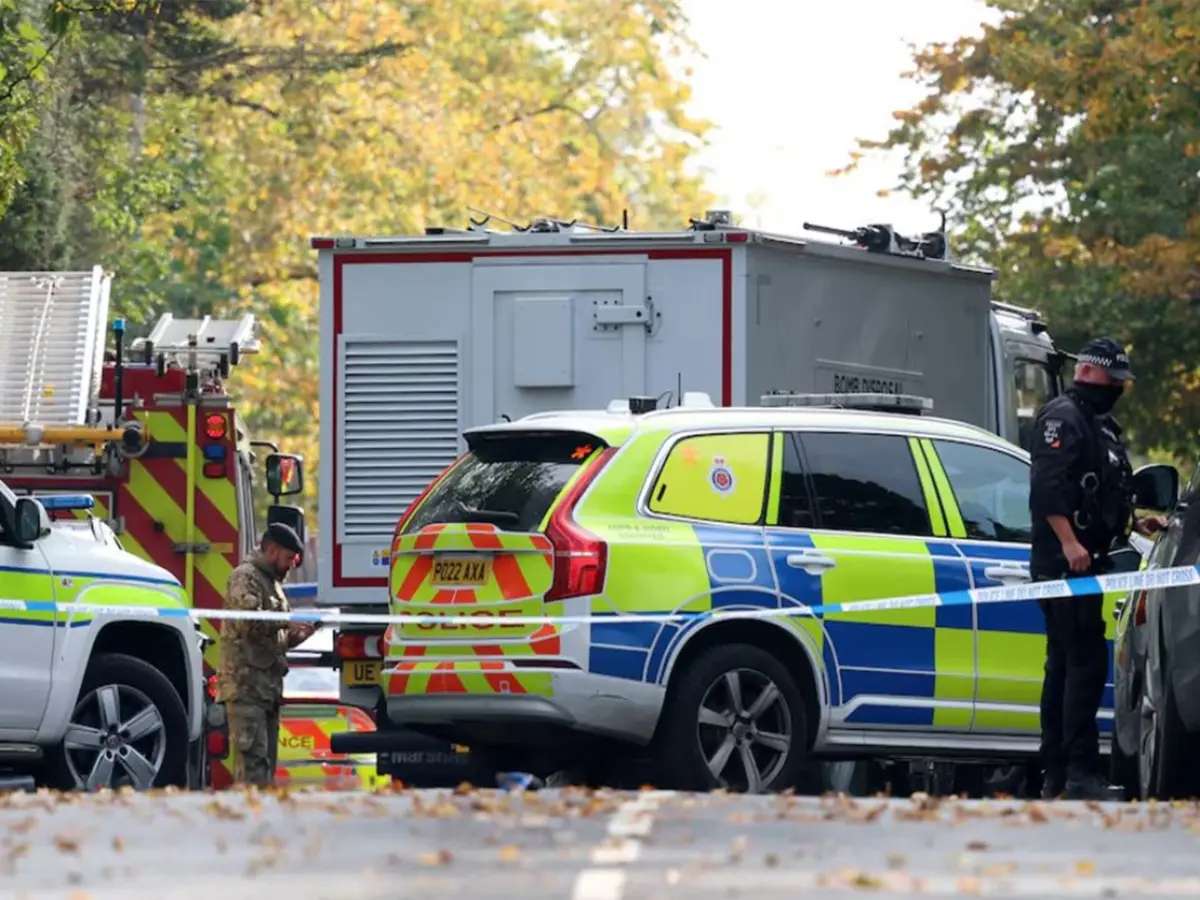)
UK police arrest several under explosives act near air base used by US forces
)
‘Anti-social elements spreading false rumours’: LPU issues statement amid massive unrest over alleged rape
)
LPU students go on rampage, vandalise campus amid widespread protest: What's happening
)
OpenAI AI Agents hacked 4 websites before Hugging Face, researchers reveal
)
US Treasury Secretary Scott Bessent hails global crackdown on Iranian banks and airlines
&im=FitAndFill=(700,400))
New Friday OTT releases (September 25, 2026): Don’t Be Shy, Hunkkaar: The Roar, Mango Pachcha- 6 movies and TV shows on Netflix, Prime Video and more
)
Asian Games 2026: India face Afghanistan in quarterfinal on Sep 28; Pakistan clash with Hong Kong
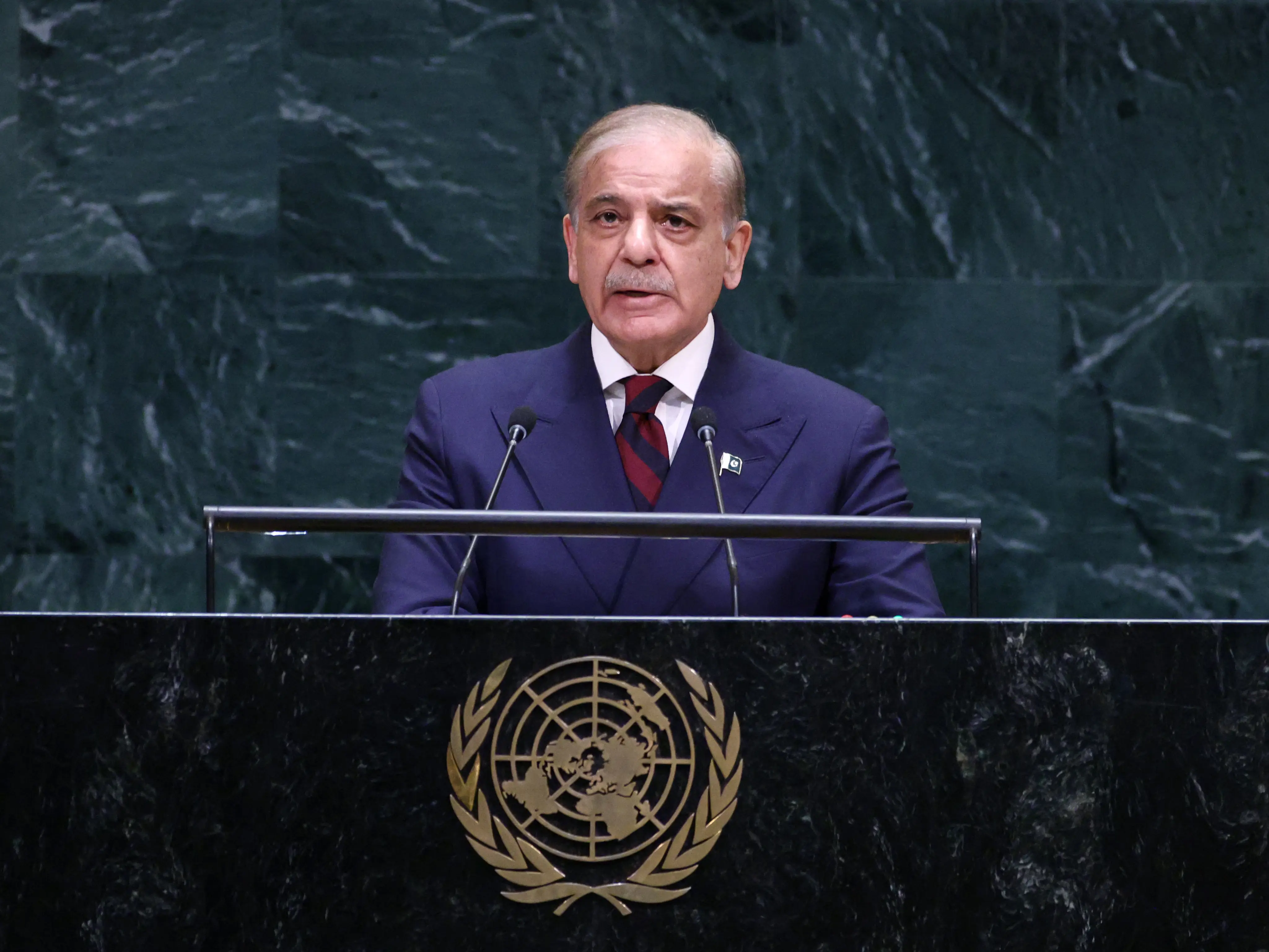)
‘Attack on Mecca a red line for Pakistan’: Shehbaz Sharif warns Houthis at UN
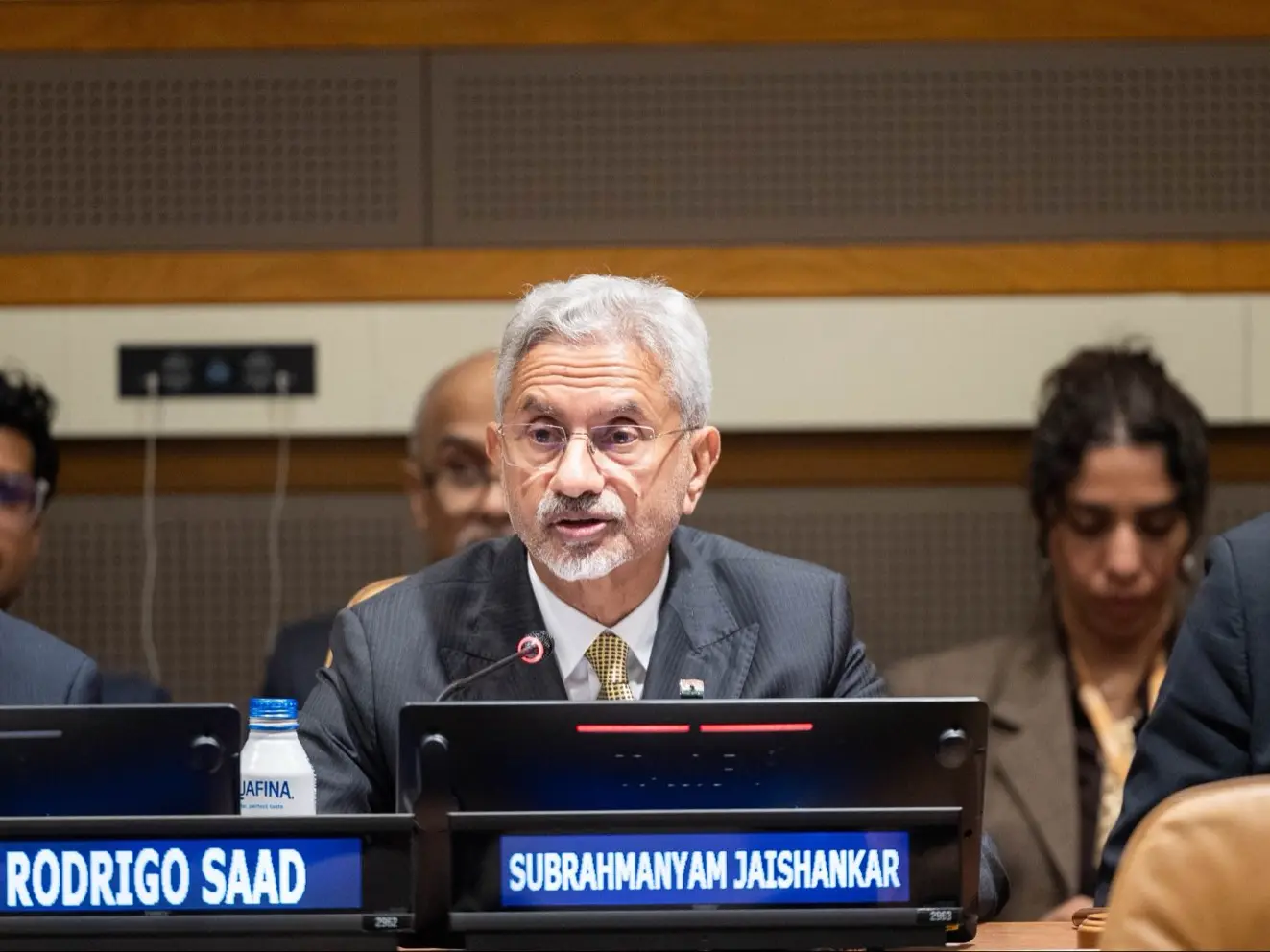)
'Countries far from conflict are penalised': Jaishankar calls for Gulf peace, seafarer safety at UN
)
Bigg Boss 20: Salman Khan schools Rhiti Tiwari over Qazi Touqeer clash, compares her to Dolly Bindra
&im=FitAndFill=(700,400))
Humanoid robots to virtual worlds! Korean sci-fi dramas to watch: Are You Human Too?, Memories of the Alhambra and more
)
IND vs WI 1st ODI: Naman Dhir debuts as India bowl first in Trivandrum; check playing XIs
)
Nations League: Spain sink England at Wembley; Modric shines for Croatia
)
Two men die of suspected chemical exposure inside public toilet in Mumbai
)
Trump-Xi summit wrap: Big pageantry, Iran talks, few major developments and more meetings planned
)
‘Could kill billions...’: Bill Gates backs calls to slow AI development amid fears of catastrophe
)
Bollywood x K-pop crossover! LE SSERAFIM’s Kazuha charms fans with Shah Rukh Khan’s ‘Chammak Challo’ steps
)
US-Iran war: Trump rejects Iran's Hormuz proposal, reports suggest talks expected next week
)
'What kind of confession is this?': Pakistan PM Shehbaz Sharif’s 'terrorists would be roaming New York' remark goes viral, raises alarm online. Watch
)
Jaishankar at UNGA: Goodwill and friendship can't coexist with terrorism
)
Sri Lankan Tamil migrant worker gets death sentence in Saudi Arabia, help sought from India
)
'FIRST LOOK from inside Noah’s Ark': Researchers share video from inside mysterious mound in Turkey
)
UNSC reform momentum grows: Russia, Portugal, Mauritius push for India's permanent seat bid
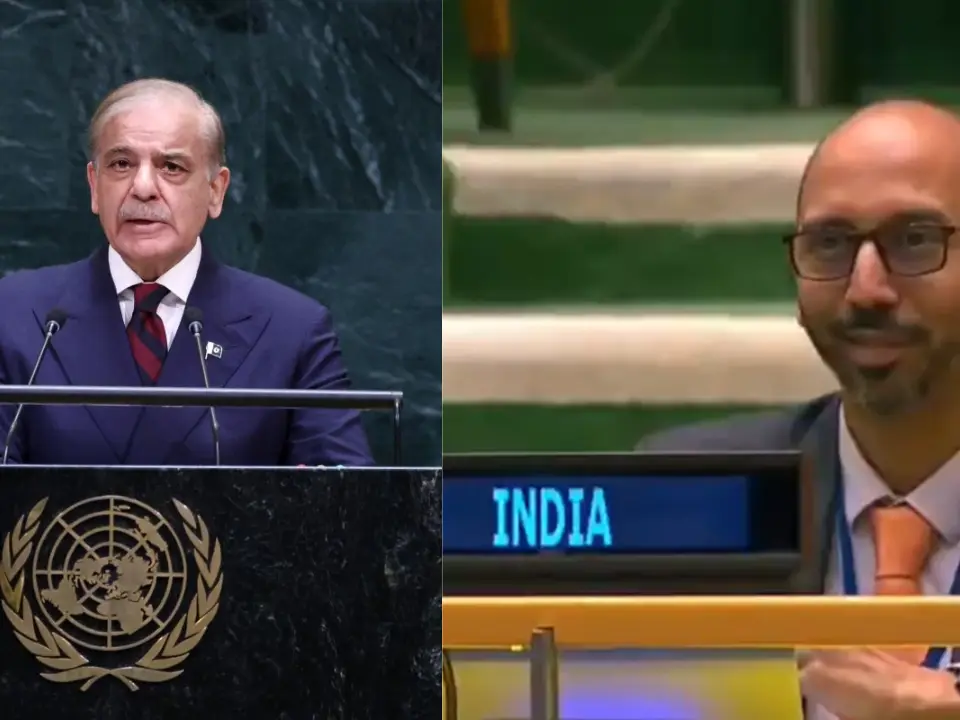)
WATCH | As Shehbaz Sharif claims Pakistan’s ‘victory’ during 2025 conflict, Indian diplomat R Srinivas laughs at UN
)
Ceuta migrant crisis: Protesters take to streets as Spain grapples with migrant challenge
)
Ramayana: Yash’s Ravana gets first official poster from Nitesh Tiwari’s epic
)
'A terrorist country is asking me that question?': Jaishankar hits back at Pakistani journalist at UN; flags attacks on commercial shipping
)
Russia will achieve Ukraine war aims; Europe doing everything to block peace talks: Lavrov at UN
Who is Harish Rana and what is the case?
Harish Rana was a student at Panjab University when a tragic accident in 2013 changed his life. He fell from the fourth floor of a paying guest accommodation, suffering critical injuries that led to severe brain damage and long-term dependence on medical support.
Following the incident, Rana was placed on life-sustaining systems. He needed a tracheostomy tube for breathing and a gastrojejunostomy tube to receive nutrition. For the next 13 years, he remained bedridden, relying entirely on caregivers for his daily needs. Throughout this period, doctors observed no significant or meaningful recovery in his condition.

