26/11 Mumbai terror attack: How India transformed its coastal security and intelligence architecture

&imwidth=600&imheight=450&format=webp&quality=medium "26/11 Mumbai terror attack: How India transformed its coastal security and intelligence architecture")
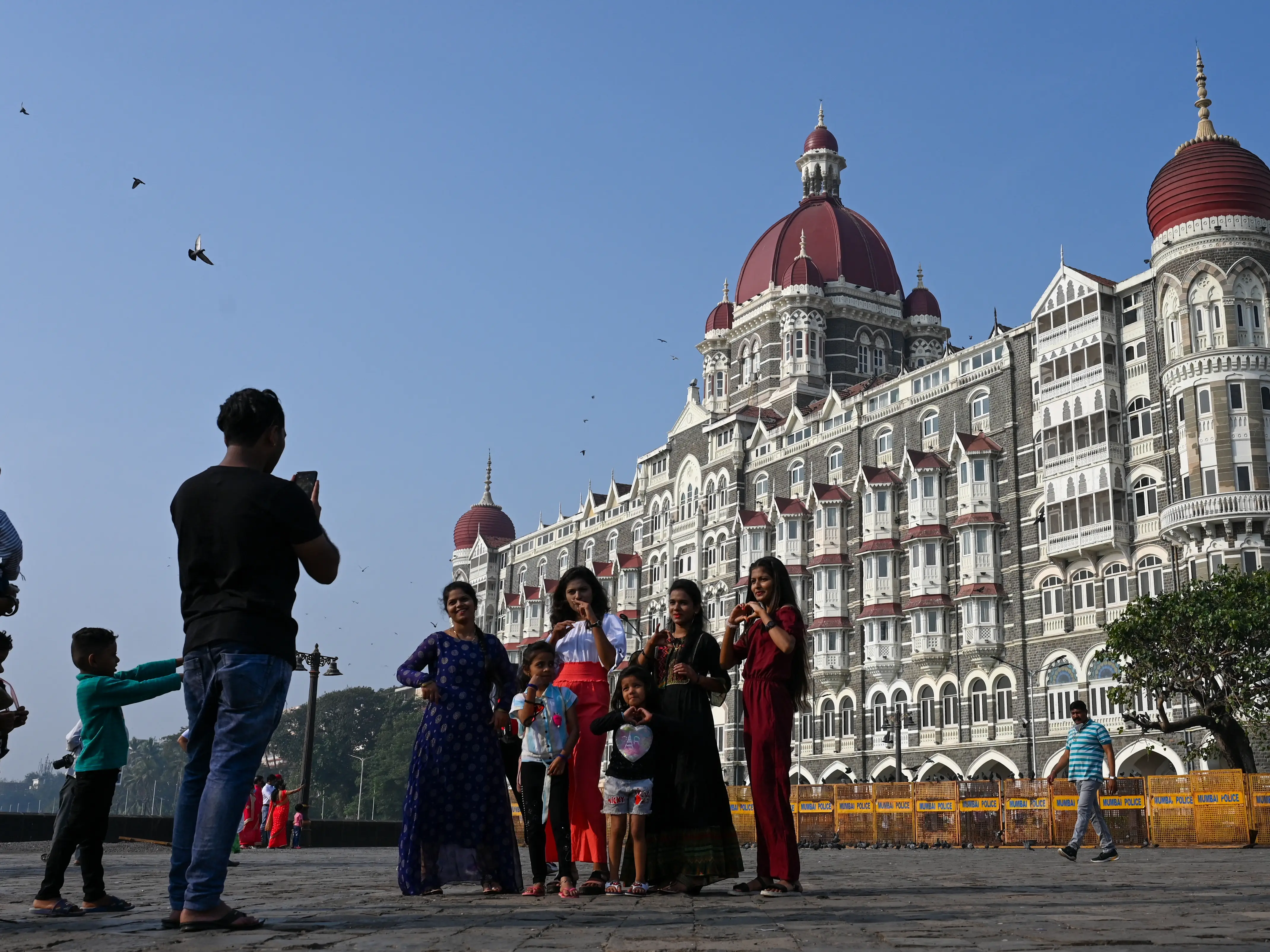
Tourists visit near the Taj Mahal Palace hotel, one of the sites of the 2008 terrorist attacks Photograph: (AFP)
Following the 26/11 Mumbai terror attack in 2008, India reformed its coastal security, intelligence, and surveillance frameworks, enhancing national security measures
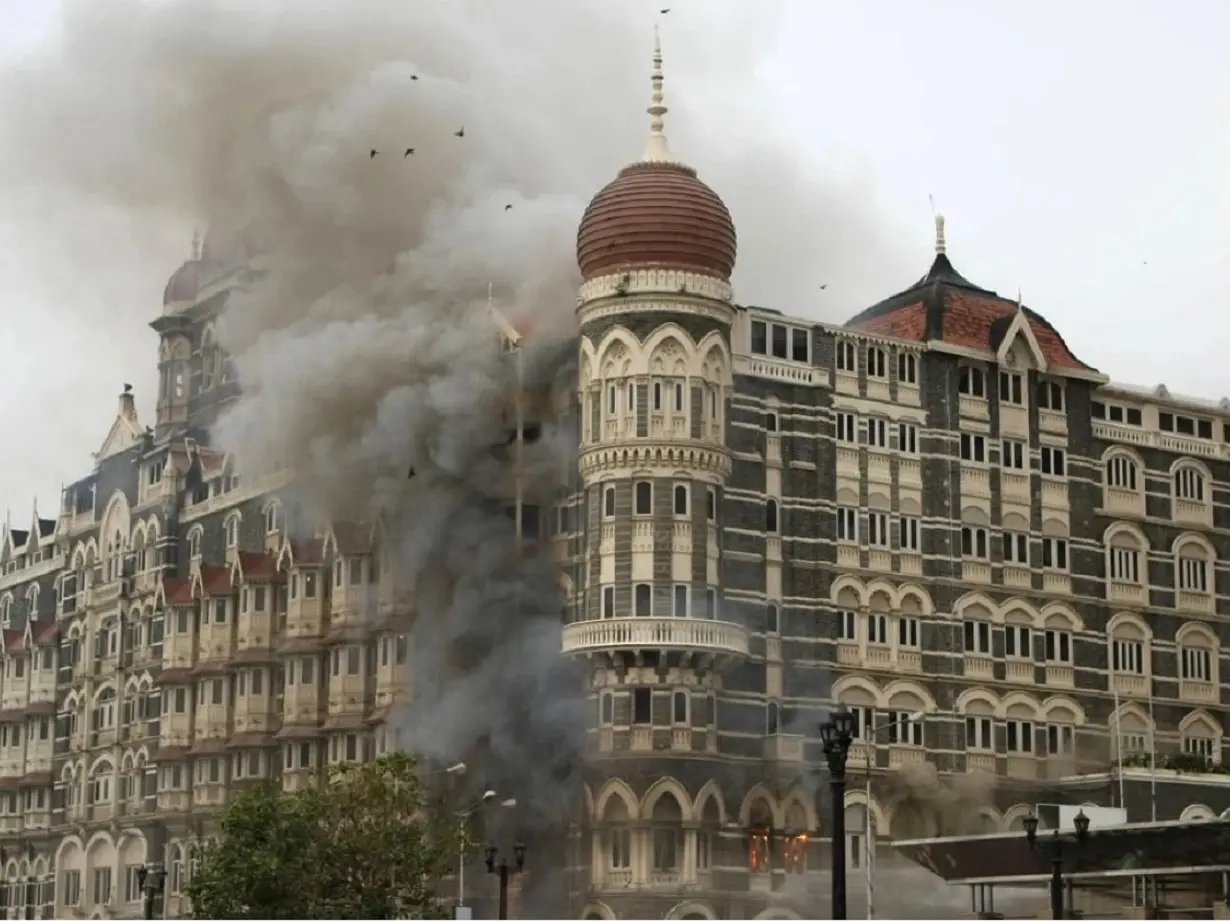
On November 26, 2008, the world witnessed one of the most horrifying terrorist attacks in India, when a group of terrorists carried out a series of coordinated attacks in Mumbai, resulting in significant loss of life and widespread destruction. The attack, which lasted for nearly four days, brought to light serious gaps in India’s internal security and counter-terrorism framework, particularly in its maritime security systems. The attackers arrived through sea, bypassing the country's coastal defenses and breaching its maritime security protocols with ease. In response to this devastating assault, India took significant strides to overhaul its security infrastructure, focusing on both intelligence capabilities and maritime security.
In the years following the attack, India’s leadership recognised the urgency of strengthening national security, ensuring better coordination among law enforcement agencies, and closing the security gaps that allowed the attack to unfold. This comprehensive effort led to sweeping changes across various sectors, from the coastlines to the intelligence agencies, marking the beginning of a new era of security reforms.
Coastal security reforms
India’s coastal security infrastructure underwent a massive overhaul post-26/11. Before the attack, India had a fragmented approach to maritime security, with multiple agencies responsible for different aspects of coastal defense, but lacking central coordination. Following the attack, a whole-of-government approach was adopted, which focused on improving coordination, increasing surveillance capabilities, and ensuring rapid responses to potential threats.
A key reform was the designation of the Indian Navy as the primary authority responsible for overall maritime security, which includes both coastal and offshore security. Prior to 26/11, maritime security was handled by various agencies, including the Coast Guard and the state marine police, but the Navy’s central role was solidified in the aftermath of the attack. The Navy’s leadership ensures that all maritime security functions are carried out efficiently and comprehensively, with other agencies such as the Coast Guard, State Marine Police, and various intelligence agencies working in a unified manner under its command.
Setting up Joint Operations Centres (JOCs)
Trending Stories
)
&im=FitAndFill=(700,400))
&im=FitAndFill=(700,400))
)
)
)
)
)
)
)
)
)
)
)
)
)
)
)
)
)
)
)
)
)
)
)
)
)
&im=FitAndFill=(700,400))
)
)
)
)
)
)
The establishment of Joint Operations Centres (JOCs) in key coastal cities—Mumbai, Visakhapatnam, Kochi, and Port Blair—was one of the most important reforms. These centers act as hubs for coordinating the response to maritime threats and are jointly operated by the Indian Navy and Coast Guard. The centers also integrate inputs from multiple agencies, including the Indian Army, Border Security Force (BSF), Customs, and Intelligence Bureau (IB), ensuring a more holistic response to security challenges.
In an effort to strengthen its coastal defenses, the Indian Navy formed the Sagar Prahari Bal (SPB), a specialised unit equipped with 80 Fast Interceptor Crafts (FICs) and over 1,000 personnel. The SPB is tasked with patrolling India's coastal waters, particularly in high-risk areas, and providing a rapid response to any suspicious activity or maritime threats. The SPB plays a crucial role in ensuring the safety of India's extensive coastline and offshore areas, which span more than 7,500 kilometers.
Surveillance and monitoring: Coastal radar chains and AIS
Post-26/11, India made significant strides in enhancing its Maritime Domain Awareness (MDA) by setting up a Coastal Radar Chain along its coastline. This network of radar systems helps in real-time monitoring of maritime traffic, providing early warnings of any intrusions or illegal activity. Additionally, the government focused on building an Automatic Identification System (AIS) network, which helps track and identify vessels operating in Indian waters.
Fishermen and coastal communities
An often-overlooked aspect of coastal security is the role of local communities, especially fishermen, in identifying and reporting suspicious activities. Recognising this, the Indian Navy and Coast Guard have initiated awareness drives to educate coastal communities on security protocols and the importance of vigilance. The government also made efforts to register all vessels operating along the coast and to provide identity cards to fishermen and coastal populations. This has allowed security agencies to better monitor the movements of fishing boats and small vessels, ensuring that they are not exploited for illicit activities.
Intelligence sharing and surveillance
The 26/11 attacks exposed not only weaknesses in physical security but also in India’s intelligence-sharing mechanisms. In response, the Indian government focused on creating a more integrated and real-time intelligence framework, enhancing both the collection and dissemination of data between agencies.
National Intelligence Grid (NATGRID)
One of the flagship projects launched post-26/11 was the National Intelligence Grid (NATGRID), which aims to connect 21 user agencies, including law enforcement and intelligence agencies, with data providers across multiple sectors such as banking, airlines, railways, telecom, and more. The project uses cutting-edge technologies, including artificial intelligence (AI) and big data analytics, to sift through massive amounts of data to detect patterns that may indicate terrorist activities or other threats to national security.
NATGRID’s central aim is to provide predictive intelligence and real-time analysis, allowing authorities to act swiftly to preempt terrorist acts or security breaches. However, this system has raised concerns about privacy, as it potentially enables 360-degree surveillance on citizens without proper checks and balances. These concerns were magnified due to the absence of specific laws regulating such a vast surveillance system, leaving the project vulnerable to misuse.
Crime and Criminal Tracking Network System (CCTNS)
Another important initiative to streamline intelligence was the Crime and Criminal Tracking Network and Systems (CCTNS), which connects police stations across India into a single network. This system helps law enforcement agencies access real-time data about criminal activities, track investigations, and share information. The goal is to improve the efficiency of policing and help agencies track criminals across the country, particularly in cases related to terrorism and organized crime. CCTNS also facilitates improved data sharing among different state and central agencies.
NETRA: Real-Time Internet Traffic Monitoring
The Indian government also introduced NETRA, a surveillance tool developed by the Defence Research and Development Organisation (DRDO), which is designed to intercept internet traffic for certain predefined keywords (such as "attack" or "bomb"). While NETRA’s primary purpose is to identify and prevent terrorist activities, its broad scope and lack of clear limitations have sparked debates on freedom of expression and privacy violations. Critics argue that the system could be used to infringe on citizens' rights without proper oversight.
Striking the right balance
The 26/11 Mumbai terror attack was a tragic turning point that led to a major overhaul of India’s security infrastructure. The country has made significant strides in strengthening its coastal security, intelligence capabilities, and surveillance systems, and these reforms have been instrumental in preventing subsequent attacks.

