'Opposition misleading on GST,' says Sitharaman as government unveils new tax slabs

&imwidth=600&imheight=450&format=webp&quality=medium "'Opposition misleading on GST,' says Sitharaman as government unveils new tax slabs")
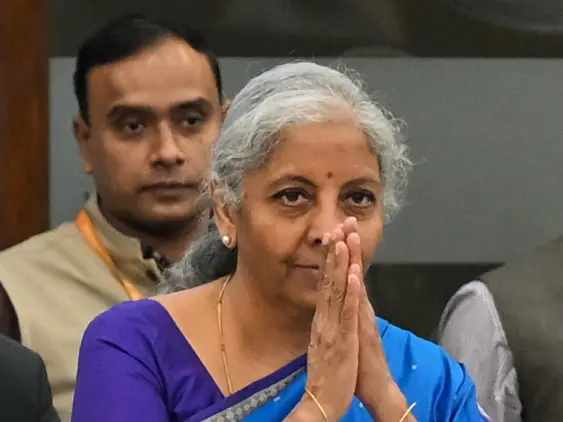
Nirmala Sitharaman Photograph: (ANI)
Finance Minister Sitharaman defends GST revamp, says new 5%, 18% and 40% slabs will ease burden on families; accuses Opposition of spreading misinformation
Finance Minister Nirmala Sitharaman on Saturday (September 6) accused Opposition parties of spreading misinformation about the Goods and Services Tax (GST), insisting that the structure was not designed by the BJP alone but was the outcome of decisions taken collectively by the Empowered Committee of state finance ministers.
She explained that the GST Council has approved a new structure that replaces the earlier four-slab system of 5%, 12%, 18% and 28% with a simplified arrangement. Going forward, most essential items will attract a 5% tax, while the majority of other goods and services will be taxed at 18%. In addition, a 40% slab has been introduced for luxury and so-called sin goods, which will take effect on September 22.
Calling the change a “reform for the people,” Sitharaman argued that rationalising tax rates will encourage consumption and ease the financial burden on households. She emphasised that the reform will touch every citizen. “GST impacts everyone, even the poorest, since it applies to small everyday purchases,” she was quoted as saying in an interview with news agency PTI.
Also Read: WATCH: Student slapped, abused by classmates inside Amity University campus, FIR logged against 5
Sitharaman further stressed that the initiative is not merely about revising rates but also about making the system easier to navigate for businesses. She added that the government had taken extra care to examine taxes on items used in daily life, and in most cases, rates have been significantly reduced.
Trending Stories
)
)
)
)
)
)
)
)
)
)
)
)
)
)
)
)
)
)
)
)
)
&im=FitAndFill=(700,400))
)
)
)
)
)
)
)
)
)
)
)
)
)
)
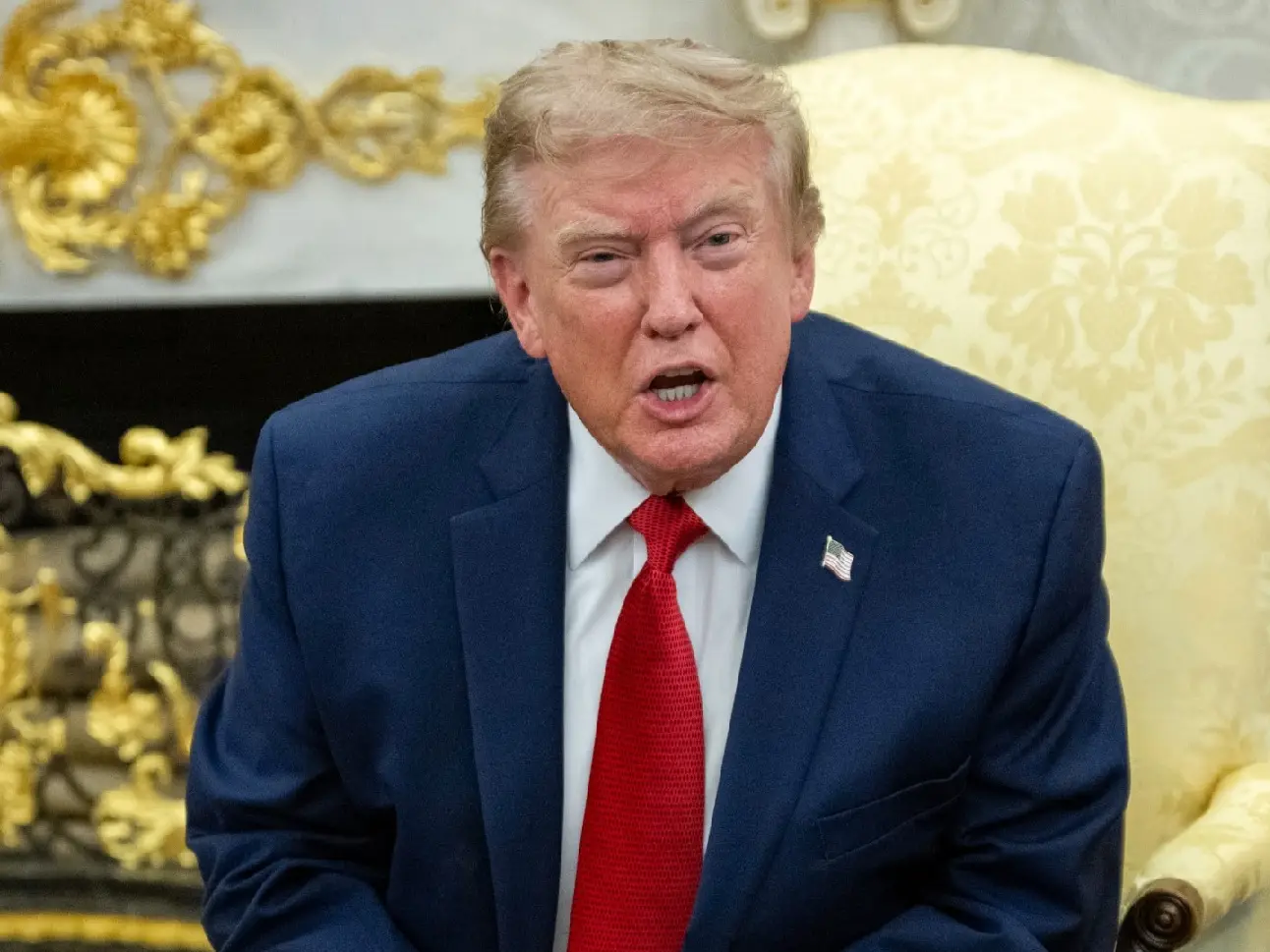
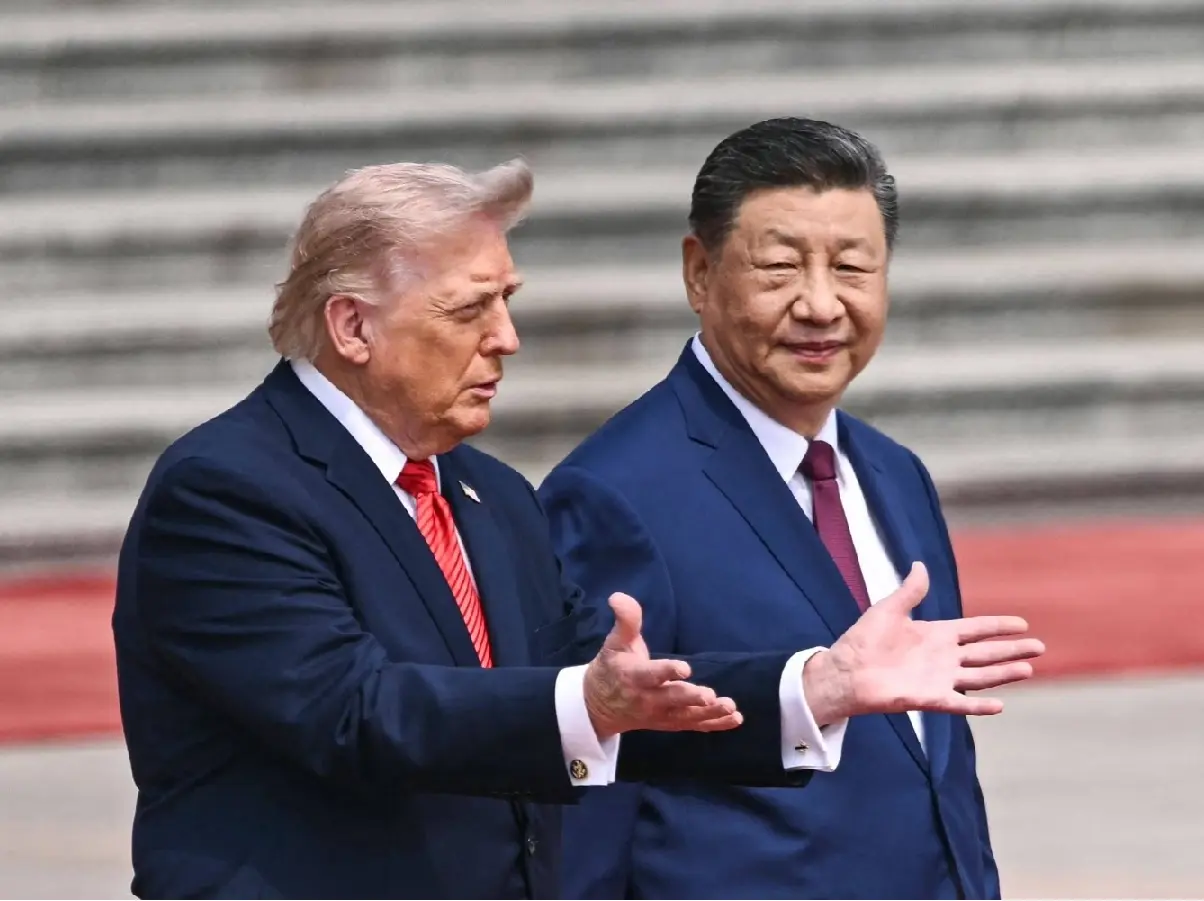
On Friday (September 5), Nirmala Sitharaman announced that the government is preparing relief measures for Indian exporters hit hard by steep US tariffs. The statement comes after Washington, under President Donald Trump, imposed higher duties on Indian goods last month, partly in response to New Delhi’s continued imports of Russian crude oil. The revised tariffs, which affect categories such as garments, jewellery, footwear, and chemicals, have been raised to as high as 50%.

