&imwidth=800&imheight=600&format=webp&quality=medium "‘No need to panic’: Govt says PM Modi’s appeal aimed at collective participation, fuel stocks sufficient")
Following Prime Minister Narendra Modi’s recent appeal to citizens to support the country during the ongoing West Asia crisis, a senior official from the Ministry of Information and Broadcasting on Monday (May 11) clarified that the message was intended to encourage “collective participation” in dealing with global economic challenges.
Addressing reporters after an inter-ministerial meeting in New Delhi, C Senthil Rajan, Joint Secretary in the Ministry of Information and Broadcasting, explained the purpose behind the Prime Minister’s remarks.
Rajan said, “Prime Minister, in his speech in Hyderabad, has called for a collective participation to help India face global economic disruptions, supply chain challenges, and rising prices caused by international conflicts. He has emphasised the need for citizens to live responsibly and fulfil their duties towards the country during difficult times. The idea is for optimum and efficient utilisation of the available resources. And we request all of you to kindly report the spirit in which he has made this appeal.”

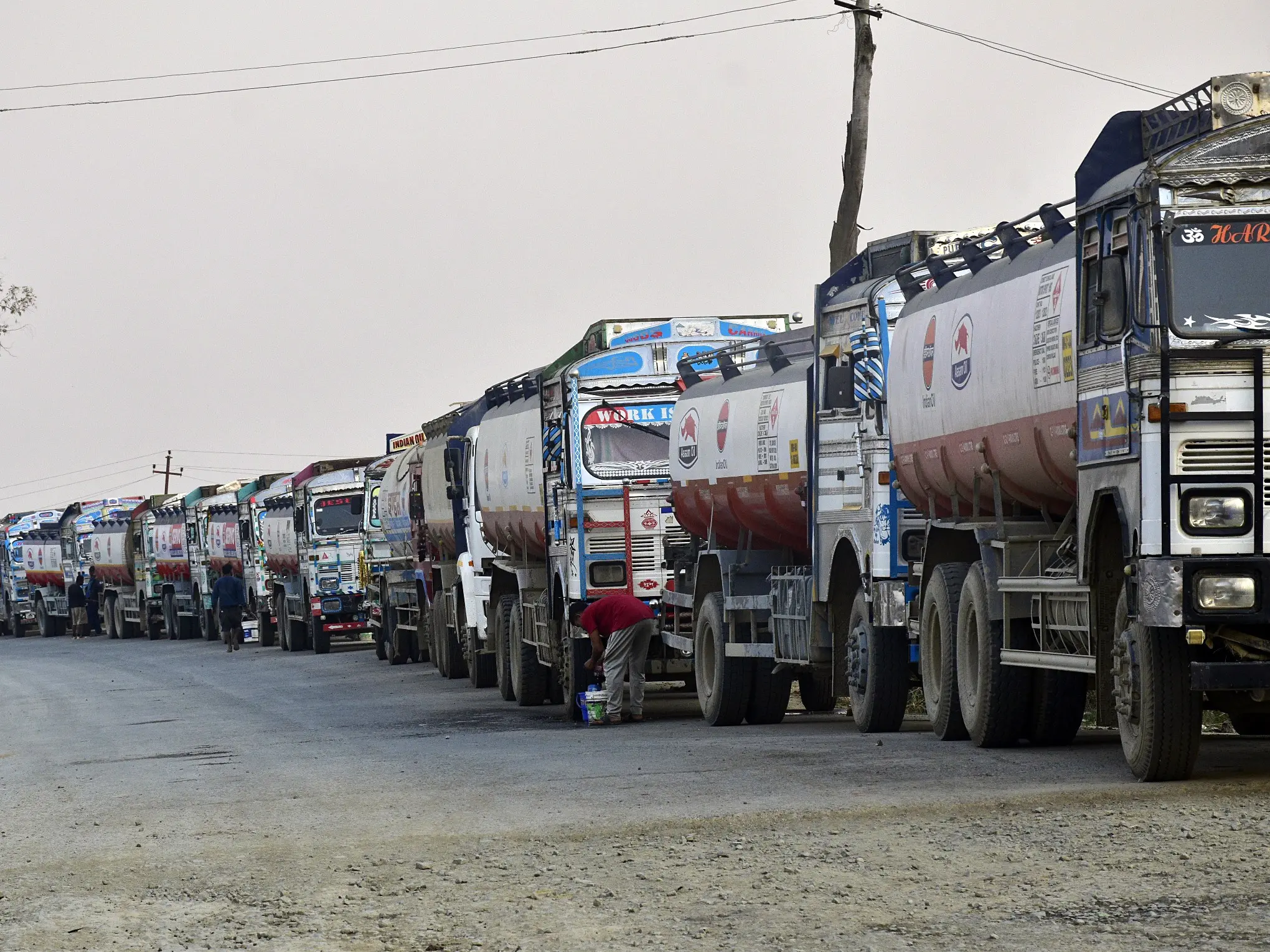
He also assured that India currently has adequate supplies of essential resources and said the Prime Minister’s suggestions, including promoting domestic tourism and postponing non-essential purchases, were aimed at strengthening the economy during uncertain global conditions.
“The Prime Minister has just made this appeal in the spirit that we actually take steps to efficiently utilise whatever is available. Just to repeat again what he said, he has appealed to citizens to help conserve foreign exchange reserves by avoiding unnecessary foreign travel, overseas vacations, and foreign weddings; choosing domestic tourism and celebrations within India,” Rajan added.
Trending Stories
)
What’s in a name? Trump’s 'Lake America' move gets a tit-for-tat response from Canada
)
Trump gifts Xi a bald eagle sculpture at White House dinner: Here’s what it symbolises
)
‘Not just a local tragedy’: Nepal PM Shah warns UN of growing climate threat, says Nepal floods were 'a warning to the world'
)
CNN, Politico and MS NOW back in White House after judge blocks Trump’s media ban
)
US judge questions Trump’s decision to ban CNN, MS NOW and Politico from White House
)
Farhan, who went viral for AK47 celebration vs India in Asia Cup, hopes to lead Pakistan beyond Asian Games
)
'We would all be dead': Netanyahu defends decision to strike Iran's nuclear facilities in his UN speech
)
IIT Bombay CCTV footage emerges: Sahil Wakode seen looking at phone in examination hall
)
Cyclone Arnab: Landfall expected before midnight tomorrow as IMD issues orange alerts across six states
)
Welcome actor Mushtaq Khan dies at 56 after battling cancer
)
Trump's welcome to Xi demonstrates 'attraction' to dictators: Chuck Schumer
)
WION Iconic Tourism Summit 2026: Union Minister Shekhawat on 'experiential travel', peace diplomacy
)
Nations League: Germany draw on Klopp debut; Portugal, Norway win
)
Scientists detect first radio signals directly from faraway planet
)
A seven-day roadmap? Iran proposes plan to end war, reopen Strait of Hormuz and resume nuclear talks
)
China to test supersonic jet that moves at Mach 2, double the speed of sound
)
Xi Jinping's 'special plane' vs Trump's Air Force One: What's the difference?
)
UNGA 2026: Israeli PM attacks Britain, France for past colonialism
)
West Indies coach Sammy looking at India series as opportunity to finetune ahead of ODI World Cup 2027 qualifiers
)
‘We’ve never gotten along better’: Trump praises Xi, jokes about White House ballroom at high-stakes state dinner
)
Nearly half of young people trust AI over humans to check facts, major study finds
)
'Partners rather than rivals': Xi Jinping's first message after landing in US for Trump summit
)
Yemen called Trump for US military support in fight against Houthis: Official
)
2,000-foot tube, laser tests and more: China builds towns to expand nuclear arsenal, satellite images show
)
Meet Adrian Abraham: 9-year-old Indian-origin guitar prodigy aiming for a Guinness World Record
)
US faces fresh cost crunch as mortgage rates hit 7%, oil tops $107 and gas prices surge
)
Trump-Xi state dinner 2026: Who is invited? Full guest list of tech CEOs, business leaders and officials
)
Alarming video emerges as landslide damages houses in Sikkim’s Rimbi village. Watch
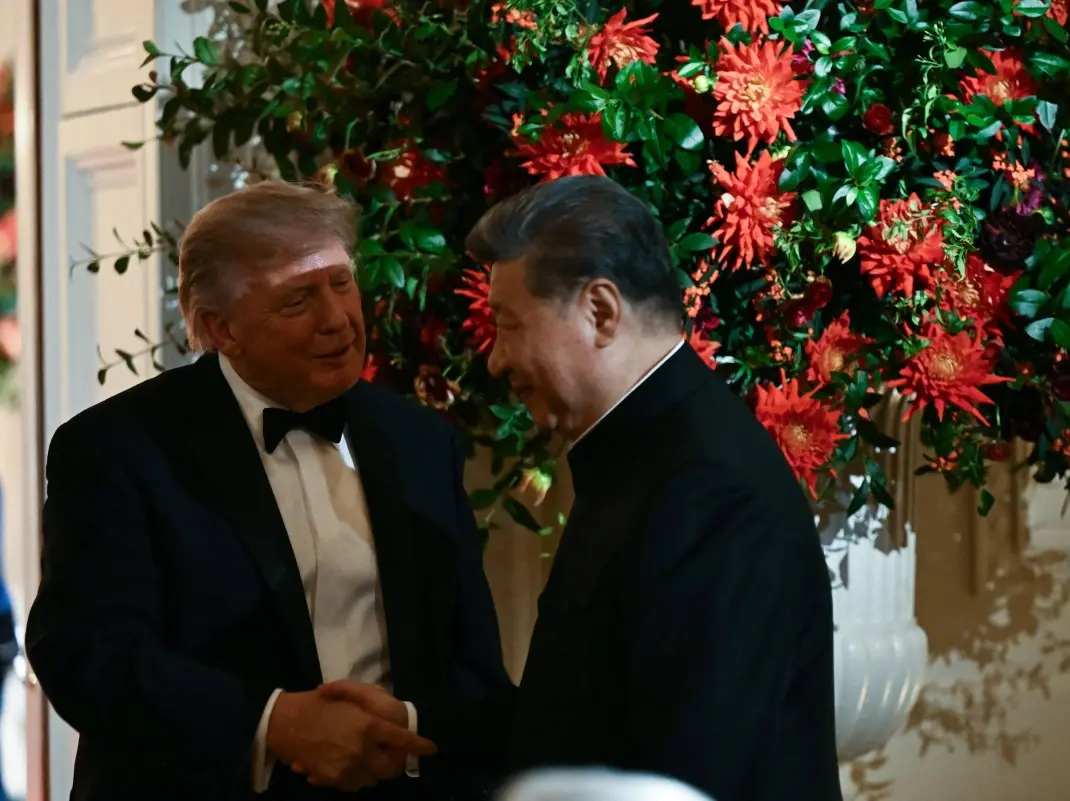)
'Making history': Xi Jinping praises Trump as US-China leaders dine at White House
)
Australian PM Anthony Albanese calls OpenAI AI incident 'unacceptable' after restricted data access
)
'What kind of confession is this?': Pakistan PM Shehbaz Sharif’s 'terrorists would be roaming New York' remark goes viral, raises alarm online. Watch
&im=FitAndFill=(700,400))
Netanyahu at UN: Mass walkout, attack on Mamdani and Iran threats | In Pics
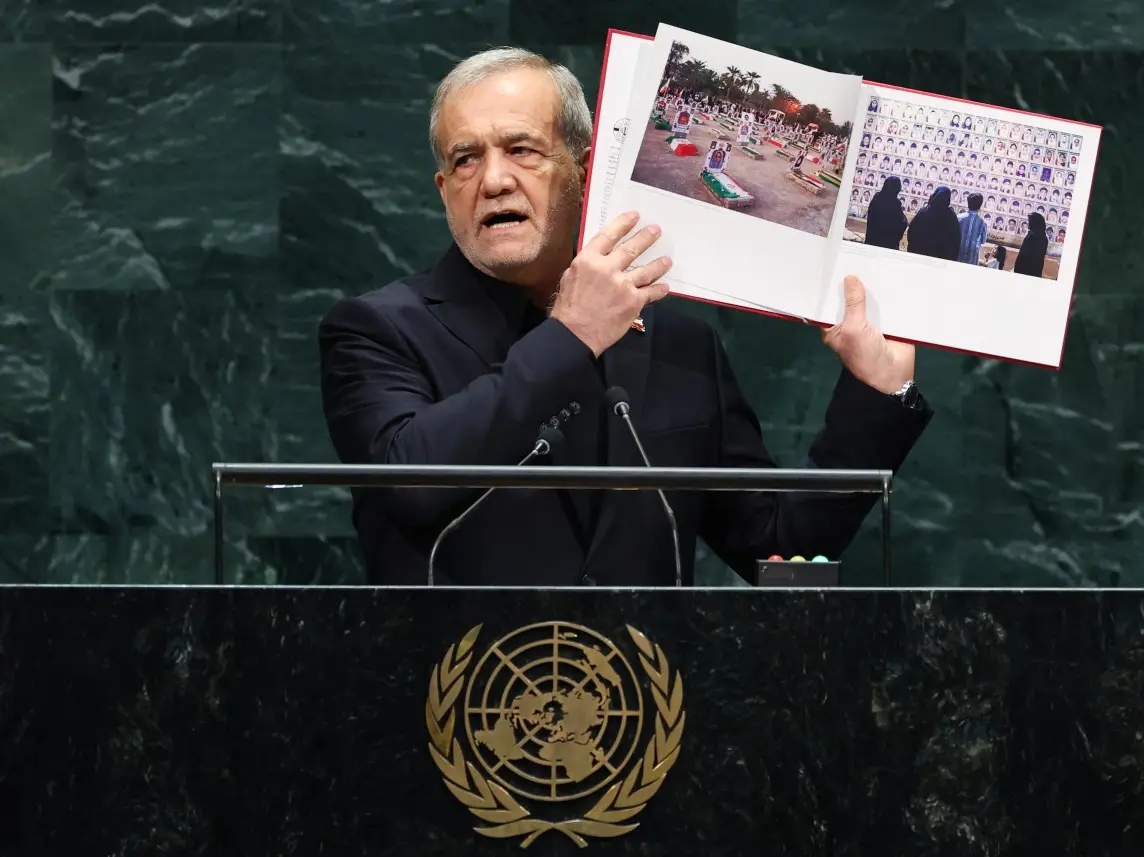)
'We do not wish to continue. It's America that must choose': Iran president Pezeshkian calls on US to end war
)
WION Iconic Tourism Summit: How local tourism MSMEs must upskill for AI integration
)
Bollywood mourns Mushtaq Khan: Sunny Deol, Rajpal Yadav and others pay tribute
)
EC appointment law: Why is the 2023 act controversial, and what happens next? WION explains
)
Who is Lt-Gen Nauman Mahmood, Pakistan's first secretary general of Makkah Defence Alliance?
)
Israeli envoy to US Yechiel Leiter’s son critically injured in West Bank ramming attack
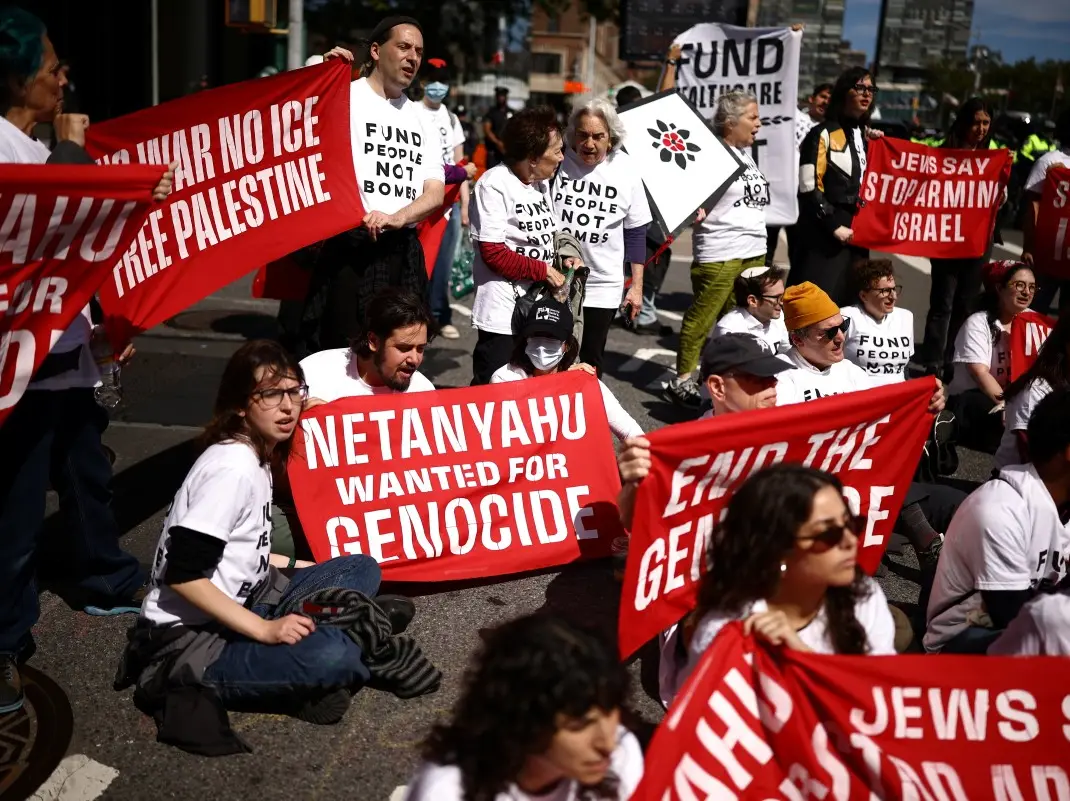)
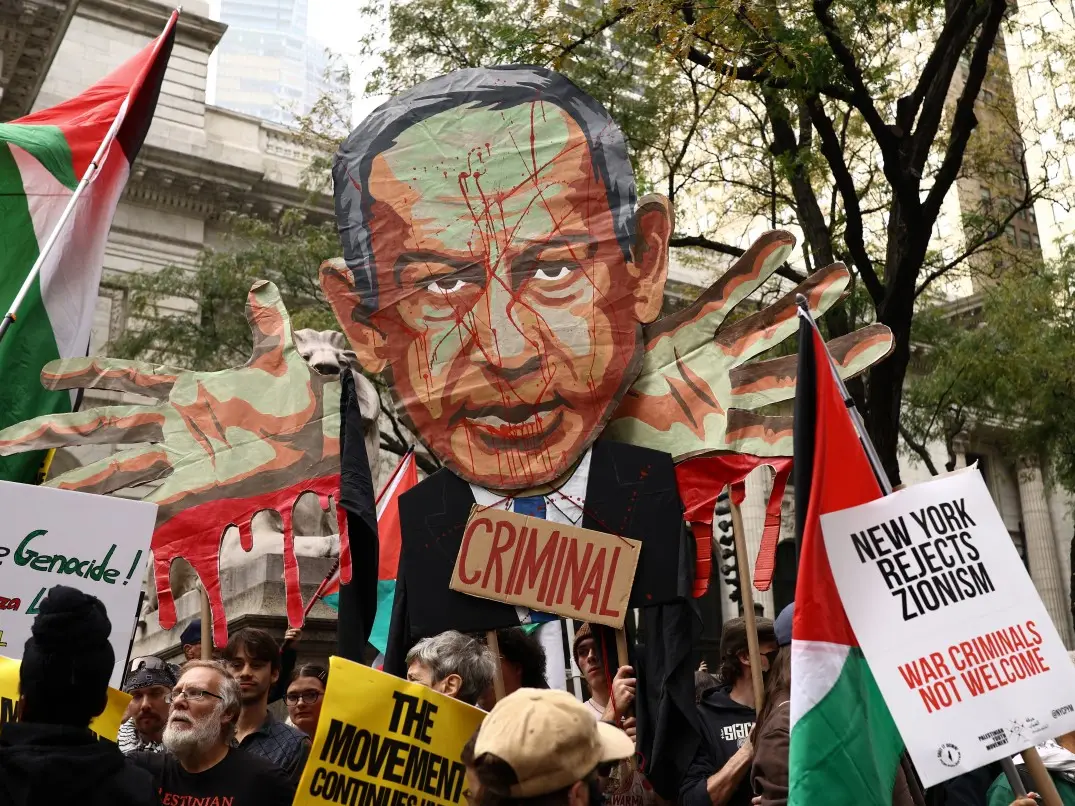
'Fund people, not bombs': Hundreds take to New York streets as Netanyahu delivers speech at UN; dozens arrested
Govt assures strong energy security amid global uncertainty
The Informal Group of Ministers (IoGM) also held its fifth meeting on Monday, during which the government reviewed India’s preparedness amid international volatility and stressed that the country’s energy security remains strong.
The meeting, chaired by Defence Minister Rajnath Singh, focused on developing a strategy that combines long-term planning with public participation, similar to the collective approach seen during the COVID-19 pandemic.
According to a statement issued by the Ministry of Defence, “The IGoM was informed that the country is secure, and there is no shortage of any petroleum product, even as most other nations have taken emergency measures to dramatically reduce domestic consumption. India has 60 days of crude oil, 60 days of Natural Gas and 45 days of LPG rolling stock. The foreign exchange reserves stand at a comfortable $703 billion.”
The ministry further said that India remains the world’s third-largest oil refiner and the fourth-largest exporter of petroleum products, supplying fuel to more than 150 countries while fully meeting domestic demand.