

&imwidth=800&imheight=600&format=webp&quality=medium "'If you invade their space, they will attack': Supreme Court weighs in on stray dog safety concerns, calls for more empathy in treatment")
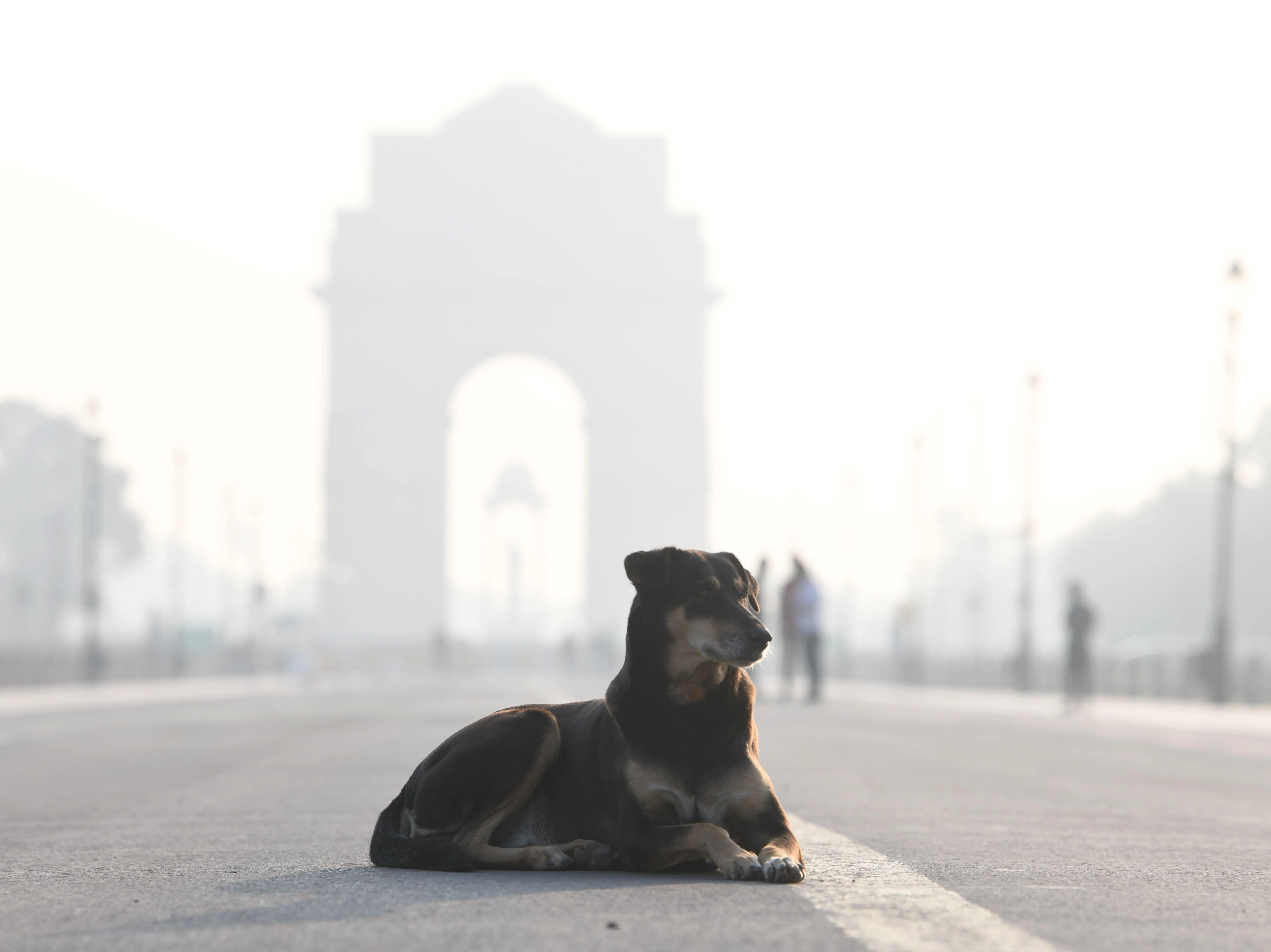
The Supreme Court on Wednesday (January 7) raised concerns over the unpredictability of stray dogs while hearing arguments related to the growing street canine issue. The bench observed that it is difficult to determine an animal’s temperament at any given time, responding to claims that compassion towards dogs prevents attacks. Senior advocate Kapil Sibal, appearing for the petitioners, argued that animals generally respond peacefully when treated with care and empathy. He submitted that aggressive behaviour often occurs only when their territory is disturbed.
Justice Vikram Nath, however, pointed out that the issue goes beyond dog bites and includes the fear and threat posed to the public. “It is impossible to know which dog may turn aggressive at what time,” the judge said, highlighting daily safety concerns faced by citizens. As a possible solution, Sibal suggested that problematic dogs could be reported to authorities, sterilised, and then returned to their original locations.
The matter was heard by a three-judge bench comprising Justices Vikram Nath, Sandeep Mehta, and NV Anjaria, who expressed serious reservations about the presence of stray animals on public roads and highways. Earlier, on November 7, 2025, the Supreme Court had ordered the removal of stray dogs from sensitive locations such as schools, hospitals, railway stations, bus terminals, and sports facilities, directing that they be relocated to shelters after sterilisation and vaccination.
During the hearing, senior advocate Colin Gonsalves, representing animal welfare organisations, alleged harassment of people, especially women, who feed stray dogs. He claimed that dogs are frequently subjected to extreme cruelty, including poisoning and physical abuse.
Gonsalves further said that sexual violence against dogs by humans is widespread, arguing that animals are sentient beings deserving legal protection. He added that many people feel safer at night in the presence of stray dogs, as animals often remain alert when human guards do not. In August last year, the Supreme Court modified its earlier directive that had barred the release of stray dogs after relocation. The revised order allowed their return to the streets following sterilisation and immunisation, following criticism from animal rights groups.
Trending Stories
&imwidth=180&imheight=135&format=webp&quality=medium)
The Royals season 2: Ishaan Khatter's series gets new director after two back-to-back exits- Report
&imwidth=180&imheight=135&format=webp&quality=medium)
Viral video shows cross falling on Colombia priest, no official confirmation | WATCH
&imwidth=180&imheight=135&format=webp&quality=medium)
Trump’s approval ratings hit a new low, Democrats want US president to campaign more
&imwidth=180&imheight=135&format=webp&quality=medium)
France reports first human case of livestock virus Shamonda, patient dies; what we know so far
&imwidth=180&imheight=135&format=webp&quality=medium)
Trump called Musk to lift Starlink restrictions affecting Ukraine's military operation: Report
&imwidth=180&imheight=135&format=webp&quality=medium)
Two BrahMos missiles on Tejas, triple the range and 100% indigenisation, says former BrahMos CEO
&imwidth=180&imheight=135&format=webp&quality=medium)
Ilhan Omar breaks silence over alleged marriage to her brother; Trump thinks it's 'really good answer'
&imwidth=180&imheight=135&format=webp&quality=medium)
Pakistan signs another defence pact even as Makkah Alliance shows no teeth. This time, it's with Qatar, Indonesia, Turkey
&imwidth=180&imheight=135&format=webp&quality=medium)
Netanyahu dials PM Modi, invites him and Capt Smit Machchhar to light torch on Israel’s Independence Day
&imwidth=180&imheight=135&format=webp&quality=medium)
‘Russian humanitarians’ fired missiles at Kyiv: Zelensky takes swipe at Witkoff over Putin praise
&imwidth=180&imheight=135&format=webp&quality=medium)
Putin fires nuclear capable hypersonic missiles, Zelensky ready to surrender 25% territory
&imwidth=180&imheight=135&format=webp&quality=medium)
From Agni-V to Project Kusha: How are India’s indigenous missile systems and defence shield reshaping modern warfare
&imwidth=180&imheight=135&format=webp&quality=medium)
'It's a crime not to see this scene': Tehran puts Trump 'behind bars'
&imwidth=180&imheight=135&format=webp&quality=medium)
What is the ‘heat ray’ weapon? Pete Hegseth reportedly authorises DHS to test it at US-Mexico border
&imwidth=180&imheight=135&format=webp&quality=medium)
Will Rohit and Kohli play ODI World Cup 2027? BCCI president Manhas says board 'not in a position to comment'
&imwidth=180&imheight=135&format=webp&quality=medium)
Watch: India rejects ‘imprecise and unsupported’ references in UN migrant rights report
&imwidth=180&imheight=135&format=webp&quality=medium)
US to get 850 F-35 stealth fighter jets under 10-year Pentagon-Lockheed deal
&imwidth=180&imheight=135&format=webp&quality=medium)
GRAVITAS | Putin fires nuclear-capable hypersonic missiles, Zelensky ready to surrender 25% territory
&imwidth=180&imheight=135&format=webp&quality=medium)
IIFA 2026: Salman Khan warns paps, kisses little fan and hugs Kareena Kapoor at press conference
&im=FitAndFill=(700,400)&imwidth=180&imheight=135&format=webp&quality=medium)
New OTT releases this week (October 19-25, 2026): Gajab Raat to Chaar Yaar-8 titles to watch during Dussehra week on Netflix, Prime Video and more
&imwidth=180&imheight=135&format=webp&quality=medium)
US business activity grows in June, but tariffs and inflation cloud outlook
&imwidth=180&imheight=135&format=webp&quality=medium)
'That was great, who threw that punch?': Trump asks as protester punched at rally
&imwidth=180&imheight=135&format=webp&quality=medium)
‘I caution the president...’: Trump’s ex-press secretary warns after Zacharia’s exit
&imwidth=180&imheight=135&format=webp&quality=medium)
Trump’s bid to put his name on everything: This time, it was Atlantic Ocean; a look at past efforts
&imwidth=180&imheight=135&format=webp&quality=medium)
Diljit Dosanjh's Oct 30 Delhi show hits roadblock, Delhi Police denies permission
&imwidth=180&imheight=135&format=webp&quality=medium)
'This is despicable': Amy Acton hits back at Vivek Ramaswamy over Ohio campaign ad featuring her estranged mother
&imwidth=180&imheight=135&format=webp&quality=medium)
'Misunderstanding should be resolved through dialogue': Uttarakhand CM Dhami intervenes in Daler Mehndi controversy, speaks to brother Mika Singh
&imwidth=180&imheight=135&format=webp&quality=medium)
Finance influencer dies by suicide in Chennai; father accuses tech CEO, who denies charge
&imwidth=180&imheight=135&format=webp&quality=medium)
One man, 8 months of work, and a river dirty again: Why Bittu Tabahi may quit
&imwidth=180&imheight=135&format=webp&quality=medium)
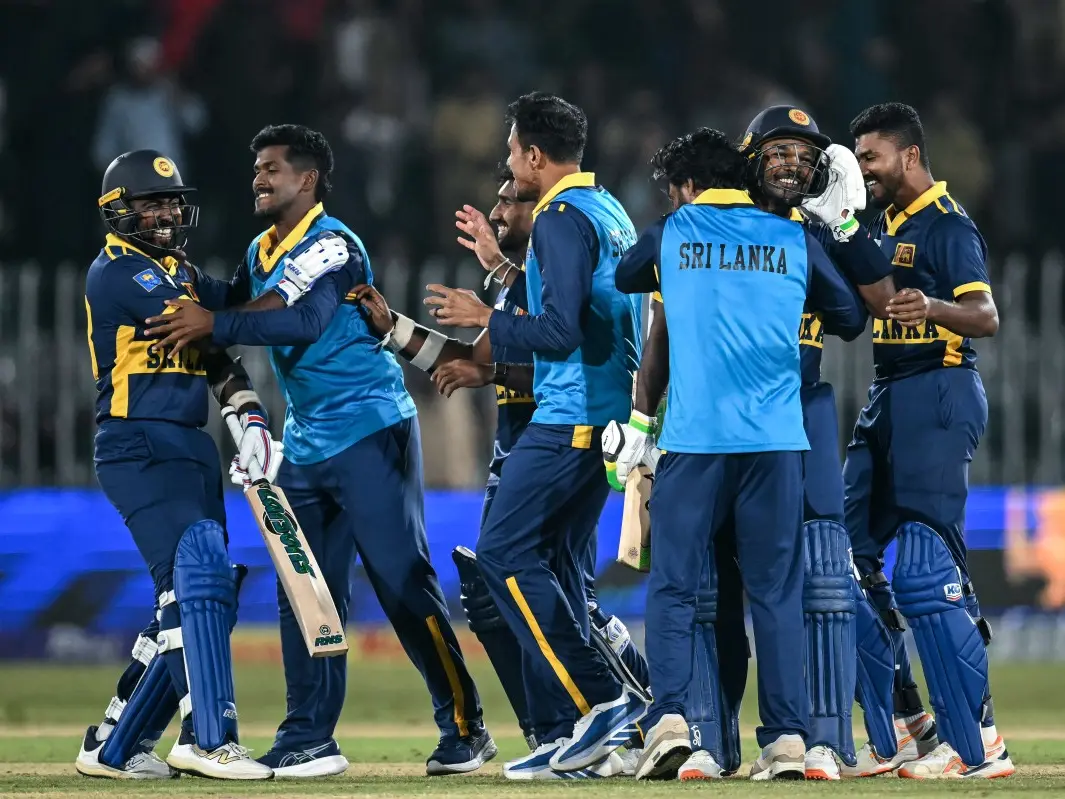
ENG vs SL: Harry Brook’s 202 goes in vain as Sri Lanka pull off second-highest ODI chase
&imwidth=180&imheight=135&format=webp&quality=medium)
ENG vs SL: Harry Brook breaks Shubman Gill’s record for fastest ODI double century
&imwidth=180&imheight=135&format=webp&quality=medium)
Saudi Arabia targeted yacht carrying 14 Indians in Red Sea, rescue underway, Houthis claim

