₹70,000 crore ‘fake billing’ racket: Tax raids expose deep rot in India’s restaurant industry

&imwidth=600&imheight=450&format=webp&quality=medium "₹70,000 crore ‘fake billing’ racket: Tax raids expose deep rot in India’s restaurant industry")
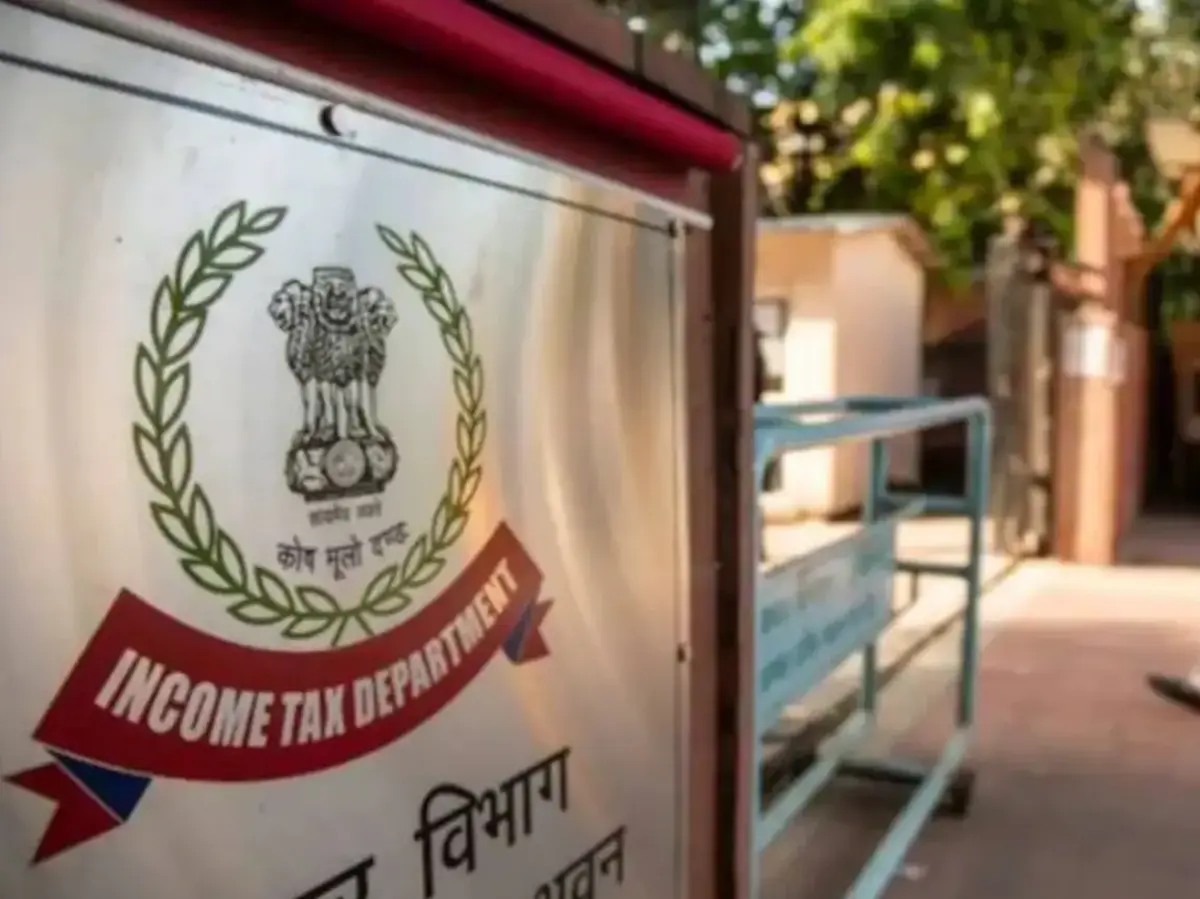
Image for representation Photograph: (PTI)
₹70000 crore tax evasion case, restaurant fake billing racket India, POS software manipulation restaurants, Income Tax raids restaurant chains, Hyderabad billing scam investigation, restaurant tax evasion methods, GST sales underreporting restaurants, India restaurant industry probe
The Income Tax Department has launched a series of nationwide searches at major restaurant chains after uncovering a massive tax evasion racket linked to manipulated billing software. Investigators estimate that concealed turnover linked to the scam could be as high as ₹70,000 crore, making it one of the largest tax evasion cases in India’s restaurant industry.
Officials said the ongoing searches are being carried out at restaurant outlets across several states to examine financial records, point-of-sale (POS) systems and billing data. The action follows a detailed probe that began after suspicious billing practices were detected at a restaurant outlet in Hyderabad.
The investigation was triggered during routine inspections conducted in November last year. During the checks, tax officials noticed a mismatch between the number of customers dining at the outlet and the relatively low sales figures recorded in the billing system. What initially appeared to be an isolated case soon revealed a much larger pattern.
Further examination showed that several restaurants were using the same billing software platform. Authorities later discovered that the platform is used by more than one lakh restaurants across the country, accounting for nearly 10 per cent of India’s restaurant market. This finding significantly widened the scope of the probe and prompted the department to extend the investigation to multiple cities.
Investigators subsequently analysed around 60 terabytes of transactional data covering six financial years up to 2025–26. According to officials, the probe revealed suspected manipulation of billing systems that allowed restaurants to underreport revenue while internally maintaining records of higher sales.
Trending Stories
)
)
)
)
)
)
)
)
)
)
)
)
)
)
)
)
)
)
&im=FitAndFill=(700,400))
)
)
)
&im=FitAndFill=(700,400))
)
&im=FitAndFill=(700,400))
&im=FitAndFill=(700,400))
)
Authorities believe some Hyderabad-based biryani chains were among the early adopters of the manipulated software. Investigators suspect that similar techniques may have been used by other restaurants across the country, prompting a broader review of billing records and financial statements in the sector.
Officials said several methods were used to suppress turnover. These included selective deletion of cash invoices, bulk removal of billing records for periods of up to 30 days, and under-reporting of sales even when transactions were recorded in the system. In many cases, restaurants reportedly entered all sales into the billing software but later deleted certain cash transactions before filing tax returns, thereby lowering the revenue declared to authorities.
To track the scale of the suspected evasion, the department used artificial intelligence and data analytics tools to analyse records from nearly 1.77 lakh restaurant IDs. These were cross-referenced with GST registrations, PAN details and other open-source data to identify unusual patterns across multiple states. A sample study of 40 restaurants in Andhra Pradesh and Telangana alone revealed nearly ₹400 crore in unreported turnover, with some establishments allegedly concealing up to 25 per cent of their total sales.
Investigators have also focused on the high-volume biryani market in cities such as Bengaluru, Chennai and Mumbai, where the dish accounts for a significant share of restaurant revenue. Discrepancies between purchases of raw materials like rice and meat and the sales reported by restaurants further raised red flags. The Income Tax Department said that while the current findings relate to one billing software platform, other POS systems used in the restaurant industry may also come under scrutiny as the investigation progresses.

