Why does your skin need protection from UV rays?

&imwidth=600&imheight=450&format=webp&quality=medium "Why does your skin need protection from UV rays?")
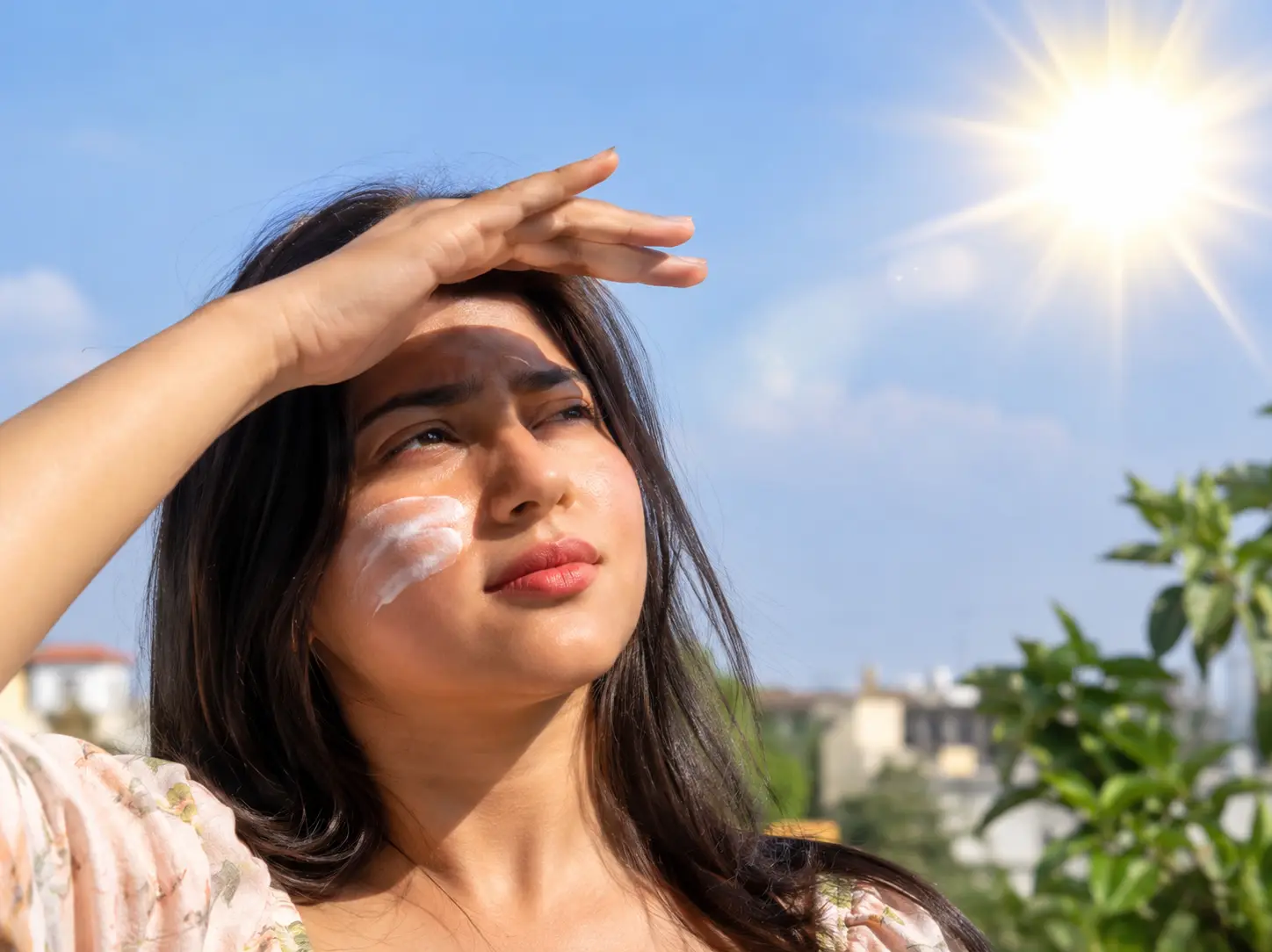
Why does your skin need protection from UV rays? Photograph: (AI generated)
Ultraviolet radiation accounts for over 80 per cent of global melanoma cases and causes 90 per cent of visible skin ageing. Applying one-half of a teaspoon of sunscreen to the face and neck daily provides essential defence against long-term cellular damage and skin cancer.
Sunlight provides essential vitamin D, but unprotected exposure to ultraviolet radiation causes severe cellular damage and accelerates ageing. Skin cancer rates are rising globally, with millions of cases diagnosed annually. Understanding the specific threats posed by UV rays is the first step towards preserving your skin health. Daily protection is a medical necessity, not merely a cosmetic choice.
The devastating impact of UVA and UVB rays
The sun emits two primary types of harmful radiation: UVA and UVB. UVA rays penetrate deeply into the skin, causing long-term damage and driving the photoaging process. UVB rays act on the surface layer of the skin, directly causing sunburns. The World Health Organization reported that over 1.5 million cases of skin cancer were diagnosed globally in 2020, resulting in over 120,000 deaths. Furthermore, global health authorities note that ultraviolet radiation is responsible for more than 80 per cent of cutaneous melanoma cases worldwide.
Photoaging and cellular destruction
If you skip sun protection, you actively accelerate how quickly your skin ages. Research indicates that cumulative sun damage, known as photoaging, accounts for approximately 90 per cent of all visible skin ageing. This environmental damage leads to uneven pigmentation, rough texture, and deep wrinkles. When UV radiation damages the cells in your skin, it can eventually manifest as basal cell carcinoma, squamous cell carcinoma, or melanoma. People who first use indoor tanning beds before age 35 increase their melanoma risk by 75 per cent, proving that concentrated UV exposure is dangerous.
The science of adequate sun protection
Trending Stories
)
)
)
)
)
)
)
&im=FitAndFill=(700,400))
)
)
)
)
)
)
)
)
)
)
)
)
)
)
)
)
)
)
)
)
)
)
)
)
)
)
To effectively shield your skin, health experts recommend applying a sunscreen with a minimum Sun Protection Factor (SPF) of 30 on a daily basis. The standard dermatological recommendation for the face and neck combined is one-half of a teaspoon, which equals roughly 2.5 to 3 grammes of product (one-quarter of a teaspoon is the standard for the face alone). This volume aligns with the 2 milligrammes per square centimetre standard used in laboratory testing.
You must apply sunscreen 15 minutes before sun exposure and reapply every two hours. Seeking shade during peak UV hours, typically between 10 am and 4 pm, and wearing protective clothing can significantly reduce the risk of developing these severe conditions.
Guarding your skin against ultraviolet radiation requires consistent daily action. By applying the correct volume of high-SPF sunscreen and utilising physical barriers like hats and shade, you drastically reduce your risk of premature ageing and skin cancer.
