Why Does Skin Need Extra Care During Summer?

&imwidth=600&imheight=450&format=webp&quality=medium "Why Does Skin Need Extra Care During Summer?")
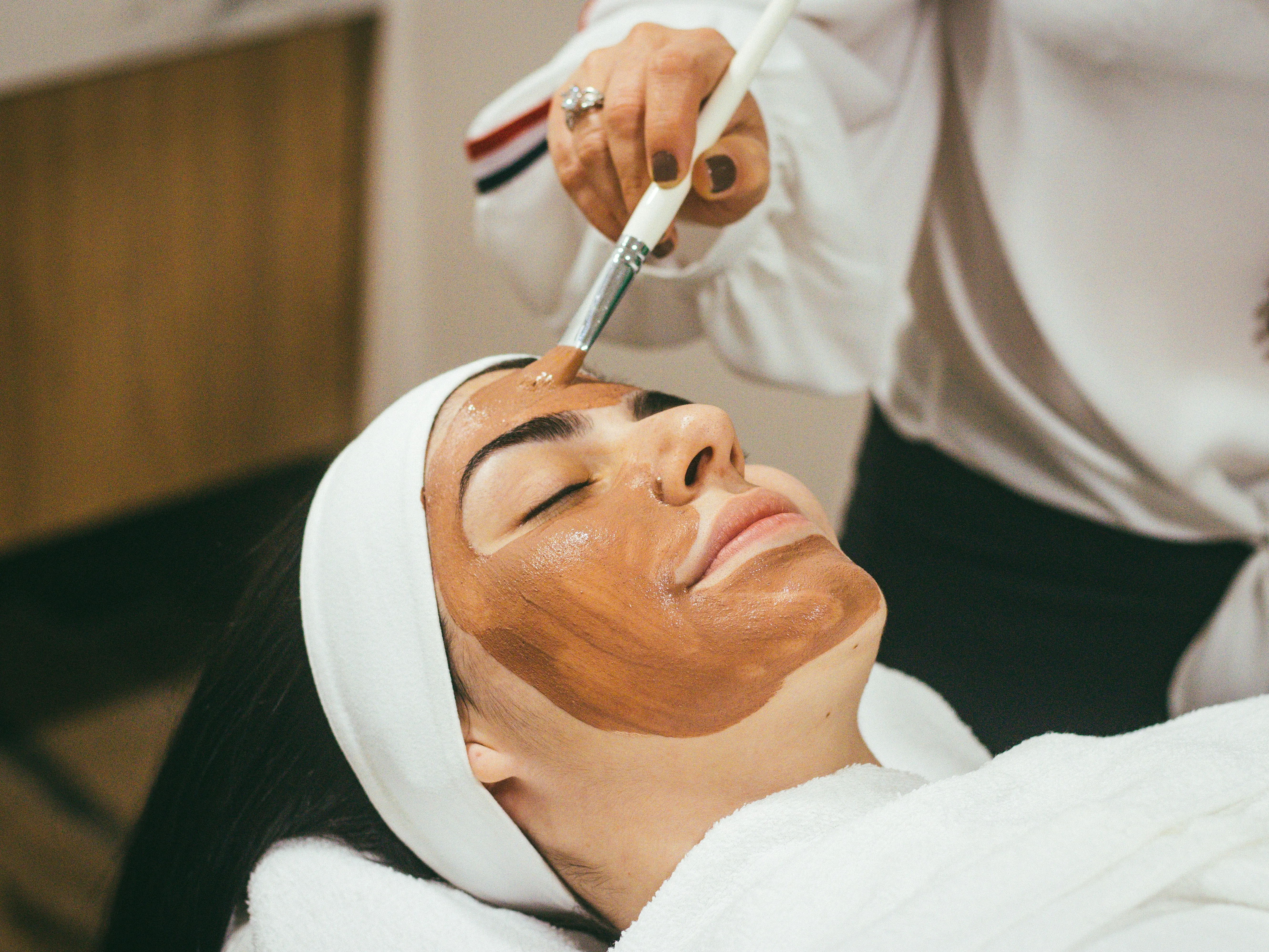
Why Does Skin Need Extra Care During Summer? Photograph: (Unsplash)
Summer heat and high ultraviolet radiation place immense stress on the skin, causing increased oil production, dehydration, and sun damage. Adapting your daily routine with lightweight moisturisers, consistent SPF application, and deep hydration is essential to maintain skin health.
As summer temperatures rise, many people quickly adjust their wardrobes and daily schedules. However, one of the most important changes you must make involves your personal care routine. The combination of intense heat, high humidity, and prolonged ultraviolet exposure places massive stress on your body's largest organ. Understanding exactly why the skin reacts differently during the hotter months is the first step toward preventing long-term damage and maintaining a healthy complexion.
Increased Sebum Production and Breakouts
During summer, the environmental heat directly affects your sebaceous glands. According to dermatological studies, for every one-degree Celsius rise in skin temperature, sebum production increases by up to 10 per cent. This excess oil mixes with sweat and dead skin cells, which quickly clogs pores. As a result, the face becomes a breeding ground for acne-causing bacteria. To counter this, health experts recommend switching from heavy, oil-based creams to lightweight, non-comedogenic gel moisturisers that hydrate without adding extra grease.
The Threat of Ultraviolet Radiation
The sun's ultraviolet (UV) rays are significantly stronger and more dangerous during the summer season. Prolonged exposure to UVA and UVB rays actively damages the cellular DNA of the skin. A report by the World Health Organization indicates that up to 90 per cent of visible changes commonly attributed to ageing, such as deep wrinkles and pigmentation, are actually caused by sun exposure. Applying a broad-spectrum sunscreen with a minimum Sun Protection Factor (SPF) of 30 every two hours is a mandatory technique to shield the skin from severe burns and reduce the risk of melanoma.
Dehydration and the Loss of Vital Moisture
Trending Stories
)
)
)
)
)
)
)
)
)
)
)
)
)
)
)
)
)
)
)
)
)
)
)
)
)
)
)
)
)
)
)
)
)
)
&im=FitAndFill=(700,400))
)
)
)
)
While the summer air often feels heavy and humid, constant sweating causes the body to lose a vast amount of internal moisture. This rapid water loss leaves the skin barrier compromised, making it look dull and feel unusually tight. Furthermore, indoor air conditioning strips moisture from the air, further drying out the skin's surface. To maintain elasticity, it is vital to drink at least three litres of water a day and use serums containing hyaluronic acid, which binds water to the skin cells and prevents severe dehydration.
Summer weather presents unique physical challenges, from excessive oil production to dangerous UV radiation. By adopting a targeted routine that includes lightweight hydration, rigorous cleansing, and high-SPF sun protection, you can effectively defend your skin. Adjusting your daily habits ensures your complexion remains healthy throughout the season.
