What is H3N2 virus? Affected nearly 70% of Delhi-NCR. Know its symptoms, risks and treatment

&imwidth=600&imheight=450&format=webp&quality=medium "What is H3N2 virus? Affected nearly 70% of Delhi-NCR. Know its symptoms, risks and treatment")
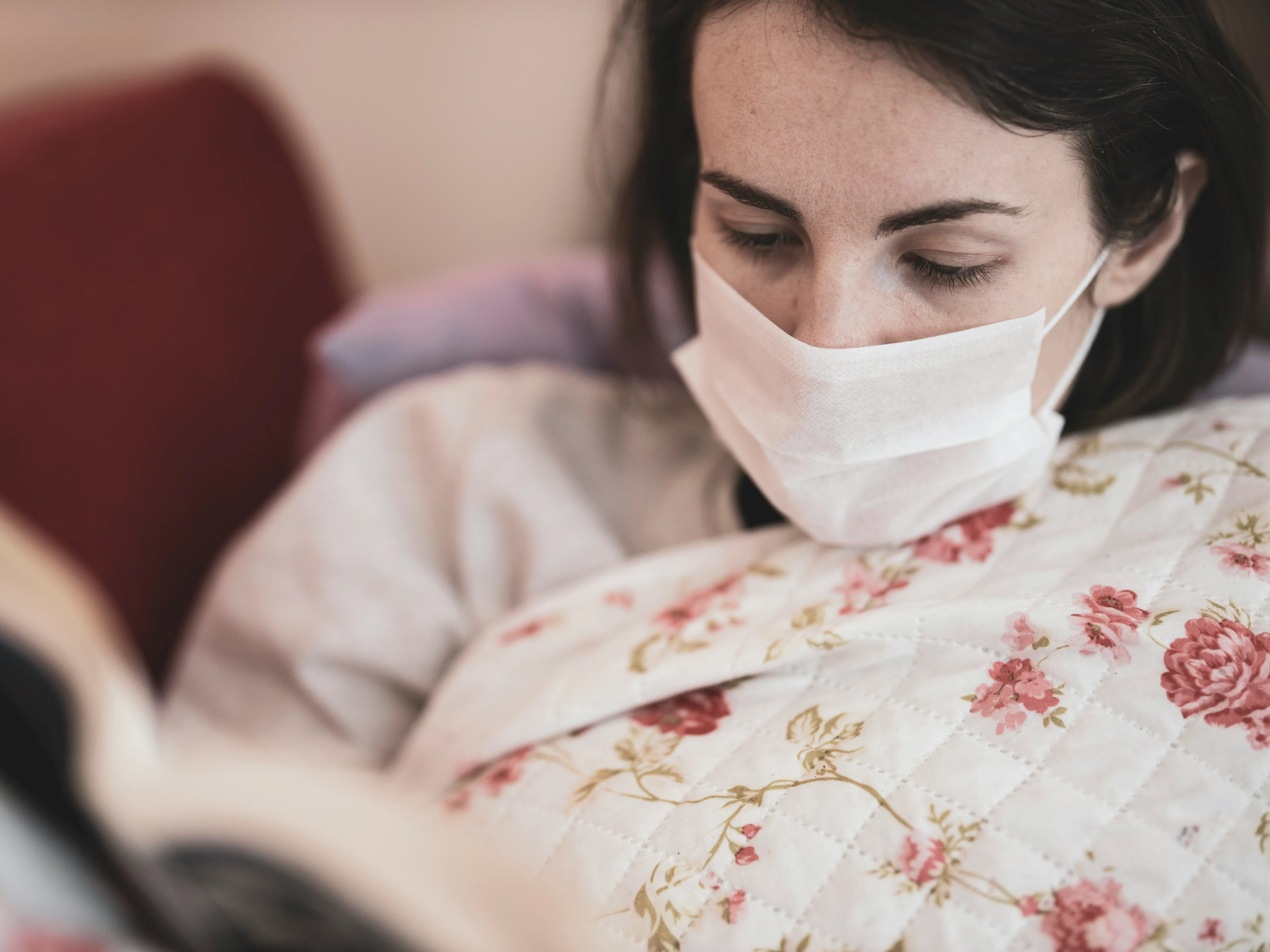
Representational Image. Photograph: (Unsplash)
As per the Local Circles survey report, there has been a staggering increase in the H3N2 virus from 50-70 per cent of households, where at least one member fell sick with flu-like symptoms over the past few months in Delhi-NCR.
The H3N2 virus is spreading rapidly across Delhi and nearby areas of NCR cities, where several people are suffering from common flu-like symptoms. A recent health report released by the Local Circles survey indicated that there has been a staggering increase in the H3N2 virus from 50-70 per cent of households, where at least one member fell sick with flu-like symptoms over the past few months in Delhi-NCR.
Multiple hospitals and doctors are observing an increased in number of patients with this virus, particularly people with respiratory problems, children and the elderly. Reports also indicated that the main culprit for this significant jump is influenza, which is leading to prolonged fevers, hospitalisation and even respiratory issues among individuals.
In a survey of 11,000 people across Delhi, Gurugram, Noida, Faridabad, and Ghaziabad discovered that at least one family member in many households was either currently ill or had recently suffered from fever, cough, and fatigue. This reflects a sharp increase from March 2025, when only 54 per cent of families reported flu-like illnesses.
What is the H3N2 virus?
H3N2 is a subtype of the Influenza A virus, which is categorised by surface proteins (haemagglutinin "H" and neuraminidase "N") referring to type-3 H and type-2 N. H3N2 is a seasonal flu which circulates in humans, mutates over time, and it also differs in severity each year. It tends to cause more severe symptoms in high-risk populations, which include Children, Older adults, Pregnant women, People with weakened immune systems, and someone who are suffering from asthma, COPD, cardiovascular disease, or diabetes.
What are the symptoms of the H3N2 virus?
Trending Stories
)
)
)
)
)
)
)
&im=FitAndFill=(700,400))
)
)
)
)
)
)
&im=FitAndFill=(700,400))
)
)
)
)
)
&im=FitAndFill=(700,400))
)
)
)
)
)
)
)
)
)
)
)
)
)
)
)
)
)
)
- Fever (often above 38-39 Celsius)
- Dry or wet cough
- Sore throat
- Fatigue and muscle aches
- Chills
- Vomiting and loose motions (occasional)
- In children, symptoms may include nausea, vomiting, or diarrhoea
- Many patients in the current outbreak have reported fever lasting over 5–7 days, with cough persisting even after other signs subside.
What are risk related to H3N2 virus?
The main risks of the H3N2 virus are severe illness, such as pneumonia, bronchitis, and worsening of chronic conditions, particularly for vulnerable groups like the elderly, young children, pregnant women, and those with asthma, heart disease, diabetes, or lung disorders.
How to prevent the spread of the H3N2 virus?
- Get vaccinated every year
- Use masks in crowded or poorly ventilated places
- Maintain good hygiene
- Support the immune system
- Avoid close contact with sick people; if someone at home is ill, try to isolate them

