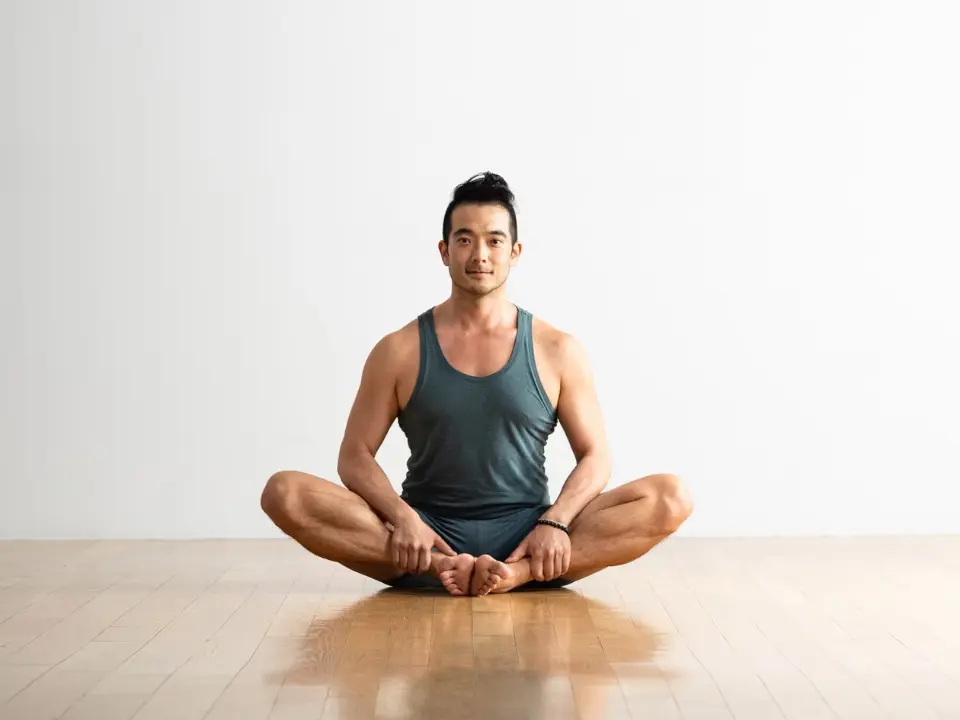
Could regular yoga help you build a more active daily routine?

&imwidth=600&imheight=450&format=webp&quality=medium "Could regular yoga help you build a more active daily routine?")
Could regular yoga help you build a more active daily routine? Photograph: (Yoga Journal)
A regular yoga practice helps working professionals build a more active routine by improving joint mobility and core strength. Reducing physical stiffness and managing cortisol levels provides the essential energy and endurance required for consistent daily movement.
Many working professionals struggle to maintain physical activity outside office hours. Prolonged sitting leads to joint stiffness, making incidental movement feel difficult and tiring. A regular yoga practice addresses these specific physical barriers. By improving joint mobility and reducing muscle fatigue, yoga prepares the body for daily tasks. This foundation makes it easier to adopt a consistently active lifestyle without relying on high-intensity gym sessions.
Improving joint mobility for effortless movement
Sitting at a desk for extended periods restricts blood flow and tightens the hip flexors. This stiffness often discourages people from taking walks or using the stairs. Foundational yoga poses, such as the downward-facing dog and the low lunge, actively stretch these shortened muscles. Restoring the full range of motion in major joints reduces the physical effort required for everyday tasks. When movement causes less friction, individuals naturally walk more and sit less during their routine commutes and breaks.
Building functional core strength
An active routine requires a stable physical foundation. Traditional cardiovascular exercises demand energy, but yoga focuses on sustained muscle engagement. Balancing postures and plank variations engage the deep core muscles that support the spine. A strong core improves posture and reduces lower back strain during regular activities like carrying groceries or standing on public transport. This functional strength provides the physical endurance necessary to remain active throughout the day without experiencing early fatigue. This allows office workers to seamlessly integrate more steps into their daily routine.
Managing physical stress and fatigue
Trending Stories
)
)
)
)
)
)
)
)
&im=FitAndFill=(700,400))
)
)
)
)
&im=FitAndFill=(700,400))
)
)
)
)
)
)
)
)
)
)
)
)
&im=FitAndFill=(700,400))
)
)
)
)
)
)
)
High stress levels often translate into physical lethargy. When cortisol levels rise, the body conserves energy, which reduces the desire to move. Yoga incorporates controlled breathing techniques that directly calm the central nervous system. Clinical data indicates that lowering the heart rate and regulating breathing reduces resting cortisol levels. This reduction in physical stress leaves individuals with more energy reserves, prompting spontaneous physical activity such as an evening walk or weekend gardening. By regulating the stress response, a consistent practice ensures that physical energy is not wasted on managing internal tension.
Starting a short daily yoga practice fundamentally changes how the body handles movement. By eliminating joint stiffness and building core endurance, yoga removes the physical barriers to an active life. It acts as a necessary preparation for sustained daily activity.
