Indus water crisis begins to hit Pakistan, heavy shortage of wheat looms | Gravitas

&imwidth=600&imheight=450&format=webp&quality=medium "Indus water crisis begins to hit Pakistan, heavy shortage of wheat looms | Gravitas")
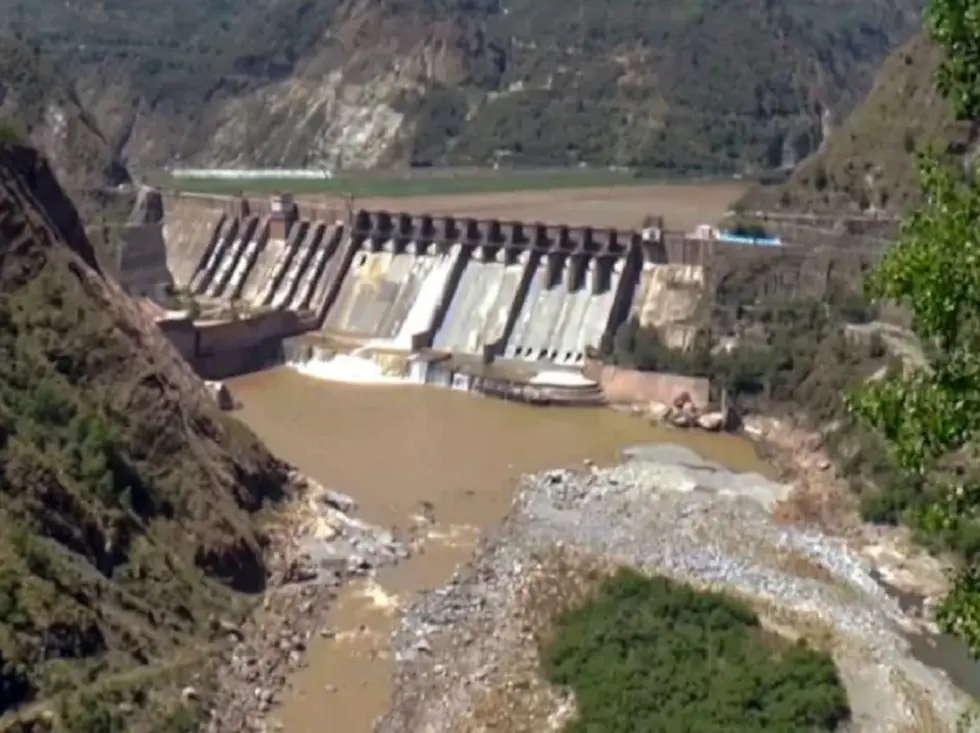
Pakistan's Indus River System Authority has projected an irrigation water shortage of 22%. Photograph: (AFP)
Despite no water shortage last year, Pakistan produced only 27.5 million tonnes of wheat, even as the domestic consumption stands at 31.9 million tonnes. This compelled the Pakistani government to place an import order of one million tonnes of wheat.
As Pakistan continues to face internal turmoil and a lingering economic crisis, water is emerging as its next challenge.
As Pakistan enters its rabi crop season, the lack of sufficient water for irrigation has raised fears of a looming food crisis.
Pakistan's Indus River System Authority, which regulates allocation of Indus basin water resources among provinces, has projected an irrigation water shortage of 22%.
This applies to the rabi season, which runs from October 1 to March 31.
Since Balochistan and Khyber Pakthunkhwa are exempted from water cuts, the brunt of the shortage will be borne by the Punjab and Sindh provinces.
This assumes significance as both these regions serve as Pakistan's agricultural heartland, with farmers preparing to plant crops such as wheat, barley, mustard, gram, potatoes and onions.
Trending Stories
&imwidth=280&imheight=210&format=webp&quality=medium)
&imwidth=280&imheight=210&format=webp&quality=medium)
&imwidth=280&imheight=210&format=webp&quality=medium)
&imwidth=280&imheight=210&format=webp&quality=medium)
&im=FitAndFill=(700,400)&imwidth=280&imheight=210&format=webp&quality=medium)
&imwidth=280&imheight=210&format=webp&quality=medium)
&imwidth=280&imheight=210&format=webp&quality=medium)
&imwidth=280&imheight=210&format=webp&quality=medium)
&imwidth=280&imheight=210&format=webp&quality=medium)
&imwidth=280&imheight=210&format=webp&quality=medium)
&imwidth=280&imheight=210&format=webp&quality=medium)
&imwidth=280&imheight=210&format=webp&quality=medium)
&imwidth=280&imheight=210&format=webp&quality=medium)
&imwidth=280&imheight=210&format=webp&quality=medium)
&imwidth=280&imheight=210&format=webp&quality=medium)
&imwidth=280&imheight=210&format=webp&quality=medium)
&imwidth=280&imheight=210&format=webp&quality=medium)
&imwidth=280&imheight=210&format=webp&quality=medium)
&imwidth=280&imheight=210&format=webp&quality=medium)
&imwidth=280&imheight=210&format=webp&quality=medium)
&imwidth=280&imheight=210&format=webp&quality=medium)
&imwidth=280&imheight=210&format=webp&quality=medium)
&imwidth=280&imheight=210&format=webp&quality=medium)
&imwidth=280&imheight=210&format=webp&quality=medium)
&imwidth=280&imheight=210&format=webp&quality=medium)
&imwidth=280&imheight=210&format=webp&quality=medium)
&im=FitAndFill=(700,400)&imwidth=280&imheight=210&format=webp&quality=medium)
&imwidth=280&imheight=210&format=webp&quality=medium)
&imwidth=280&imheight=210&format=webp&quality=medium)
&imwidth=280&imheight=210&format=webp&quality=medium)
&imwidth=280&imheight=210&format=webp&quality=medium)
&imwidth=280&imheight=210&format=webp&quality=medium)
&imwidth=280&imheight=210&format=webp&quality=medium)
&imwidth=280&imheight=210&format=webp&quality=medium)
Now, water shortages could force farmers to rely more heavily on groundwater, or accept lower yields.
This has also sparked concerns about a possible shortfall of wheat, which is rabi season's main crop.
Despite no water shortage last year, the country produced only 27.5 million tonnes of wheat, even as the domestic consumption stands at 31.9 million tonnes.
This compelled the Pakistani government to place an import order of one million tonnes of wheat.
The price of flour has already surged in Pakistan.
According to reports, its price was 31.7% higher in September than the previous year.
But what are the reasons behind Pakistan's water crisis?
Reports suggest that most of this crisis is man-made, with more than one million acre feet of avoidable water releases made from reservoirs during the outgoing kharif season.
Another reason for the water shortage is that over three million acre feet of water could not be stored at Tarbela dam due to construction work.
The Indus River System Authority also complained about delays in construction of the tunnel-4 outlet and tunnel-5 hydropower project which were slated to be ready by 2022 and 2025 respectively.
Now, this comes even as Pakistan has blamed its water woes on India, which put the Indus Waters Treaty in abeyance after the Pahalgam terror attack.
India linked this move to Islamabad's support for cross-border terrorism.
Speaking at the UNGA last month, Pakistani PM Shehbaz Sharif declared that any attempt to divert Indus waters will be treated as an act of war.
However, in the wake of the factors identified by Pakistan's own water regulator, it is amply clear that Islamabad needs to address issues within rather than pointing fingers at India.