

&imwidth=800&imheight=600&format=webp&quality=medium "Why is this fruit banned on public transport in several countries?")
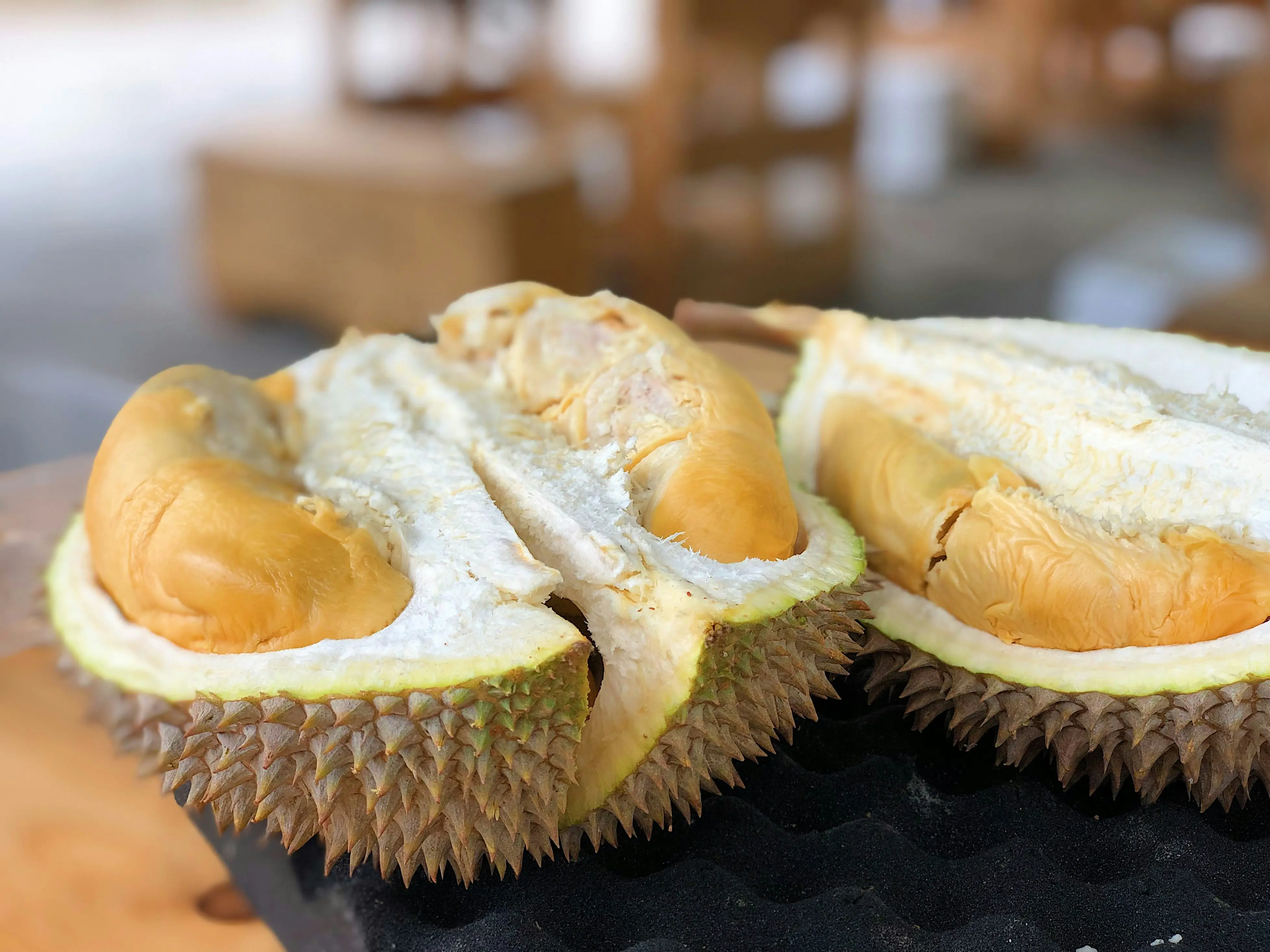
When travelling through Southeast Asia, tourists often encounter warning signs on trains and buses depicting a spiky fruit with a red cross over it. This fruit is the durian, widely known across the region as the King of Fruits. Despite its massive popularity among locals, it is strictly banned on public transport networks in several countries. Here is exactly why this specific fruit is heavily restricted in modern public spaces.
The science behind the powerful odour
The primary reason for the ban is the fruit's extremely pungent smell. According to a research report published in the Journal of Agricultural and Food Chemistry, the durian produces over 40 different volatile scent compounds. The core of its strong odour comes from highly concentrated amino acids and sulphur compounds, similar to those found in onions, garlic, and natural gas. This unique chemical composition creates an intense scent that easily dominates any environment it enters.
The problem with enclosed transport systems
Transport authorities do not ban the fruit due to safety risks, but rather because of how its odour behaves in enclosed, air-conditioned spaces. The heavy sulphur compounds easily latch onto fabrics, train seating, and ventilation filters. Once a durian is brought inside a modern subway car or a public bus, the scent quickly circulates and becomes trapped. Transport companies find it extremely difficult and expensive to scrub the lingering smell out of their air-conditioning units.
Heavy fines across Asian transit networks
Trending Stories
&imwidth=180&imheight=135&format=webp&quality=medium)
Premier League: Haaland wants Manchester City to 'try to enjoy the situation and win the game'
&imwidth=180&imheight=135&format=webp&quality=medium)
'Nidal Hasan's firing-squad execution to be livestreamed', says Pentagon; first US military execution since 1961
&imwidth=180&imheight=135&format=webp&quality=medium)
Trump's naked 23-karat gold statue unveiled near European Parliament
&imwidth=180&imheight=135&format=webp&quality=medium)
‘Never-ending flow of cheap labour’: JD Vance hits back at Indian-origin Congresswoman over US green card curbs for major tech companies
&imwidth=180&imheight=135&format=webp&quality=medium)
Thai Actors Fourth Nattawat, Gemini Norawit face racism accusations from Indian fans over viral Bollywood act
&imwidth=180&imheight=135&format=webp&quality=medium)
Nigeria govt rolls out 30-day NNPC petrol discount, insists it is not a subsidy
&im=FitAndFill=(700,400)&imwidth=180&imheight=135&format=webp&quality=medium)
Fastest-growing Asian economies in 2026: Who tops the chart? Where does India rank?
&imwidth=180&imheight=135&format=webp&quality=medium)
A Love Other Than Yours: The temptation to cheat and what pushes people over the edge
&imwidth=180&imheight=135&format=webp&quality=medium)
Russia president Putin promises to 'do everything' to help settle Middle East conflict as US-Iran negotiations stall
&imwidth=180&imheight=135&format=webp&quality=medium)
‘Wait till you discover the other guy’: Rahul Gandhi takes a swipe as Musk's 'Ambani real boss of India' remark triggers X subscription cancellations
&imwidth=180&imheight=135&format=webp&quality=medium)
BTS agency HYBE announces first-ever Weverse Con Festival in India
&imwidth=180&imheight=135&format=webp&quality=medium)
Trump has a new 'enemy': Anyone who calls it 'artificial intelligence'. Here's what we wants instead
&imwidth=180&imheight=135&format=webp&quality=medium)
India at UN: Pak allows terror groups to operate from its soil
&imwidth=180&imheight=135&format=webp&quality=medium)
Air India, Air India Express increase fuel surcharge on domestic, international flights amid rising ATF costs
&imwidth=180&imheight=135&format=webp&quality=medium)
'Something truly catastrophic will happen': Former OpenAI researchers sound the alarm, claim they were fired for prioritising AI safety
&imwidth=180&imheight=135&format=webp&quality=medium)
Scientists find highly radioactive nuclear particles at Chernobyl 40 years after the disaster
&imwidth=180&imheight=135&format=webp&quality=medium)
Nana Patekar's #MeToo controversy: From Tanushree Dutta’s allegations to court ruling
&imwidth=180&imheight=135&format=webp&quality=medium)
Pakistan denies reports of PAF jets being used in attacks against Iran-backed Houthis in Yemen
&imwidth=180&imheight=135&format=webp&quality=medium)
New York ICE shooting sparks protests as Mamdani to call on Trump to halt ICE operations
&imwidth=180&imheight=135&format=webp&quality=medium)
Atlantic hurricane Isaias could make landfall as a strong Category 2 storm, tornado warnings issued
&im=FitAndFill=(700,400)&imwidth=180&imheight=135&format=webp&quality=medium)
From Kramatorsk buses to Yandex fire: Russia-Ukraine war in the last 48 hours
&imwidth=180&imheight=135&format=webp&quality=medium)
AUS vs SA: 'That's fine,' says Cummins on Khawaja's book contents about Sandpapergate
&imwidth=180&imheight=135&format=webp&quality=medium)
Who is Nana Patekar's wife Neelakanti? The bank officer who earned Rs 2,500 when he earned Rs 50
&imwidth=180&imheight=135&format=webp&quality=medium)
KATSEYE’s Sophia Laforteza to return in 2027 after hiatus, agency issues statement
&imwidth=180&imheight=135&format=webp&quality=medium)
French students light European bonfire, protests erupt in Belgium, Italy & Greece | Gravitas
&imwidth=180&imheight=135&format=webp&quality=medium)
France student protests: Over 500 arrested, govt promises 3,000 substitute teachers
&imwidth=180&imheight=135&format=webp&quality=medium)
Arizona congressional candidate claims she was sexually assaulted while repairing signs
&imwidth=180&imheight=135&format=webp&quality=medium)
New Cold War: Why is China buying more gold? Explained
&imwidth=180&imheight=135&format=webp&quality=medium)
OpenAI shuts down Russian, Iranian influence operations using ChatGPT to spread propaganda
&imwidth=180&imheight=135&format=webp&quality=medium)
'Understood consequences of a few mistakes': Ishan Kishan reflects on journey back to India team
&im=FitAndFill=(700,400)&imwidth=180&imheight=135&format=webp&quality=medium)
435 House seats, 35 Senate races: The numbers behind US midterms 2026
&imwidth=180&imheight=135&format=webp&quality=medium)
Zendaya gives The Odyssey white lace jacket a stylish twist at Paris Fashion Week 2026
&imwidth=180&imheight=135&format=webp&quality=medium)
SC asks Centre to frame mechanism against unethical pharma marketing practices
&imwidth=180&imheight=135&format=webp&quality=medium)
US suspends Microsoft, Infosys, Tata, Wipro from green card programme over alleged H-1B abuse
&imwidth=180&imheight=135&format=webp&quality=medium)
Man prays to Satan at an Iowa city council, pastor rushes to 'reverse the curse'
&imwidth=180&imheight=135&format=webp&quality=medium)
Trump honours Microsoft CEO Satya Nadella with top technology honour amid immigration scrutiny
&imwidth=180&imheight=135&format=webp&quality=medium)
Flydubai flight attack: Indian pilot Smit Machchhar to receive Israel's highest civilian bravery award for saving 174 lives
Major transit networks across Asia enforce immediate financial penalties for carrying the fruit. In Singapore, the Mass Rapid Transit (MRT) system imposes a strict fine of 500 Singapore Dollars (approximately Rs 31,000) on anyone caught bringing a durian onboard. Similar restrictions apply in Thailand and Malaysia, where commercial airlines, intercity rail services, and private taxi drivers legally refuse passengers carrying the fruit.
Strict regulations in private accommodations
The restrictions extend far beyond public transport. Most hotels in countries like Thailand, Indonesia, and Malaysia prohibit guests from bringing the fruit into their rooms. If a tourist violates this rule, hotel management will often charge a massive deep-cleaning fee to professionally ionise the room and remove the trapped scent from the carpets and curtains. Even vacuum-sealed packaging is frequently rejected by airport security and airline carriers.
Travellers visiting Southeast Asia should plan their fruit tasting carefully. It is best to purchase and consume durian directly at open-air street markets where vendors provide dedicated seating. Attempting to transport it back to your hotel will likely result in a severe penalty.
