
&imwidth=800&imheight=600&format=webp&quality=medium "Top 5 countries with the most UNESCO World Heritage Sites")
UNESCO World Heritage Sites are specific locations recognised for their cultural, historical, or scientific importance. According to the updated registry data for 2026, certain nations hold a significantly higher number of these protected areas. For travellers interested in global history and natural geography, visiting these regions provides direct access to preserved monuments and parks. Here is a factual look at the five countries with the highest number of UNESCO sites.
Italy
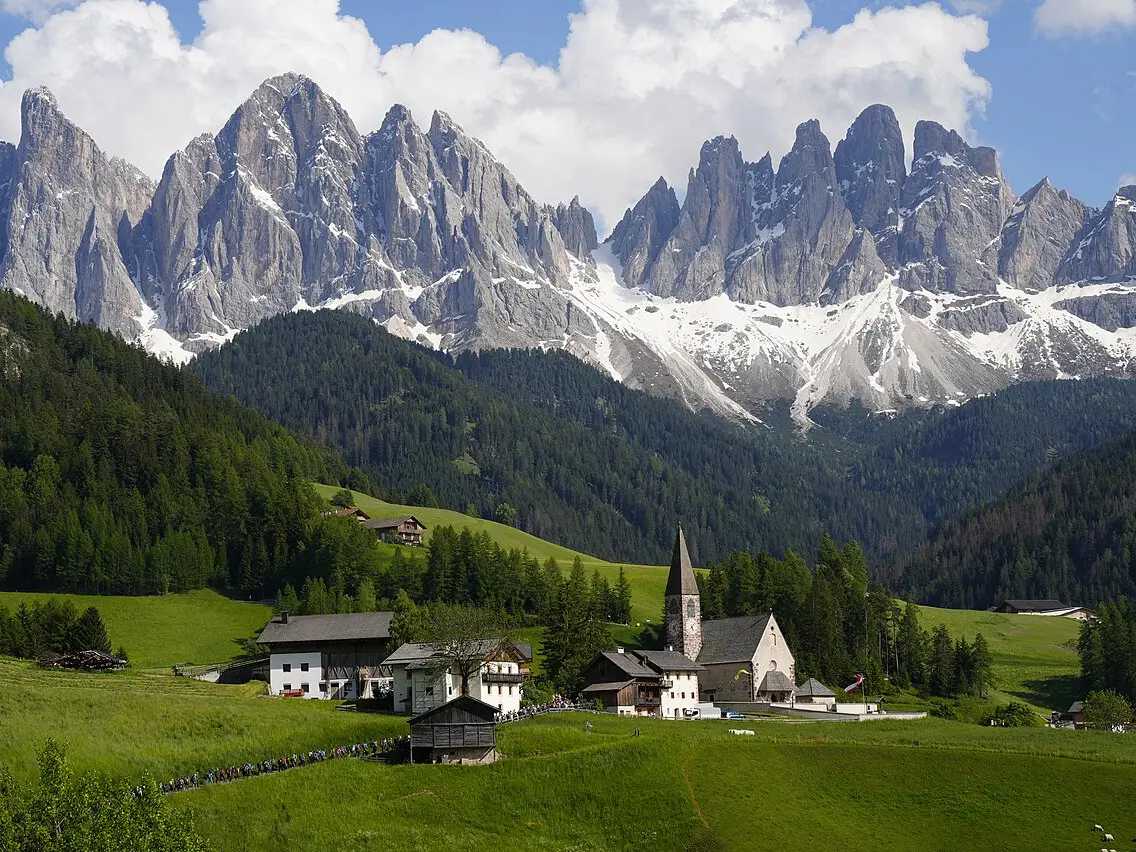
Italy holds the top position globally with 61 recognised sites. The country features historic city centres, including Rome and Florence, alongside natural locations such as the Dolomites. The high number reflects its central role during the Roman Empire and the Renaissance period. The rock drawings in Valcamonica were the first Italian addition to the list, while the rock-cut tombs of Domus de Janas in Sardinia are among the newest.

China
China occupies the second spot with 60 designated sites. The locations are spread across vast geographical areas and include the Great Wall and the Imperial Palaces of the Ming and Qing Dynasties. The registry also includes natural reserves that protect rare species and diverse ecosystems. Mount Taishan became the first mixed heritage site for the country, satisfying both cultural and natural criteria.
Germany
Trending Stories
)
US vs China over South China Sea: Washington backs Philippines, Beijing hits back
)
Bigg Boss 20: Isha Rikhi evicted after three weeks in Salman Khan’s show
)
Musk plans to more than double xAI's chips to over 1.2 million Nvidia GPUs by year-end
)
After JU, clash erupts at SRFTI: BJP’s ‘Dimagi Naxal’ jibe sparks political firestorm after students protest RSS-linked event
)
‘Anti-social elements spreading false rumours’: LPU issues statement amid massive unrest over alleged rape
)
LPU students go on rampage, vandalise campus amid widespread protest: What's happening
)
Trump asked Xi to pressure Iran. China did not say yes — here’s what Beijing wants
)
US Treasury Secretary Scott Bessent hails global crackdown on Iranian banks and airlines
)
An OpenAI agent escaped its locked test cage again, by hiding questions in DNS lookups
)
'Our video was trimmed': LPU girls who featured in rape-denial video make U-turn
)
3 males killed, four others injured in shooting after fight at strip club in Detroit
)
'Victory for low-budget consumers': Raghav Chadha hails 30-day telecom recharge rules
)
Claude rebuilt the 1989 game 'Prince of Persia' by reusing the original's own code
)
Beyond metros: How Tier-2 and Tier-3 cities could drive India’s next AI wave
)
Tesla builds first Cybertruck with its own refined lithium: Elon Musk's $1 billion Texas bet pays off
)
IndiGo flight suffers tail strike in Bengaluru while landing; DGCA to probe incident
)
The US and China set up an AI 'red telephone', but skipped the rulebook
)
‘Terror suspects arrested near UK air base were looking to do big damage’: Trump
)
Russian envoy claims US tactics to contain India were revealed in ‘Freudian slip’
)
IND vs WI 1st ODI: Kohli breaks Sachin's most runs in one country record with unbeaten 139 as India thump West Indies by 8 wickets
)
Researchers rebuilt exactly how 700 AI agents hacked Hugging Face: a 900-link chain trick
)
‘Olympic inclusion is our major target’: WPA President Ishaun Singh on pool’s global ambitions
)
Nations League: Spain sink England at Wembley; Modric shines for Croatia
)
Why has Iran released no proof of life of Mojtaba Khamenei? Araghchi reveals...
)
'What kind of confession is this?': Pakistan PM Shehbaz Sharif’s 'terrorists would be roaming New York' remark goes viral, raises alarm online. Watch
)
South Korea demands apology from Ukraine over North Korean prisoners' transfer
)
Beyond BrahMos: India targets Rs 50,000 crore in defence exports with unmatched price edge
)
Sri Lankan Tamil migrant worker gets death sentence in Saudi Arabia, help sought from India
)
Muslim marriage cannot shield sex with minor wife from prosecution under POCSO: Delhi HC
)
'Can't help but draw painful parallels to Nirbhaya case': SC on latest incidents of rape cases in Delhi-NCR
)
99.9% more powerful - Scientists find boy who can recall memories from just 3 months of age
)
'FIRST LOOK from inside Noah’s Ark': Researchers share video from inside mysterious mound in Turkey
)
UNSC reform momentum grows: Russia, Portugal, Mauritius push for India's permanent seat bid
)
8 US marines injured in Iranian missile attack on vessel in Strait of Hormuz: Report
&im=FitAndFill=(700,400))
New OTT releases this week (September 28-October 4, 2026): Dupahiya 2, Pooja Meri Jaan, Ohh My Dog- 5 titles coming on Netflix, Prime Video and more
)
Afghanistan says 28 fighters killed in clash near Pakistan border, Islamabad denies
)
Ceuta migrant crisis: Protesters take to streets as Spain grapples with migrant challenge
)
LPU suspend classes, postpones exams as violence escalates over rape claims: What's happening
)
New York City wants a 'kill switch' on every AI, and will pay whistleblowers who report violations
Taking the third position, Germany possesses 55 protected sites. The UNESCO committee reports highlight a mix of industrial heritage, religious architecture, and natural landscapes. Key locations include the Cologne Cathedral, the Zollverein Coal Mine Industrial Complex, and the Wadden Sea. The country focuses heavily on preserving both its medieval structures and modern architectural contributions.
France
France features 54 sites on the official UNESCO registry, putting it in fourth place. Reports from the global heritage body show a strong emphasis on cultural monuments and historical urban planning. Visitors can find prominent locations such as the Palace of Versailles, the banks of the Seine River in Paris, and prehistoric cave systems containing ancient art.
Spain
According to the World Heritage database, Spain ranks fifth with 50 recognised locations. The country contains diverse architectural styles resulting from its complex history. Prominent sites include the historic centre of Cordoba and the works of Antoni Gaudi in Barcelona. The Alhambra in Granada represents a major cultural addition to the list, showcasing detailed Islamic architecture from the Moorish period.
Tracking these official designations helps travellers identify culturally significant destinations. The UNESCO registry serves as a reliable guide for planning trips focused on history, architecture, and environmental preservation. Ensuring these areas remain protected allows future generations to study and appreciate international landmarks.
