Swara Bhasker 2018 open letter to Sanjay Leela Bhansali: Felt 'reduced to vagina' after watching Padmaavat

&imwidth=600&imheight=450&format=webp&quality=medium "Swara Bhasker 2018 open letter to Sanjay Leela Bhansali: Felt 'reduced to vagina' after watching Padmaavat")
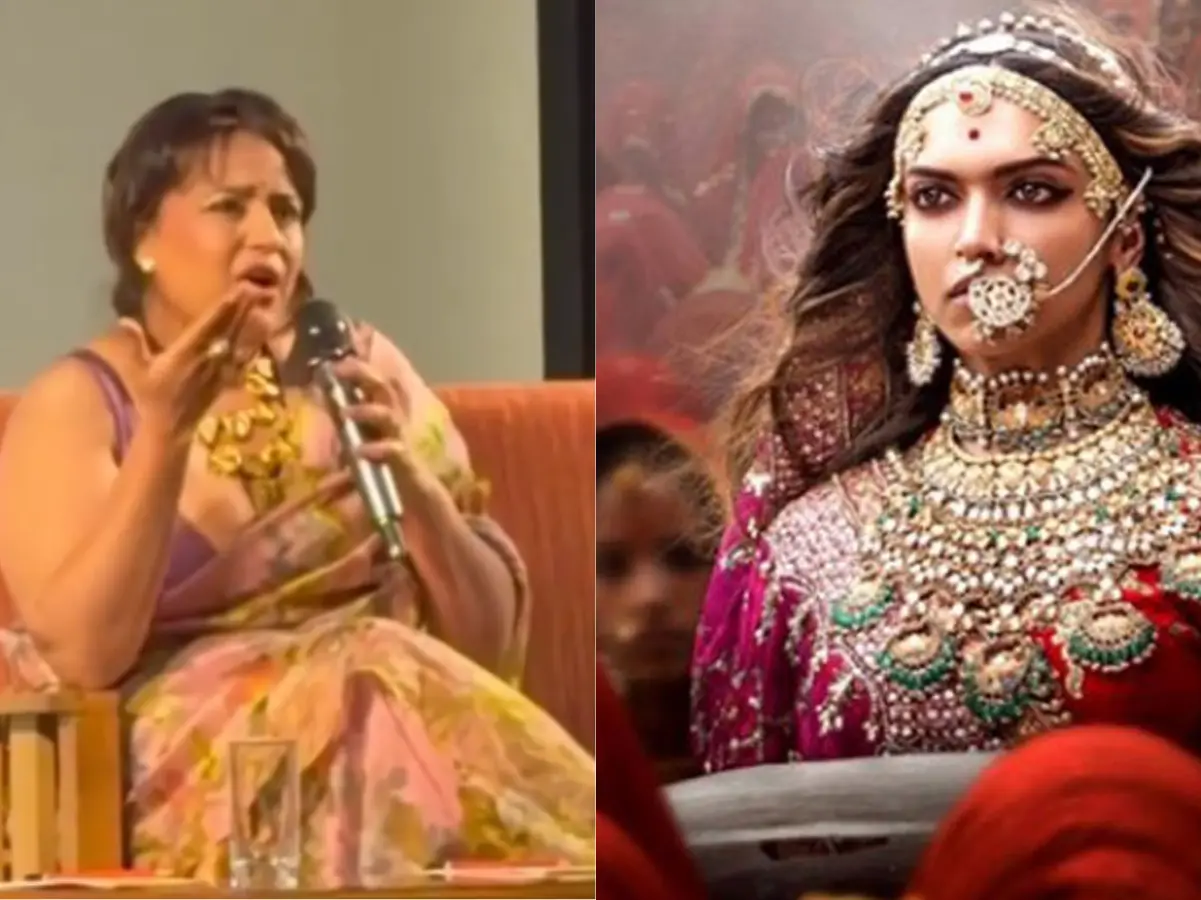
Still of Swara Bhasker and Deepika Padukone in Padmaavat Photograph: (X)
Swara Bhasker has once again slammed the Jauhar sequence in Sanjay Leela Bhansali's Padmaavat. With this, we take a look at her 2018 open letter to the director.
Swara Bhasker is again in the spotlight, this time for her comments on Jauhar in Sanjay Leela Bhansali's 2018 film Padmaavat. Speaking at an event at the India International Centre (IIC) in New Delhi, the actress not only questioned the centuries-old practice but also used terms like ‘coward’, saying women were made to feel they did not deserve to live because they might be captured by a Muslim ruler.
This led to widespread criticism, with many accusing her of judging a historical practice through a 21st-century lens and calling her remarks derogatory towards the women who chose to die in a fire rather than be assaulted by the Mughals. However, this is not the first time she has called out SLB's film.
Swara Bhasker felt 'reduced to vagina' after watching Padmaavat
In 2018, Bhasker was one of the A-listers who called out the glorification of the centuries-old practice of Jauhar.
In an open letter published on a news website, the actress said that after watching the film, starring Deepika Padukone, Ranveer Singh and Shahid Kapoor, she felt she had been reduced to a vagina.
"I felt reduced to a vagina–only. I felt like all the ‘minor’ achievements that women and women’s movements have made over the years– like the right to vote, the right to own property, the right to education, equal pay for equal work, maternity leave, the Vishakha judgement, the right to adopt children…… all of it was pointless; because we were back to basics," she wrote.
Trending Stories
&imwidth=280&imheight=210&format=webp&quality=medium)
&imwidth=280&imheight=210&format=webp&quality=medium)
&imwidth=280&imheight=210&format=webp&quality=medium)
&imwidth=280&imheight=210&format=webp&quality=medium)
&imwidth=280&imheight=210&format=webp&quality=medium)
&imwidth=280&imheight=210&format=webp&quality=medium)
&imwidth=280&imheight=210&format=webp&quality=medium)
&imwidth=280&imheight=210&format=webp&quality=medium)
&imwidth=280&imheight=210&format=webp&quality=medium)
&imwidth=280&imheight=210&format=webp&quality=medium)
&imwidth=280&imheight=210&format=webp&quality=medium)
&imwidth=280&imheight=210&format=webp&quality=medium)
&imwidth=280&imheight=210&format=webp&quality=medium)
&imwidth=280&imheight=210&format=webp&quality=medium)
&imwidth=280&imheight=210&format=webp&quality=medium)
&imwidth=280&imheight=210&format=webp&quality=medium)
&imwidth=280&imheight=210&format=webp&quality=medium)
&imwidth=280&imheight=210&format=webp&quality=medium)
&imwidth=280&imheight=210&format=webp&quality=medium)
&imwidth=280&imheight=210&format=webp&quality=medium)
&imwidth=280&imheight=210&format=webp&quality=medium)
&imwidth=280&imheight=210&format=webp&quality=medium)
&imwidth=280&imheight=210&format=webp&quality=medium)
&imwidth=280&imheight=210&format=webp&quality=medium)
&im=FitAndFill=(700,400)&imwidth=280&imheight=210&format=webp&quality=medium)
&imwidth=280&imheight=210&format=webp&quality=medium)
&imwidth=280&imheight=210&format=webp&quality=medium)
&im=FitAndFill=(700,400)&imwidth=280&imheight=210&format=webp&quality=medium)
&imwidth=280&imheight=210&format=webp&quality=medium)
&imwidth=280&imheight=210&format=webp&quality=medium)
&imwidth=280&imheight=210&format=webp&quality=medium)
&imwidth=280&imheight=210&format=webp&quality=medium)
&imwidth=280&imheight=210&format=webp&quality=medium)

&imwidth=280&imheight=210&format=webp&quality=medium)
&imwidth=280&imheight=210&format=webp&quality=medium)
At the Delhi event, she reiterated the same argument she had made in 2018, saying that a woman had the right to live even after being raped or widowed.
Swara, who has worked with Bhansali in his 2010 movie Guzaarish, wrote, "Surely Sir, you agree that Sati, and Jauhar are not practices to be glorified. Surely, you agree that
notwithstanding whatever archaic idea of honour, sacrifice, purity propels women and men to participate in and condone such practices; that basically Sati and Jauhar, like the practice of Female Genital Mutilation (FGM) and Honour Killings, are steeped in deeply patriarchal, misogynist and problematic ideas."
Condemning further, she wrote that the story being based in the 13th century, the film had 21st-century context and that glorifying a mass suicide to protect one's honour was not the most accurate way of telling the story.
"The context of your film is India in the 21stcentury; where five years ago, a girl was gang-raped brutally in the country’s capital inside a moving bus. She didn’t commit suicide because her honour had been desecrated, Sir. She fought her six rapists.''
What is the story of Padmaavat?
Inspired by Malik Muhammad Jayasi’s 16th-century epic poem Padmavat, the film tells the story of Rani Padmavati, a beautiful and courageous queen and the wife of Ratan Singh. The story revolves around Ratan Singh being killed in battle and defeat becoming inevitable. Padmavati and the other Rajput women then choose to commit Jauhar.

