Remembering Bappi Lahiri(1952-2022): The man who brought disco to India


Bappi Lahiri
In an old interview- during his prime- Bappi Lahiri was asked to dissect his style of music. Lahiri, dressed in his flashy gold chains and sunglasses had said that a song becomes a hit if the tempo is fast and upbeat. "Melody is also important, but the beats should be good should be fast." He remained true to his words throughout his career. The man who passed away on February 15 can be credited for bringing western tunes to India.
Through his songs, he played the perfect bridge between the East and the West. While he brought western tunes to India, his hit songs were also played or included in western songs, and Hollywood films.
Born as Alokesh Lahiri to Aparesh and Bansuri Lahiri in Jalpaiguri, West Bengal in November 1952, music was in his DNA since his parents were both classical singers. Having learnt music from a young age, Bappi Lahiri could play the Tabla from the age of 3.
Bappi Lahiri: Lesser-known facts about the man who shined as bright as his gold chains
At 11, he was already composing tunes on his own and had mastered the art of playing multiple instruments.
His first break in films came at the age of 21 when he composed music for a Hindi film called 'Naha Shikari' which was released in 1973. The following year he made his debut as a composer for a Bengali film called 'Daadu'(1974). By then he had already moved to Mumbai to make a career in music with the help of his maternal uncle, legendary singer Kishore Kumar.
Remembering Bappi Lahiri and his love for gold

Lahiri's career took a turn for the better the following year - in 1975 when the film 'Zakhmee' was released. The music by Lahiri struck a chord with one and all and almost all the songs from the film became super hits. Songs like 'Jalta Hai Jiya Mera', 'Phir Janam Lengey Hum' were instant hits. The film also had a rare duet of Kishore Kumar and Mohammed Rafi - the two stalwarts of Indian playback.
The following year, he composed music for the film 'Chalte Chalte' and its title track is still considered one of the most iconic songs of Hindi films.
Lahiri's songs in the 1980s in films like 'Disco Dancer', 'Dance Dance', 'Guru' and 'Pratigya' were instrumental in making actor Mithun Chakraborty a star. Mithun was a fresh face, having won a National Award for Mrinal Sen's artsy 'Mrigya'. It was 'Disco Dancer' and subsequent films that led to his image makeover - that of an actor who would dance well-of course all to Lahiri's catchy numbers. The '80s decade also saw a Lahiri- Amitabh Bachchan partnership in Bollywood where the musician created super hit numbers for Bachchan's films like 'Namak Halaal', Sharaabi' and 'Giraftar'.
)
Saudi Arabia exits China-led mBridge digital currency platform amid Saudi-Houthi conflict
)
Samsung raises Galaxy S26 prices by Rs 20,000: Here’s what each model now costs
)
Mahabharat actor Saurav Gurjar arrested in Hyderabad, sent to 14-day judicial custody in sexual exploitation case
)
‘0% chance’: Nvidia CEO Jensen Huang dismisses AI extinction fears by 2030
)
'Were you here to sell chickpeas?': Wasim Akram criticises Babar Azam's captaincy
)
Noel Tata challenges Chandrasekaran’s reappointment as Tata Sons chairman. What happened at the board meeting
)
Punjab man consumes poison outside DC office; Congress, BJP target AAP government
)
US ships in Indian Ocean ‘will be attacked’ if war resumes, warns Iran
)
Arvind Kejriwal, family members, Delhi CM Rekha Gupta get SIR notices
)
'Lot of things to learn from experienced players': Jayasuriya backs Rohit, Virat for 2027 ODI World Cup
)
S Jaishankar, former Army chief among high-profile names issued Delhi SIR notices
)
Fleming's aspirations as England Test coach include WTC, top ranking and Ashes
&im=FitAndFill=(700,400))
Kareena Kapoor birthday special: Inside her net worth, best movies, luxurious lifestyle and love story with Saif Ali Khan
)
China now makes advanced memory chips without the machines it was banned from buying
)
J&K Assembly Session begins amid chaos: BJP, ruling alliance clash as statehood demand dominates
)
Putin's United Russia party wins 355 seats in Duma election; 4 other parties cross threshold to enter parliament
)
Delhi: Flagged voters remain on the draft roll but face hearings
)
Microsoft executive called AI training the ‘largest theft of labour in human history’
)
Trump says he'll build an 'AI Force' and appoint a czar, for 'high IQ' people only
)
Apple reportedly building AI server with M8 Ultra chips, may use Nvidia technology
&im=FitAndFill=(700,400))
New OTT releases this week (September 21-27, 2026): Shaque: Trust No One, Hunkkaar, Don’t Be Shy- 5 new titles coming to Netflix, Prime Video and more
)
Italy moves to ban face veils in schools as Meloni pushes new integration measures
)
Glitch in the matrix caught on camera: Woman vanishes after talking to reporter
)
AI kill switch explained: Why shutting down a dangerous AI may not be as simple as pressing a button
)
WATCH | Mysterious lights over Tehran caught on video. Drone, aircraft or something else?
)
Several petrol pumps, other businesses to refuse UPI payments above Rs 2,000 from Oct 16: Is it legal?
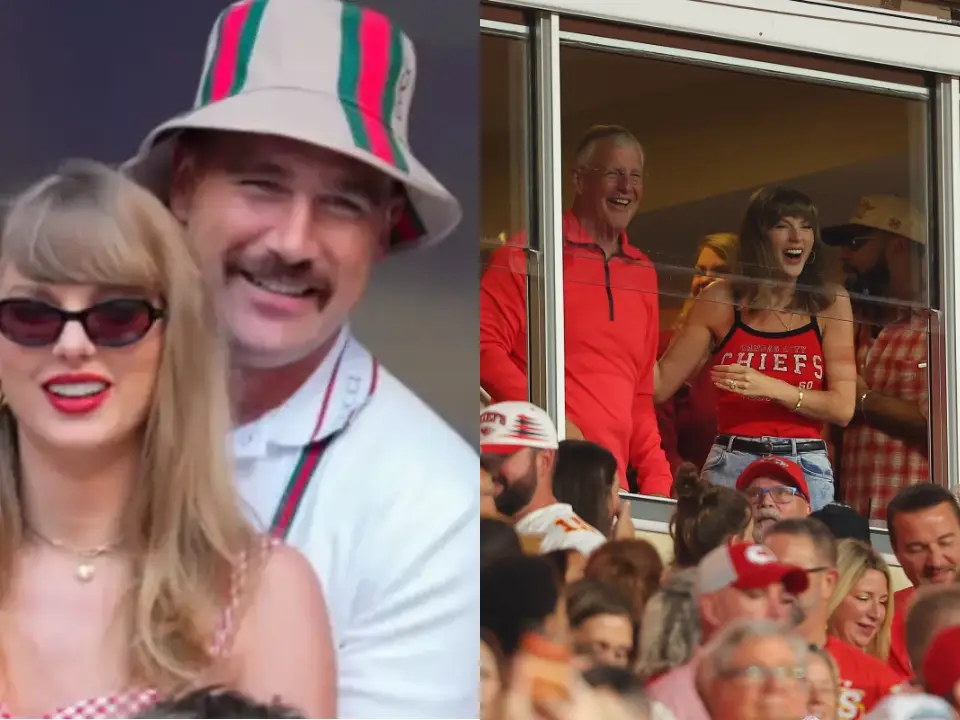)
Taylor Swift has a 'proud wife' moment as Travis Kelce scores first touchdown of season: 'That’s my husband!'
)
Jailer 2: Vidya Balan joins Rajinikanth's upcoming film as Kantha | Watch
)
Saudi vs Houthis: Houthis claim missiles & drones used in attack on key Saudi sites
)
Chancellor Friedrich Merz vows to stay on as exit polls signal major poll setback
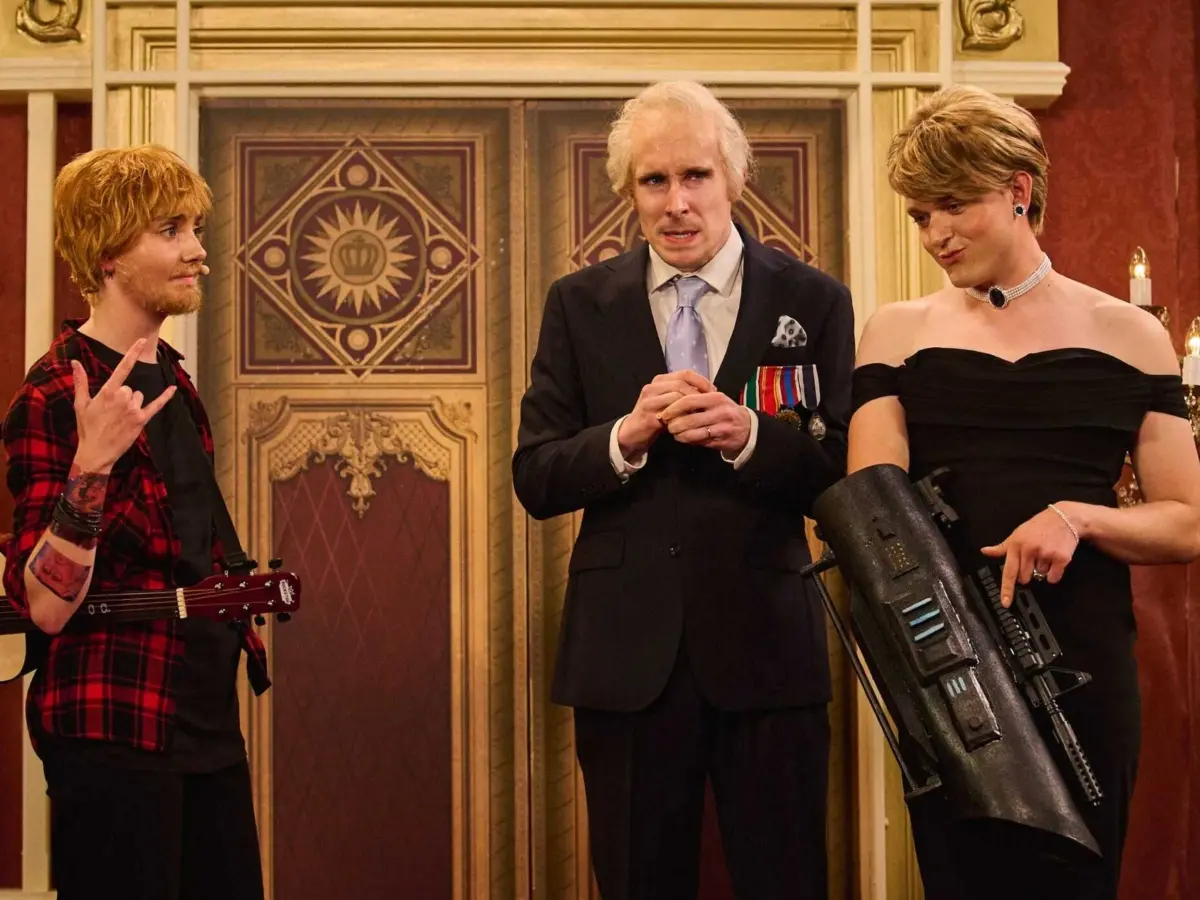)
SNL UK takes aim at Ed Sheeran with AI Princess Diana sketch
)
Trump-Xi summit: US Treasury Secretary holds meeting with Chinese Vice Premier
)
CDU suffers historic defeat in eastern Germany as AfD surges, Merz vows to stay on
)
Bessent meets China’s He Lifeng to prepare for Trump-Xi summit
)
Iran sets 7 conditions to end war with US: What are Tehran’s demands?
)
Delhi Air pollution: Strict crackdown on waste burning
&im=FitAndFill=(700,400))
What TSMC's 2nm technology means for Apple
)
AI actress Tilly Norwood glitches mid-interview, switches from English to Chinese | Watch
)
40-foot waves crash into cruise ship in dangerous stretch near Antarctica. Watch
)
Samay Raina-Mukesh Chhabra controversy explained: What happened over girlfriend joke on India's Got Latent?
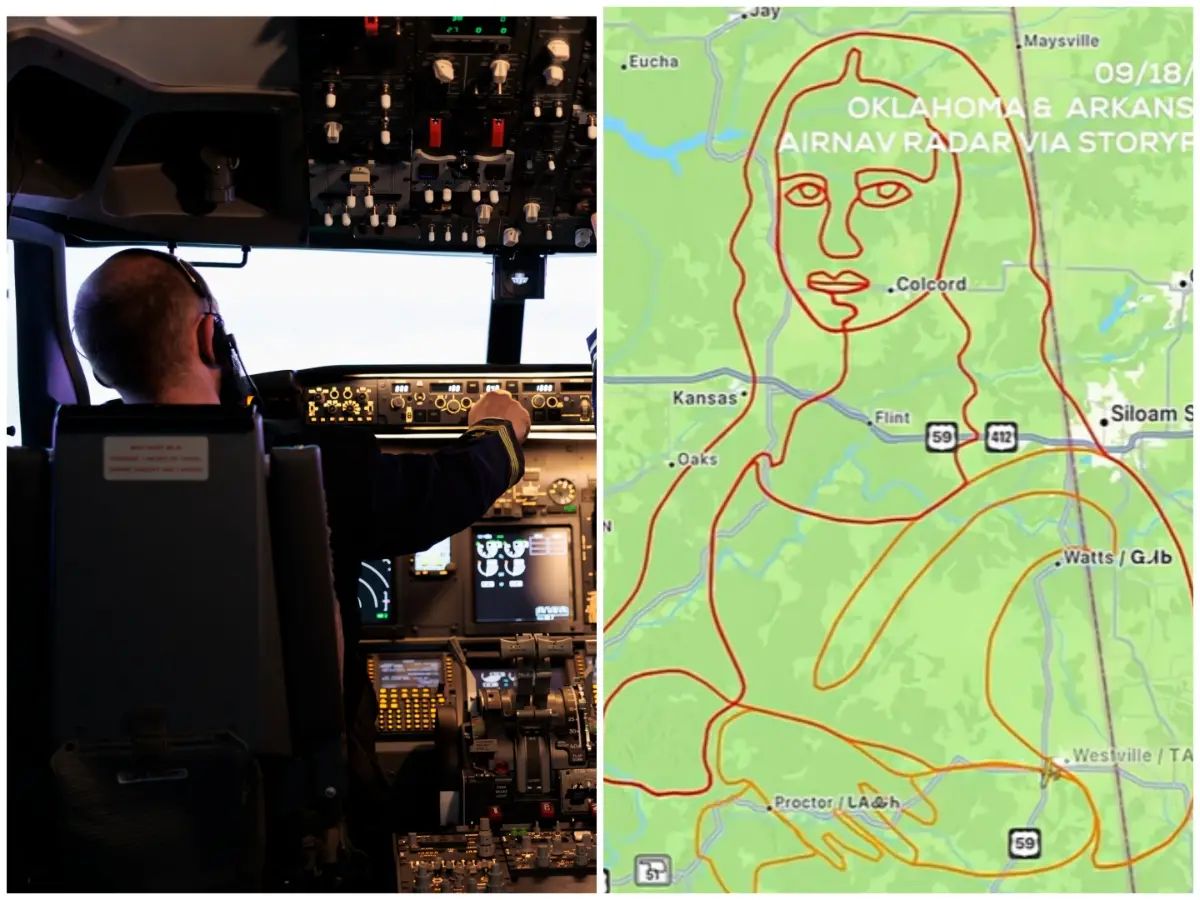)
Pilot recreates Mona Lisa in sky over Oklahoma and Arkansas in four-hour flight: VIDEO
)
Maharashtra TET paper leak: All 18 accused arrested. How alleged Agra-to-Maharashtra racket unfolded
While the current generation remembers Lahiri's Disco numbers - and rightfully so- the composer also created some souldful Ghazal that became hits. Most prominent being 'Kisi Nazar Ko Tera Intezaar Aaj Bhi Hai' and 'Aawaz Di Hai' for the 1985 film 'Aitbaar'. Beat and tempo were integral parts of his music compositions but slow, romantic numbers like 'Pyaar Kabhi Kam Nahi Karna' were equally successful for their melodious tunes.
Lahiri continued to compose music till the late 1990s but was rediscovered by the newer generation of composers as a playback singer in the 2000s. He sang hits like 'Bambai Nagaria' for Vishal Shekhar in 'Taxi No 9211' in 2006, the smash hit 'Oo La La' in 'The Dirty Picture' for Vishal Shekhar in 2011, 'Tune Maari Entriyaan' for Sohail Sen in 'Gunday' in 2013. Some of his popular hits like 'Tamma Tamma Loge' and 'Bankaz' were remixed to suit the palate of Gen Z and were smash hits.
Lahiri's songs appealed to the world. During his prime, he was accussed of lifting tunes from western songs but no one could deny that the way he adapted them to Indian sensibilities was worthy of praise. Portions of his hit song 'Thoda Resham Lagta Hai' was included in the song 'Addictive' by American R&B singer Truth Hurts. The song was an instant hit and later Copyright holders Saregama India, Ltd. sued Interscope Records and its parent company, Universal Music Group for more than $500 million. A Los Angeles federal judge subsequently barred further sales of the CD unless and until Lahiri was listed on the song's credits which he was eventually. Songs like 'Jimmy Jimmy Aaja Aaja' and 'Come Closer' were included in Hollywood films 'Don't Mess With The Zohan' and 'Lion'.
He was ahead of his times, be it for his music, or for his unique fashion style- flamboyant and over the top, Lahiri's sense of fashion was widely discussed and emulated in later years. Had he been born a few decades later, he would be an icon- an influencer for Gen Z on social media.
Lahiri will be laid to rest on Thursday after his son Bappa arrives back in Mumbai from Los Angeles. One song that will perhaps give the musician a fitting farewell is 'Chalte Chalte, Mere Ye Geet, Yaad Rakhna, Kabhi Alvida Na Kehna, Kabhi Alvida Na Kehna'. (Remember my song while moving on and never say a goodbye)
We won't ever say an Alvida to you or your songs, Bappi Da.

