Before Gadar 2: Reflecting on the legacy and controversies of the original Gadar

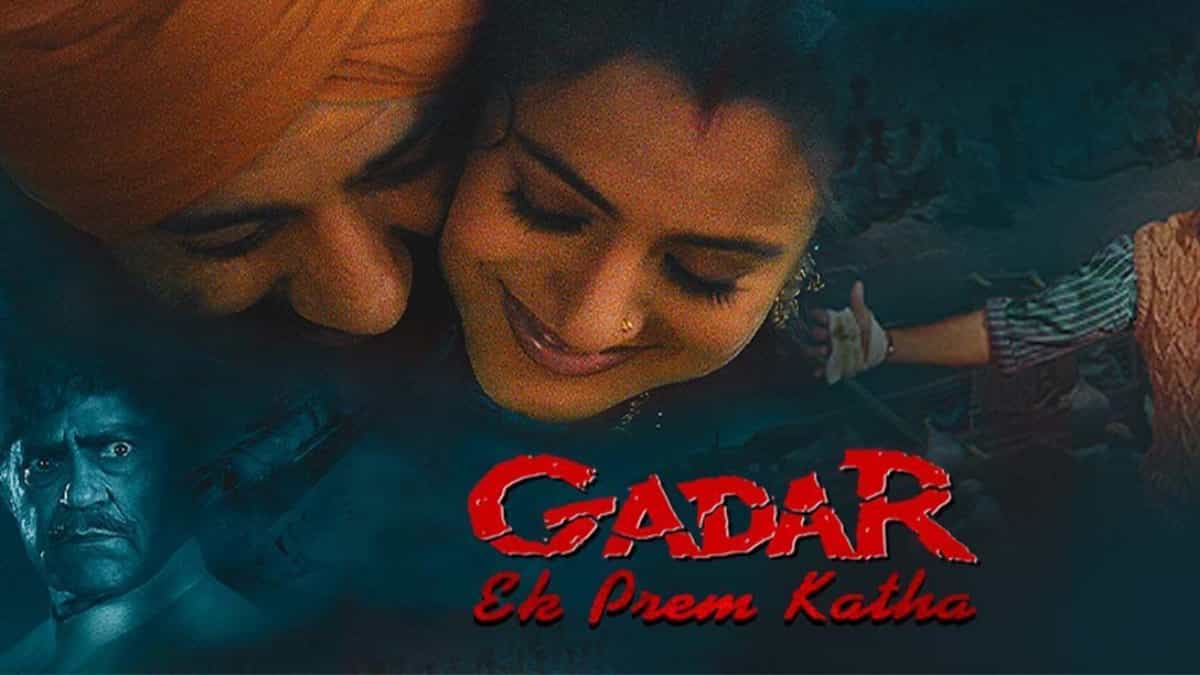
Gadar was a megahit, but all those years have not been kind to its legacy.
Gadar 2 is almost here. The Anil Sharma directorial brings back Sunny Deol in the role of Tara Singh from 2001's Gadar: Ek Prem Katha. Ameesha Patel also returns as Sakeena, Tara's love interest and now his wife. Utkarsh Sharma also reprises the role of Charanjeet "Jeete" Singh, the son of Tara and Sakeena. Like the original, this one has also been penned by Shaktimaan Talwar. While the original was set during the Partition of India, which was the cause of immense bloodshed, the sequelis set during the 1971 Indo-Pakistani War, which resulted in the birth of Bangladesh as a nation.
But before we dive headlong into the world of Gadar 2, let's take a moment to revisit the film that laid the foundation for this anticipated sequel — a film that evokes emotions, stirs debates, and has a rather, um, let's say complicated, legacy.

Gadar was a megahit, but all those years have not been kind to its legacy
Gadar: Ek Prem Katha, released in 2001, blended a poignant love story with the tumultuous backdrop of the Partition. Deol's portrayal of the resolute yet kind truck driver Tara Singh and Patel's depiction of Sakeena left quite an impact on the audiences. Their interfaith, and later international, love story became a beacon of hope and unity, set against the backdrop of an era marred by violence and communal tensions.
However, as with any piece of art that delves into historical events, Gadar wasn't devoid of controversy, even during its release. The film's unabashed display of patriotism and nationalistic fervour sparked discussions about its portrayal of history. Some viewed it as bordering on jingoism — a form of extreme nationalism that often involves aggressive and confrontational expressions of patriotism. Its chest-thumping dialogues and larger-than-life heroics (not unusual in Hindi cinema, to be honest) overshadowed whatever nuances the story offered of the Partition's complexities.
)
North Korea's nuclear tests triggered 1,399 earthquakes: Earth is still shaking | Gravitas
)
US-Iran war, peace deals and more: What to expect from Trump's UNGA 2026 speech
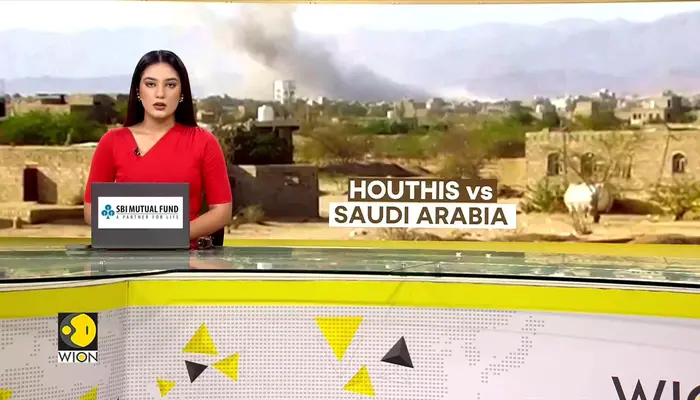)
UK PM Burnham agrees to 'defensive' military support for Saudi Arabia against Houthis
)
Pilot recreates Mona Lisa in sky over Oklahoma and Arkansas in four-hour flight: VIDEO
)
Glitch in the matrix caught on camera: Woman vanishes after talking to reporter
)
J&K Assembly Session begins amid chaos: BJP, ruling alliance clash as statehood demand dominates
)
US and China vie for AI dominance as calls grow for regulation | Gravitas
)
Russia-Ukraine war: Russian strikes knock out three of Ukraine's largest steel plants
)
WATCH | Mysterious lights over Tehran caught on video. Drone, aircraft or something else?
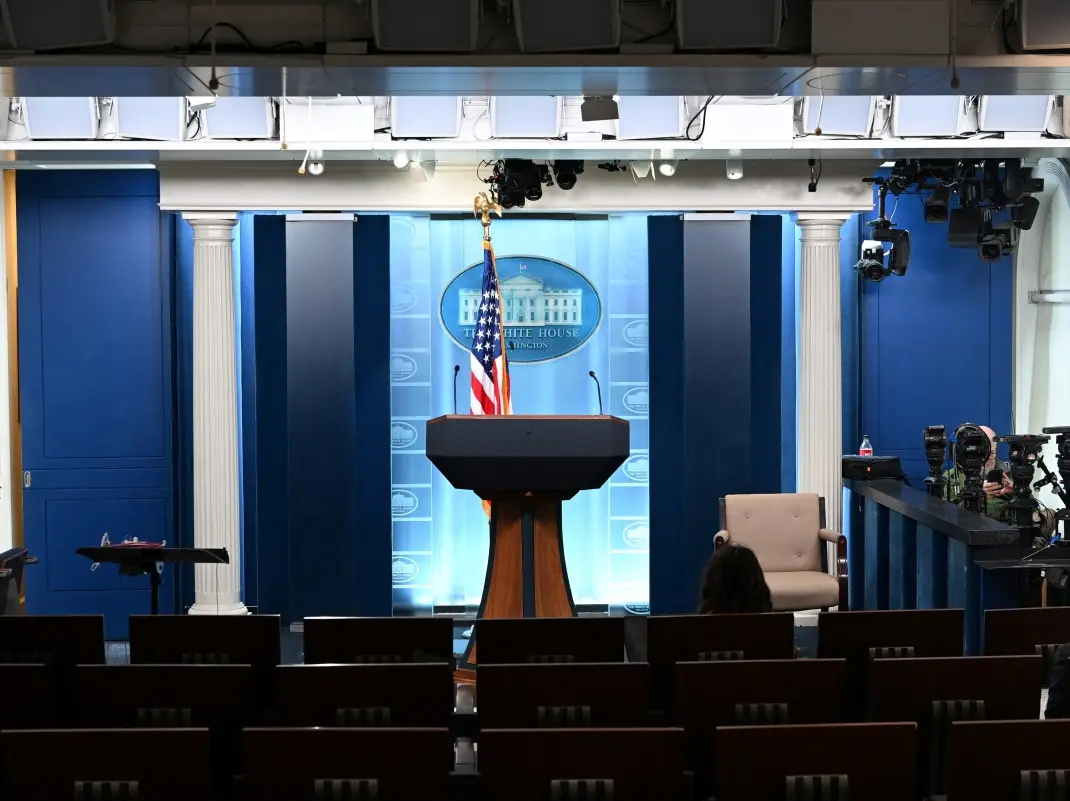)
Trump's helipad event overshadowed by audio failure as major TV networks suspend pool coverage
)
The Scandal: Why so scandalous? Ji Chang Wook leaves you gasping for air
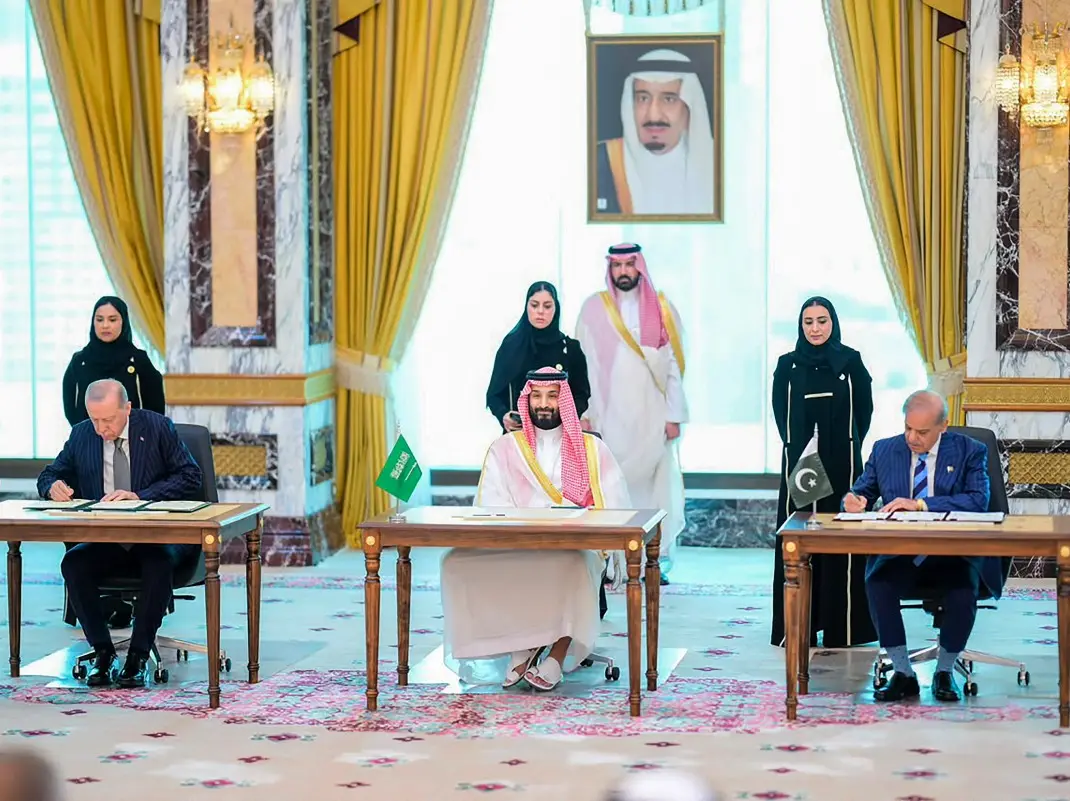)
The Verdict | The Mecca Agreement is under scrutiny as Houthis attack Saudis
)
Mahabharat actor Saurav Gurjar arrested in Hyderabad, sent to 14-day judicial custody in sexual exploitation case
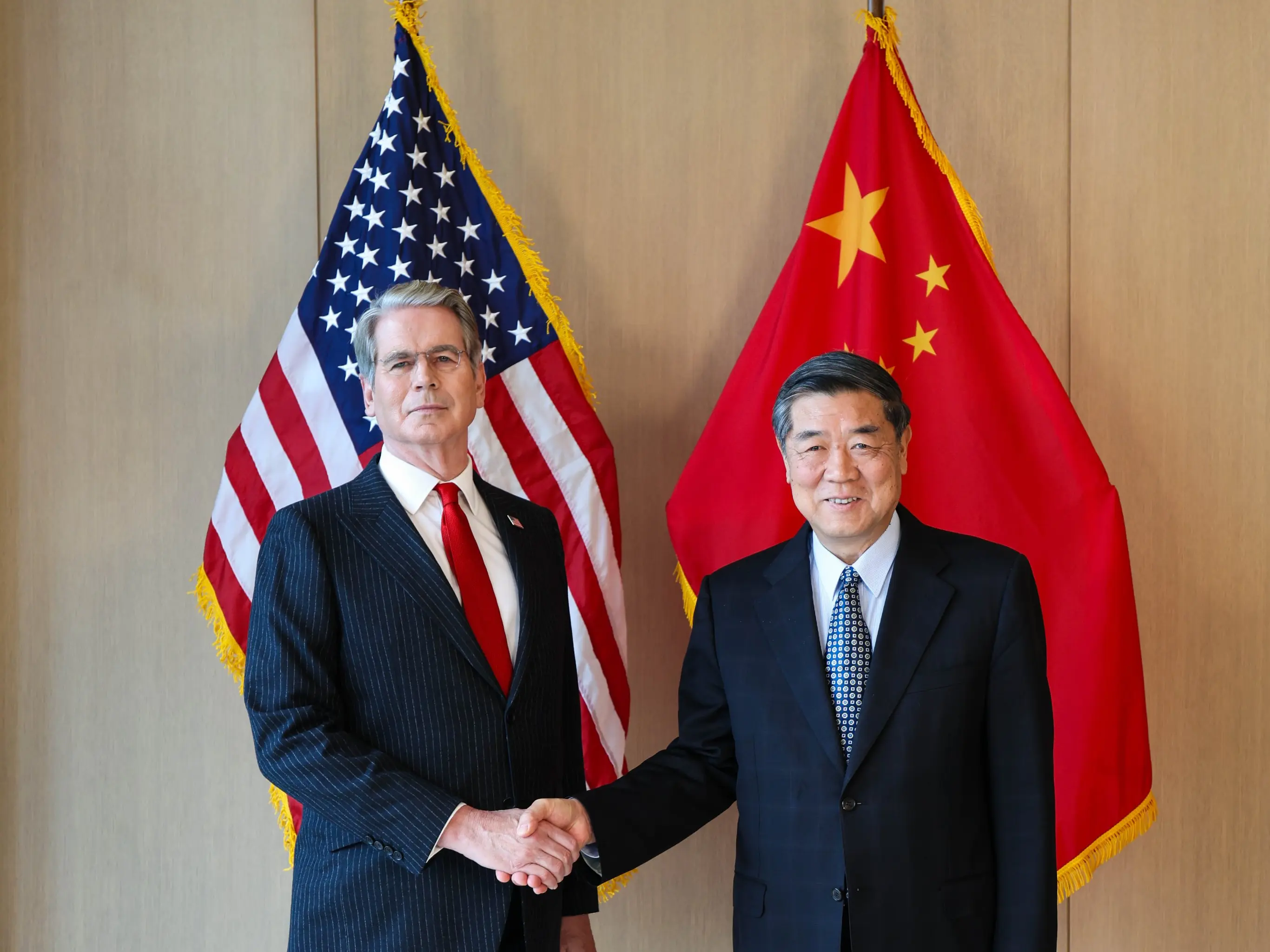)
Bessent meets China’s He Lifeng to prepare for Trump-Xi summit
)
Four decades after leaving Kolkata, the Birlas may be coming back for more
)
'Lot of things to learn from experienced players': Jayasuriya backs Rohit, Virat for 2027 ODI World Cup
)
Taylor Swift has a 'proud wife' moment as Travis Kelce scores first touchdown of season: 'That’s my husband!'
&im=FitAndFill=(700,400))
New OTT releases this week (September 21-27, 2026): Shaque: Trust No One, Hunkkaar, Don’t Be Shy- 5 new titles coming to Netflix, Prime Video and more
)
40-foot waves crash into cruise ship in dangerous stretch near Antarctica. Watch
)
Iranian airlines to shut worldwide on Sept 23, Bessent warns of US banking ban
)
Putin's United Russia party wins 355 seats in Duma election; 4 other parties cross threshold to enter parliament
)
Delhi Air pollution: Strict crackdown on waste burning
)
Samsung raises Galaxy S26 prices by Rs 20,000: Here’s what each model now costs
)
Samay Raina-Mukesh Chhabra controversy explained: What happened over girlfriend joke on India's Got Latent?
)
Jailer 2: Vidya Balan joins Rajinikanth's upcoming film as Kantha | Watch
)
From ‘communist’ to ‘great mayor’: Trump praises Mamdani after New York meeting, discusses immigration and housing
)
‘0% chance’: Nvidia CEO Jensen Huang dismisses AI extinction fears by 2030
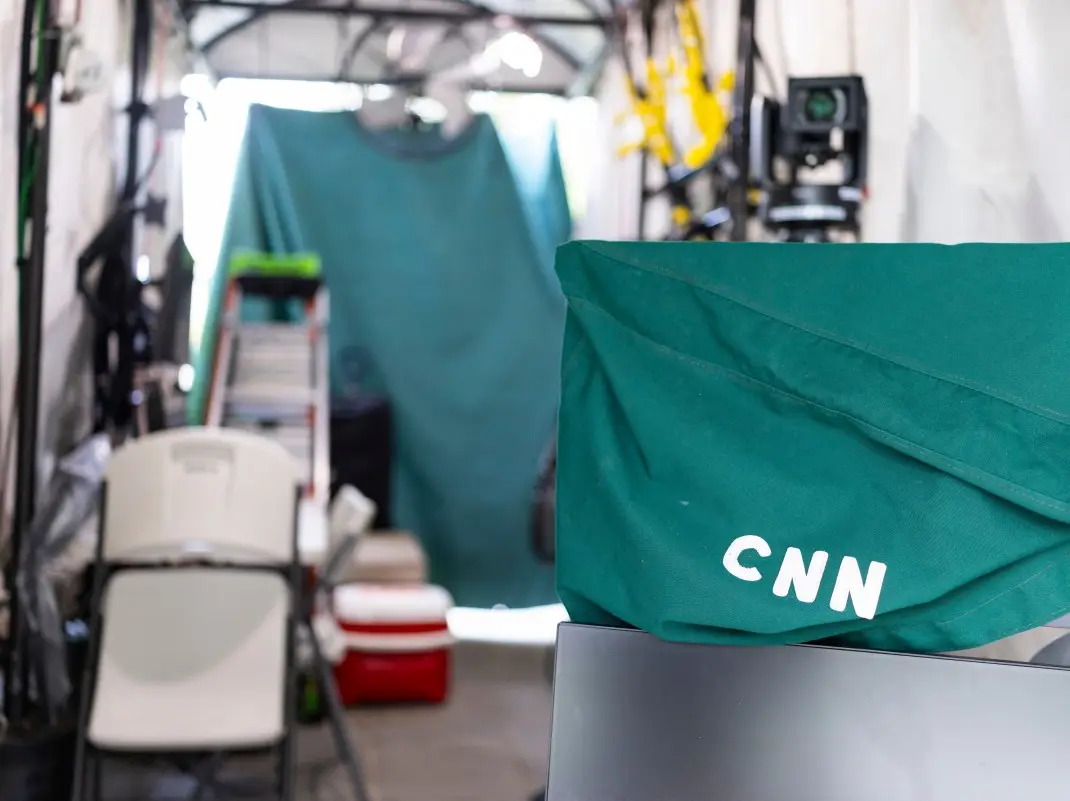)
White House TV pool halts Trump coverage after CNN barred from UNGA events
)
Trump says Russia has ‘lost control’ of its diesel industry, calls for end to ‘ridiculous, never-ending’ war
)
Explainer: Why rare-earth export licences and Board of Trade are US priorities ahead of Trump-Xi summit
)
Microsoft executive called AI training the ‘largest theft of labour in human history’
)
FIFA chief Infantino wants to reform governing body with consultation from federations
)
IIT Bombay tensions ease after three-hour open house; director’s assurances pacify students
)
BTS fans mock iHeartRadio’s day 2 turnout after short set controversy
)
Saudi Arabia exits China-led mBridge digital currency platform amid Saudi-Houthi conflict
Also Read:Sunny Deol on Gadar's influence on recent cross-border love stories: We should respect their choices
How Gadar embraced jingoism
Tara is a character fuelled by an unwavering love for his country. But he veers dangerously close to jingoism. The film's dialogue, "Hindustan Zindabad tha, Zindabad hai, aur Zindabad rahega!" (India was great, is great, and will remain great!), became emblematic of the unreasonable patriotism that characterised Gadar. While it resonated with some people's sense of national pride, some argued that its sheer force overshadowed the film's exploration of the historical event at the centre of the movie it sought to depict — the Partition.
By placing such strong emphasis on personal heroism and patriotism, many contended that the film might have missed an opportunity to delve into the myriad stories of pain, loss, and displacement that the Partition brought about.
Will Gadar 2 eschew ultra-nationalism?
The question of whether Gadar 2 will steer clear of jingoism is a pertinent one, given the debates and discussions that its predecessor ignited. Despite the fact that the cinematic landscape evolves and societal perspectives shift with time, there are no indications that the sequel might approach its narrative with more subtlety. It is, after all, releasing in a climate that seems to have made room for films that embrace jingoistic sentiments. Audiences appear more open to narratives that evoke emotions associated with their love for the country, and filmmakers have recognised this trend.
WATCH WION LIVE HERE
You can now write for wionews.com and be a part of the community. Share your stories and opinions with us here.