Cynthia Weil, legendary Grammy-winning lyricist, passes away at 82

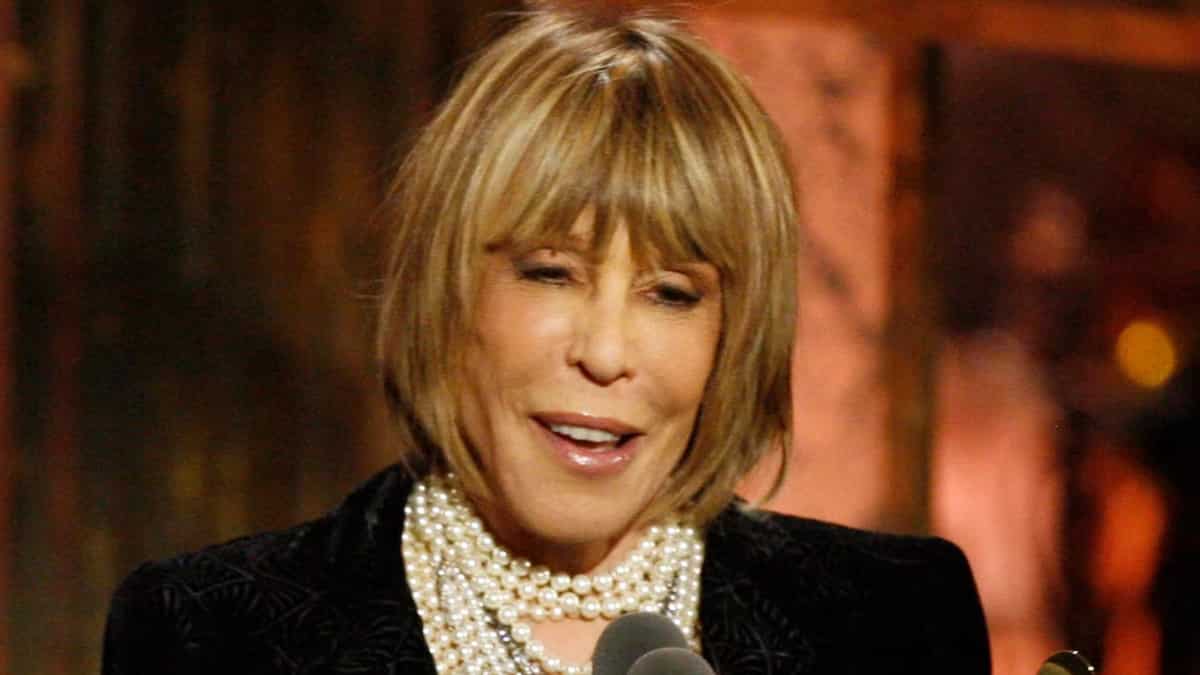
Cynthia Weil was 82.
Cynthia Weil, a remarkable and highly accomplished lyricist who won multiple Grammy Awards, has peacefully left us at the age of 82. Throughout her illustrious career, she made lasting contributions to the music industry, showcasing her immense talent and versatility. Collaborating closely with her husband, Barry Mann, Cynthia co-wrote a plethora of timeless hits, such as "You've Lost That Lovin' Feeling," "On Broadway," "Walking in the Rain," and many other beloved songs. Dr Jenn Mann, the daughter of Cynthia Weil and Barry Mann, has confirmed that her mother passed away surrounded by her cherished family members at her residence in Beverly Hills, California. The specific cause of her passing remains undisclosed.
Cynthia Weil and Barry Mann's iconic partnership

In 1961, Cynthia Weil and Barry Mann tied the knot and became one of the most successful duos in popular music. They were part of an extraordinary collective of songwriters recruited by Don Kirshner and Al Nevins, based in New York City's Brill Building neighborhood. Collaborating with the likes of Carole King and Gerry Goffin, and Jeff Barry and Ellie Greenwich, the Brill Building became a renowned song factory that produced many chart-topping singles during the '60s and beyond.
Growing up in such a musical environment, Dr. Jenn Mann describes her parents as incredible, brilliant, and creative geniuses who inspired each other to write exceptional songs. Weil often emphasised the profound connection they shared, using their music as a source of strength during both good and challenging times.
Weil and Mann also worked closely with producer Phil Spector, co-writing songs for renowned acts such as the Ronettes ("Walking in the Rain") and the Crystals ("He's Sure the Boy I Love"). Their songwriting prowess extended to diverse artists like Dolly Parton and Hanson. Notably, their collaboration with James Horner on "Somewhere Out There" for the movie soundtrack of "An American Tail" earned them Grammy Awards in 1987 for Best Song and Best Song for a Movie or Television. The song was also nominated for an Academy Award and a Golden Globe. Additionally, "Don't Know Much," a duet by Linda Ronstadt and Aaron Neville that they co-wrote, became a top 5 hit and won a Grammy for Best Pop Performance in 1990.
&im=FitAndFill=(700,400))
National Handloom Day 2026: From Alia Bhatt to Samantha Ruth Prabhu; Actresses who celebrated India's textile heritage as brides
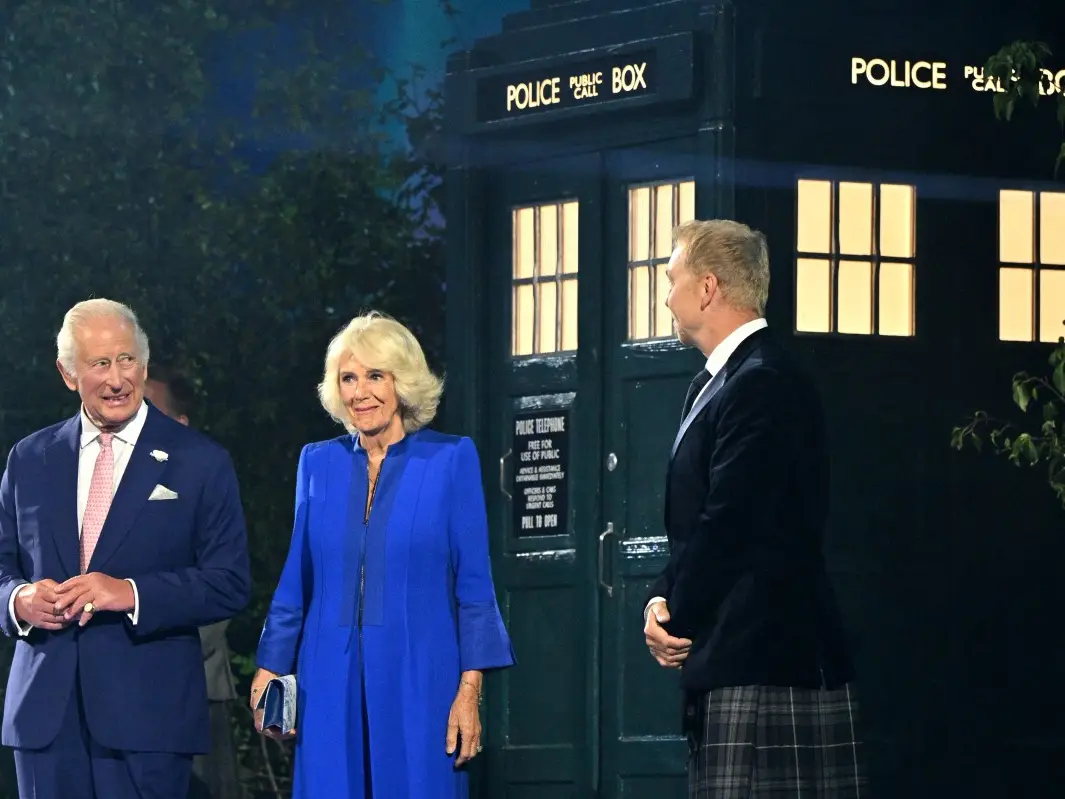)
The Royals enter the Doctor Who universe: King Charles and Queen Camilla beam into Commonwealth Games in TARDIS
)
Unitree Robotics targets $9 billion valuation in landmark IPO backed by DeepSeek and Tencent
)
India names 27 sites in Arunachal Pradesh
)
Bharat Bhhagya Viddhaata OTT: When will Kangana Ranaut's film stream online?
&im=FitAndFill=(700,400))
How many soldiers operate one S-400 battery?
)
Shakib Al Hasan ready to return to Bangladesh—under one condition
)
‘Fake news’: MEA rejects report claiming India sought defence pact with Israel after Pakistan, Saudi Arabia, Turkey deal
)
Rockstar to unveil GTA 6 extended look ahead of November launch
)
Russia forms Ukrainian Volunteer Spetsnaz Brigade to fight Ukraine
)
Drug-resistant fungus that hides in hair and enters bloodstream reported in 23 US states
)
Technology transfer deal boosts India's defence manufacturing ambitions
)
Border row erupts in Europe after Ceuta crossings, Spain imposes border controls on Italy
)
Morale plummets on USS Abraham Lincoln: Are US sailors reaching a breaking point? | GRAVITAS
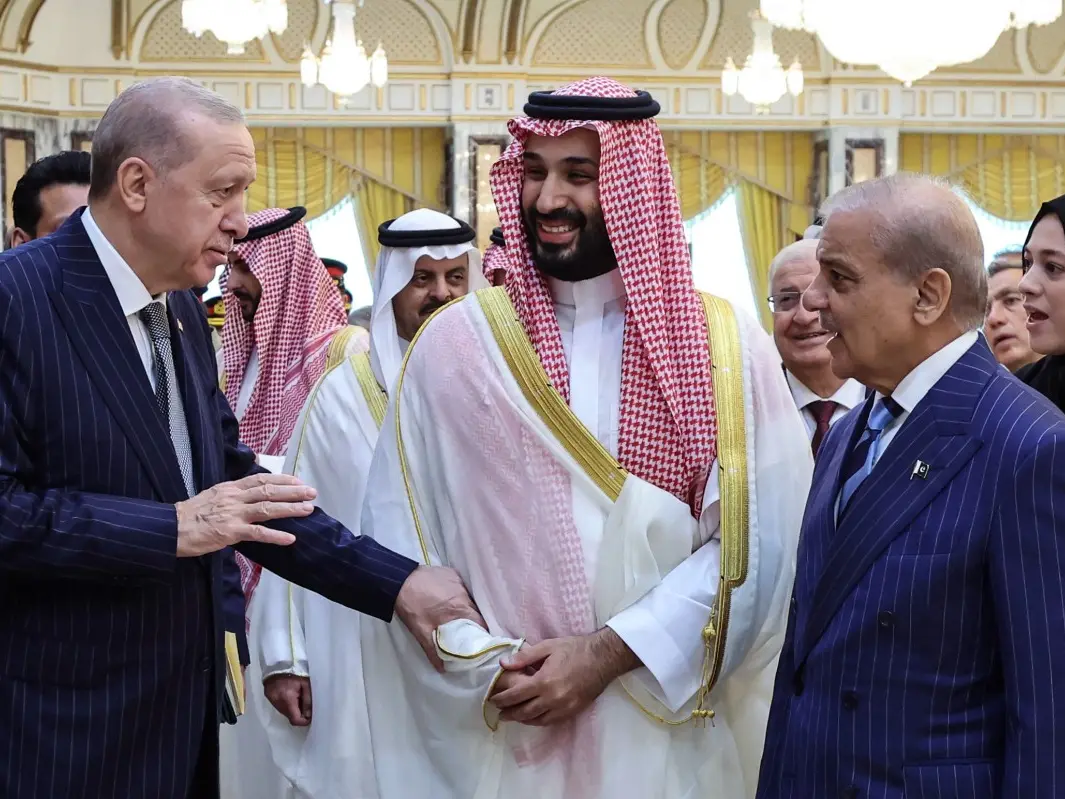)
'Security can't be bought with Pakistan, Turkey deal': Iran tells Saudi Arabia
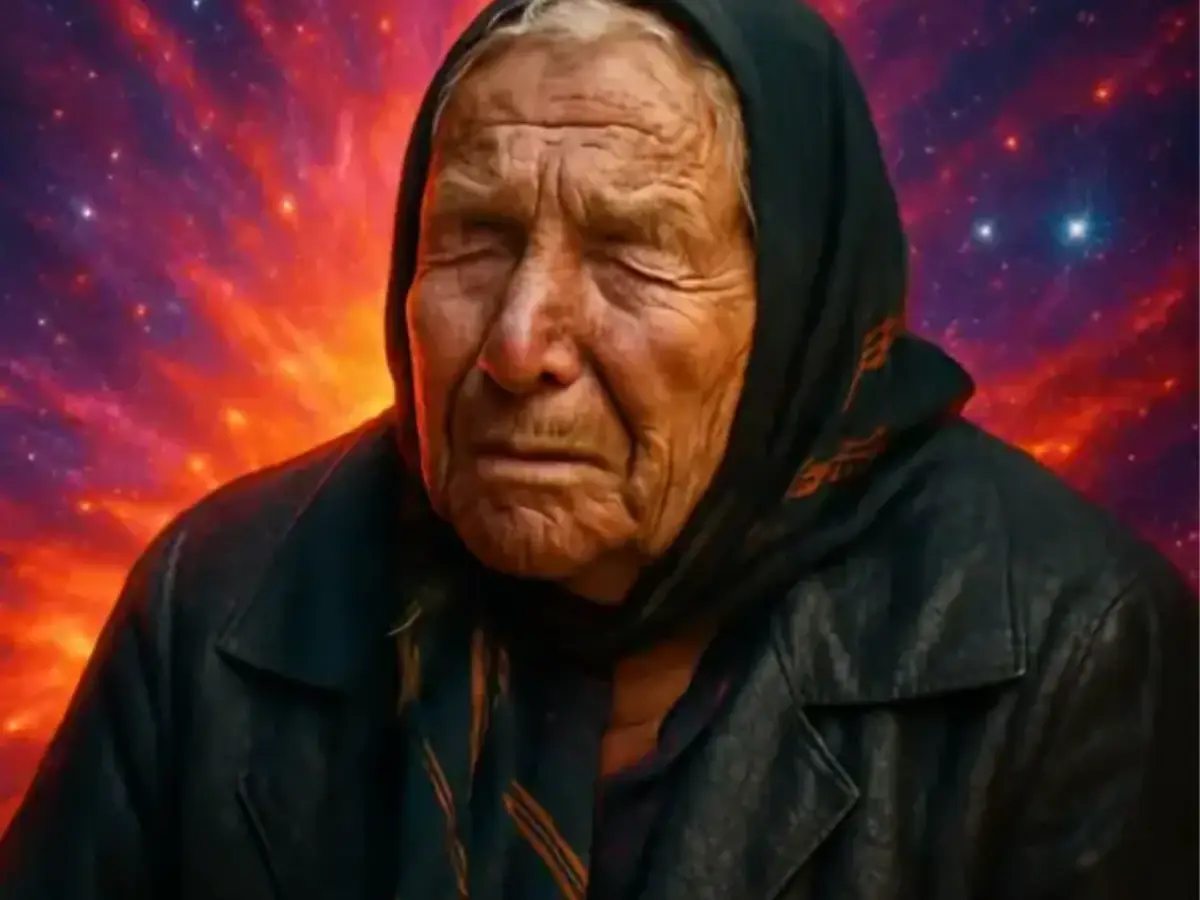)
Baba Vanga's 2026 prophecy: 2 predictions 'already came true', 3 terrifying ones remain. Details inside
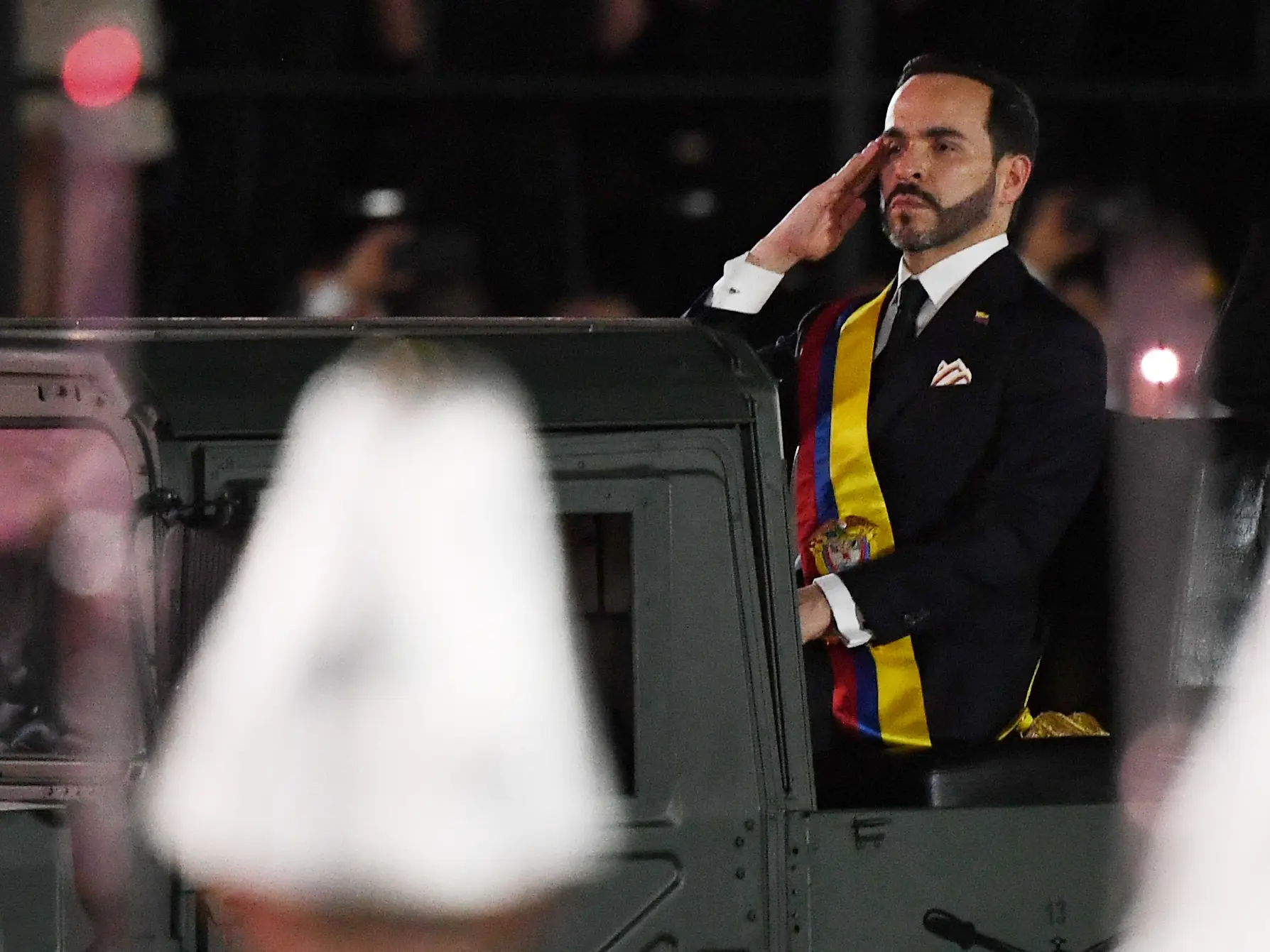)
Colombia’s new president Abelardo de la Espriella vows to ‘defeat narco-terrorists’, signals hardline shift
&im=FitAndFill=(700,400))
New Friday OTT releases (August 7, 2026): Operation Safed Sagar, Vadhandhi, Main Vaapis Aaunga- 6 movies and TV shows on Netflix, Prime Video and more
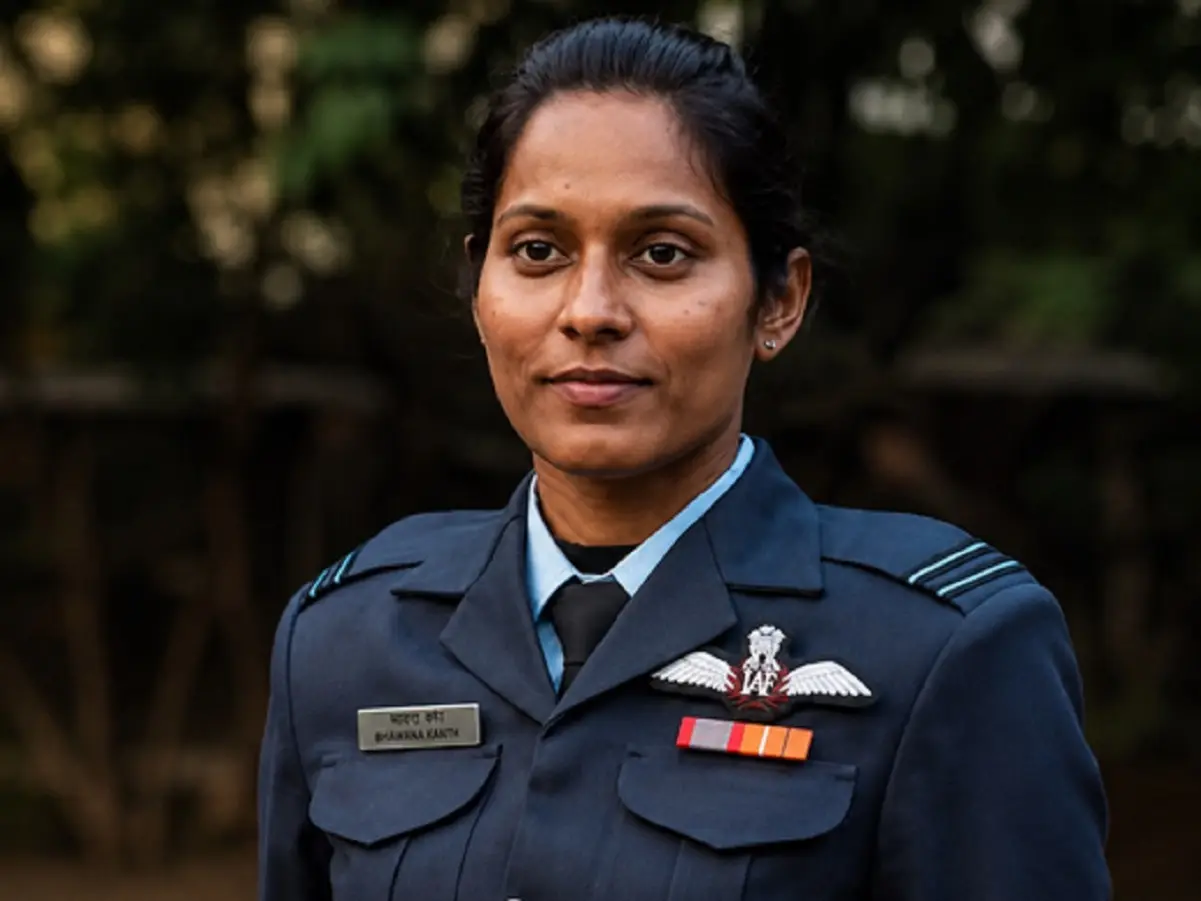)
Squadron Leader Bhawana Kanth scripts history as Indian Air Force gets its first woman ‘Top Gun’ pilot
)
RSS says Gen Z protests reflect genuine distress
)
Trump says Iranian school bombing photos could be AI-generated - 'I don’t think...'
)
IAF officer held for sharing sensitive information in 'honey trap' case, booked under Official Secrets Act
)
Stray Kids under scrutiny? Fans react to Grammy submission silence after BTS boycott
&im=FitAndFill=(700,400))
Why the Su-30MKI doesn't need external fuel tanks to fly vast distances
)
Jugal Hansraj reunites with Shekhar Kapur after 40 years for Masoom: The Next Generation
)
New speed limits, automatic challans: Big traffic change coming to Delhi-Meerut Expressway. All you need to know
)
India officially names 27 places in Arunachal to counter China's renaming claims
)
Trump calls White House ballroom ruling a 'national disgrace' as court says Congress approval needed
)
US sanctions Iran’s crypto network after Strait of Hormuz attacks, offers $15m bounty for intel on IRGC finance
&im=FitAndFill=(700,400))
Why the Su-30MKI is one of the heaviest fighters ever built
)
Uttarakhand young innovator builds India's own flying vehicle, conducts first test flight: WATCH
)
Chilling video shows students take cover as teen opens fire at Thai school
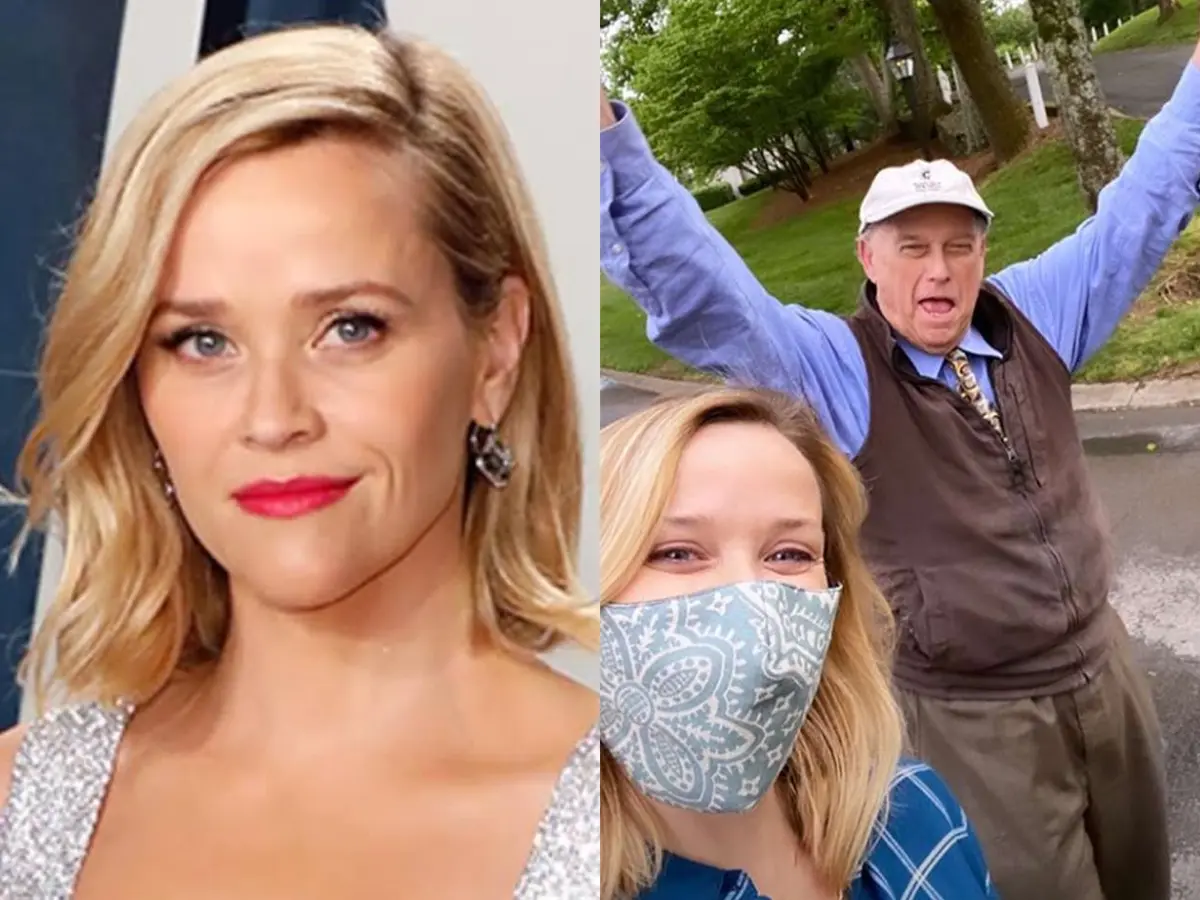)
Reese Witherspoon's father hospitalised after poolside incident in Nashville: Report
One of their most iconic songs, which solidified their place in history, was "You've Lost That Lovin' Feeling." Produced by Phil Spector, the song, sung passionately by the Righteous Brothers, became an anthem of "blue-eyed soul." Topping the charts in 1965, it was covered by numerous artists and, according to Broadcast Music Inc. (BMI), became the most played song on radio and television in the 20th century.
However, when Weil and Mann initially presented "You've Lost That Lovin' Feeling" to the Righteous Brothers, they were met with silence. Singers Bill Medley and Bobby Hatfield expressed doubts about the song's suitability for their style, but Phil Spector confidently assured them of its success.
While many of Weil's contemporaries faced challenges in the wake of the Beatles' rise in the mid-1960s, she continued to produce hit songs. She collaborated with Mann and other songwriting partners such as Michael Masser, David Foster, and John Williams, with whom she co-wrote "For Always" for the soundtrack of Steven Spielberg's film "A.I. Artificial Intelligence." Weil also co-wrote Dolly Parton's breakthrough pop hit "Here You Come Again," Peabo Bryson's ballad "If Ever You're In My Arms Again," James Ingram's "Just Once," the Pointer Sisters' "He's So Shy," Lionel Richie's "Running With the Night," and Hanson's "I Will Come to You," which entered the top 10 in 1997.
Cynthia Weil's, more than a one-trick pony
Cynthia Weil's talent extended beyond love ballads, showcasing her versatility as a songwriter. Alongside Barry Mann, she crafted one of rock's earliest anti-drug songs, "Kicks," which became a hit for Paul Revere and the Raiders in 1966. She also had a knack for capturing themes of ambition and aspiration, evident in the timeless opening line of "On Broadway": "They say the neon lights are bright on Broadway." Another notable achievement was The Animals' hit "We've Got to Get Out of This Place," which delved into working-class frustration—a subject rarely explored in the early years of rock music.
Weil's lyrical contributions often touched upon profound social issues. The Crystals' 1961 hit "Uptown" stood out for its commentary on race and class, offering a perspective seldom heard in the early days of rock music. Weil's ability to craft narratives within songs turned them into captivating mini-novels, evoking emotions and painting vivid pictures of the human condition.
While her peers faced challenges during the ever-evolving music landscape, Weil's songwriting prowess remained resilient. She continued to collaborate with various artists and songwriters, adapting to different styles and genres. Her work resonated across generations, earning critical acclaim and commercial success.
Beyond her achievements in music, Weil later pursued writing as an author. She published the novel "I'm Glad I Did," showcasing her storytelling abilities in a different medium.
A glorious legacy
Cynthia Weil leaves behind a lasting legacy as a Grammy-winning lyricist, celebrated for her extensive catalog of hits and her enduring partnership with Barry Mann. Her words touched the hearts of millions, with her songs becoming part of the fabric of popular music. Her contributions to the Brill Building era and beyond have left an indelible mark on the music industry, ensuring that her talent and artistry will continue to inspire and resonate for years to come.
WATCH WION LIVE HERE
You can now write for wionews.com and be a part of the community. Share your stories and opinions with us here.