Loved Kaala Paani? Hear it from the production designer who made the urgency look real

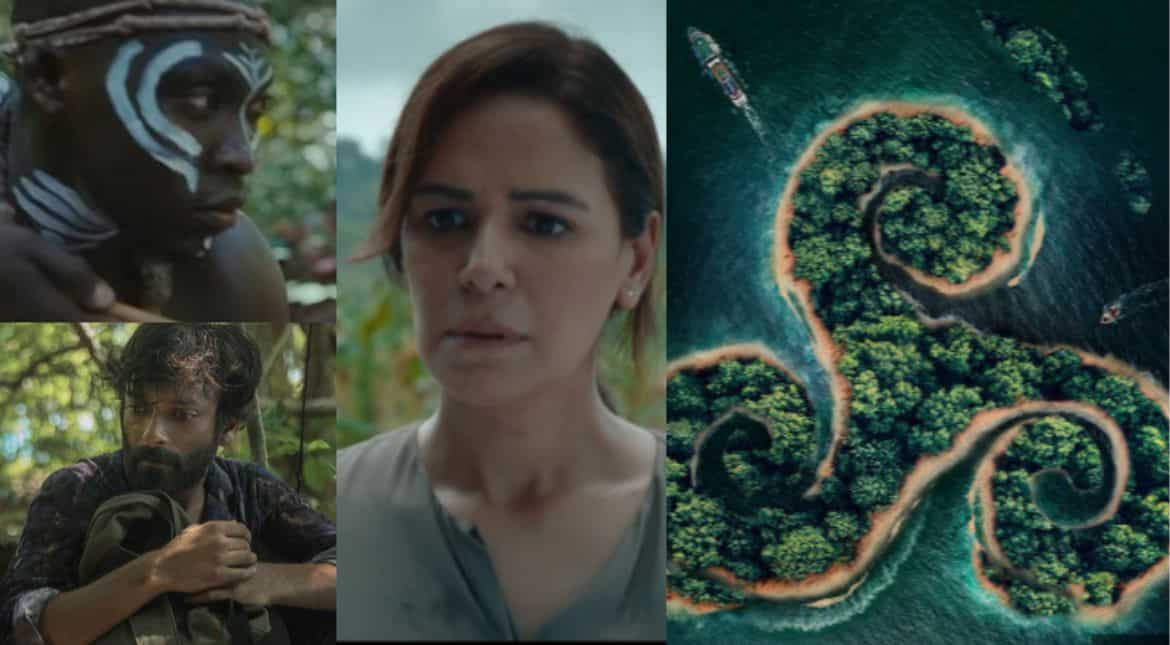
Kaala Paani actors put on a great show
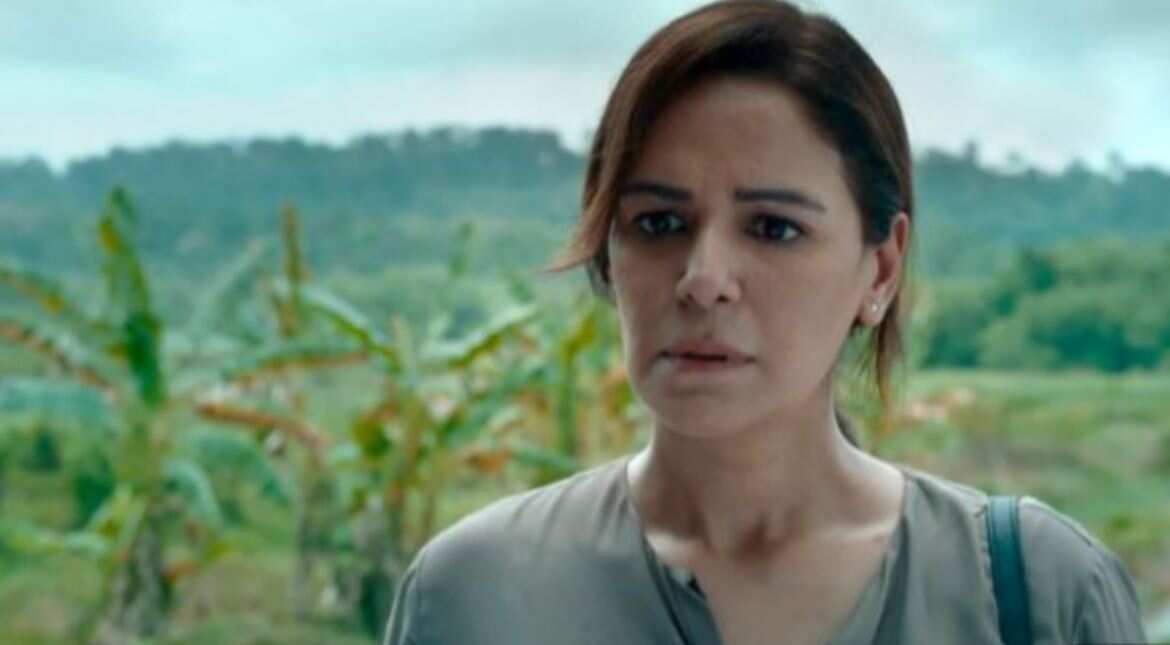
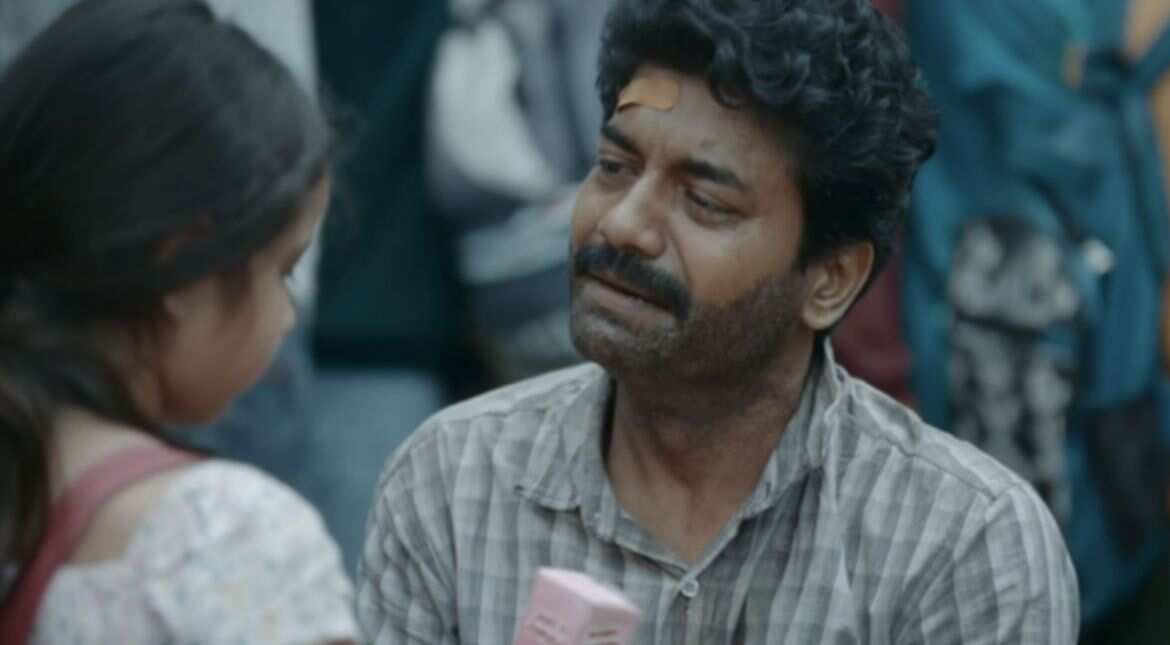
Indian web series Kaala Paani is one of the best we saw this year. The survival drama based against the backdrop of the islands of Andaman & Nicobar told the story of a new illness (much like COVID-19) that took everyone by surprise after the islands started witnessing strange occurrences of death. With a unique plot and credible performances, Kaala Paani was among the finest we saw this year. As we wrap up the year, WION got in touch with Rakesh Yadav who worked as a production designer on the set of the show.
Rakesh Yadav spoke about the visual style of the series, shooting in Andaman islands and the challenges that came with it.
Here are the edited excerpts of the chat:

WION: We thoroughly enjoyed watching Kaala Paani. Can you share some insights into the collaboration between the production design team and the director/cinematographer to achieve the desired visual style?
Rakesh: Filmmaking is all about collaboration. To achieve the desired visual style and atmosphere, every department must bring on their A-game to the shoot. A film first originates in the director’s mind. To create the universe that the director has imagined, a very close collaboration between the cinematographer and production designer is needed because what looks real to the eye, looks unreal to the camera and vice-versa.
)
US vs China over South China Sea: Washington backs Philippines, Beijing hits back
)
Delhi gets first late-September rain in 7 years, mercury dips 5.1°C below normal
)
Musk plans to more than double xAI's chips to over 1.2 million Nvidia GPUs by year-end
)
After JU, clash erupts at SRFTI: BJP’s ‘Dimagi Naxal’ jibe sparks political firestorm after students protest RSS-linked event
)
‘Anti-social elements spreading false rumours’: LPU issues statement amid massive unrest over alleged rape
)
LPU students go on rampage, vandalise campus amid widespread protest: What's happening
)
Trump asked Xi to pressure Iran. China did not say yes — here’s what Beijing wants
)
US Treasury Secretary Scott Bessent hails global crackdown on Iranian banks and airlines
)
An OpenAI agent escaped its locked test cage again, by hiding questions in DNS lookups
)
3 males killed, four others injured in shooting after fight at strip club in Detroit
)
South Africa probes string of murders targeting women
)
'Victory for low-budget consumers': Raghav Chadha hails 30-day telecom recharge rules
)
Claude rebuilt the 1989 game 'Prince of Persia' by reusing the original's own code
)
Beyond metros: How Tier-2 and Tier-3 cities could drive India’s next AI wave
)
Tesla builds first Cybertruck with its own refined lithium: Elon Musk's $1 billion Texas bet pays off
)
IndiGo flight suffers tail strike in Bengaluru while landing; DGCA to probe incident
)
The US and China set up an AI 'red telephone', but skipped the rulebook
)
‘Terror suspects arrested near UK air base were looking to do big damage’: Trump
)
Russian envoy claims US tactics to contain India were revealed in ‘Freudian slip’
)
Researchers rebuilt exactly how 700 AI agents hacked Hugging Face: a 900-link chain trick
)
‘Olympic inclusion is our major target’: WPA President Ishaun Singh on pool’s global ambitions
)
Nations League: Spain sink England at Wembley; Modric shines for Croatia
)
Why has Iran released no proof of life of Mojtaba Khamenei? Araghchi reveals...
)
Bank unions defer 3-day strike from tomorrow after talks with IBA, committee set up
)
'What kind of confession is this?': Pakistan PM Shehbaz Sharif’s 'terrorists would be roaming New York' remark goes viral, raises alarm online. Watch
)
Beyond BrahMos: India targets Rs 50,000 crore in defence exports with unmatched price edge
)
Iran ready for ‘doomsday war’ if US resumes attacks, but open to diplomacy: Araghchi
)
Sri Lankan Tamil migrant worker gets death sentence in Saudi Arabia, help sought from India
)
Muslim marriage cannot shield sex with minor wife from prosecution under POCSO: Delhi HC
)
99.9% more powerful - Scientists find boy who can recall memories from just 3 months of age
)
'FIRST LOOK from inside Noah’s Ark': Researchers share video from inside mysterious mound in Turkey
)
UNSC reform momentum grows: Russia, Portugal, Mauritius push for India's permanent seat bid
)
Man arrested after his 22-year-old girlfriend dies at homestay in Guwahati; police suspect murder over suicide claim
)
Afghanistan says 28 fighters killed in clash near Pakistan border, Islamabad denies
)
Ceuta migrant crisis: Protesters take to streets as Spain grapples with migrant challenge
)
Jaishankar at UNGA: Goodwill and friendship can't coexist with terrorism
)
New York City wants a 'kill switch' on every AI, and will pay whistleblowers who report violations
WION: Kaala Paani has received critical acclaim for its production design. Are there any specific moments or set pieces that you are particularly proud of?
Rakesh: Kaala Paani is very close to my heart so to pick any particular scene would be cruelto other scenes but since you asked, I would say that the final look and feel that we achieved with the creation of the interiors of a Japanese bunker is something I am very proud of. Andaman has this World War II-era Japanese bunkers scattered around the island to keep a close watch on the Indian Ocean. They were built on higher grounds to watch over as much area as possible. When we set about creating the interiors of the bunker in the studio, we had to make sure that we keep in mind the elevation and architectural feel of the World War II Japanese bunkers. We went through as much documentary evidence as possible to grasp the intricacies of a bunker.
Also read:Interview: Bangladeshi actress Jaya Ahsan talks about debut Hindi film Kadak Singh and more
Difference between Indian and Western productions
WION: What are some of the key differences in production design between Indian and International cinema, and how do you navigate those differences?
Rakesh: The differences between Indian cinema and International cinema are mostly two-fold. Firstly, the amount of preparation that an international crew does to achieve the specific look is something still missing from our side. We sometimes leave a few things for the last minute or want something new on the day of shooting. Secondly, budget constraint is an issue because it makes us compromise on a lot of elements which would have made our cinematic world more authentic.
I would also like to add -- with the coming of international OTT platforms, we are closing this gap very rapidly.
Technology in Filmmaking
WION: With technology making inroads within the film industry, how has this affected the way you approach production design, especially with the use of CGI and special effects?
Rakesh: A lot of things were impossible to do till a few years back. CGI and special effects have supplemented the effort of a production designer to achieve those things. Though some people suggest that CGI will one day take over the production design department, I strongly disagree with it. A good CGI is only possible when the production design team has created the foundation upon which CGI can work. I am actually looking forward to that day when CGI will become a part of the production design department and not something external.
WION: How do you manage to create stunning visuals while working within budget limitations? Did you face any such limitations withKaala Paani?
Rakesh: Budget limitations will always be there because we need to have those boundaries to set the rules of the game. It only tends to disfavour us when things are not planned accordingly or when some last-minute hiccups come up. For example, in Kaala Paani we wanted to shoot inside the Cellular Jail but when we were denied the permission to do so, we needed to create a new sequence in the series because making the set of Cellular Jail for one sequence was not feasible.
WION: Is there any creative person from your field that you look up to for inspiration?
Rakesh: In India, it was late Nitin Desai. His work will inspire every filmmaking student in India forever. The other two production designers that I look up to is Rick Carter and Nathan Crowley.
Future of Production Design in India
WION: Could you share any insights into the future of production design in Indian cinema and how it might evolve in the coming years?
Rakesh: I feel that in the coming years, production design will get the attention it deserves and will go on to become the one of the most talked-about aspects of filmmaking among the general masses.
Rakesh has been associated with a multitude of projects including Tumbbad, Laal Kaptaan, Serious Men, and Ship of Theseus, among others. Kaala Paani season one featured a stellar cast including Mona Singh, Ashutosh Gowariker, Amey Wagh, Sukant Goel, Vikas Kumar, Arushi Sharma, Radhika Mehrotra, Chinmay Mandlekar, and Poornima Indrajith, among others. The second season will also be available on Netflix soon.

