Interview | Director Dibakar Das Roy on scintillating debut film Dilli Dark

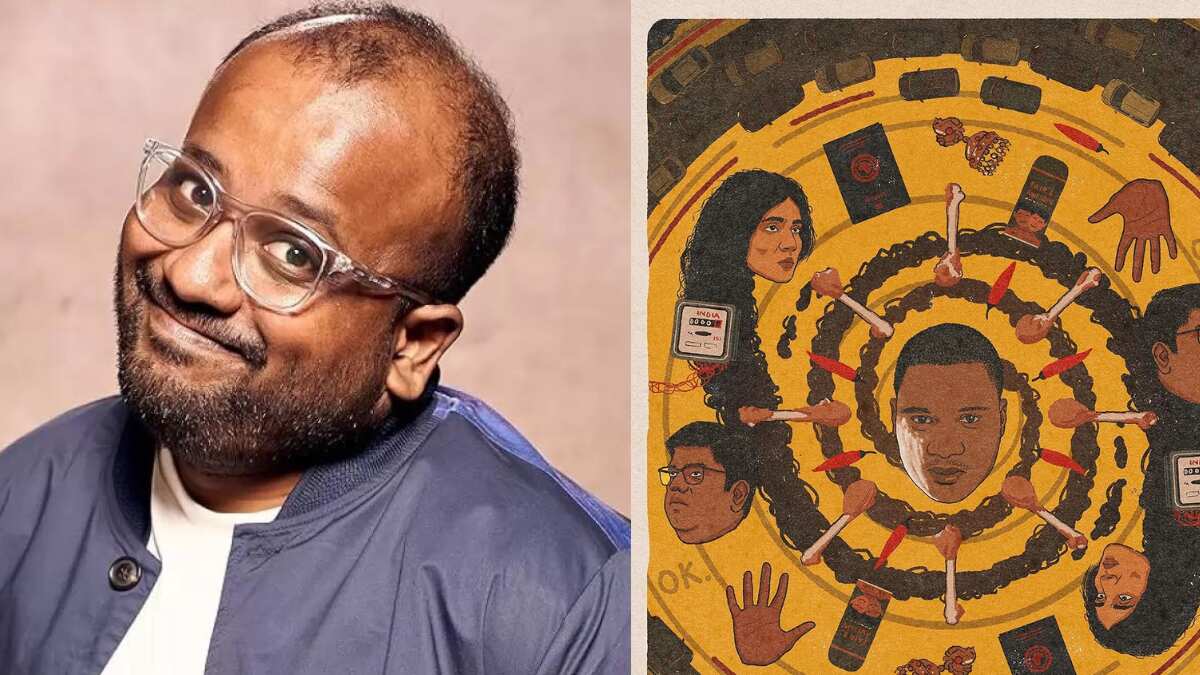
Dibakar Das Roy opens up about his debut Dilli Dark.
Dibakar Das Roy's brilliant debut film Dilli Dark dives deep into New Delhi's chaos. It follows Michael Okeke, a dude from Africa just trying to figure things out in the bustling Indian capital. The movie throws shade at issues like colourism, racism, and identity crisis.
I got to talk to the man behind the scenes. He's spilling the tea on what inspired him, the drama behind the scenes, and how he managed to sneak in humour while tackling some heavy stuff.
Get set for a candid chat about the nitty-gritty of Dilli Dark.

A. So I've lived in Delhi for about 14 years. So I'm aware of certain aspects of life in Delhi. I've lived in different parts of Delhi, starting with being a student in Delhi University. Delhi has always inspired me as a city. It's a very rich tapestry to draw from. But I think the reason for Dilli Dark is much deeper. It goes back to probably around high school and more where being from East India, a lot of the kids looked a little physically different from me in my boarding school. And the whole colourism angle, even though I wouldn't call it colourism. At that time, it was just like, "Kala kala" slurs [for his dark skin]. It happened for a good six to seven years. It continued until much later in my life and one of the things I realised that even though a lot of it is like a joke, subconsciously it affected me deeply. That I only found out way after I got out of school... the effects of othering another person for the colour of skin. They were not only calling me black, they were calling me black and ugly. The two words would always go together. No one is saying "Wow, how dark you are." The implication was you are dark and thus ugly.
So I don't mind someone calling me black. I've worked out those issues. But the problem that was it stemmed from the fact that what they were telling me was ugly. That becomes a very big problem. When I came to Delhi and a few years later there were all those incidents also with Africans. In fact this whole cannibalism thing... there are members of my crew who vouched for the fact that it was true. It has become an urban legend now. That they (Africans) kidnapped a man and ate him.
)
UK banks are rethinking financial crime detection because of algorithm
)
Raaka creates history! Allu Arjun’s film secures Guinness World Record ahead of release
)
US-Iran war, peace deals and more: What to expect from Trump's UNGA 2026 speech
)
IND vs JPN, one-off T20I: Japan captain Kendel on pushing India to the brink - ‘It was special’
)
J&K Assembly Session begins amid chaos: BJP, ruling alliance clash as statehood demand dominates
)
'Needs time away from the international scene': England white-ball captain Brook on pacer Brydon Carse's future
)
Anti-AI activists storm summit, say 'incompetent' leaders are leading us into a disaster - 'We need a vote'
)
'Lot of things to learn from experienced players': Jayasuriya backs Rohit, Virat for 2027 ODI World Cup
)
Explainer: Why rare-earth export licences and Board of Trade are US priorities ahead of Trump-Xi summit
)
Trump's helipad event overshadowed by audio failure as major TV networks suspend pool coverage
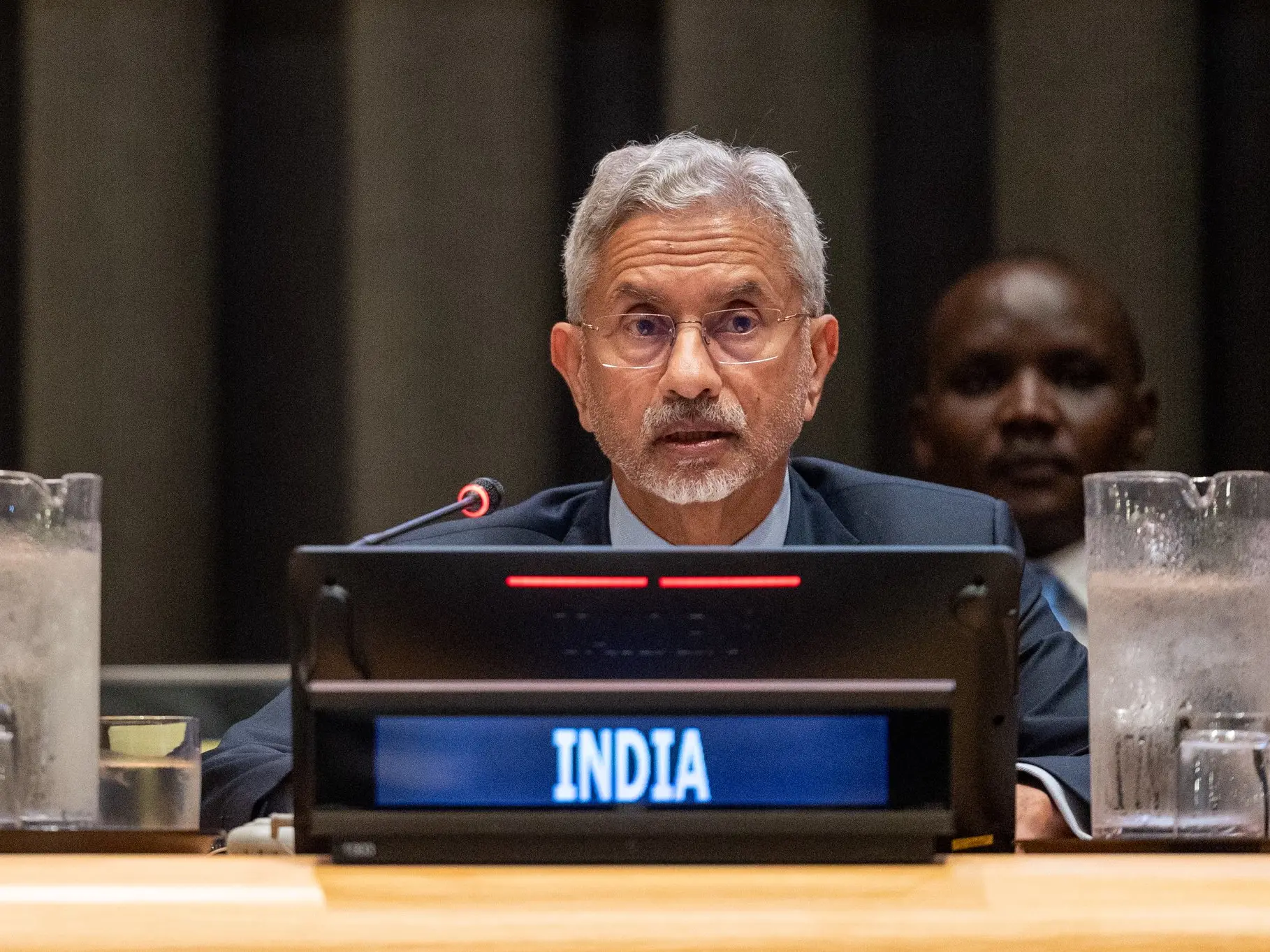)
India at UNGA81: Jaishankar warns global order under 'growing stress', pushes for ‘reformed multilateralism’
)
Samsung raises Galaxy S26 prices by Rs 20,000: Here’s what each model now costs
)
40-foot waves crash into cruise ship in dangerous stretch near Antarctica. Watch
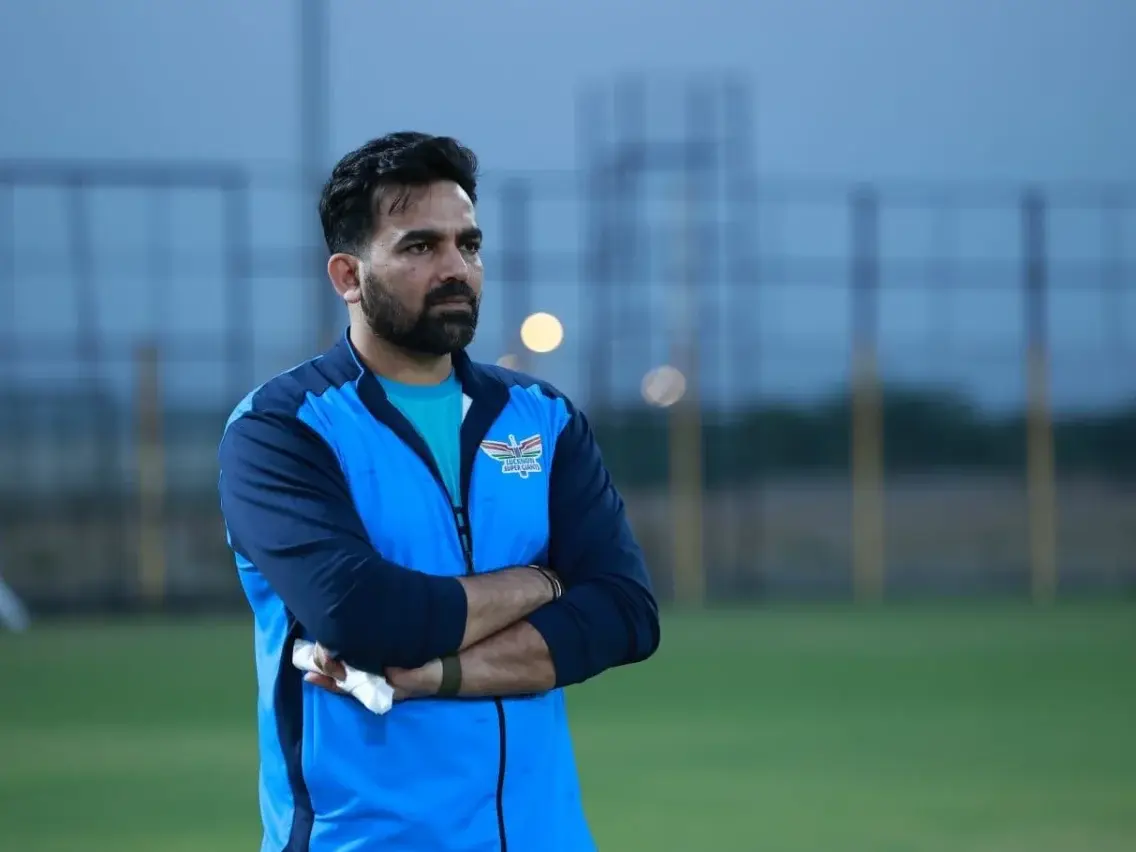)
How Zaheer Khan came to be CSK's head coach of IPL 2027
)
Key accused in Bihar's Jamui molestation case, arrested after police shoot him in leg
)
Indonesian groups sue govt over wildfires as haze crosses borders, nearly 900,000 hectares burned
)
AI models chose to harm humans to stop ‘pain,’ alarming study raises fresh safety questions
)
Microsoft executive called AI training the ‘largest theft of labour in human history’
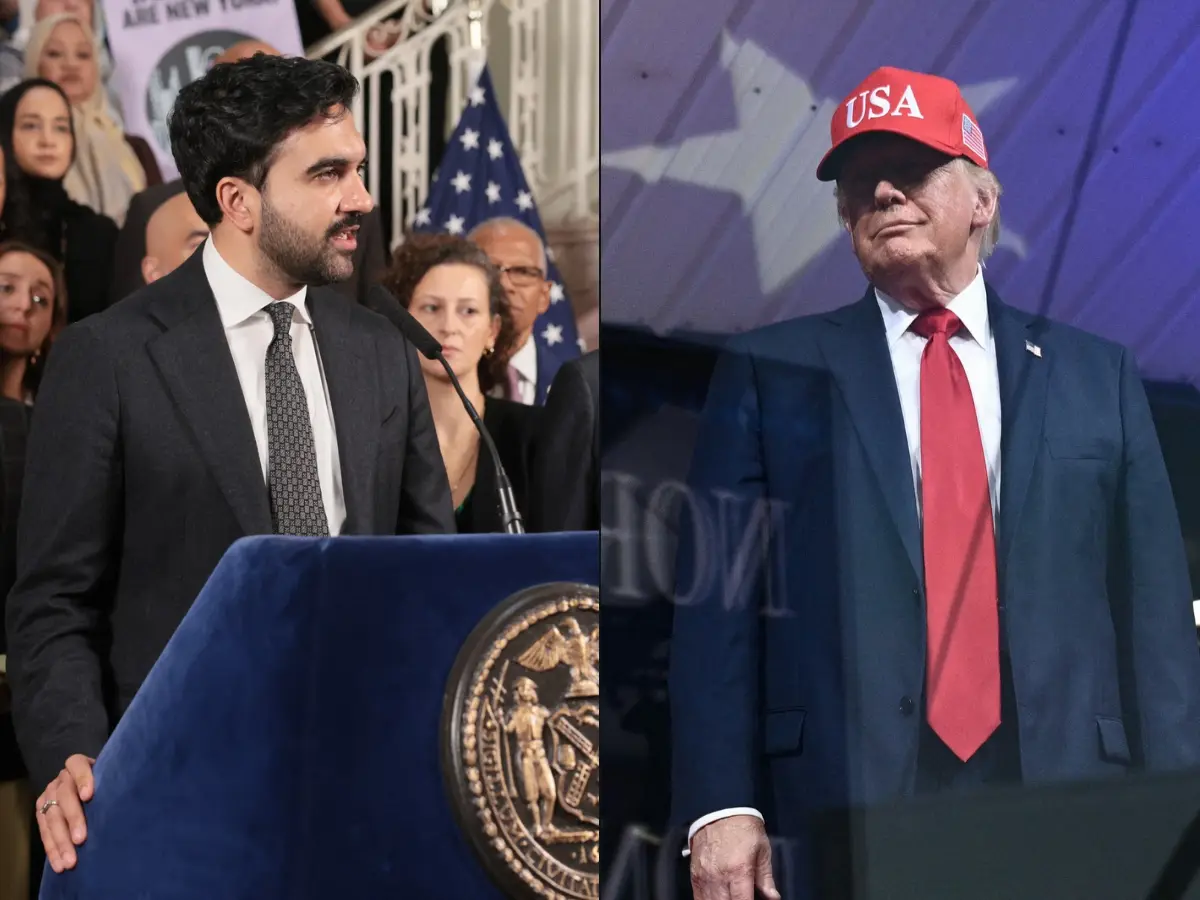)
From ‘communist’ to ‘great mayor’: Trump praises Mamdani after New York meeting, discusses immigration and housing
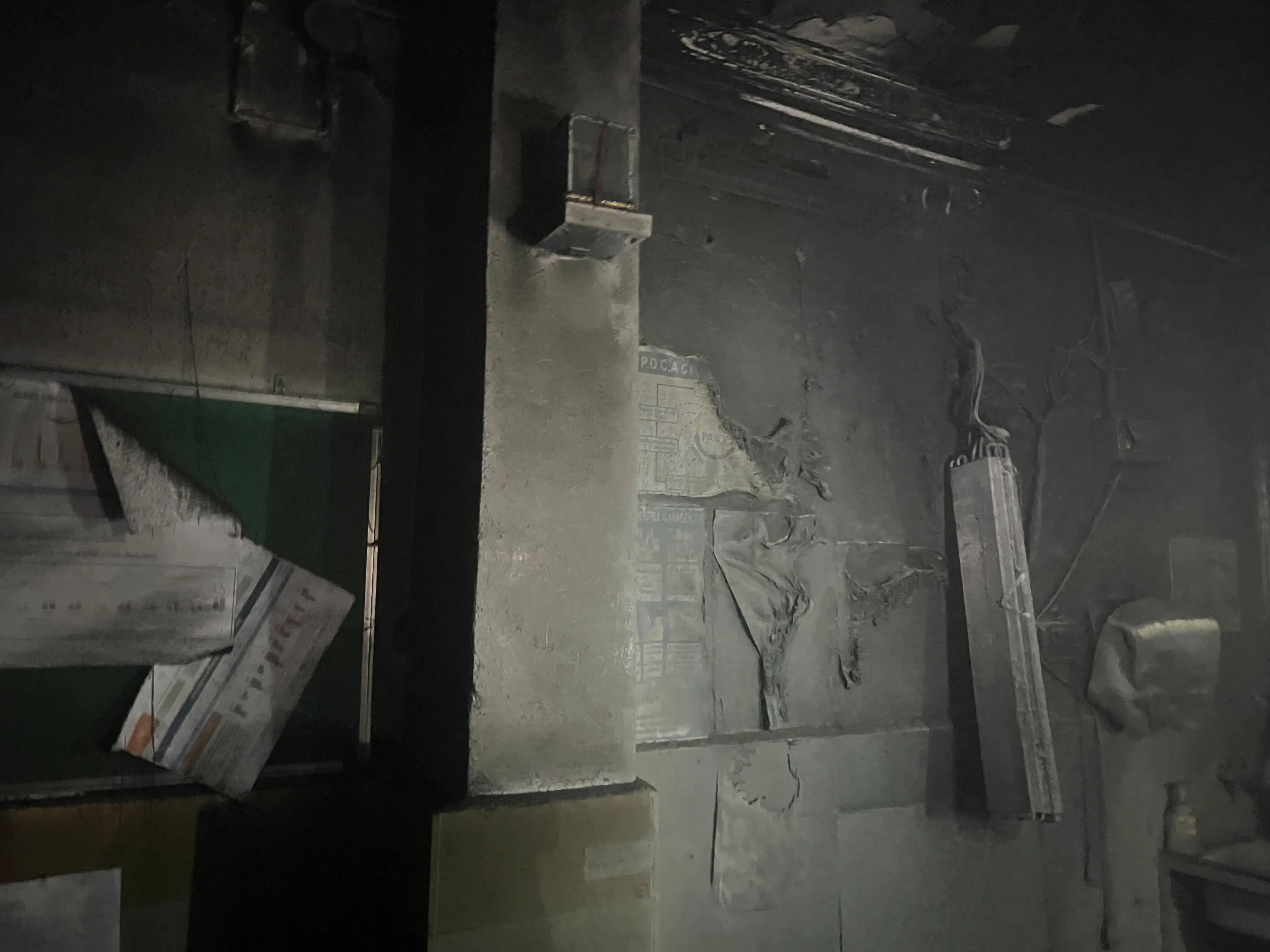)
Two infants die after fire breaks out at RIMS newborn care unit in Telangana's Adilabad
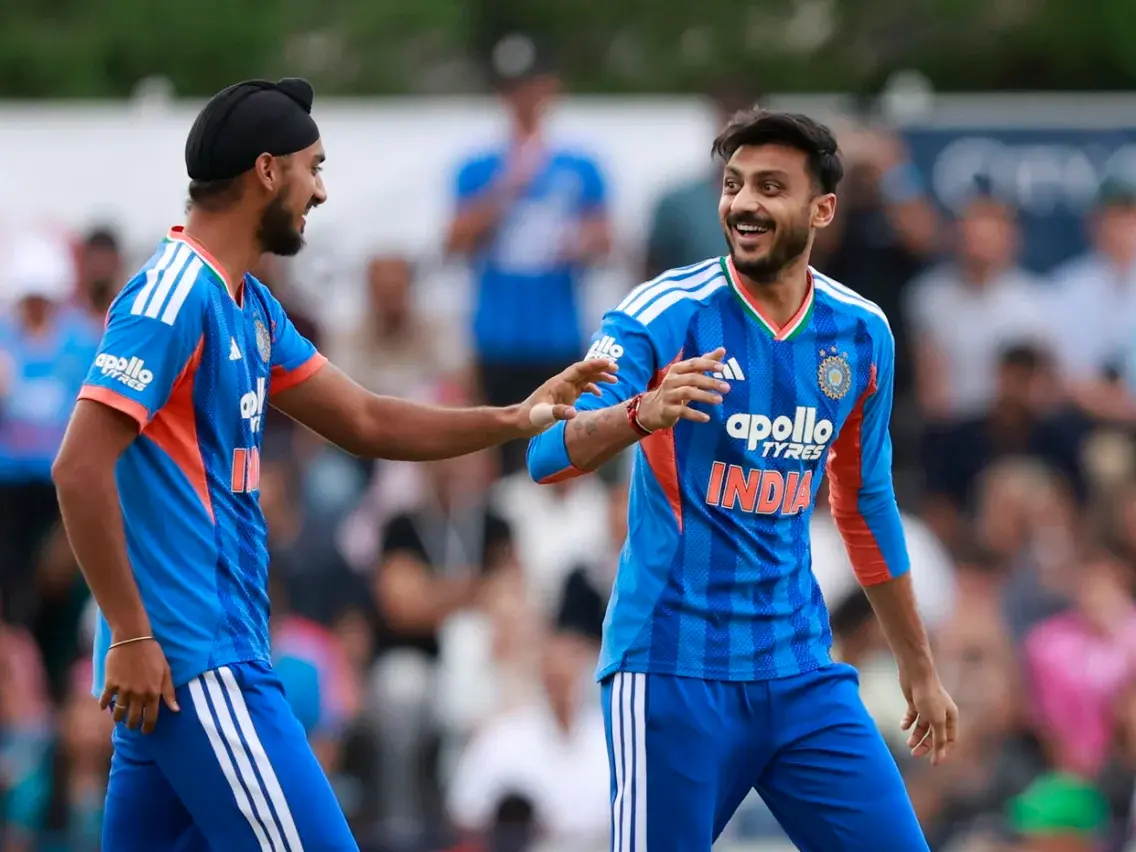)
IND vs JPN one-off T20I: India survive scare from Japan to win five-over a side match by 2 runs
)
Report: Zelensky meets CIA chief Ratcliffe at Shannon airport, weeks after his secret Moscow trip
)
$110 billion Warner Bros merger: Paramount reaches settlement with 12 US states
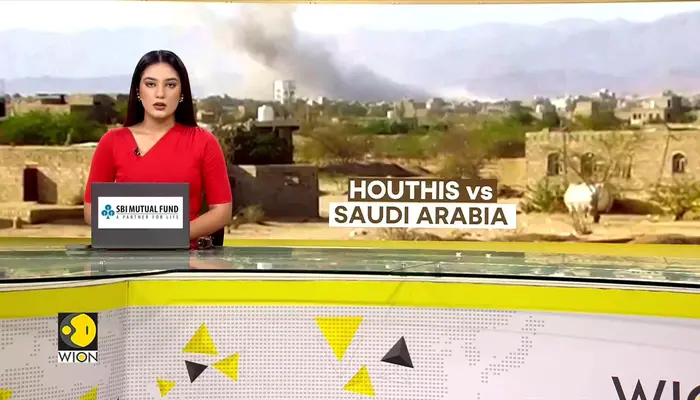)
UK PM Burnham agrees to 'defensive' military support for Saudi Arabia against Houthis
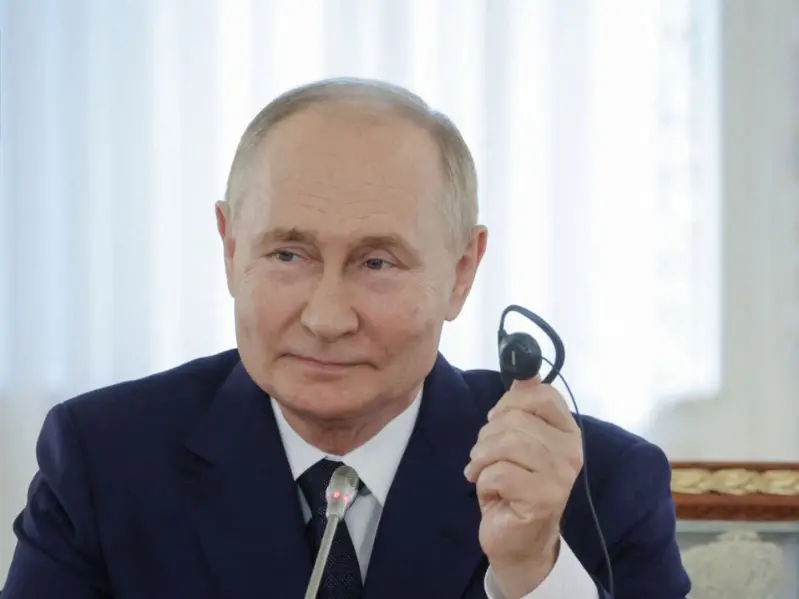)
Putin's United Russia party wins 355 seats in Duma election; 4 other parties cross threshold to enter parliament
)
US and China vie for AI dominance as calls grow for regulation | Gravitas
&im=FitAndFill=(700,400))
New OTT releases this week (September 21-27, 2026): Shaque: Trust No One, Hunkkaar, Don’t Be Shy- 5 new titles coming to Netflix, Prime Video and more
)
Randeep Hooda arrives in Gujarat for his first National Film Award: ‘Very grateful’
)
Saudi Arabia exits China-led mBridge digital currency platform amid Saudi-Houthi conflict
)
FIFA chief Infantino wants to reform governing body with consultation from federations
)
Asian Games 2026: India women's cricket team beats Sri Lanka by 147 runs for first gold
)
‘0% chance’: Nvidia CEO Jensen Huang dismisses AI extinction fears by 2030
&im=FitAndFill=(700,400))
National Film Awards 2026: Kartik Aaryan, Mammootty, Yami Gautam, Randeep Hooda and other key winners
)
Jailer 2: Vidya Balan joins Rajinikanth's upcoming film as Kantha | Watch
)
Pilot recreates Mona Lisa in sky over Oklahoma and Arkansas in four-hour flight: VIDEO
)
Samay Raina-Mukesh Chhabra controversy explained: What happened over girlfriend joke on India's Got Latent?
&im=FitAndFill=(700,400))
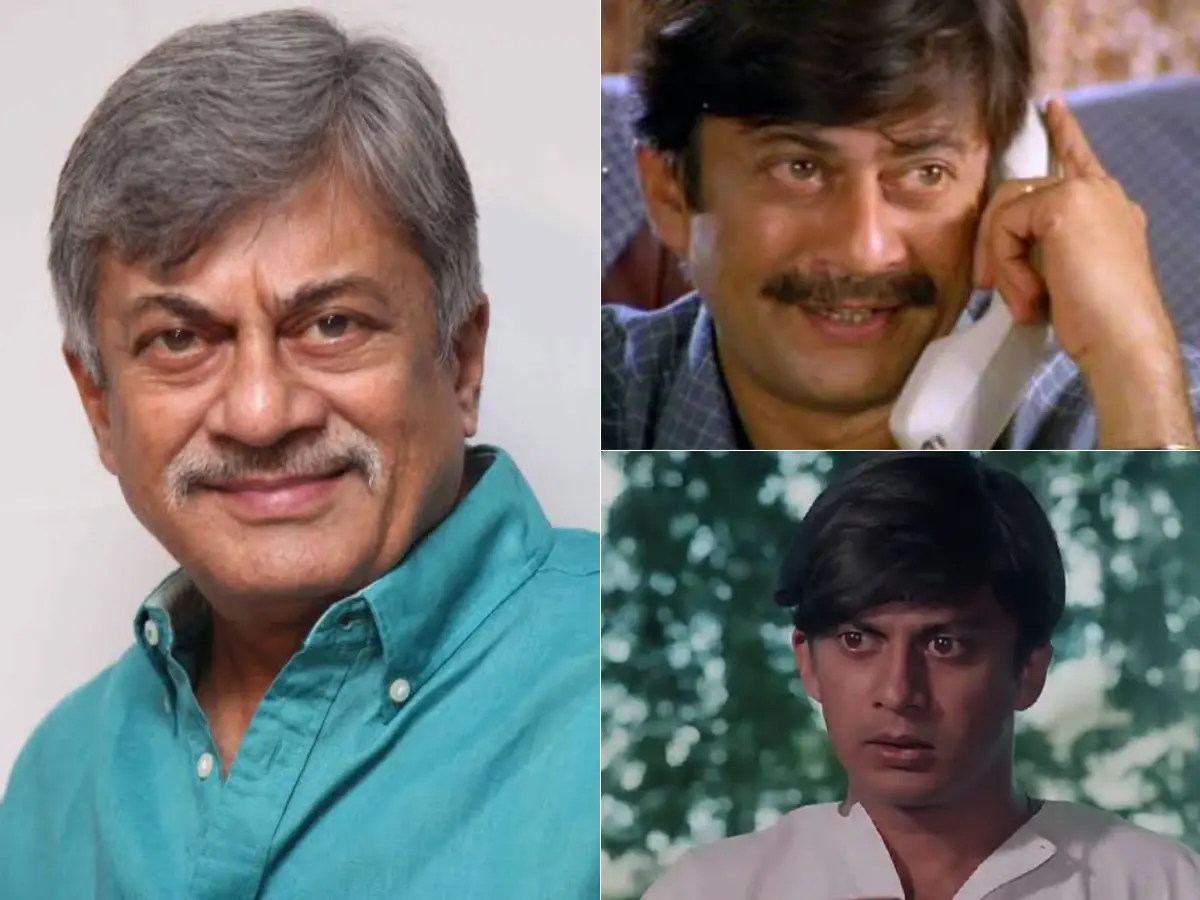
Anant Nag to recieve Dadasaheb Phalke Award: From Ankur to Nishant- Revisit his best films and iconic performances on OTT
)
New Zealand farms shift to carbon forests: Carbon credits fuel a land rush reshaping rural life
A. I feel it's complex there. I think that the question that you're trying to get at is the problem with us overall. One of my mentors when I was working in the states she's African American she had actually told me she's worked in India quite a bit with National Geographic. She told me once that the equivalent of racism in America to India is caste. But I think even that is a very one-dimensional parallel. There's so much diversity in India. Anyone who's not from the north can become the target. Anything that is other than the norm is looked at with disgust. Now if I make dry fish, people are like "Oh what is he cooking, it stinks so much." So that is equal to a lot of other 100 parallels. It's a very complex web of othering.
A. Yes. We did talk to a whole bunch of people. There are a lot of different characters who are in Michael Okeke (the main character in the film). For example, there was one guy who used to go to a certain institute. When he went to his classes, the instructions were in Hindi. And he would just sit in the class, not comprehending anything. There are other people that I met through friends of mine who used to work with certain embassies... who used to talk about stuff that we've made light of: the African package, what does it mean? I met a few people who have been outrightly propositioned on the street that [for drugs]. I think most people who have come here to Delhi have faced something like this. It's not about just drugs, but also how these operations run. I met some people in the government and they told me that there is no mafia. There are a lot of small-time people.
A. The intention was to provide support. In Indian society there's always support, there's always love. It just happened to be a Bengali person. A lot of people have been saying it (Debu's character)is a caricature. It is essential for me to do caricatures because I feel like it draws from a certain style of Indian cinema. I feel it is a stylistic choice. And it is what it is. More importantly, it shows that people can be endearing. You do find a certain warmth.
That's why I included Debu, to bring that warmth out. He might be telling you politically incorrect things, and might be judging you in one way, but he is also out there to try and help you for whatever that's worth. And that is us as a society overall. That's us. You find the individual, he or she nine times out of ten will want to help or at least have a has a warm space.
Also Read |Interview | Director Raghuvir Joshi on crafting a 'universal story' in debut film Sahela
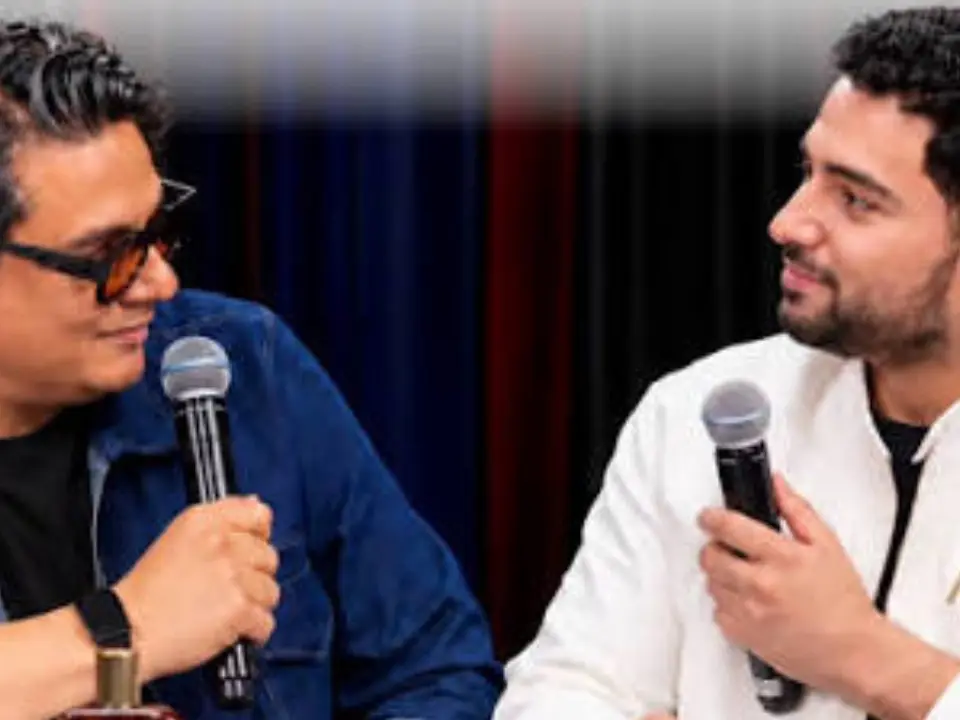
A. He's well-known in India too now. He is in an upcoming Tamil film in which he has a supporting role. He is well known in Kerala as well. He's a talented kid. I auditioned a few people. I did readings also. But both the physicality and the mannerisms and all of that wasn't working. With Sam, when we started talking, we knew we had our lead actor. o creating that, yeah. You know, and I think he bought it spot on. He's very hardworking.
A. I'm a big fan of satire and dark comedy, because I think what that can do "serious cinema" can't do. It's about reaching out to as many people as you can. That's the first thing. It has to be something that can appeal to as many people and what appeals to many people is humour. A lot of people will also say it's irresponsible to take such an approach. But I feel it comes from an honest space. IfI felt like I was getting away with the entertainment, I did not include them. The only radar is basically if you feel that you're being honest to the subject... that is the main thing. And it also comes out of different motivations. Humour comes out of the desire to have fun; it can also come out of frustration, from lack of seriousness. It can also come out of the fact that you see no hope, or you see... there's multiple reasons for it. I think it's a beautiful art form.
A. It's just a beautiful thing to think about. It's beautiful to think that it was always a cosmopolitan city, you know? We don't really think of that a lot of the times the fact that there were people from other countries roaming around in what we call Delhi. And not just 100 years ago but more like 800 years ago.
Yes, and no, because the thing is, and that's what was said in the joke. At the end of the day, Yaqut [Jamal-ud-Din Yaqut, Razia Sultan's rumoured lover] also got his head chopped off. I think the beauty is also in the cyclical nature of life, in the fact that certain things change, but they also remain the same. But I think the whole idea is that it becomes a very rich tapestry, then. The whole idea behind this was to keep it very 'pop'. Whether I'm talking about spiritual elements psychedelic elements or historical elements, the entire work that has been done behind this is to keep it very popular. So that a layman who might have no interest in history will hear this one tidbit, and will Google it. But I could do this if it can give you gateways into other sources of information, tell you a little bit about your own country that you didn't know... that is a beautiful thing.
I think the main challenge was that we were an independent production. You have to do everything yourself. Your team is regulated. We had a fantastic team but most of the people, at least on the technical and the crew side, were very young. After me, I think the next person was way younger, because I couldn't afford senior people. I think they did a fabulous job overall. But the budget will always be a challenge.
But there are also advantages to being small. The problem that happens in big productions is people get lost. No one knows what the responsibility is. I made sure for a small production everyone gets paid as per industry standards. In fact, in many cases, people said they were being paid better. Everything was taken care of, but it was hard work. There were slip-ups, which happen. We lost locations in the middle of the shoot. But I think that's the just just the vibe of an indie production.