Asha Parekh is only the 7th woman among 52 Dadasaheb Phalke awardees


File photo of Asha Parekh
Bollywood's yesteryear star Asha Parekh has been named as the recipient of the Dadasaheb Phalke award this year. The award is considered the highest honour for a cinema artist in India. Interestingly among the 52 past winners of the prestigious award, only 6 have been women and Parekh is the 7th woman to have been honoured with the award.
She is also the second woman after Asha Bhosle to get the award since the dawn of the 2000s. Ironically, despite the limited representation of women in the roster of awardees, Devika Rani was the first to get it in 1969 - the year the award was created.
Other women who have received this honour include Ruby Myers (Sulochana) in 1973, Kanan Devi (1976), Durga Khote (1983) and Lata Mangeshkar (1989). Asha Bhosle got the award in 2000.
Parekh started her career as a child artiste in 1952 when aged 10 and studied while working in films. She quit films after doing five films to concentrate on her studies only to return a few years later as a leading lady of Hindi cinema.

After a major disappointment when she was rejected for a big-ticket film (Vijay Bhatt`s "Goonj Uthi Shehnai", 1959) as she was not "star material", she made her name in 'Dil Deke Dekho' (1959), which was among the first of Shammi Kapoor from his swinging era.
Parekh became a favourite of filmmaker Nasir Hussain, who went to cast her in six successful films across the next decade- from 'Jab Pyar Kisi Se Hota Hai' (1961) to 'Caravan' (1971).
Mostly portrayed as a glamorous, even tomboyish, figure, with some notable exceptions, Parekh not only became a leading actress -- among the highest paid of her time -- but also was a style icon with her choice of clothes and elegant coiffure.
Paired with most of the leading heroes of her time, Parekh will be particularly remembered for her onscreen chemistry with Shammi Kapoor, particularly in 'Teesri Manzil' (1966), be it the energetic jiving in 'Aaja aaja, main hoon pyar tera' or 'O Haseena zulfonwali jaan-e-jahan', the heartfelt request in 'O Mere Sona Re', or the smouldering emotional intensity on both sides of "Tumne mujhe dekha hokar meherbaan".
Some of Parekh`s most memorable work was opposite Rajesh Khanna, especially in the neo-realistic 'Baharon Ke Sapne' (1967), and more particularly, 'Kati Patang' (1970), where she essays the challenging role of a jilted woman living under an assumed identity, but with the sordid past racing to catch up with her.
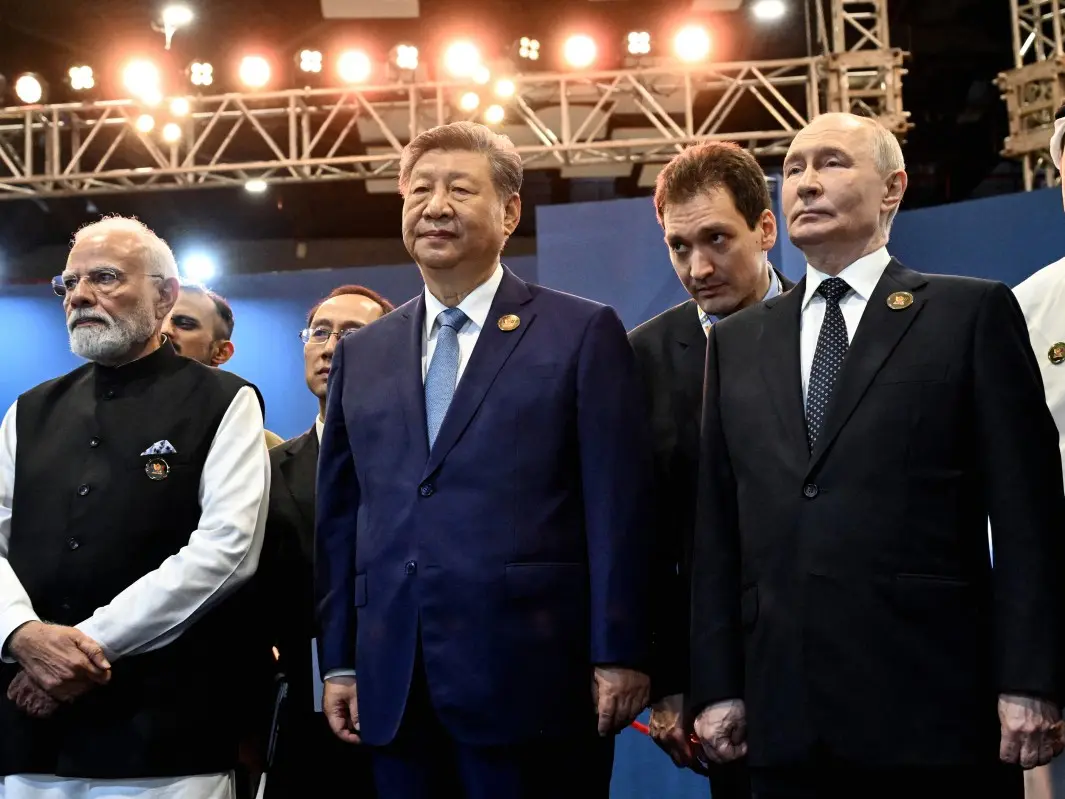)
Did India risk its US trade deal despite softer stance at BRICS?
)
Trump rejects AI guardrails, says he stopped AI firms from doing ‘bad things’
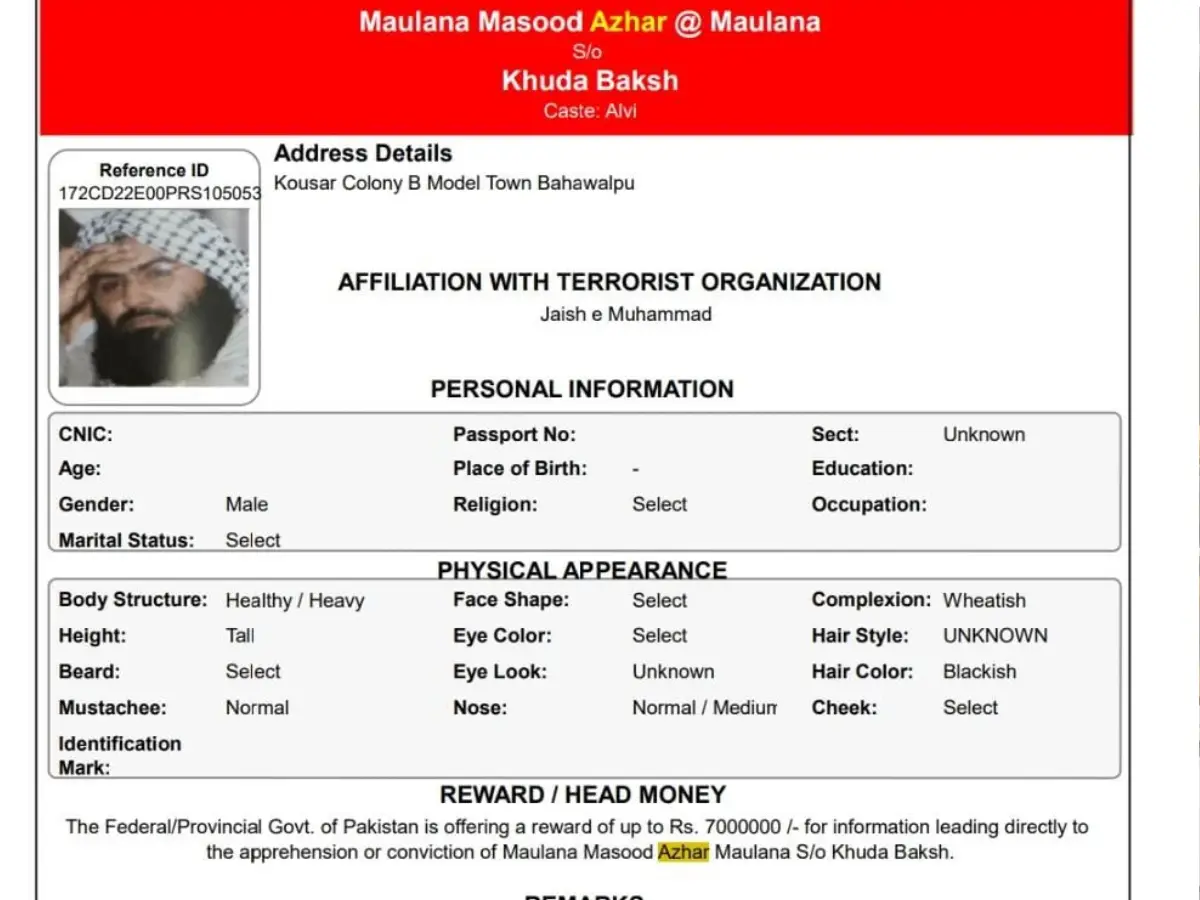)
Pakistan puts Pak Rs 70 lakh bounty on UN terrorist Masood Azhar; move draws skepticism in Delhi
)
‘US ensuring global energy supplies’: Trump demands reimbursement for securing Strait of Hormuz
)
'Huge destructive power': North Korea calls its latest missile launches 'live-fire drill' even as US dismisses 'immediate threat'
)
‘Let’s go’: Newly declassified videos show dramatic rescue of US Air Force officers downed in Iran
)
Historic first: ‘Ganga aarti’ performed on River Thames in London
&im=FitAndFill=(700,400))
Why European Meteor missiles use ramjet engines compared to standard US solid rockets
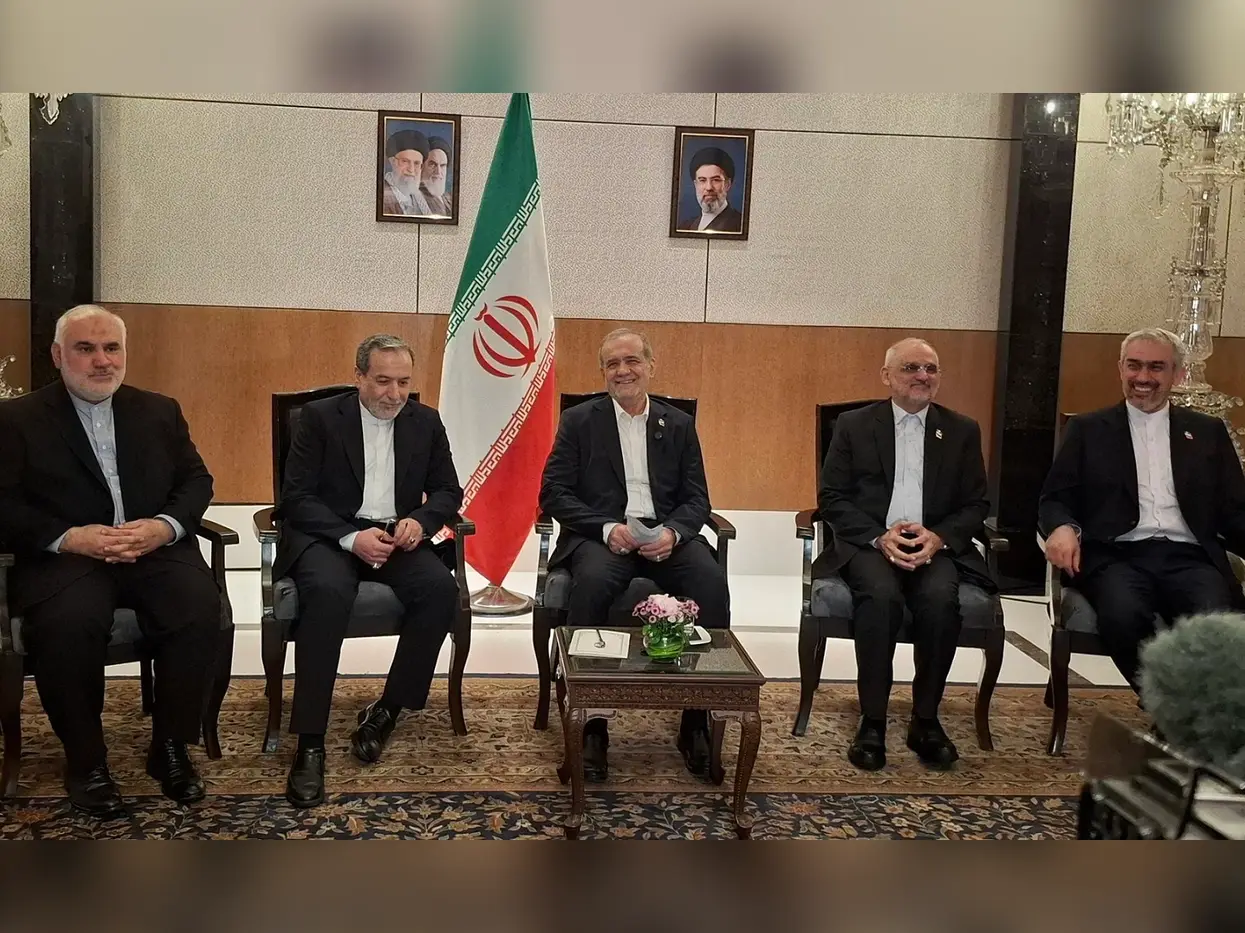)
Iran, India agree to deepen humanitarian and political ties, President Pezeshkian says
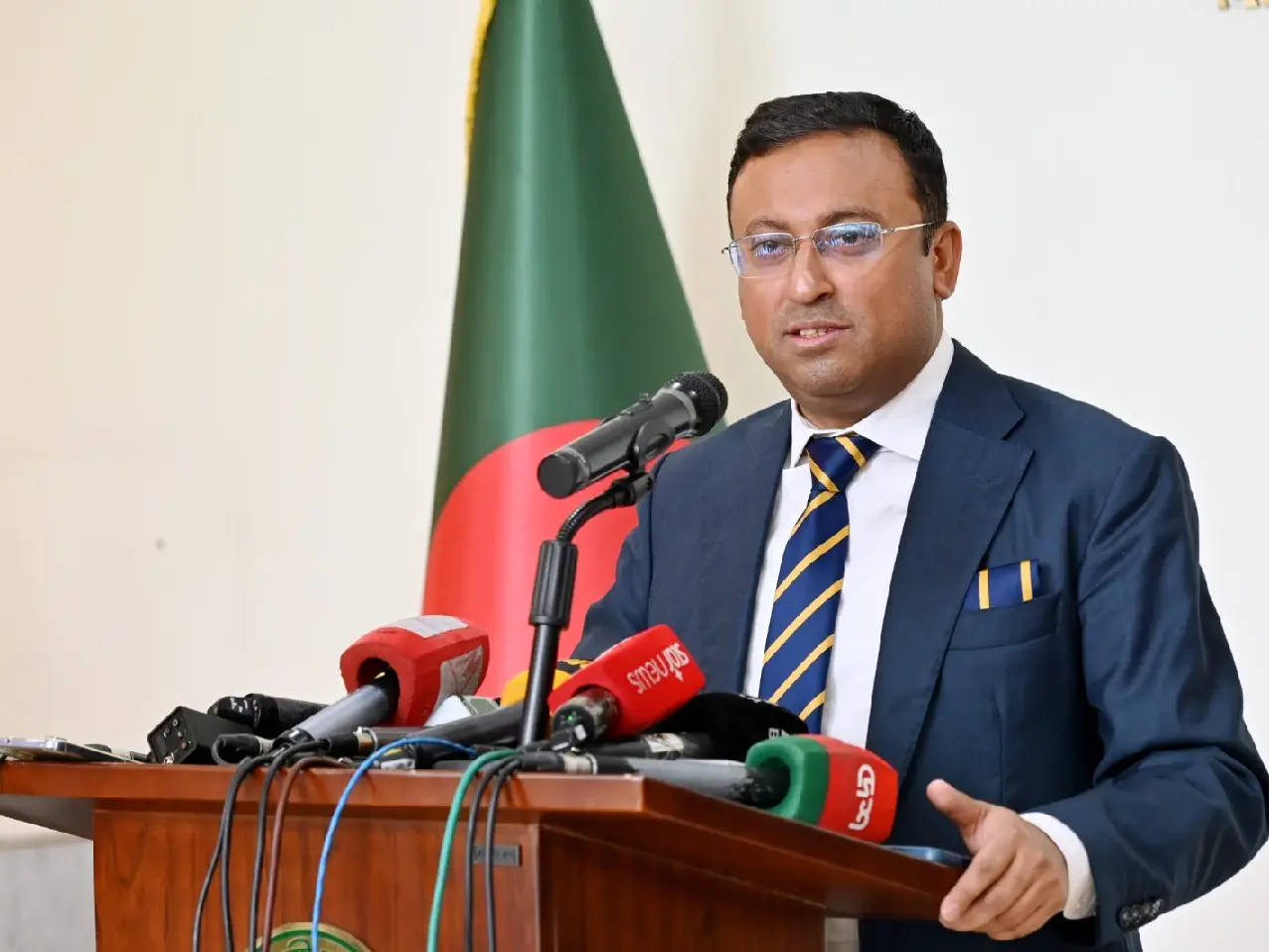)
‘Want to reset ties with India, have engagement based on mutual interests,’ says Bangladesh minister
)
Turkish Airlines plane flies through a storm three times, triggering severe turbulence
&im=FitAndFill=(700,400))
Why Chinese PL-15 air-to-air missiles use dual-pulse motors compared to European interceptors
)
BRICS set of guidelines for disaster management
)
800 million years old - Scientists discover 'fingerprints' of supercontinent Gondwana in ancient rocks
)
Russia proposes to build 360 kmph Ivolga FG trains in India: What happened on sidelines of BRICS
)
China discovers vast gold and silver 'mine' in the Pacific with unheard-of deposits
)
Who really benefits from the BRICS bank? Inside the New Development Bank's $43 billion portfolio
)
Plane carrying prominent figure crashes at Libya’s Misrata airport: Report
)
Woman removes all her clothes on American Airlines flight, performs 'indecent acts'; arrested
&im=FitAndFill=(700,400))
New OTT releases this week (September 14-20, 2026): Lust Stories 3, Waiting Hai, Irumudi- 5 new titles coming on Netflix, Prime Video and more
)
Liam Neeson sparks romance rumours after holding hands with Stella Stocker at TIFF 2026
)
Sent home midway from UK tour, Pakistan's Salman Agha hits 300* in domestic return
)
Saudi Arabia discovers 110 million tonnes of Uranium-rich ore in Madinah region
)
Video of Pakistani lawmaker struggling to read English tribute to Jinnah goes viral - WATCH
)
Meghan Markle shares first glimpse of family life with Prince Harry and children in UK
)
Baba Vanga's first prophecy for 2027 is out, and straight out of science fiction
)
Did China give Iran intel before US base strike that killed 3 troops? Trump says, 'You’re right...'
)
Kenya protests: Kenya to head for presidential polls in 2027
)
Photographs, LeT labels vanish from two 2008 Mumbai attack entries in Pakistan’s most wanted list
)
US court blocks Trump administration move ending automatic H-4 EAD extensions for seven spouses
)
Indian Americans, fellow Republicans react sharply to Bo French’s post targeting 'foreigner' students in Texas
)
UK man admits drugging, raping wife for 20 years in shocking abuse case
)
Extreme warming in Indian Ocean added 695 billion tons of ice to Antarctica ice sheet
)
Scotland, Wales & Northern Ireland push for exit from UK | Race To Power
)
Women's Asia Cup 2026: India denied trophy once again despite winning the title
'Yeh Shaam Mastani', 'Pyar Deewana Hota Hai' and 'Yeh Jo Mohabbat Hai' capture Rajesh Khanna in an ebullient mood, but Parekh's 'Na Koi Umang Hai' is an apt portrayal of her character's plight. Not surprisingly, her acting fetched her the Filmfare Award for Acting.
By the middle of the 1970s, a new crop of actresses was emerging and Parekh had to move to doing character roles -- she played Amitabh Bachchan`s sister-in-law in 'Kaalia' (1981) -- but she admitted later that she did not enjoy them much and slowly began restricting her appearances.
Still, she did not fade away entirely and was seen till the mid-1990s when she decided to concentrate more on her avatar as TV producer.
Parekh will soon be feted with the Lifetime Achievement honour for her contribution to cinema by President Droupadi Murmu.
Union Information and Broadcasting Minister Anurag Singh Thakur took to his Twitter to announce the honour for the actress.
He tweeted, "Honoured to announce that the Dadasaheb Phalke Selection Jury has decided to recognise & award Asha Parekh ji for her exemplary lifetime contribution to Indian Cinema. The Dadasaheb Phalke Award shall be presented by the Hon President of India at 68th NFA in Vigyan Bhawan (sic)."
(With inputs from agencies)

