

&imwidth=800&imheight=600&format=webp&quality=medium "Atif Aslam opens up about his India ban: ‘I thank those who banned me’")
Pakistani singer Atif Aslam, who became a household name in India, delivering songs that ruled the charts such as "Aadat," “Tera Hone Laga Hoon,” and “Jeene Laga Hoon,” saw his professional career come to a halt after Pakistani artists faced a ban in India following the 2016 Uri terror attack. After 10 years, the singer has finally broken his silence and opened up about the Indian ban, saying that despite the restrictions, his Indian fanbase never drifted away and revealed that many continue to listen to his songs through alternative means. He also expressed gratitude, saying the process changed the course of his career and helped him grow as an independent artist.
Atif Aslam opens up about India ban
It has been almost 10 years since Pakistani singer Atif Aslam was banned from India in the aftermath of the 2016 Uri terror attack. Sharing his experience, Aslam recently opened up about the restriction and how it pushed him to explore himself as an independent musician.
In a conversation with Kris Fade for his YouTube channel, One on One with Kris Fade, Atif Aslam briefly discussed how Indian fans still listen to his songs. He said, "For the past 10 years, I haven’t done a song there. My fans are listening over VPN, and they burn the CDs and give them to people. Not that I appreciate piracy, but music will reach wherever it has to reach."
Talking about his absence from the Indian music industry, Atif said the restrictions became a turning point in his career and continued to share a message for his Indian fans. “Don’t feel bad about it, don’t feel sad about it. I always wanted to tell you that I miss you guys. I don’t miss working over there, but I miss you guys. I have learned a lot from playback singing, and if this ban hadn’t happened, I think I would have been unable to make my own music. So I thank you guys for that as well. I thank those who banned me as well; otherwise, I wouldn’t have been able to explore myself,” he stated.
Also Read: Pakistani actress Hania Aamir singing Atif Aslam's Pehli Nazar Mein on London streets is unmissable!
Why were Pakistani artists banned from working in India?
In 2016, India experienced a brutal terror attack in Uri that killed several Indian soldiers and led political groups and citizens to take to the streets to protest against the working of Pakistani artists in India. Later, the Indian Motion Picture Producers Association (IMPPA) passed a resolution to ban Pakistani actors, singers, and technicians from the Indian film industry. The list included stars like Fawad Khan, Mahira Khan, Atif Aslam, and many more artists.
Trending Stories
&imwidth=180&imheight=135&format=webp&quality=medium)
'Baseless and misconceived': India issues statement after Elon Musk's 'oligarchs' claim over Starlink delay
&imwidth=180&imheight=135&format=webp&quality=medium)
‘You earned that love’: Messi’s wife shares heartfelt message as football icon bids farewell to international stage
&imwidth=180&imheight=135&format=webp&quality=medium)
BJP chief Nitin Nabin calls Rahul Gandhi ‘anarchist’, says Oppn ‘spreading poison’ in society
&imwidth=180&imheight=135&format=webp&quality=medium)
‘Team first and team ahead’: India coach Gambhir pens heartfelt wish for chief selector Ajit Agarkar
&imwidth=180&imheight=135&format=webp&quality=medium)
Trump's naked 23-karat gold statue unveiled near European Parliament
&imwidth=180&imheight=135&format=webp&quality=medium)
Nana Patekar: Remembering a legend of the Indian cinema
&imwidth=180&imheight=135&format=webp&quality=medium)
Thai Actors Fourth Nattawat, Gemini Norawit face racism accusations from Indian fans over viral Bollywood act
&imwidth=180&imheight=135&format=webp&quality=medium)
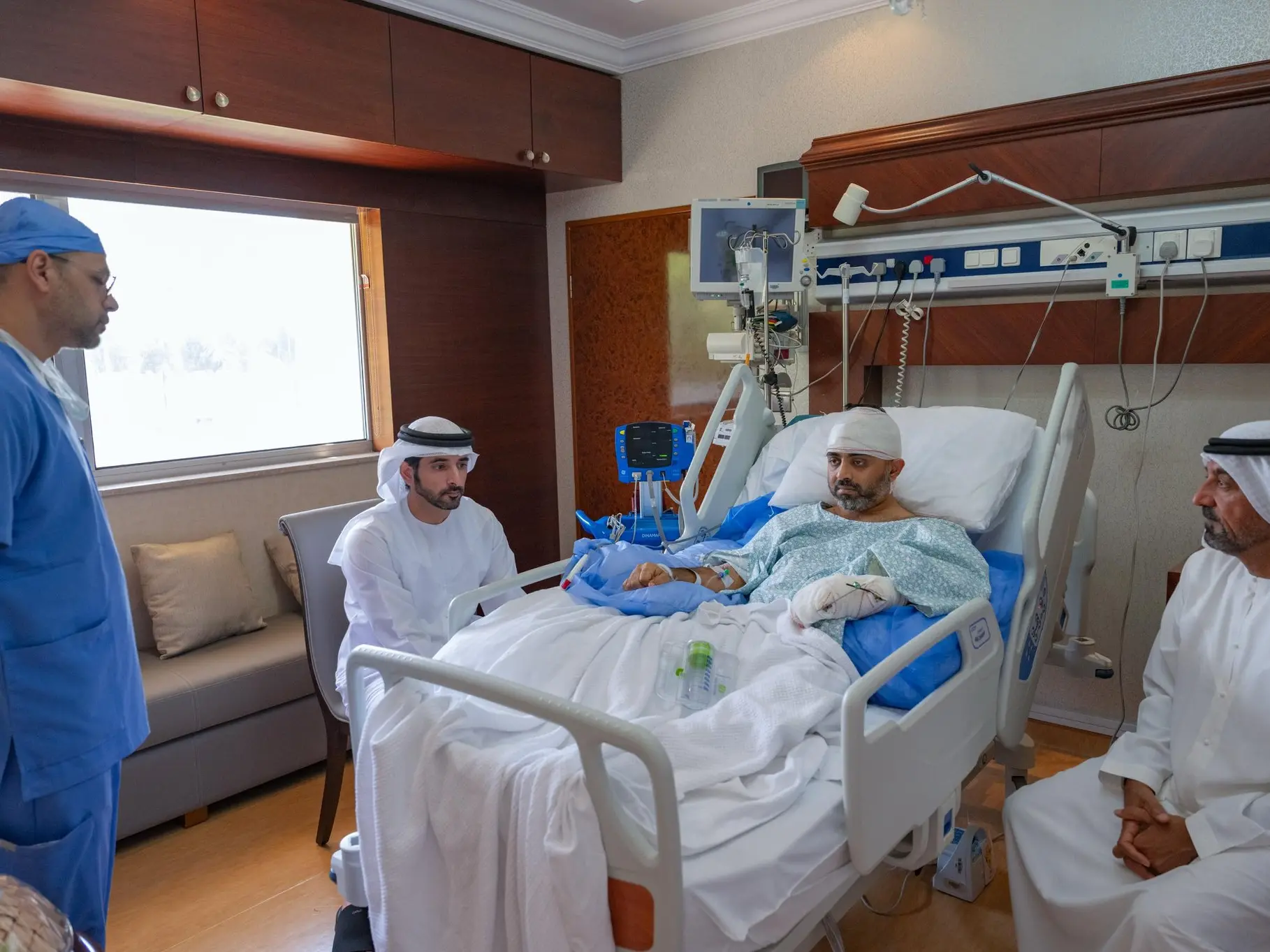
Captain Smit Machchhar on feet again, walks 10 steps as recovery continues after Flydubai flight attack
&imwidth=180&imheight=135&format=webp&quality=medium)
Ronaldo sends 'a hug' after Messi says he misses 'wearing the blue and white'
&imwidth=180&imheight=135&format=webp&quality=medium)
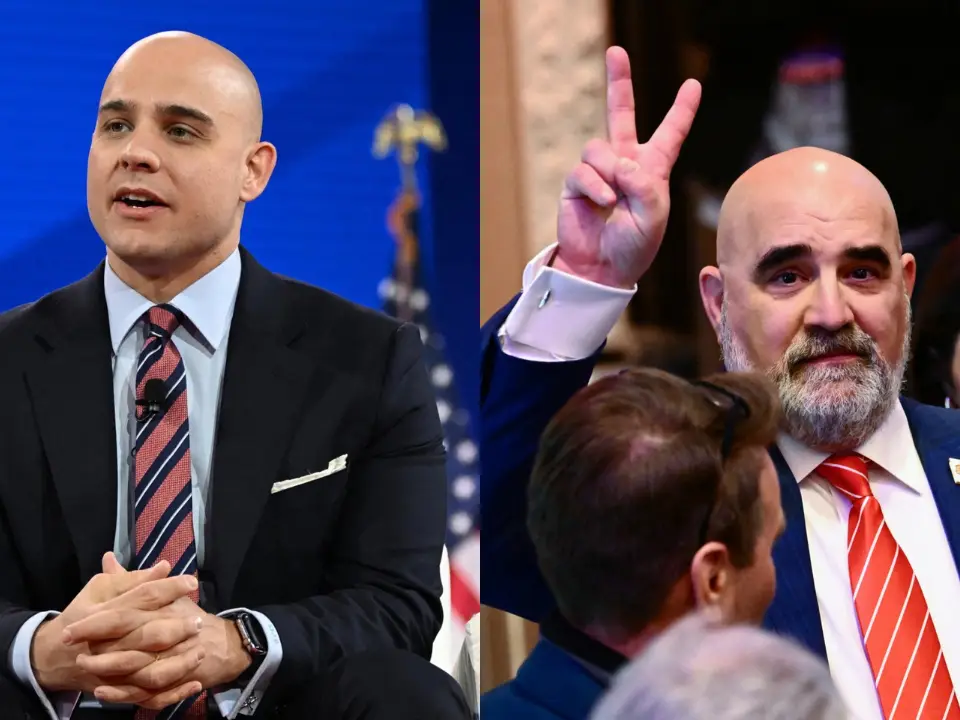
Trump distances himself from senior political advisers over work for pro-Russian government
&imwidth=180&imheight=135&format=webp&quality=medium)
A Love Other Than Yours: The temptation to cheat and what pushes people over the edge
&imwidth=180&imheight=135&format=webp&quality=medium)
Narendra Modi Stadium bomb threat declared hoax; India & Australia U19 squads safe
&imwidth=180&imheight=135&format=webp&quality=medium)
BTS agency HYBE announces first-ever Weverse Con Festival in India
&imwidth=180&imheight=135&format=webp&quality=medium)
US Midterms 2026: Barack Obama hits campaign trail to boost Democratic candidates
&imwidth=180&imheight=135&format=webp&quality=medium)
Shia LaBeouf and Mia Goth head for divorce after nearly 10 years
&imwidth=180&imheight=135&format=webp&quality=medium)
Who is DogeDesigner? All we know about the X account that sparked India-Musk-Starlink ‘oligarchs’ controversy
&imwidth=180&imheight=135&format=webp&quality=medium)
India at UN: Pak allows terror groups to operate from its soil
&imwidth=180&imheight=135&format=webp&quality=medium)
Christa Pike wakes after failed execution, asks 'Where am I and who are you?'
&imwidth=180&imheight=135&format=webp&quality=medium)
Christa Pike 'angry' and 'confused' after failed execution; judge orders to preserve evidence
&imwidth=180&imheight=135&format=webp&quality=medium)
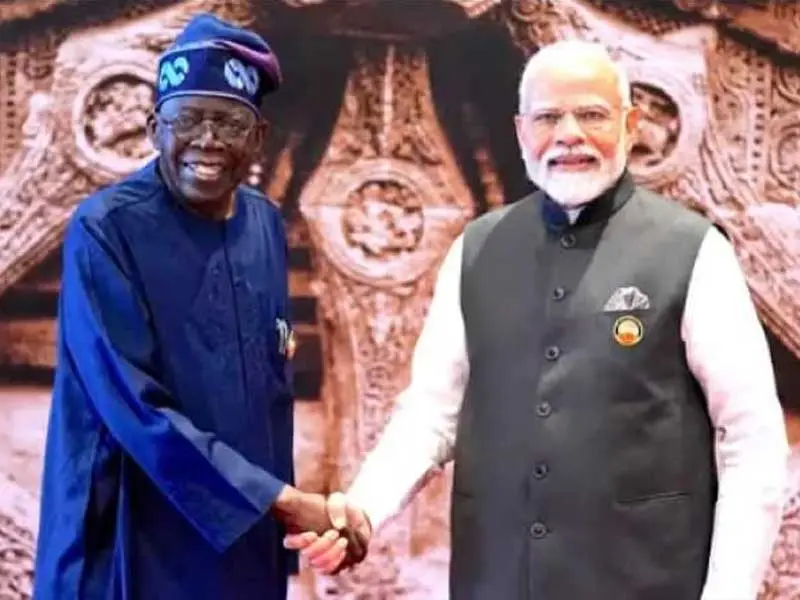
Nigerian President Bola Ahmed Tinubu hails Modi’s 25-year leadership milestone, calls for deeper Nigeria-India strategic ties
&im=FitAndFill=(700,400)&imwidth=180&imheight=135&format=webp&quality=medium)
US midterms 2026: 10 leaders and candidates to watch in the battle for Congress
&imwidth=180&imheight=135&format=webp&quality=medium)
Nana Patekar's #MeToo controversy: From Tanushree Dutta’s allegations to court ruling
&imwidth=180&imheight=135&format=webp&quality=medium)
Atlantic hurricane Isaias could make landfall as a strong Category 2 storm, tornado warnings issued
&imwidth=180&imheight=135&format=webp&quality=medium)
Veteran actor Nana Patekar dies at 75 after suffering cardiac arrest
&imwidth=180&imheight=135&format=webp&quality=medium)
Musk alleges ‘oligarchs’ blocking Starlink in India, here is what we know so far
&imwidth=180&imheight=135&format=webp&quality=medium)
Lightning strikes IndiGo Patna-Lucknow flight at 17,000 feet, damages nose; all 110 safe
&imwidth=180&imheight=135&format=webp&quality=medium)
Who is Nana Patekar's wife Neelakanti? The bank officer who earned Rs 2,500 when he earned Rs 50
&imwidth=180&imheight=135&format=webp&quality=medium)
France holds talks with Taliban government amid diplomatic outreach
&imwidth=180&imheight=135&format=webp&quality=medium)
New Cold War: Why is China buying more gold? Explained
&imwidth=180&imheight=135&format=webp&quality=medium)
Nadella to be honoured with national medal of technology & innovation
&imwidth=180&imheight=135&format=webp&quality=medium)
IndiGo flight struck by lightning at 17,000 feet, nose of Patna-Lucknow flight damaged
&imwidth=180&imheight=135&format=webp&quality=medium)
US readying to strike Iran? Report suggests Trump preparing to put on show of strength ahead of US midterms
&imwidth=180&imheight=135&format=webp&quality=medium)
Zendaya gives The Odyssey white lace jacket a stylish twist at Paris Fashion Week 2026
&im=FitAndFill=(700,400)&imwidth=180&imheight=135&format=webp&quality=medium)
World’s top vehicle producers: Top 10 countries making the most cars. Check where India stands
&imwidth=180&imheight=135&format=webp&quality=medium)
US suspends Microsoft, Infosys, Tata, Wipro from green card programme over alleged H-1B abuse
&imwidth=180&imheight=135&format=webp&quality=medium)
'We don't think so': Trump says Russian plague lab worker's death not linked to bio-weapon
&imwidth=180&imheight=135&format=webp&quality=medium)
Sri Lankan Tamil worker gets death sentence in Saudi Arabia over blasphemy, calls for pardon intensify
&imwidth=180&imheight=135&format=webp&quality=medium)
France protests: How a Gen Z school movement turned into a political war | The Verdict
In February 2019, days after the Pulwama terror attack, in which 40 CRPF personnel were killed, the All India Cine Workers Association (AICWA) announced a total ban on Pakistani actors and artists working in the Indian film industry and warned of action against organisations that continued to employ them.
About Atif Aslam
Atif Aslam is one of the most celebrated Pakistani singers, songwriters, composers, and actors. Over the years, he has built a massive fan base in both India and Pakistan through his powerful voice and Sufi-rock style. He rose to fame with his breakthrough song "Aadat" and has delivered major hits across Pakistan and Bollywood, including "Tera Hone Laga Hoon," "Tu Jaane Na," "Pehli Nazar Main," "Dil Diyaan Galaan," "Hona Tha Pyar," and "Tajdar-e-Haram."

