NATO is ‘behind’ Russia’s low-cost drone threat, warns former US Army Europe Commander Ben Hodges

&imwidth=600&imheight=450&format=webp&quality=medium "NATO is ‘behind’ Russia’s low-cost drone threat, warns former US Army Europe Commander Ben Hodges")
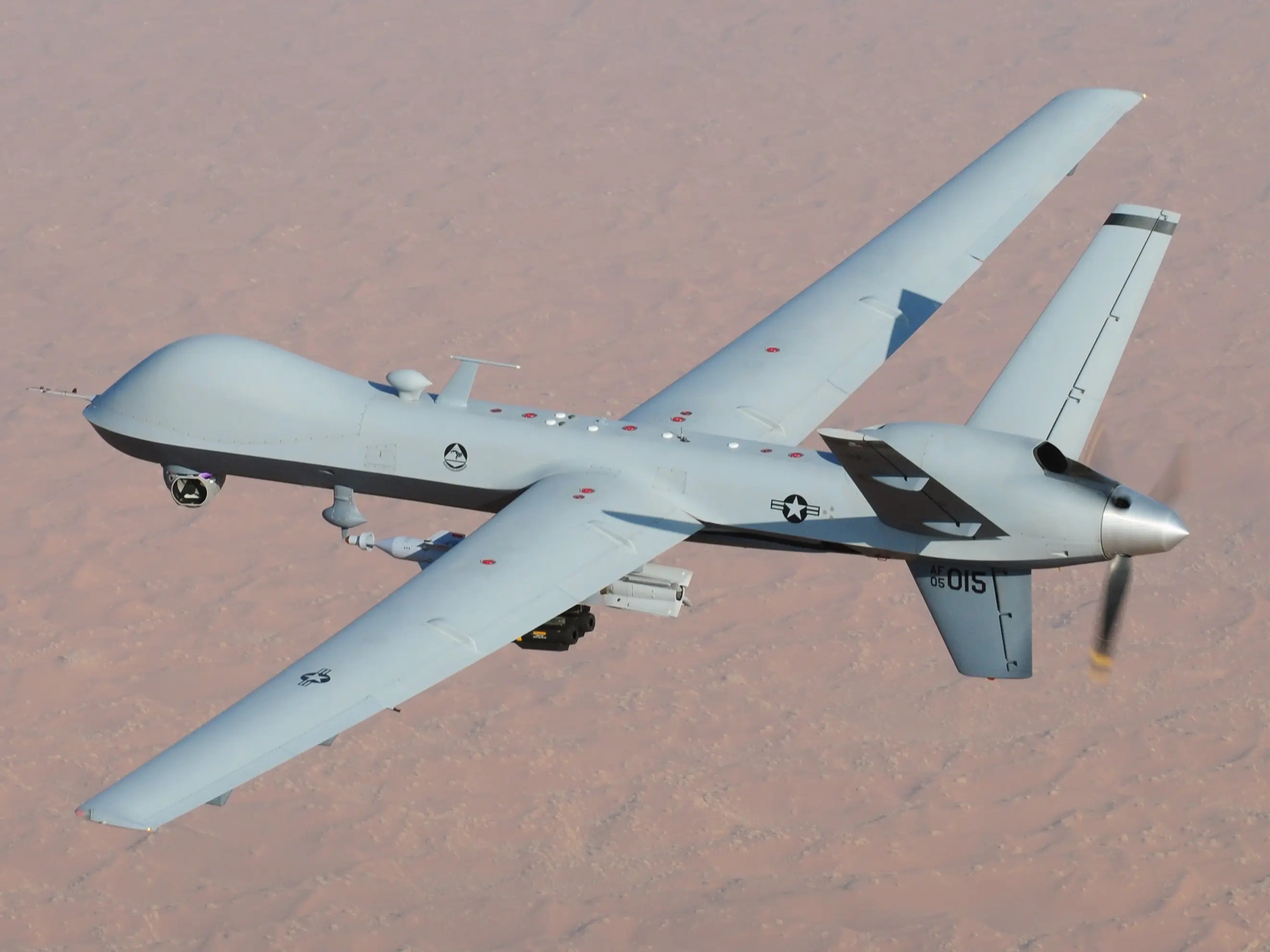
Representative image. Photograph: (Wikimedia commons)
Russia is increasingly deploying faster jet-powered attack drones alongside its established propeller-driven systems. Ukraine says some are operating beyond the reach of mobile air-defence teams, forcing it to employ F-16s and MiGs as part of the interception effort.
Russia’s air campaign over Ukraine is entering another phase. Faster jet-powered drones are flying alongside traditional Shahed-type systems, while Moscow is increasing the scale and variety of weapons being launched at Ukrainian targets. The challenge for Ukraine is increasingly one of cost, speed and numbers. NATO does not yet have enough low-cost weapons to economically counter the growing mass of Russian drones, according to Lieutenant General Ben Hodges, former Commanding General of US Army Europe and a former senior NATO commander, who spoke to me on WION Defence Pulse about the rapidly changing air war over Ukraine.
Russia is increasingly deploying faster jet-powered attack drones alongside its established propeller-driven systems. Ukraine says some are operating beyond the reach of mobile air-defence teams, forcing it to employ F-16s and MiGs as part of the interception effort. When I asked Gen Hodges whether NATO possesses enough inexpensive weapons to fight such an air war without losing the economic contest, Hodges was unequivocal. “Not yet”, he said. Hodges said Western defence industries and national procurement systems had been “slow off the mark”. Although he expects capabilities to improve as governments recognise the requirement, his assessment of NATO's current position was direct: “Right now we're behind.”
WATCH:
Russia learns through mass
Hodges credited Russia with adapting during the war, particularly in its ability to scale production and employ large numbers of systems to overwhelm Ukrainian defences. He described the volume and mass of Russia's jet-powered drones as the central challenge. Hodges also defended Ukraine's use of F-16s against drones, explaining that combat aircraft form a normal component of integrated air and missile defence alongside ground, airborne and space-based sensors.
Doubts over Patriot production
Trending Stories
)
)
)
)
)
)
)
)
)
)
)
)
)
)
)
)
)
)
)
)
)
)
)
)
)
)
)
)
)
)
)
)
)
)
&im=FitAndFill=(700,400))
)
)
)
)
Hodges also delivered a significant assessment of Ukraine's effort to manufacture Patriot air-defence systems.
President Donald Trump said in July that Ukraine would receive the right to manufacture Patriots, but licensed production still remains under discussion. Hodges said effective air and missile defence remained extremely urgent for Ukraine.
He then went further, saying he had “zero confidence that the Trump administration was ever going to” allow Ukraine to manufacture Patriot systems, pointing to the absence of visible progress since Trump's statement. This was Hodges' startling assessment of the administration's intentions, rather than confirmation of US policy.
In my view, his remarks underline two immediate pressures facing Western air defences: expanding affordable interception capacity fast enough to counter Russia's growing drone numbers and ensuring Ukraine has sufficient high-end systems for the ballistic missile threat.
Gen. Hodges gave deep insights on the overall war doctrine of Russia as it learns and adapts while he minced no words in acknowledging the capability gaps in the NATO air defence umbrella. Watch the full discussion on Defence Pulse on WION 7pm IST Mon-Fri.

