Drone warfare’s new reality: Cheaper, smarter systems could reshape battlefield

&imwidth=600&imheight=450&format=webp&quality=medium "Drone warfare’s new reality: Cheaper, smarter systems could reshape battlefield")
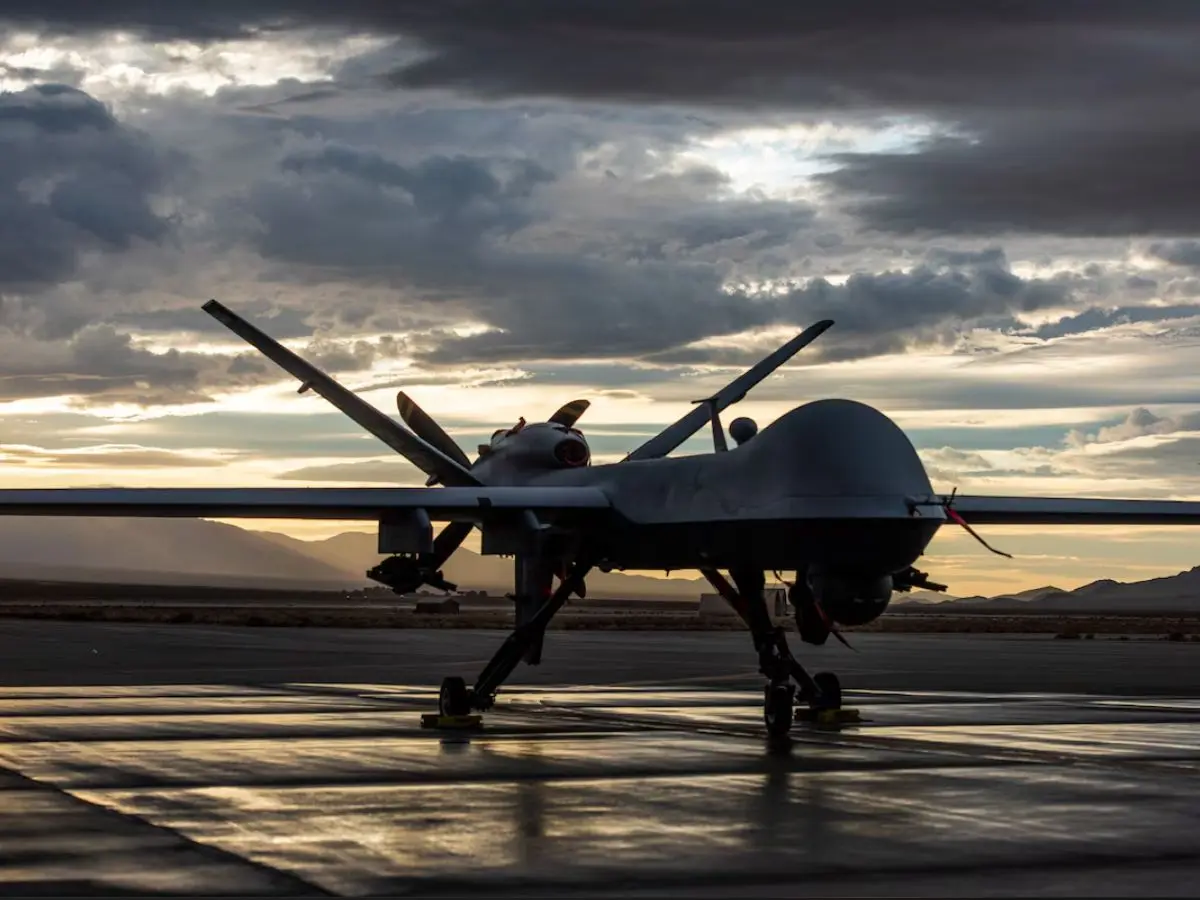
Representative image. Photograph: (www.af.mil)
These are systems that can be produced and deployed in large numbers and, crucially, can be risked in combat without the financial consequences associated with losing an exquisite military platform.
The future of warfare may not be determined by the most expensive weapon in the arsenal. Increasingly, the advantage could lie with militaries capable of deploying large numbers of cheaper, intelligent and autonomous drones. Speaking to WION, ideaForge co-founder and CEO Ankit Mehta outlined how unmanned systems are altering both the battlefield and the economics of war. The interview focuses specifically on whether drones can compete with missiles, the rise of low-cost “attritable” platforms, and the emergence of collaborative autonomy.
But Mehta does not believe drones will simply replace missiles. “I don’t think drones are going to replace missiles,” he said, arguing instead that their disruptive potential comes from the dramatically different cost equation they bring to warfare.
That equation is pushing militaries towards what Mehta describes as “low-cost attritable assets”. These are systems that can be produced and deployed in large numbers and, crucially, can be risked in combat without the financial consequences associated with losing an exquisite military platform. The interview identifies this as an emerging global trend.
For Mehta, this could fundamentally alter how militaries think about scale. Rather than relying exclusively on small numbers of expensive platforms, the future battlefield could see far greater numbers of unmanned systems performing surveillance, strike and other missions.
The next leap, however, is not merely making drones cheaper. It is making them work together. Mehta points towards “collaborative autonomy” as a major direction for drone warfare, moving away from today’s model where individual operators control individual platforms towards one operator being able to supervise multiple autonomous systems.
Trending Stories
&imwidth=280&imheight=210&format=webp&quality=medium)
&imwidth=280&imheight=210&format=webp&quality=medium)
&imwidth=280&imheight=210&format=webp&quality=medium)
&imwidth=280&imheight=210&format=webp&quality=medium)
&imwidth=280&imheight=210&format=webp&quality=medium)
&imwidth=280&imheight=210&format=webp&quality=medium)
&imwidth=280&imheight=210&format=webp&quality=medium)
&imwidth=280&imheight=210&format=webp&quality=medium)
&imwidth=280&imheight=210&format=webp&quality=medium)
&imwidth=280&imheight=210&format=webp&quality=medium)
&imwidth=280&imheight=210&format=webp&quality=medium)
&imwidth=280&imheight=210&format=webp&quality=medium)
&imwidth=280&imheight=210&format=webp&quality=medium)
&imwidth=280&imheight=210&format=webp&quality=medium)
&imwidth=280&imheight=210&format=webp&quality=medium)
&imwidth=280&imheight=210&format=webp&quality=medium)
&imwidth=280&imheight=210&format=webp&quality=medium)
&imwidth=280&imheight=210&format=webp&quality=medium)
&imwidth=280&imheight=210&format=webp&quality=medium)
&imwidth=280&imheight=210&format=webp&quality=medium)
&imwidth=280&imheight=210&format=webp&quality=medium)
&imwidth=280&imheight=210&format=webp&quality=medium)
&imwidth=280&imheight=210&format=webp&quality=medium)
&imwidth=280&imheight=210&format=webp&quality=medium)
&imwidth=280&imheight=210&format=webp&quality=medium)
&imwidth=280&imheight=210&format=webp&quality=medium)
&imwidth=280&imheight=210&format=webp&quality=medium)
&imwidth=280&imheight=210&format=webp&quality=medium)
&imwidth=280&imheight=210&format=webp&quality=medium)
&im=FitAndFill=(700,400)&imwidth=280&imheight=210&format=webp&quality=medium)
&imwidth=280&imheight=210&format=webp&quality=medium)
&imwidth=280&imheight=210&format=webp&quality=medium)
&imwidth=280&imheight=210&format=webp&quality=medium)
&imwidth=280&imheight=210&format=webp&quality=medium)
That evolution could also help shorten one of warfare’s most critical processes: the kill chain. The time between detecting a target, identifying it, making a decision and ultimately engaging it. Mehta’s broader argument is that the drone revolution is therefore becoming as much about economics, autonomy and scale as the aircraft themselves.
The race is no longer simply to build a more sophisticated drone. It is to build systems that are cheaper, smarter, expendable when necessary, and capable of operating together in numbers. And that could change the economics of warfare itself. Watch the WION interview.

