Why did the Indian rupee drop to an all-time low against the US dollar?

&imwidth=600&imheight=450&format=webp&quality=medium "Why did the Indian rupee drop to an all-time low against the US dollar?")
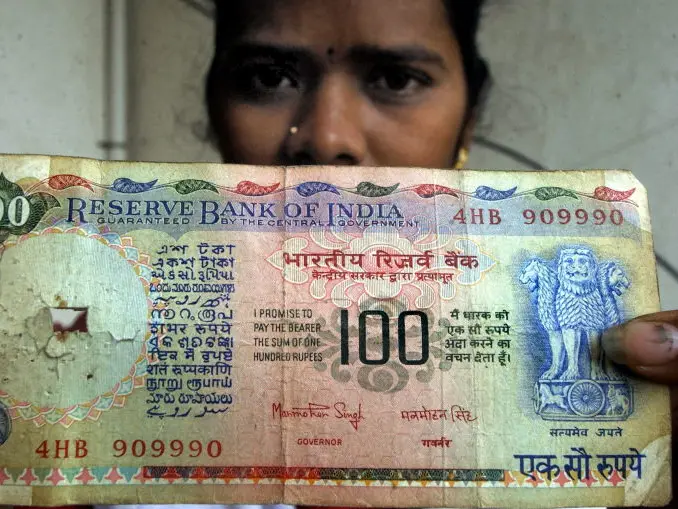
A woman holding a Rs 100 note. Photograph: (AFP file)
The rupee's weakness is in contrast to its regional peers, most of which have managed to find support from expectations of a Federal Reserve rate cut.
The Indian currency, the Rupee, dropped to an all-time low against the US dollar on Thursday. The rupee dropped to 88.44 to the US dollar. The currency slipped past its prior low of 88.36, which it hit last Friday. With the dropping of the rupee, most of the imports bought with the dollar will become more expensive.
Why did the rupee plummet?
The Indian rupee's drop is being seen as an impact of the US tariffs against Asia's third-largest economy after China and Japan.
Donald Trump has imposed a 50 per cent tariff on Indian imports to the US because of New Delhi's oil and weapons trade. The tariff has threatened lakhs of jobs in the labour-intensive sectors like gems and jewellery.
The tariff has dampened the investor sentiment, putting pressure on the currency. Foreign investors have withdrawn a net of $11.7 billion from Indian debt and equity markets so far this year.
The steep tariffs have hurt India's growth, clouding the path for the rupee.
Trending Stories
&imwidth=280&imheight=210&format=webp&quality=medium)
&imwidth=280&imheight=210&format=webp&quality=medium)
&imwidth=280&imheight=210&format=webp&quality=medium)
&imwidth=280&imheight=210&format=webp&quality=medium)
&imwidth=280&imheight=210&format=webp&quality=medium)
&imwidth=280&imheight=210&format=webp&quality=medium)
&imwidth=280&imheight=210&format=webp&quality=medium)
&imwidth=280&imheight=210&format=webp&quality=medium)
&imwidth=280&imheight=210&format=webp&quality=medium)
&imwidth=280&imheight=210&format=webp&quality=medium)
&imwidth=280&imheight=210&format=webp&quality=medium)
&imwidth=280&imheight=210&format=webp&quality=medium)
&imwidth=280&imheight=210&format=webp&quality=medium)
&imwidth=280&imheight=210&format=webp&quality=medium)
&imwidth=280&imheight=210&format=webp&quality=medium)
&imwidth=280&imheight=210&format=webp&quality=medium)
&imwidth=280&imheight=210&format=webp&quality=medium)
&imwidth=280&imheight=210&format=webp&quality=medium)
&imwidth=280&imheight=210&format=webp&quality=medium)
&imwidth=280&imheight=210&format=webp&quality=medium)
&imwidth=280&imheight=210&format=webp&quality=medium)
&imwidth=280&imheight=210&format=webp&quality=medium)
&imwidth=280&imheight=210&format=webp&quality=medium)
&imwidth=280&imheight=210&format=webp&quality=medium)
&imwidth=280&imheight=210&format=webp&quality=medium)
&imwidth=280&imheight=210&format=webp&quality=medium)
&imwidth=280&imheight=210&format=webp&quality=medium)
&imwidth=280&imheight=210&format=webp&quality=medium)
&imwidth=280&imheight=210&format=webp&quality=medium)
&imwidth=280&imheight=210&format=webp&quality=medium)
&im=FitAndFill=(700,400)&imwidth=280&imheight=210&format=webp&quality=medium)
&imwidth=280&imheight=210&format=webp&quality=medium)
&imwidth=280&imheight=210&format=webp&quality=medium)
&imwidth=280&imheight=210&format=webp&quality=medium)
&im=FitAndFill=(700,400)&imwidth=280&imheight=210&format=webp&quality=medium)
&imwidth=280&imheight=210&format=webp&quality=medium)

Exporters are facing uncertainty over order flows, while importers have been forced to hedge more aggressively, distorting the demand-supply balance and resulting in the weakening of the currency.
The rupee's weakness is in contrast to its regional peers, most of which have managed to find support from expectations of a Federal Reserve rate cut next week, reported Reuters.
Abhishek Goenka, founder and CEO of IFA Global, said that the weakness in the rupee will likely persist due to the impact of the tariff.