What is on the cards as Trump announces 50% tariffs on copper and warns of upcoming pharma tariffs?

&imwidth=600&imheight=450&format=webp&quality=medium "What is on the cards as Trump announces 50% tariffs on copper and warns of upcoming pharma tariffs?")
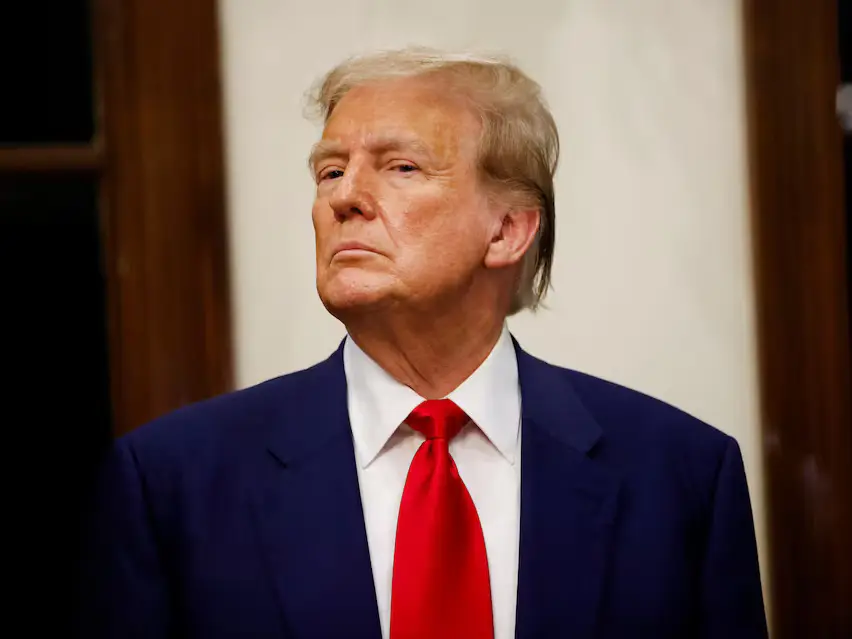
US President Donald Trump attends the 2024 Senior Club Championship award ceremony at his Trump International Golf Club in West Palm Beach, Florida. Photograph: (Reuters)
Donald Trump's announcement of imposing 50% tariffs on copper sent copper prices soaring, with a 13 per cent single-day increase, marking the largest gain for the metal since 1989.
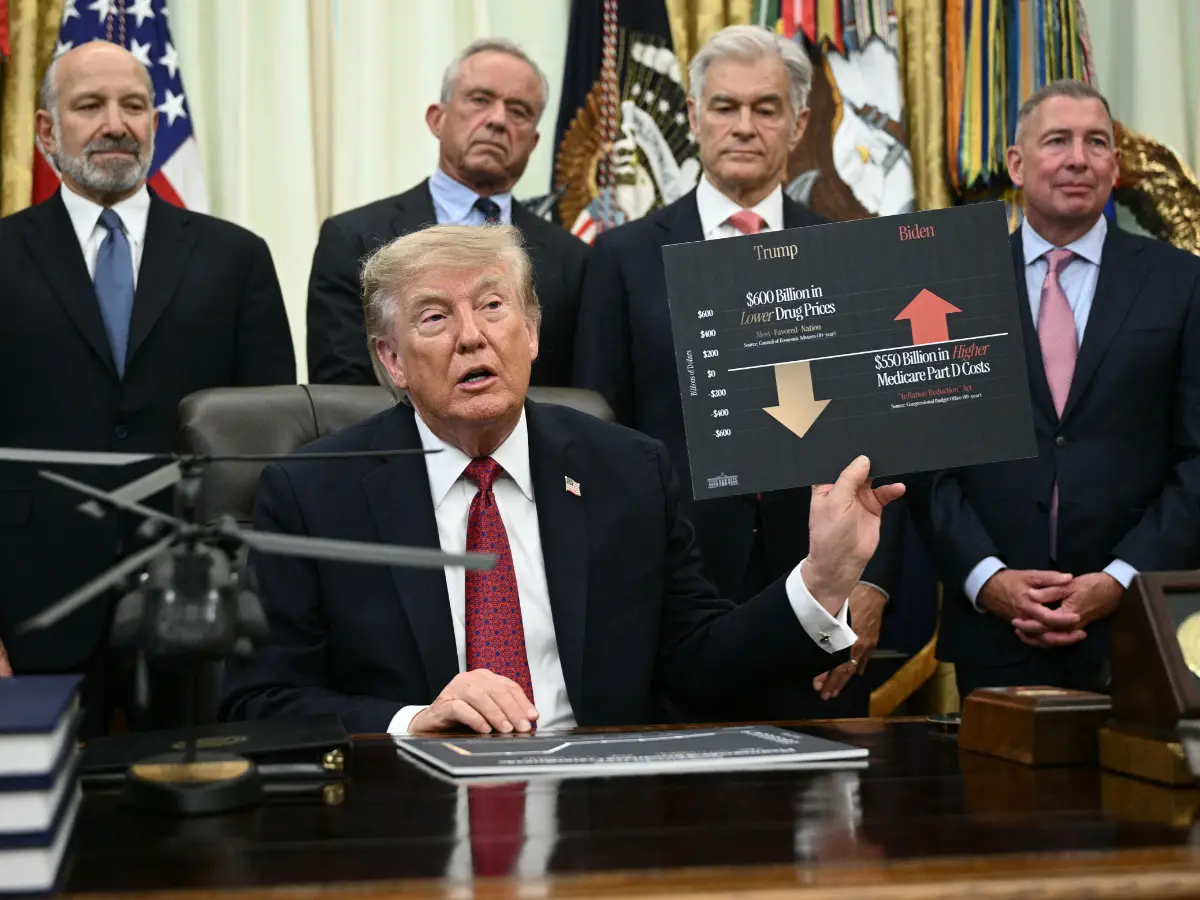
US President Donald Trump has made another significant move in his ongoing trade war, announcing the imposition of a 50 per cent tariff on copper imports. This follows similar duties on steel and aluminium imports and is part of an ongoing effort to reshape US trade dynamics through sector-specific tariffs. Trump also indicated that new tariffs could soon be levied on pharmaceuticals, with rates potentially soaring by as much as 200 per cent within the next year. The announcement sent copper prices soaring, with a 13 per cent single-day increase, marking the largest gain for the metal since 1989. This rise reflects the global market’s sensitivity to US trade policies, particularly in industries such as copper, which is integral to sectors like energy, manufacturing, and infrastructure.
At the same time, Trump confirmed that tariffs on a range of goods from 14 countries, including Japan, South Korea, and Malaysia, would take effect on August 1. While the focus has been on broad country-specific tariffs, it is the sector-specific tariffs, such as those on copper and pharmaceuticals, that are expected to have a more lasting and immediate impact on global markets and US businesses.
Trump’s escalating trade strategy: Tariffs on key commodities
Trump’s use of Section 232 of the Trade Expansion Act, which grants the president the authority to impose tariffs for national security reasons, continues to drive his trade policy. Copper, which plays a key role in electrical wiring, renewable energy technologies, and manufacturing, is the latest addition to the growing list of products facing steep tariffs.
Commerce Secretary Howard Lutnick confirmed that the 50 per cent copper tariff would likely take effect at the end of July or on August 1. While this move is expected to bolster domestic copper production, it could raise costs for manufacturers who rely on imported copper, such as those in the automotive, construction, and electronics sectors.
The copper tariffs represent a broader trend of using tariffs as a strategic tool to influence global trade. Trump’s previous tariffs on steel and aluminium had already led to price hikes and raised concerns among manufacturers, with the new copper tariffs expected to have similar consequences.
Trending Stories
)
)
)
)
)
)
)
)
)
&im=FitAndFill=(700,400))
)
)
&im=FitAndFill=(700,400))
)
&im=FitAndFill=(700,400))
)
)
)
)
)
&im=FitAndFill=(700,400))
)
)
)
)
)
)
)
)
)
)
)
)
)
)
)
)
Trump also highlighted that his administration is considering similar measures on other critical products. A tariff of up to 200 per cent could be imposed on pharmaceutical imports, though the president suggested that manufacturers would be given time, about one to one-and-a-half years, to relocate their operations to the United States before the high levies take effect. Additionally, the administration has initiated investigations into the imports of semiconductors, critical minerals, and lumber, which may lead to further tariff increases.
Impact of tariffs on India’s copper and pharmaceutical exports
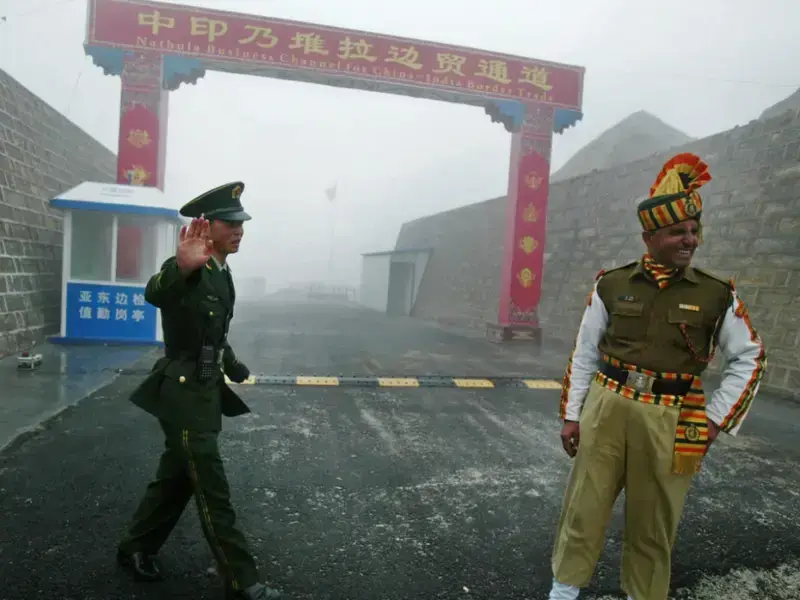
While Trump’s tariff policies affect global trade, India stands to feel the pinch, particularly in two key sectors: copper and pharmaceuticals. The United States is one of India’s largest trading partners, and the tariffs on copper and pharmaceuticals could significantly disrupt India’s export market.
India’s copper exports to the United States amounted to approximately $360 million in 2024-25, or 17 per cent of the country’s total copper exports. Copper is a critical metal used across several industries, including energy, manufacturing, and infrastructure. If the US reduces its demand for copper due to the 50 per cent tariff, it could have a knock-on effect on India’s export numbers. However, given the broad demand for copper in the domestic market and the relative importance of copper to India’s economy, the domestic industry may absorb some of the reduced US demand.
On the other hand, India’s pharmaceutical sector is likely to face the brunt of the new tariffs. The US is by far India’s largest market for pharmaceuticals, accounting for approximately 40 per cent of India’s total pharma exports. In FY 2025, India’s pharmaceutical exports to the US rose to $9.8 billion, up 21 per cent from the previous year. A 200 per cent tariff on Indian pharmaceuticals would have a devastating impact on this industry, especially considering the growing reliance of the US on Indian generic drugs.
Indian pharma companies play a crucial role in supplying affordable medicines to the US, and any increase in costs could lead to a reduction in demand for these generics. The Indian pharmaceutical industry is already under pressure from the growing costs of raw materials and regulatory hurdles in foreign markets. A drastic tariff hike would only exacerbate these challenges, making it difficult for India to maintain its competitive edge in the global pharmaceutical market.
However, there is a glimmer of hope for India. The country is in the process of finalising a mini-trade deal with the United States, which may cover sector-specific tariffs, including those on copper and pharmaceuticals. If the deal is completed before the August 1 deadline, the new tariffs could be avoided, offering a much-needed respite to Indian exporters.
Broader implications for global trade
Trump’s new tariffs, particularly on copper and pharmaceuticals, are not just significant for the US and India but also for the global trading system. They reflect a shift towards a more protectionist and sector-focused approach to international trade, with the US using its economic power to leverage favourable trade conditions for American industries. This has led to increased uncertainty in global markets, as companies try to navigate a trade environment characterised by volatility and rapid shifts in policy.
The imposition of steep tariffs on critical commodities like copper could raise prices for a wide range of goods, from electronics to renewable energy products. Similarly, the potential 200 per cent tariff on pharmaceuticals could lead to higher drug prices in the US, affecting both American consumers and the global supply chain.