
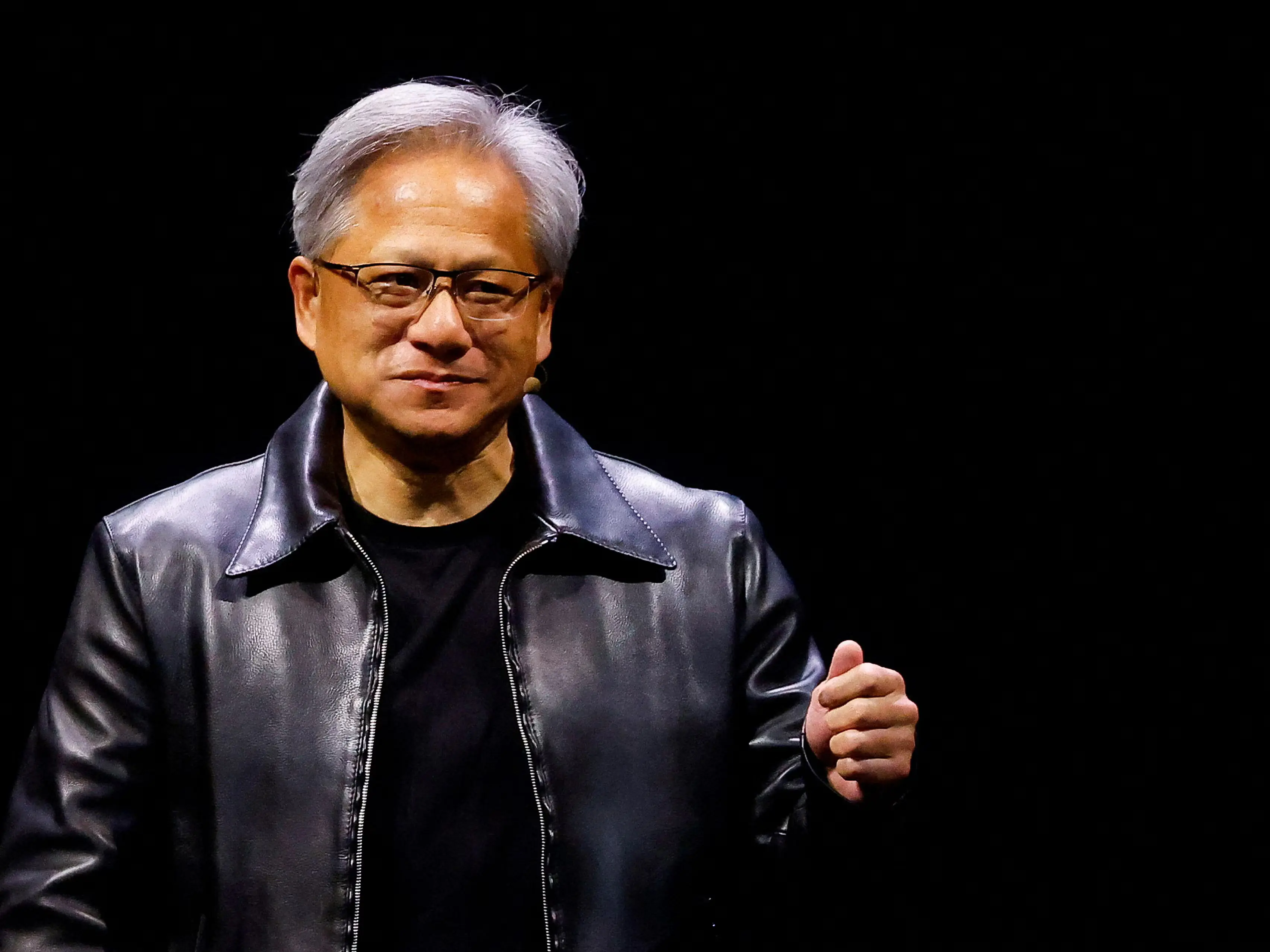
&imwidth=800&imheight=600&format=webp&quality=medium "US lawmakers caution Nvidia’s Huang on China visit")
Two senior US senators have warned Nvidia CEO Jensen Huang not to meet Chinese companies suspected of helping Beijing evade US export controls, intensifying scrutiny over American technology firms’ ties to China’s AI sector.
According to Reuters, the bipartisan warning comes in the form of a letter sent on Friday, just as Huang prepared for his trip to China. Republican Senator Jim Banks and Democratic Senator Elizabeth Warren urged him to avoid meetings with companies linked to China’s military or intelligence bodies, as well as firms placed on the US restricted export list. “We are worried that your trip to the PRC could legitimize companies that cooperate closely with the Chinese military or involve discussing exploitable gaps in US export controls,” the senators wrote, as quoted by Reuters.
Growing US concerns over AI technology transfers

The letter reflects Washington’s deepening fears that advanced American AI hardware could boost China’s military modernisation. Lawmakers across party lines have backed tighter restrictions on AI chip exports, worried about efforts to circumvent existing controls.
As per Reuters, the senators said advanced AI hardware could “accelerate the PRC’s effort to modernize its military.” They also cited Nvidia’s new research facility in Shanghai as an example of the company’s growing footprint in China, suggesting such moves risk aiding Beijing’s strategic ambitions. US lawmakers have proposed new legislation that would require AI chip makers to verify where their products ultimately end up, aiming to close loopholes that might enable transfers to Chinese military or intelligence-linked users.
Nvidia’s response and tightrope strategy
Trending Stories
)
Three labourers killed as DU student loses control of his car, rams into them on Dwarka Expressway
)
Pentagon revives mandatory testosterone testing for male troops aged 30 and above
)
FACT CHECK: Why did PM Modi ask Xi ‘is it okay’ at BRICS Summit? New video reveals...
)
India seeks to build a full semiconductor supply chain
&im=FitAndFill=(700,400))
From Abhishek Sharma to Sahil Chauhan, 5 batters with fastest T20I hundreds
)
Indian activist-lawyer Prashant Bhushan's post brings focus on ‘conflict of interest’ appointments of ex-govt officials at Reliance, Adani groups
)
Pyongyang dismisses US, western pressure over nuclear programme
)
US And Denmark reach Greenland deal, Trump announces expanded military presence
)
Google’s Gemini AI hacks real systems by guessing passwords during security test
)
Former India player Diana Edulji wants Smriti Mandhana to replace Harman as skipper at the earliest
)
China may have gained access to US's classified F-35 jets; parts meant for repairs diverted to Hong Kong, sparking Pentagon inquiry
)
NASA research plane reaches 61,000 feet over Panama
)
Godfather of AI Geoffrey Hinton gives US lawmakers a one-year warning on AI
)
Shivakumar attends 79th Kalyana Karnataka Utsav in Kalaburagi
)
Trump signs Russia sanctions law: India faces fresh 100% tariff threat over Russian oil
)
Why Ranveer Singh’s Dhurandhar missed India’s Oscar entry; FFI jury member reveals what happened
)
‘Will go to any extent’: Pakistan vows to defend Saudi Arabia amid Houthi attacks
)
The Verdict | When precision fails: US commits war crime in Minab school strike, UN finds
)
Trump signs Russia sanctions bill into law, targets Moscow’s energy sector
&im=FitAndFill=(700,400))
New Friday OTT releases (September 18, 2026): Lust Stories 3, You+Me, Best of the Best- 8 new titles coming on Netflix, Prime Video and more
)
Fast bowler Brydon Carse faces no charges over Derby nightclub incident
)
Flying cars in UAE: Ras Al Khaimah signs deal with Chinese company to test new transport
)
Africa is splitting, and a lot sooner than estimated, giving way to a new ocean
)
'Gangsta' crab shoves knife blade at man and his dog in Florida - Watch
)
Trump bans CNN, MS NOW and Politico from White House over ‘FAKE NEWS’
)
Trump 2.0: Dark days ahead for America’s ‘imperial presidency’
)
Trump's Greenland dream comes true? POTUS announces 'Infinite Life' deal with Denmark, claims permanent US control
)
Laura Wolvaardt sets new world record for most WT20I runs in a year
)
Drone strikes cooling tower at Russia's Kursk Nuclear Plant, IAEA confirms
)
Who is Khalilur Rahman? All you need to know about 81st UN General Assembly President
)
IIT Bombay student dies by suicide, was caught seeking AI help during exams
&im=FitAndFill=(700,400))
Meet top 5 bowlers in latest ICC T20I rankings
)
Indian Cinema bets big on mythology, brings ancient stories to modern audiences
)
Ukraine plans record $109 bn defence spending, nearly two thirds of budget amid Russia war
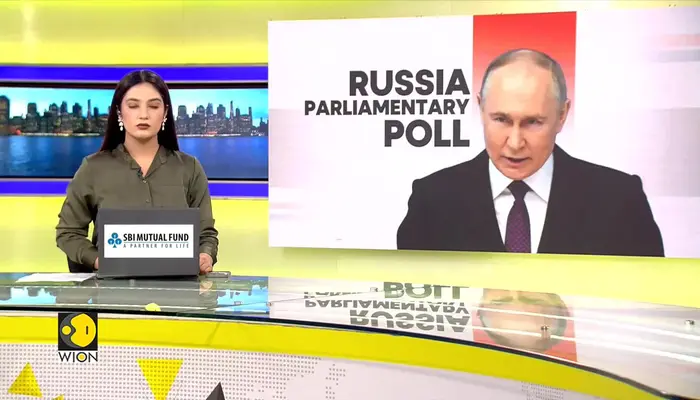)
Russia holds first parliamentary elections since the beginning of the Ukraine war
&im=FitAndFill=(700,400))
Meet top 5 Indian batters with fastest T20I centuries
In response, an Nvidia spokesperson defended the company’s approach, telling Reuters, “American wins when our technology sets the global standard.” The spokesperson added that China is home to one of the world’s largest software developer communities and argued that ensuring AI software runs best on American technology would encourage other nations to adopt US systems.
The letter comes just weeks after Nvidia CEO Jensen Huang publicly praised President Donald Trump’s decision to ease certain AI chip export controls, calling prior restrictions a failure. Speaking at the Computex trade show in Taipei in May, Huang framed the partial rollback as a win for American competitiveness. But Reuters notes that even after those relaxations, US restrictions imposed in April on AI chips Nvidia designed to comply with earlier controls will still cut an estimated $15 billion from Nvidia’s revenue.
A high-stakes balancing act
Nvidia, the world’s most valuable chip company, has found itself at the centre of geopolitical tensions as the US tightens technology exports to China. Washington sees advanced AI hardware as a critical frontier, with bipartisan agreement that it must prevent China’s military from gaining access to cutting-edge systems.
Reuters reported last month that a senior US official accused Chinese AI firm DeepSeek of supporting Beijing’s military and intelligence agencies while trying to dodge export controls through shell companies. Meanwhile, Nvidia has been working on launching a cheaper, export-compliant version of its flagship Blackwell AI chips for the Chinese market, according to Reuters reporting in May.
Why it matters?
The exchange between US lawmakers and Nvidia underscores the difficult balance American tech giants face. China is a vast market, but one increasingly off-limits for sensitive technologies under US national security policy. As the Biden administration continues Trump-era restrictions while refining them, companies like Nvidia must navigate a complex web of regulations, commercial interests, and geopolitical rivalries.
For now, Huang’s trip to China has triggered a clear political warning from Washington: avoid any engagement that might undermine the hardening wall of US export controls.