US-China ease trade war: Washington cuts ‘de minimis’ tariff, Beijing lifts Boeing delivery ban

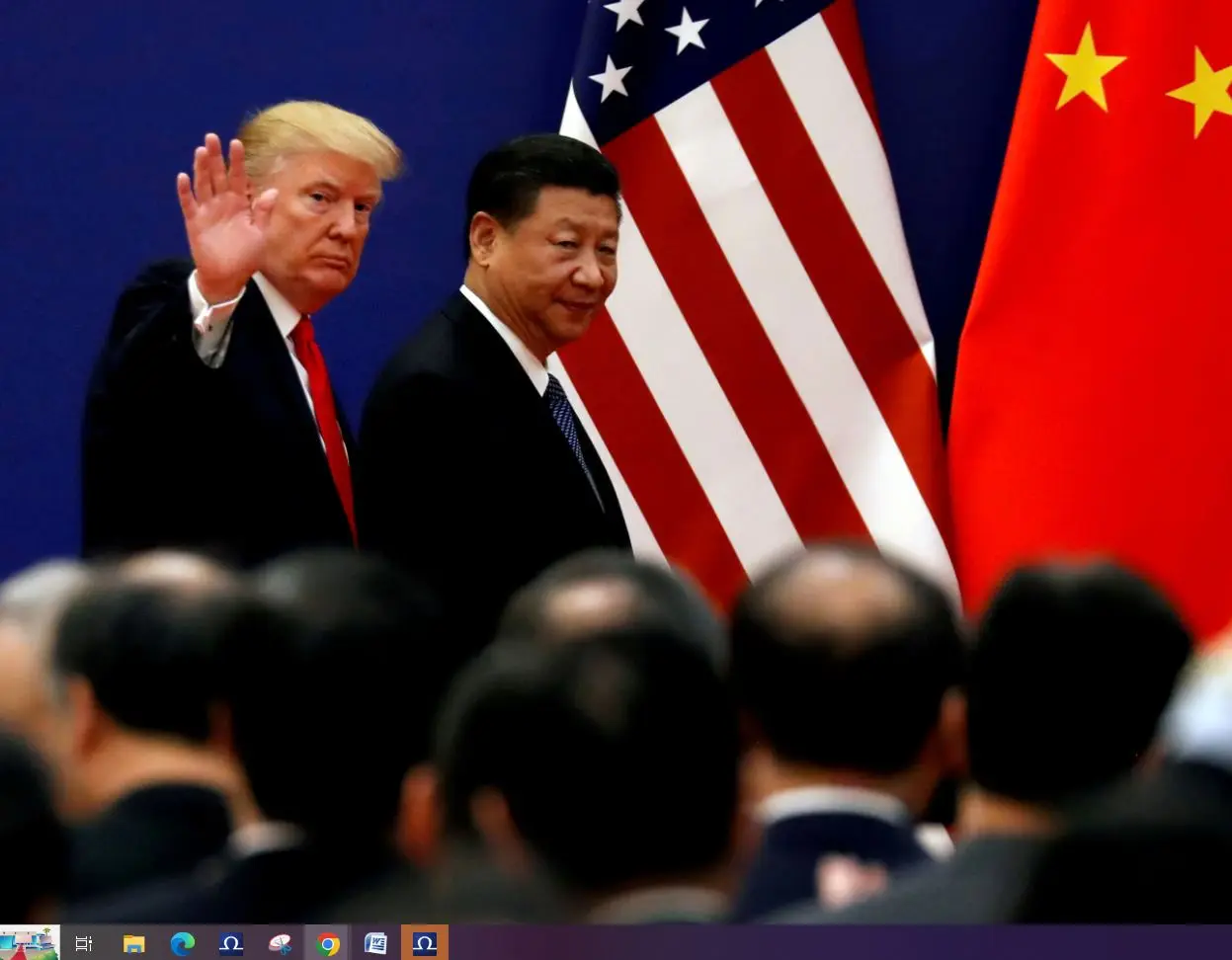
Business & Economy: The US-China trade deal marks a crucial step towards normalizing trade relations between the two economic giants, potentially paving the way for future cooperation.
After weeks of escalating tension, the United States and China have agreed to de-escalate their trade war during high-level talks in Geneva. In a major diplomatic breakthrough, both sides have agreed to unwind the steep tariffs imposed on each other’s goods since early April.
The US will reduce its combined duties on most Chinese imports from 145 per cent to 30 per cent for a period of 90 days. In response, China will slash its duties on American goods from 125 per cent to 10 per cent, also removing other retaliatory measures implemented over the past month.
US cuts ‘de minimis’ tariff on China shipments

In line with this truce, according to Reuters, the White House has announced a significant rollback of a controversial tariff policy. Starting 14 May, Washington will reduce the so-called ‘de minimis’ tariff on Chinese shipments to 54 per cent from the previously imposed 120 per cent. The flat fee of $100 per shipment will remain in place, according to an executive order issued by the White House on Monday as reported by Reuters.
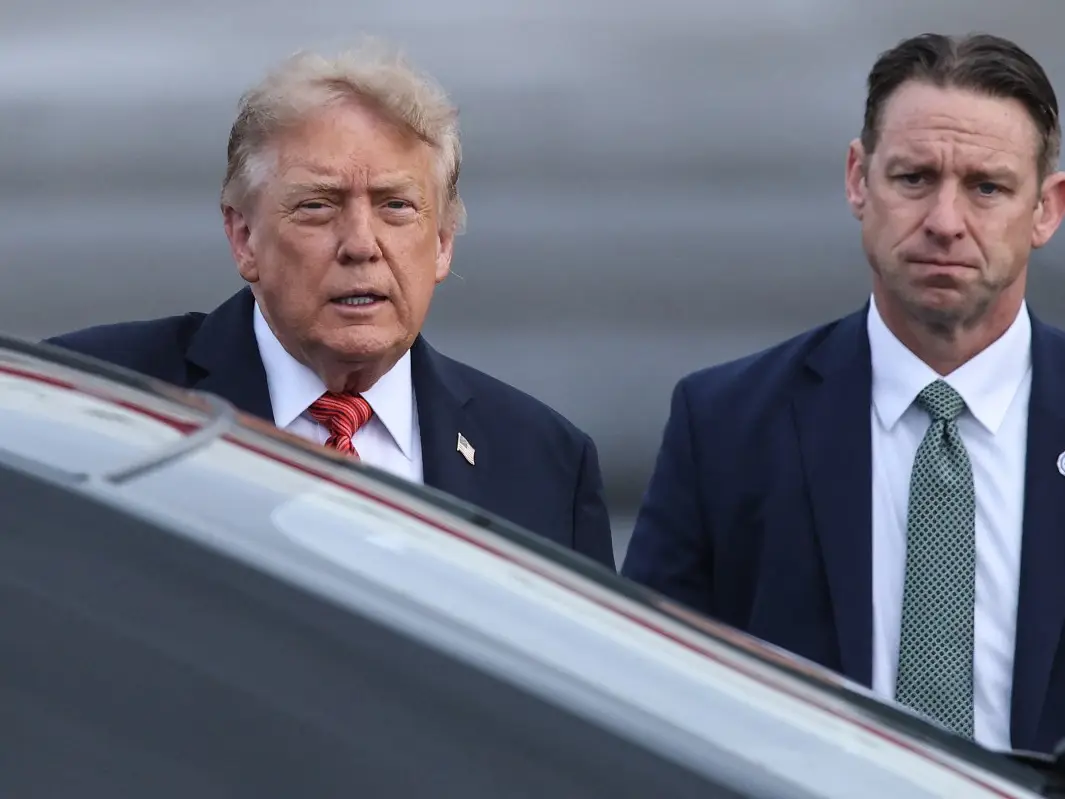
The de minimis rule allows goods valued at up to $800 to enter the US via postal services with little or no inspection. Previously, such items from China enjoyed duty-free entry, but that changed in February when President Donald Trump scrapped the exemption and slapped a 120 per cent tariff or a planned $200 flat fee—on these packages. The move was aimed at curbing the surge of Chinese e-commerce shipments from companies like Shein and Temu, and addressing concerns about the misuse of this channel for smuggling drugs such as fentanyl, according to Reuters.
Introduced in 1938 to reduce administration burden, under former US President Barack Obama, the threshold was raised from $200 to $800. This led to a massive e-commerce boom in the states. According to US Customs and Border Protection's website, shipments entering states have grown by 600 percent in the past 10 years. From 139 million shipments in 2015 it went to over one billion in fiscal year 2023 and in fiscal year 2024, it crossed 1.36 billion mark.
)
Why asking questions could be more important than memorising answers
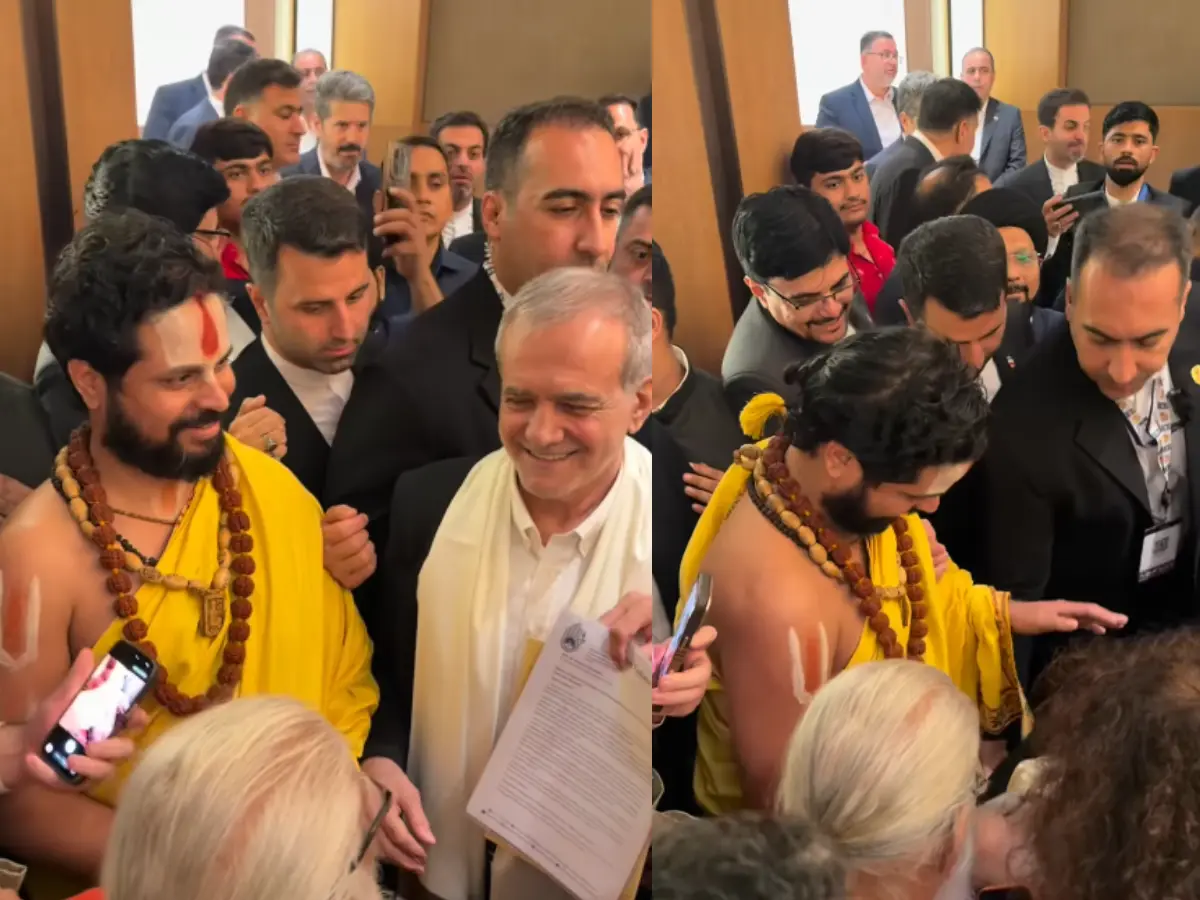)
Did Iran President Pezeshkian touch feet of Hindu spiritual leader at Delhi event as shown in viral video?
&im=FitAndFill=(700,400))
Meet top 5 batters fastest to 3000 runs in T20Is
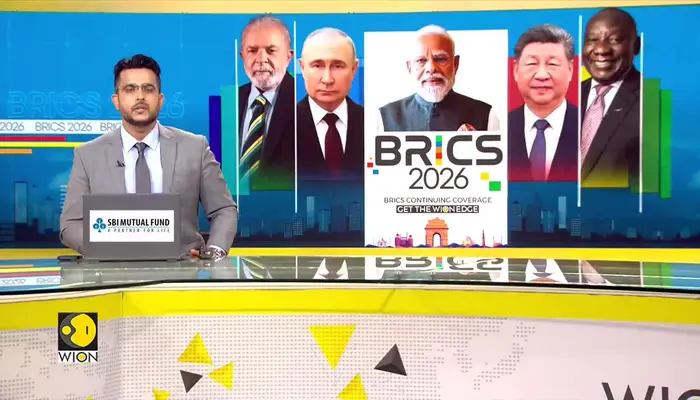)
BRICS Summit 2026: PM Modi addresses Day 2 of 18th BRICS summit
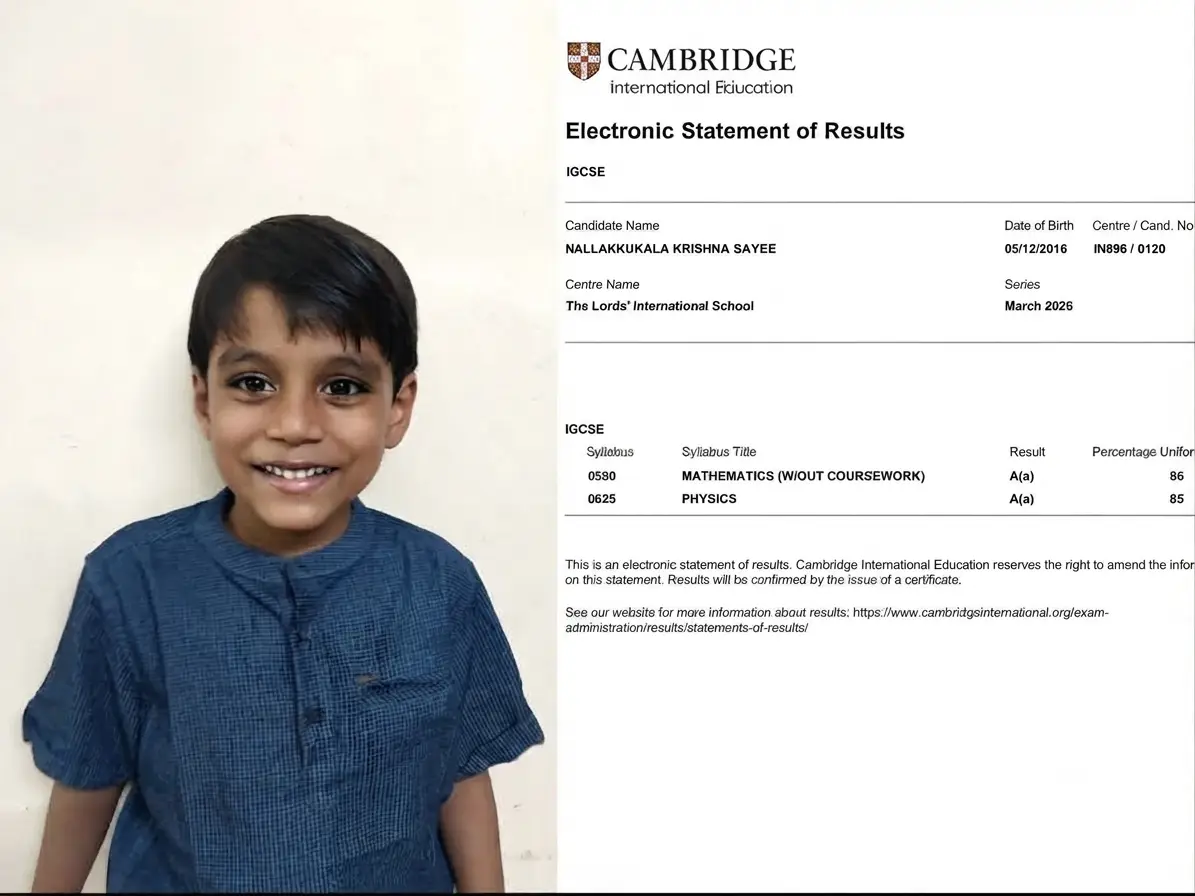)
9-year-old Chennai prodigy clears Cambridge IGCSE grade 10 exams
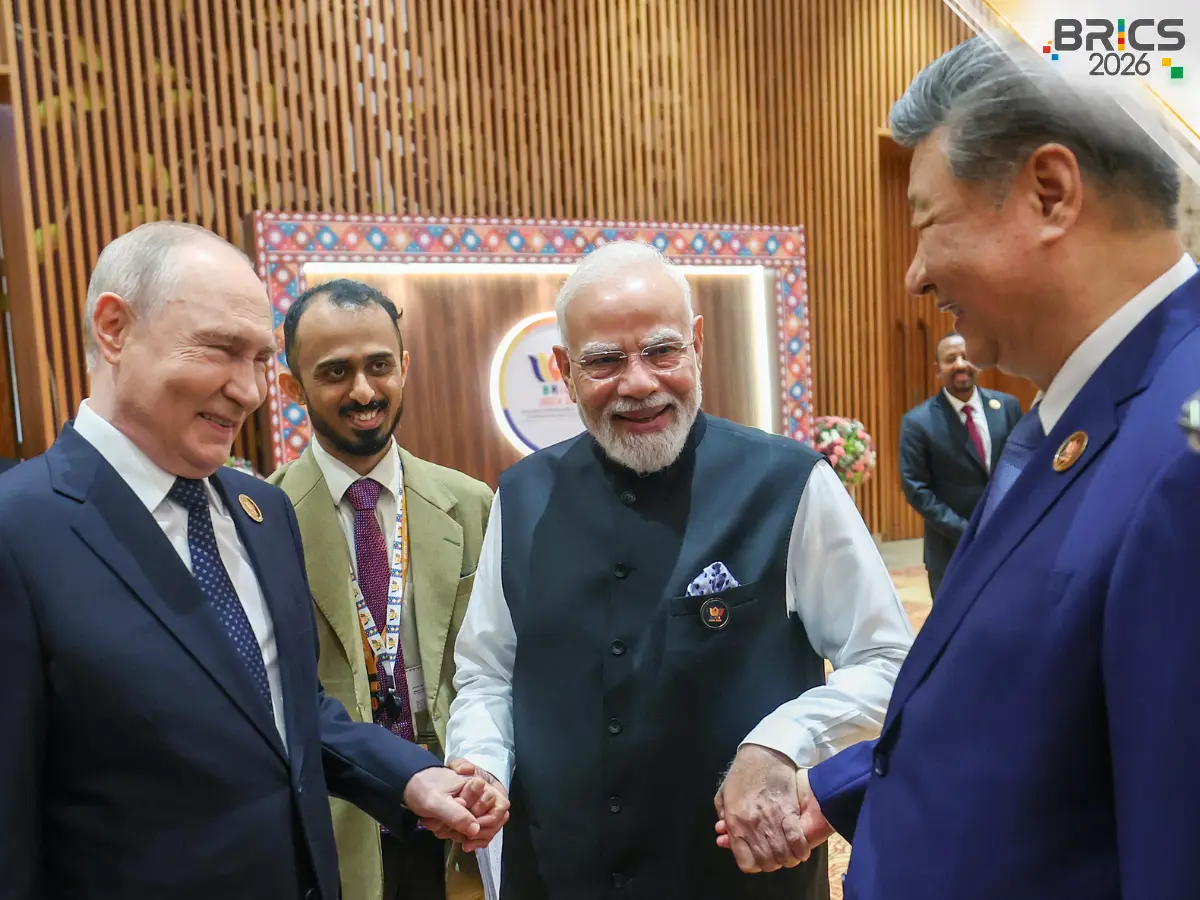)
PM Modi and China's Xi offered to help resolve Russia-Ukraine war: Kremlin
)
BRICS Summit 2026: Consensus on joint declaration, diplomatic win for India
)
Why does your skin need protection from UV rays?
&im=FitAndFill=(700,400))
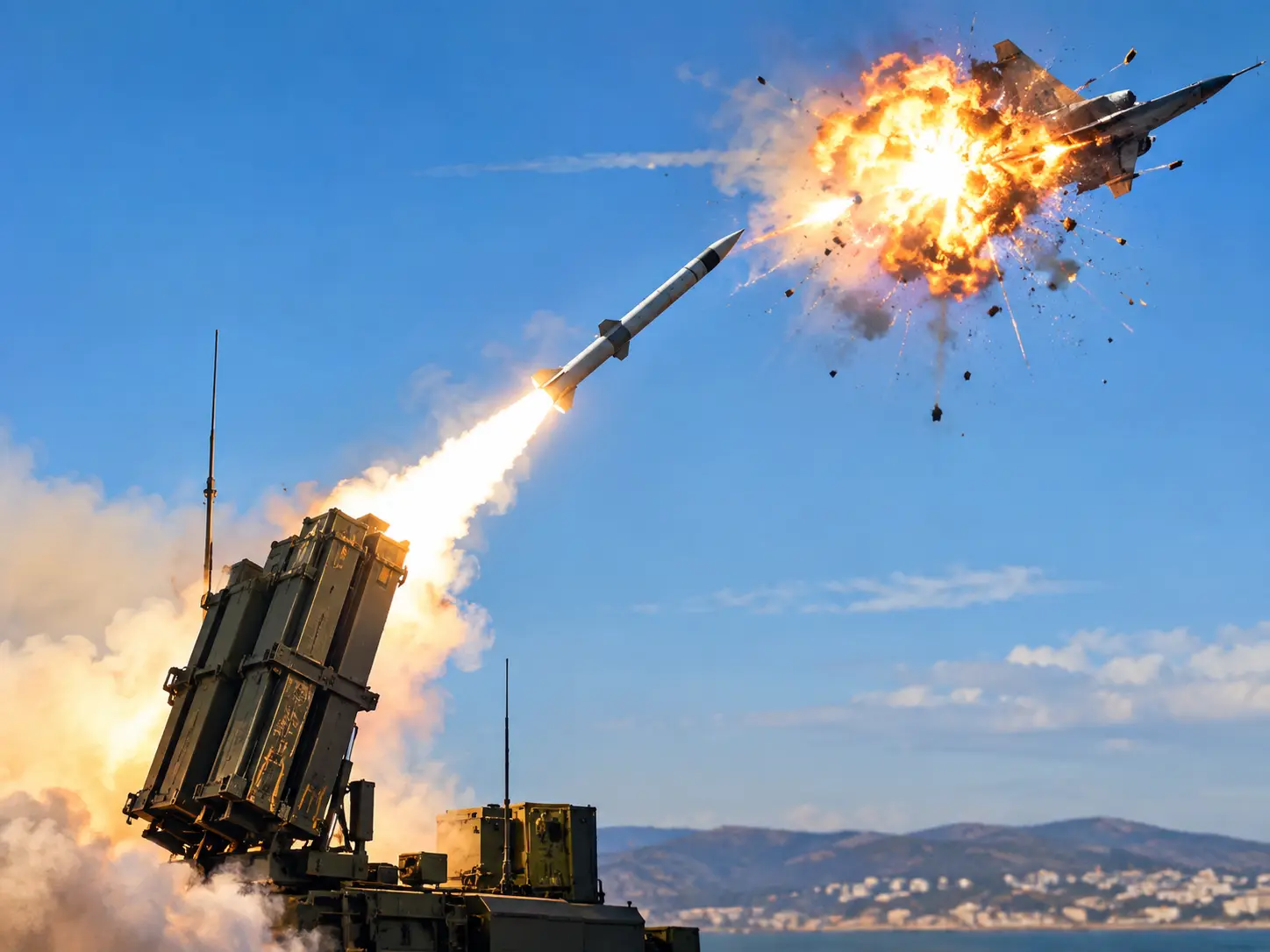
Why do air defence missiles explode near their target instead of hitting it?
)
Celine Dion makes emotional stage comeback after six years: 'I'm so delighted to see you'
)
War is making Russia stronger? How Ukraine is shaping Moscow’s next generation of weapons
)
Could staying indoors all day affect your health?
)
BRICS Summit day 1: New Delhi declaration adopted with full consensus, big diplomatic win for India
)
Why do wild animals need quiet places to survive?
)
BRICS Summit 2026: Chinese president Xi Jinping departs from New Delhi after attending BRICS summit
)
Russian drone hits Warsaw-bound train near Polish border, Zelensky accuses Moscow of ‘deliberate’ targeting
)
'Iran won't surrender': Pezeshkian sends blunt message to US while attending BRICS Summit in India
)
BRICS Summit 2026: PM Modi to hold bilateral with leaders of seven countries
)
‘Partners, not rivals’: Xi outlines four point plan for stronger India-China ties
&im=FitAndFill=(700,400))
Why Chinese PL-15 air-to-air missiles use dual-pulse motors compared to European interceptors
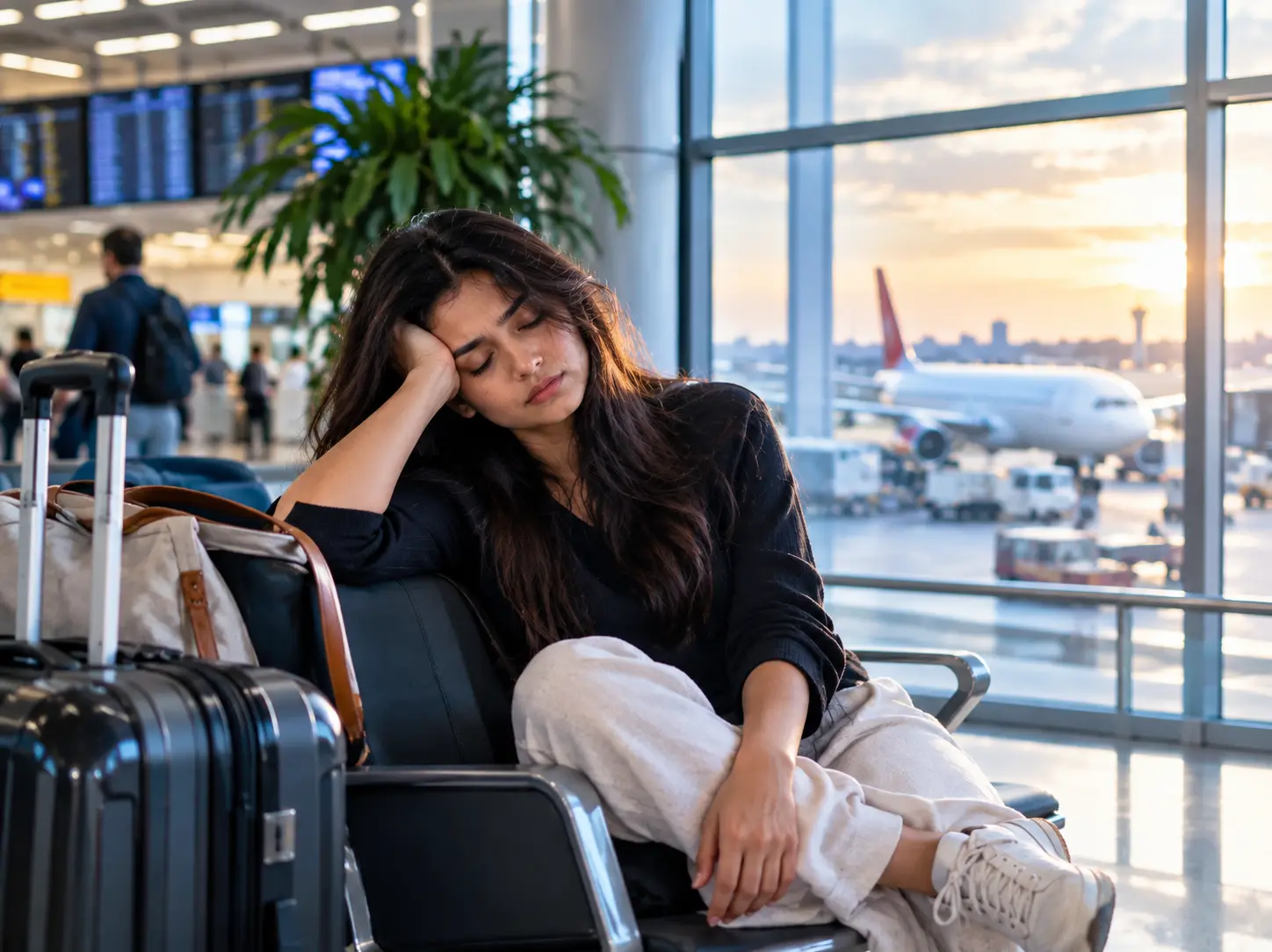)
Why does your body need time to adjust after a long journey?
)
Why going digital does not always mean becoming more efficient
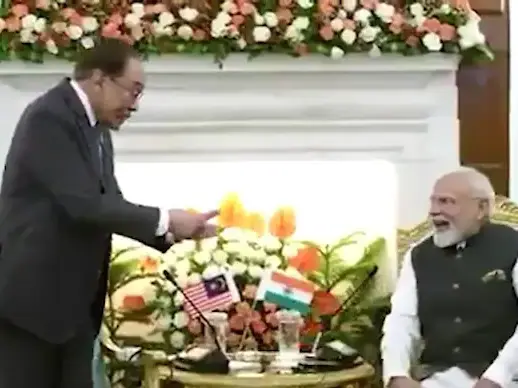)
'He is popular...': Malaysian PM Anwar Ibrahim's praise for PM Modi during bilateral meeting | WATCH
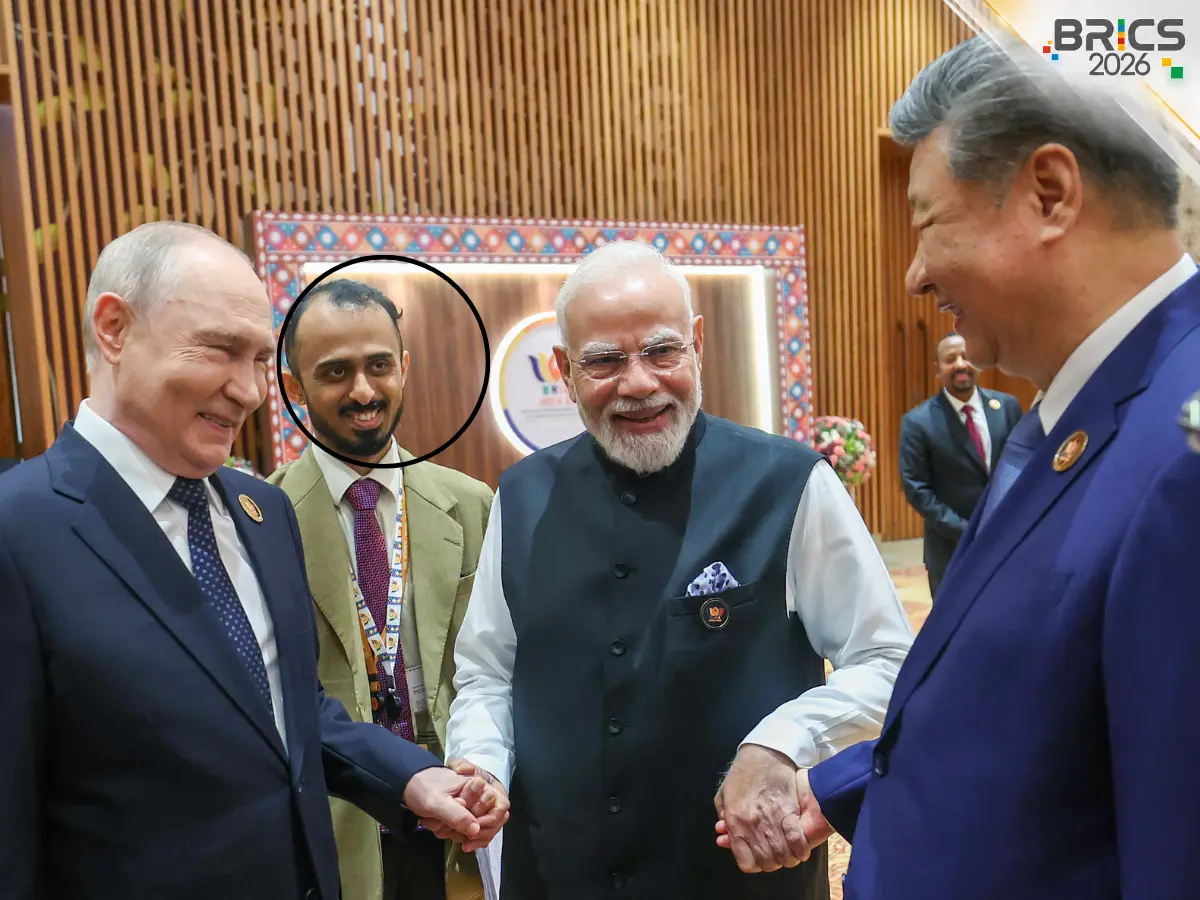)
Who is the smiling man beside Modi, Putin and Xi at BRICS Summit 2026?
)
Migration protests return to Portsmouth as rival demonstrations face off
)
Osama Bin Laden ‘planned’ to target India, CIA reveals dozens of declassified documents
)
BRICS Summit 2026: PM Modi, Xi reach key consensus on ties, China to assume BRICS chairmanship in 2027
)
BRICS Summit 2026: Global leaders of BRICS nations attend main open session
)
From severe mobility problems to recovery: Madhuri the elephant’s journey of wildlife care
)
Bigg Boss 20: Qazi Touqeer gets a special ‘rockstar’ moment from Salman Khan
)
Ramanathaswamy temple takes centre stage as PM Modi welcomes world leaders at BRICS
)
IND vs AFG, 1st T20I: When and where to watch live streaming in India?
)
Top 5 places to visit in Goa beyond its famous beaches
)
Trump says Canada eager to reach a deal, it could come ‘fairly soon’ if Ottawa treats US farmers better
)
Humans may lose control of AI: Anthropic CEO calls for slowdown, Altman, Musk back him
)
800 million years old - Scientists discover 'fingerprints' of supercontinent Gondwana in ancient rocks
)
How does the loss of forests affect the way wildlife lives and moves?
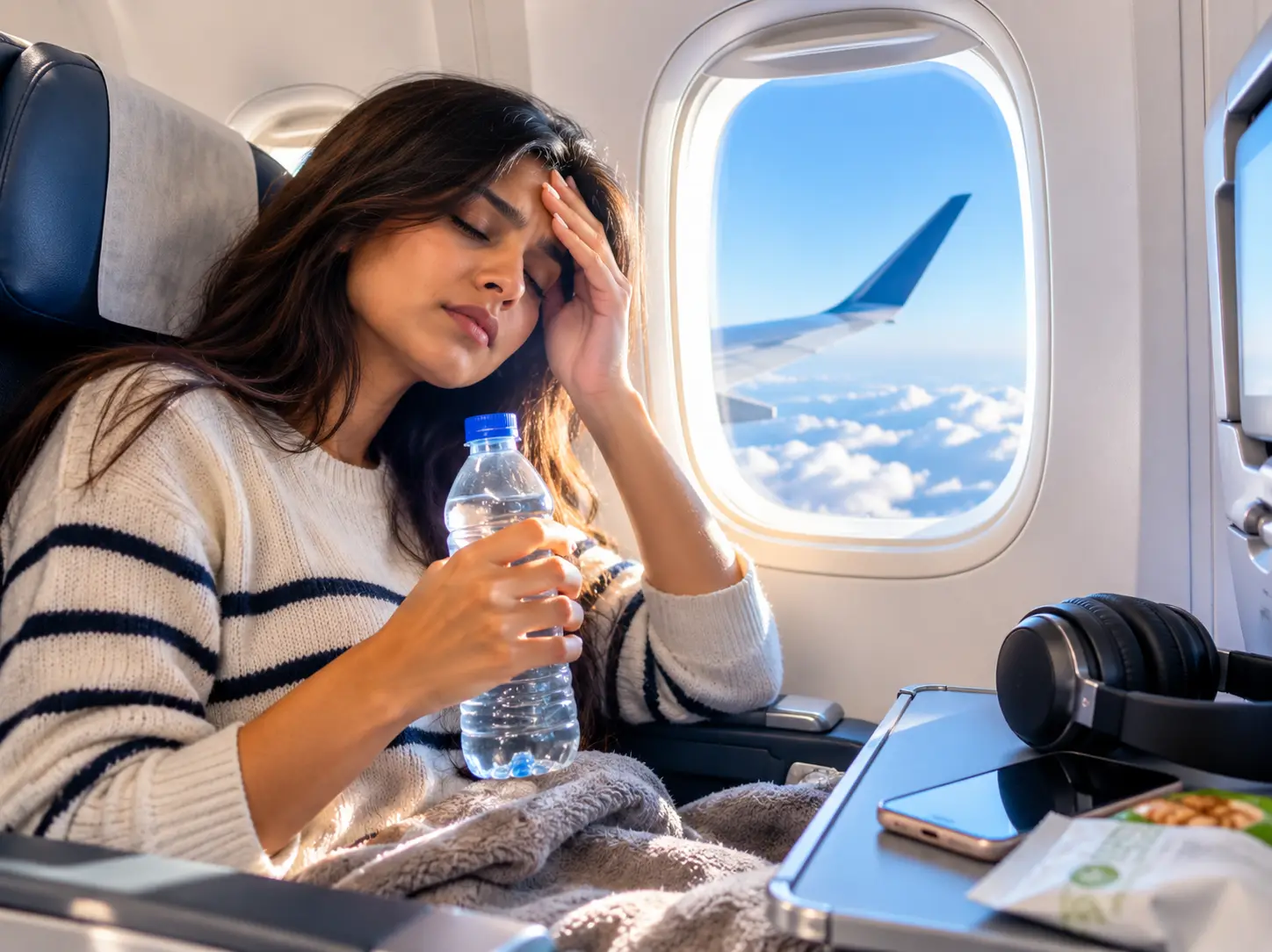)
Why dehydration is the hidden cause of travel fatigue on long flights
)
Houthis launch cross-border strike on Saudi Arabia as Yemen war escalates
Now, as per Reuters, with trade tensions easing, the White House has decided to amend the 120 per cent rate to 54 per cent and shelve the $200 flat fee, keeping it at $100 instead. The new rates will take effect from 12:01 a.m. (0401 GMT) on 14 May.
China lifts ban on Boeing aircraft deliveries
In a reciprocal gesture, China has lifted its month-long ban on deliveries of Boeing aircraft, according to a Bloomberg report. The decision, communicated to Chinese airlines and government agencies earlier this week, comes in the wake of the tariff truce and is expected to provide an immediate boost to the American aviation giant.
According to Bloomberg, the ban had severely impacted Boeing, as it found itself caught in the crossfire of the trade war. After President Trump’s sweeping tariffs on key trading partners, Beijing retaliated by ordering domestic airlines to halt Boeing deliveries, pricing the US-made jets out of the Chinese market.
While China is one of Boeing’s most important markets, expected to account for 20 per cent of global aircraft demand over the next two decades, according to Boeing’s 2023 Commercial Market Outlook—the company has struggled in recent years due to both trade tensions and internal quality issues. In 2019, China became the first country to ground the 737 Max after two fatal crashes. In early 2024, the company faced renewed scrutiny after a door plug incident mid-flight triggered another quality crisis.
The easing of restrictions allows around 50 Boeing aircraft scheduled for delivery to China this year to proceed, according to Bloomberg. The report also noted that Boeing had already begun redirecting some of these aircraft to markets like India, Malaysia, and Saudi Arabia.
A temporary reprieve or a turning point?
While these policy shifts mark a notable thaw in US-China relations, the concessions come with a time limit. The reduced tariff rates and other eased measures are set to last only 90 days unless further progress is achieved. The Geneva talks have opened a window for negotiation, but experts caution that the deal is a temporary reprieve, not a permanent resolution.
With geopolitical rivalry, domestic pressures, and industrial competition continuing to loom large, the next round of negotiations will be crucial in determining whether the world’s two largest economies can stabilise their fraught trade relationship—or fall back into economic confrontation.