
&imwidth=800&imheight=600&format=webp&quality=medium "Trump gets slight relief as tariffs temporarily reinstated amid ongoing legal battle")
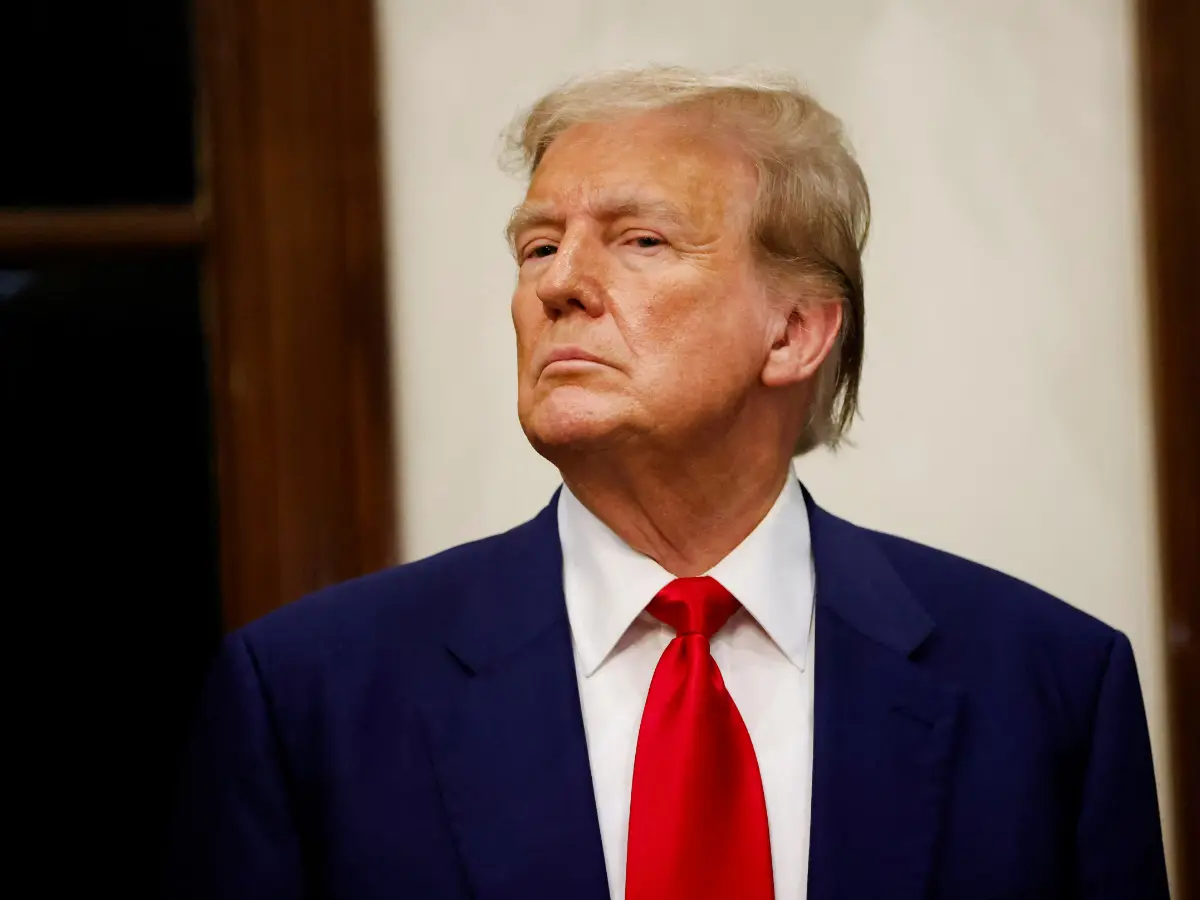
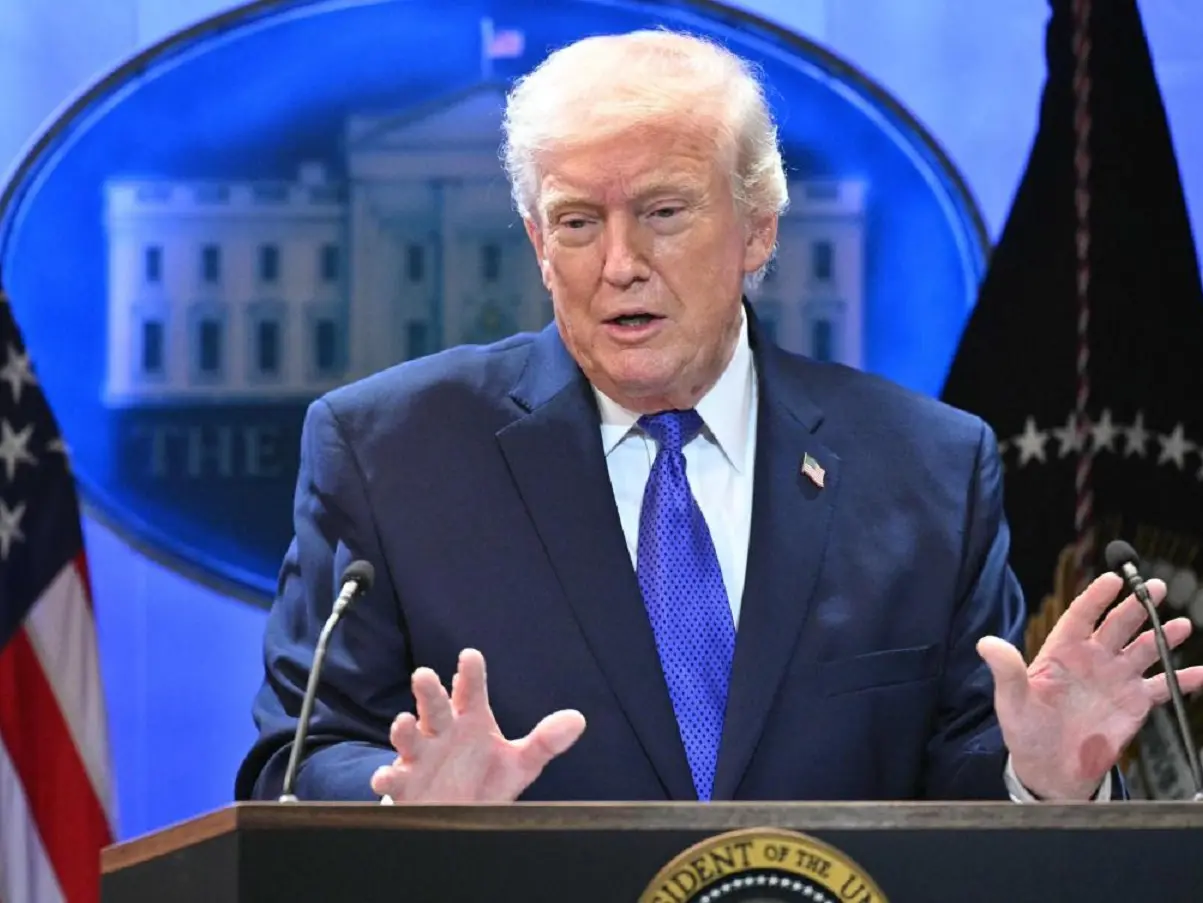
President Donald Trump get a temporary legal lifeline for his sweeping April 2025 tariff agenda, but it’s only a pause, not a win.
According to Bloomberg, on May 29, a US federal appeals court has stayed a lower court ruling that would have forced his administration to unwind the majority of tariffs imposed under the International Emergency Economic Powers Act (IEEPA).
On May 28, the US Court of International Trade dealt a major blow, ruling that Trump had overreached by using emergency powers to impose blanket tariffs on dozens of nations, citing issues like fentanyl trafficking and trade deficits as national threats.

According to Bloomberg Economics, the ruling would have slashed the average US tariff rate from nearly 27 per cent to below 6 per cent, a dramatic rollback of Trump’s hardline trade stance.
Trump responded on social media, labelling the court’s decision “so wrong and so political” and urging the Supreme Court to act “quickly and decisively.” White House press secretary Karoline Leavitt echoed his stance, warning that if courts could derail a president’s trade policy, it would weaken “Presidential Power” and disrupt diplomacy, as per Bloomberg.
While the stay allows the tariffs to remain in place at least until 9 June, when further legal arguments will be heard, the administration knows this is only a temporary shield as per Bloomberg.
Trending Stories
)
AI kill switch explained: Why shutting down a dangerous AI may not be as simple as pressing a button
)
US ships in Indian Ocean ‘will be attacked’ if war resumes, warns Iran
)
SNL UK takes aim at Ed Sheeran with AI Princess Diana sketch
)
Trump says he'll build an 'AI Force' and appoint a czar, for 'high IQ' people only
)
‘0% chance’: Nvidia CEO Jensen Huang dismisses AI extinction fears by 2030
&im=FitAndFill=(700,400))
What TSMC's 2nm technology means for Apple
)
'Were you here to sell chickpeas?': Wasim Akram criticises Babar Azam's captaincy
)
Mark Carney mimics Trump in hilarious moment over C$70 billion clean-energy investment; room erupts in laughter
&im=FitAndFill=(700,400))
Top 10 countries in mathematics: See the world’s best performers in 2026
)
Apple reportedly building AI server with M8 Ultra chips, may use Nvidia technology
)
TIFF 2026: Theja Rio’s Angh wins Platform Prize, puts Nagaland story on global stage
)
BTS' fans question iHeartRadio’s treatment of group after brief festival set
)
Samsung raises Galaxy S26 prices by Rs 20,000: Here’s what each model now costs
)
Operation Sindoor’s hidden naval dimension | MoD reveals Indian Navy Special Forces joined May 7 strikes
)
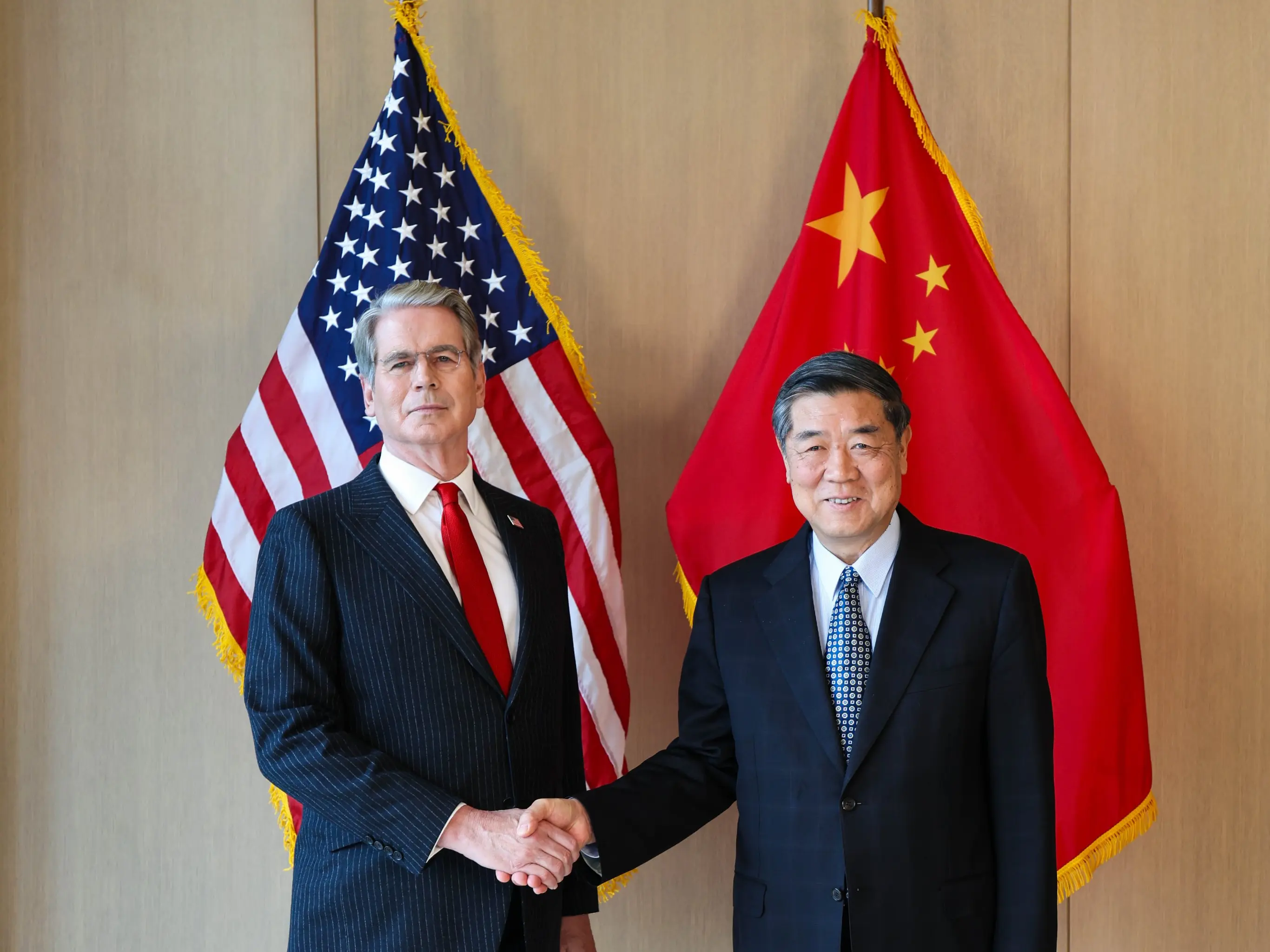
Trump-Xi summit: US Treasury Secretary holds meeting with Chinese Vice Premier
)
Bessent meets China’s He Lifeng to prepare for Trump-Xi summit
)
S Jaishankar, former Army chief among high-profile names issued Delhi SIR notices
)
CDU suffers historic defeat in eastern Germany as AfD surges, Merz vows to stay on
)
Iran sets 7 conditions to end war with US: What are Tehran’s demands?
)
Trump announces ‘AI Force’ as debate grows over AI risks and regulation
)
Arvind Kejriwal, family members, Delhi CM Rekha Gupta get SIR notices
)
AI actress Tilly Norwood glitches mid-interview, switches from English to Chinese | Watch
)
Saudi vs Houthis: Houthis claim missiles & drones used in attack on key Saudi sites
)
Ed Sheeran addresses Macklemore's removal, Gaza conflict during Philadelphia concert: 'I cannot hide how I feel'
)
Saudi Arabia exits China-led mBridge digital currency platform amid Saudi-Houthi conflict
)
Punjab man consumes poison outside DC office; Congress, BJP target AAP government
)
ICE shooting in Texas leaves man seriously injured; officials demand independent investigation and transparency
)
'Lot of things to learn from experienced players': Jayasuriya backs Rohit, Virat for 2027 ODI World Cup
)
Chancellor Friedrich Merz vows to stay on as exit polls signal major poll setback
)
North Korea's nuclear tests triggered 1,399 earthquakes: Earth is still shaking | Gravitas
)
Several petrol pumps, other businesses to refuse UPI payments above Rs 2,000 from Oct 16: Is it legal?
&im=FitAndFill=(700,400))
New OTT releases this week (September 21-27, 2026): Shaque: Trust No One, Hunkkaar, Don’t Be Shy- 5 new titles coming to Netflix, Prime Video and more
&im=FitAndFill=(700,400))
Gulshan Grover turns 70: Ram Lakhan, Gangster, Hera Pheri- Must-watch movies of the actor on OTT platforms
)
Noel Tata challenges Chandrasekaran’s reappointment as Tata Sons chairman. What happened at the board meeting
)
West Indies Squad for India Series: Hetmyer included for T20Is, Holder rested
&im=FitAndFill=(700,400))
Kareena Kapoor birthday special: Inside her net worth, best movies, luxurious lifestyle and love story with Saif Ali Khan
)
China now makes advanced memory chips without the machines it was banned from buying
)
Trump in ‘deciding mode’ on Iran, says ‘very big things’ going to happen soon
)
Jailer 2: Vidya Balan joins Rajinikanth's upcoming film as Kantha | Watch
)
Microsoft executive called AI training the ‘largest theft of labour in human history’
)
Italy moves to ban face veils in schools as Meloni pushes new integration measures
According to Bloomberg, a second federal judge has also struck down a set of tariffs, though that ruling is limited to a specific plaintiff and delayed for 14 days to allow for appeal.
Team Trump eyes for a backup plan
Facing legal headwinds, the Trump administration is already exploring alternative pathways to keep its protectionist trade agenda intact.
As per Bloomberg, officials are weighing options under other laws , most notably Section 232 of the Trade Expansion Act and Section 301 of the Trade Act of 1974, both of which have been used before to target imports on national security or unfair trade grounds.
Section 232, in particular, has formed the backbone of Trump’s tariffs on steel, aluminium, and vehicles since 2017. According to Bloomberg, these tools are considered more legally durable than IEEPA, but they’re slower. Investigations can take up to 270 days, although White House insiders suggest processes may be fast-tracked.
Peter Navarro, Trump’s former trade adviser, told Bloomberg that “the Trump tariff agenda is alive, well, healthy, and will be implemented to protect you, to save your jobs and your factories.” He hinted that US Trade Representative Jamieson Greer would announce new strategies shortly. However, some Trump allies remain sceptical of the timeline.
“The idea that Trump is going to turn to plan B and do tariffs by other means has problems,” said James Lucier of Capital Alpha Partners, speaking to Bloomberg. “Yes, he will do it. But he is running out of time to get results before the midterm elections.”
Section 122, which allows temporary tariffs of up to 15 per cent for 150 days, was also discussed.
But Navarro downplayed it, citing its limited duration. Meanwhile, Section 301 remains a wildcard as it has been used before, particularly against China, and could provide broader trade tools if IEEPA is struck down for good, as per Bloomberg.
Global implications and the road ahead
The court battles come at a time when global trade remains fragile, with Trump’s April tariffs already straining relations with major economies. The initial ruling would have voided levies on imports from key partners like China, Canada, and Mexico and, as Bloomberg noted, blocked nearly two-thirds of the administration’s tariffs.
With this legal uncertainty in play, trading partners are watching closely. If Trump is forced to unwind tariffs, the US may lose bargaining power in ongoing negotiations over market access and manufacturing policy.
For now, Trump’s legal team remains defiant, promising to escalate the fight all the way to the Supreme Court if needed. But as analysts warn, hastily reintroducing tariffs through other channels could open the door to more lawsuits — unless the process is rock-solid.
“If Trump jumps through the hoops and does all the paperwork for Section 232 tariffs, then he may have tariffs that are legally sustainable,” Lucier told Bloomberg. “But if he rushes it, the same anti-tariff forces will take him to court again.”
The court’s decision has bought Trump time, but not clarity. As legal battles escalate and the 2026 midterm clock ticks louder, the future of America’s aggressive trade policy hangs in the balance.