
&imwidth=800&imheight=600&format=webp&quality=medium "The US tariff hit on India: What’s happening and what’s at stake?")
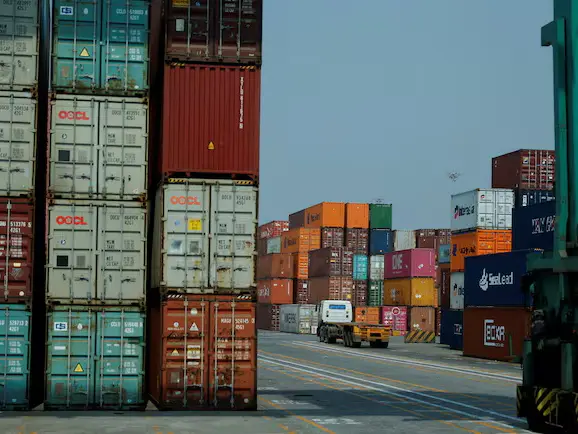
The United States, under President Donald Trump’s administration, has imposed a hefty 25 per cent tariff, plus an unspecified penalty for buying Russian oil and weapons, on goods imported from India, a move that has sent shockwaves through the trade relations between the two countries. This decision follows months of negotiations, which ultimately failed to reach a satisfactory deal. The new tariff set to be imposed from August 1 is expected to impact a range of sectors critical to India’s economy, from electronics and pharmaceuticals to textiles and gems.
Why couldn't India and the US reach a deal?
Trade talks between India and the US have been ongoing for months, but several points of contention remain unresolved. Here are the primary reasons why the two countries couldn't finalise a deal:

1. High Indian tariffs: The US has long criticised India’s high tariffs on several goods, particularly in agriculture, which remain among the highest in the world. For example, India imposes nearly 39 per cent on agricultural products and up to 50 per cent on certain items like apples and corn. While India has been open to reducing these tariffs, it has resisted offering full access to its agricultural markets, fearing the impact on its domestic farmers.
2. Market access: The US has been pushing India to open up its agricultural and dairy markets to American exports, a demand India has been unwilling to fully meet. There is a major concern in India that allowing in large-scale imports of items like genetically modified soybeans, wheat, and corn could harm local farmers and disrupt the agricultural balance.
3. Geopolitical tensions: There’s also an underlying geopolitical element at play. India’s continued military ties with Russia, especially as it remains one of Russia’s largest buyers of energy and military equipment, have been a thorn in the side of US-India relations. President Trump has cited this as a major issue, criticising India for buying Russian oil despite global sanctions on Russia over its actions in Ukraine. But India, which imports 80 per cent of its energy needs, stated that maintaining diverse sources of energy is critical for its national economy.
Trending Stories
)
AI kill switch explained: Why shutting down a dangerous AI may not be as simple as pressing a button
)
US ships in Indian Ocean ‘will be attacked’ if war resumes, warns Iran
)
SNL UK takes aim at Ed Sheeran with AI Princess Diana sketch
)
Trump says he'll build an 'AI Force' and appoint a czar, for 'high IQ' people only
)
‘0% chance’: Nvidia CEO Jensen Huang dismisses AI extinction fears by 2030
&im=FitAndFill=(700,400))
What TSMC's 2nm technology means for Apple
)
'Were you here to sell chickpeas?': Wasim Akram criticises Babar Azam's captaincy
)
Mark Carney mimics Trump in hilarious moment over C$70 billion clean-energy investment; room erupts in laughter
&im=FitAndFill=(700,400))
Top 10 countries in mathematics: See the world’s best performers in 2026
)
Apple reportedly building AI server with M8 Ultra chips, may use Nvidia technology
)
TIFF 2026: Theja Rio’s Angh wins Platform Prize, puts Nagaland story on global stage
)
BTS' fans question iHeartRadio’s treatment of group after brief festival set
)
Glitch in the matrix caught on camera: Woman vanishes after talking to reporter
)
Samsung raises Galaxy S26 prices by Rs 20,000: Here’s what each model now costs
)
Operation Sindoor’s hidden naval dimension | MoD reveals Indian Navy Special Forces joined May 7 strikes
)
Trump-Xi summit: US Treasury Secretary holds meeting with Chinese Vice Premier
)
Bessent meets China’s He Lifeng to prepare for Trump-Xi summit
)
S Jaishankar, former Army chief among high-profile names issued Delhi SIR notices
)
CDU suffers historic defeat in eastern Germany as AfD surges, Merz vows to stay on
)
Iran sets 7 conditions to end war with US: What are Tehran’s demands?
)
Arvind Kejriwal, family members, Delhi CM Rekha Gupta get SIR notices
)
AI actress Tilly Norwood glitches mid-interview, switches from English to Chinese | Watch
)
Saudi vs Houthis: Houthis claim missiles & drones used in attack on key Saudi sites
)
Ed Sheeran addresses Macklemore's removal, Gaza conflict during Philadelphia concert: 'I cannot hide how I feel'
)
Punjab man consumes poison outside DC office; Congress, BJP target AAP government
)
Saudi Arabia exits China-led mBridge digital currency platform amid Saudi-Houthi conflict
)
ICE shooting in Texas leaves man seriously injured; officials demand independent investigation and transparency
)
Sudan gold mine collapse kills 11, injures 30; search under way for trapped miners
)
'Lot of things to learn from experienced players': Jayasuriya backs Rohit, Virat for 2027 ODI World Cup
)
Chancellor Friedrich Merz vows to stay on as exit polls signal major poll setback
)
Taylor Swift has a 'proud wife' moment as Travis Kelce scores first touchdown of season: 'That’s my husband!'
)
North Korea's nuclear tests triggered 1,399 earthquakes: Earth is still shaking | Gravitas
)
Several petrol pumps, other businesses to refuse UPI payments above Rs 2,000 from Oct 16: Is it legal?
&im=FitAndFill=(700,400))
New OTT releases this week (September 21-27, 2026): Shaque: Trust No One, Hunkkaar, Don’t Be Shy- 5 new titles coming to Netflix, Prime Video and more
&im=FitAndFill=(700,400))
Gulshan Grover turns 70: Ram Lakhan, Gangster, Hera Pheri- Must-watch movies of the actor on OTT platforms
)
Noel Tata challenges Chandrasekaran’s reappointment as Tata Sons chairman. What happened at the board meeting
&im=FitAndFill=(700,400))
Kareena Kapoor birthday special: Inside her net worth, best movies, luxurious lifestyle and love story with Saif Ali Khan
)
China now makes advanced memory chips without the machines it was banned from buying
)
Jailer 2: Vidya Balan joins Rajinikanth's upcoming film as Kantha | Watch
)
Microsoft executive called AI training the ‘largest theft of labour in human history’
)
Italy moves to ban face veils in schools as Meloni pushes new integration measures
4. Non-tariff barriers: The US has also raised concerns about India’s rising quality and safety barriers on imports. While these regulations are meant to protect local industries, they have been criticised for being restrictive and unfair to foreign exporters. This has been another significant roadblock in the negotiations.
Impact of the tariff on Indian sectors
The imposition of the 25 per cent tariff will have far-reaching consequences for key Indian industries that depend heavily on exports to the US. Here’s how various sectors are expected to be affected:
1. Smartphones and electronics
India’s electronics industry, especially its smartphone sector, is among the hardest hit. India recently overtook China to become the top supplier of smartphones to the US, with a 44 per cent market share in the June quarter of 2025. The new tariffs are expected to significantly raise prices for US consumers, making Indian smartphones less competitive. In 2025, Indian electronics exports to the US exceeded $3 billion, and this will likely decline as a result of the tariff.
2. Pharmaceuticals and generics
Pharmaceuticals, another critical export sector for India, are also at risk. India is a leading exporter of generic drugs and active pharmaceutical ingredients (APIs) to the US, contributing over $7.5 billion annually. The higher tariffs could drive up the cost of these drugs in the US, potentially affecting access to affordable healthcare and weakening India’s position as the “world’s pharmacy.” Smaller players in the sector might suffer the most from these changes, especially if alternative suppliers from countries with lower tariffs, like Vietnam, begin to capture market share.
3. Textiles and garments
India’s textile industry, including garments, cotton fabric, and handloom products, is another area poised to feel the brunt of this tariff. The $2.5 billion worth of textiles exported to the US could face stiff price hikes, making Indian products less attractive to American buyers compared to competitors from other countries with lower tariffs, such as Vietnam and Indonesia. Smaller Indian exporters may find themselves squeezed out of the US market.
4. Gems and jewellery
Diamonds, gold jewellery, and other gems are a major export category, with the US importing $8.5 billion worth from India in 2025. The tariffs could make Indian gems less competitive in the global market, especially as other suppliers, including China and Thailand, can offer similar products with lower costs due to their favourable trade terms with the US.
5. Petroleum products
India exports about $20 billion worth of petroleum products to the US, including diesel, jet fuel, and LPG. This tariff is expected to add significant pressure on these products, especially as the US pushes for more stringent restrictions on imports, particularly from countries like India that are major buyers of Russian energy.
Broader impact on the Indian economy
The imposition of these tariffs comes at a sensitive time, as global supply chain disruptions and economic recovery post-pandemic have already put a strain on the economy. The US is India’s largest trading partner, and the $131 billion trade relationship is now under serious threat, as India will struggle to maintain its position as a major exporter to the US without making significant adjustments. The Indian rupee has already seen a dip in value, reflecting investor uncertainty about the long-term effects of the tariff.
India's government is now under pressure to mitigate the damage by exploring alternative markets like the European Union, the United Kingdom, and West Asia—regions where India has already signed new trade deals. However, given that the US remains India’s largest export partner, it’s unrealistic to expect these alternative markets to fully compensate for the losses in the US, at least in the near future.
India is already exploring ways to counteract the negative impact of this tariff by seeking to negotiate new trade agreements or make concessions in other sectors like defence and LNG exports. Prime Minister Narendra Modi and President Trump may hold further discussions to resolve this issue, but it remains uncertain whether a quick resolution is possible. The looming uncertainty in trade negotiations between the two countries is likely to continue impacting Indian exporters in the coming months.
While the US tariffs on India may seem like a short-term setback, their long-term implications could reshape the nature of US-India trade and India’s export-driven economy. The next few months will be crucial in determining whether India can regain its footing in the US market or if new trading alliances can fill the gap.