Tax savings bring relief to home buyers in India

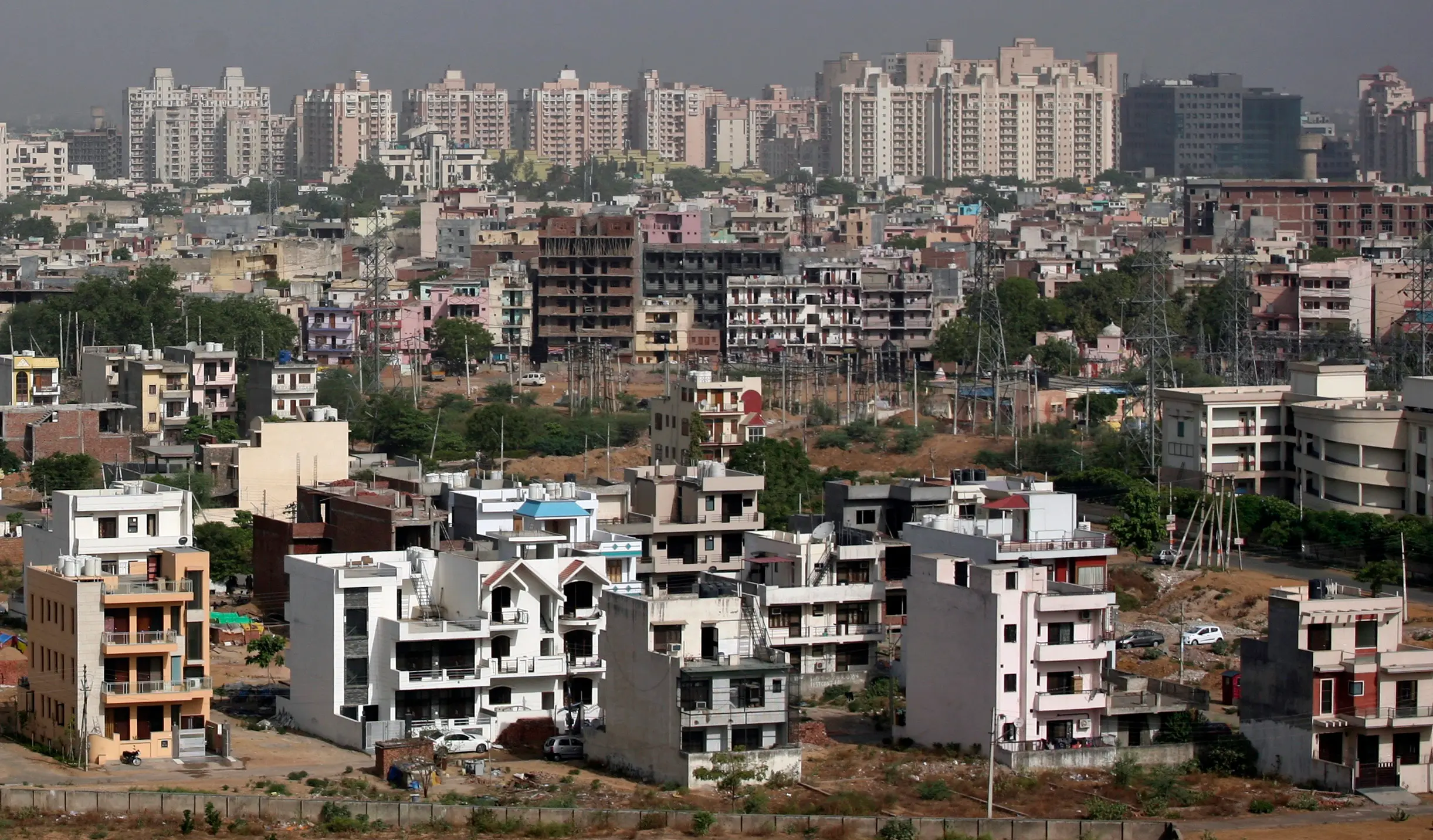
Business & Economy, For those looking to take a new home loan, the rate cut reduces borrowing costs significantly. This enhances affordability and makes homeownership accessible.
Home buyers in India heaved a sigh of relief as the Reserve Bank of India (RBI) finally ushered in lower lending rates, making home loans more affordable and increasing disposable income for individuals. The RBI’s decision last week to cut the repo rate by 25 basis points from 6.5 per cent to 6.25 per cent comes less than a week after the income tax bounty announced by the finance minister in this budget, and is welcome news for borrowers, both existing and new.
Impact on new borrowers
For those looking to take a new home loan, the rate cut reduces borrowing costs significantly. A new borrower taking a ₹50 lakh home loan at 8.50 per cent instead of 8.75 per cent would pay approximately ₹794.37 less in EMI per month, leading to savings of ₹1.9L over the duration of the loan. This enhances affordability and makes homeownership more accessible.

Impact on existing borrowers
For those already servicing a home loan, the rate cut directly affects their loan interest rates. Let’s consider a borrower who took a ₹50 lakh home loan a year ago at an interest rate of 8.75 per cent for a 20-year tenure. The EMI for this loan would be approximately ₹44,185 per month.
With a 25-basis point rate cut, the new interest rate would be 8.50 per cent. Lenders typically do not change the EMI but revise the tenor whenever there is a rate change. This means with each rate cut, the overall interest on the outstanding reduces and every EMI contributes more to the repayment of the outstanding principal. In this case, this results in interest savings of approximately ₹8417 per lakh over the duration of the loan with 10 EMIs being shaved off the loan tenure. On a ₹50L loan, the borrower could save over ₹4.20 lakh in interest payments over the entire loan tenor, if the loan runs its full course.
)
Emmys 2026: Matthew Rhys wins Best Actor twice, sets historic 78-year record
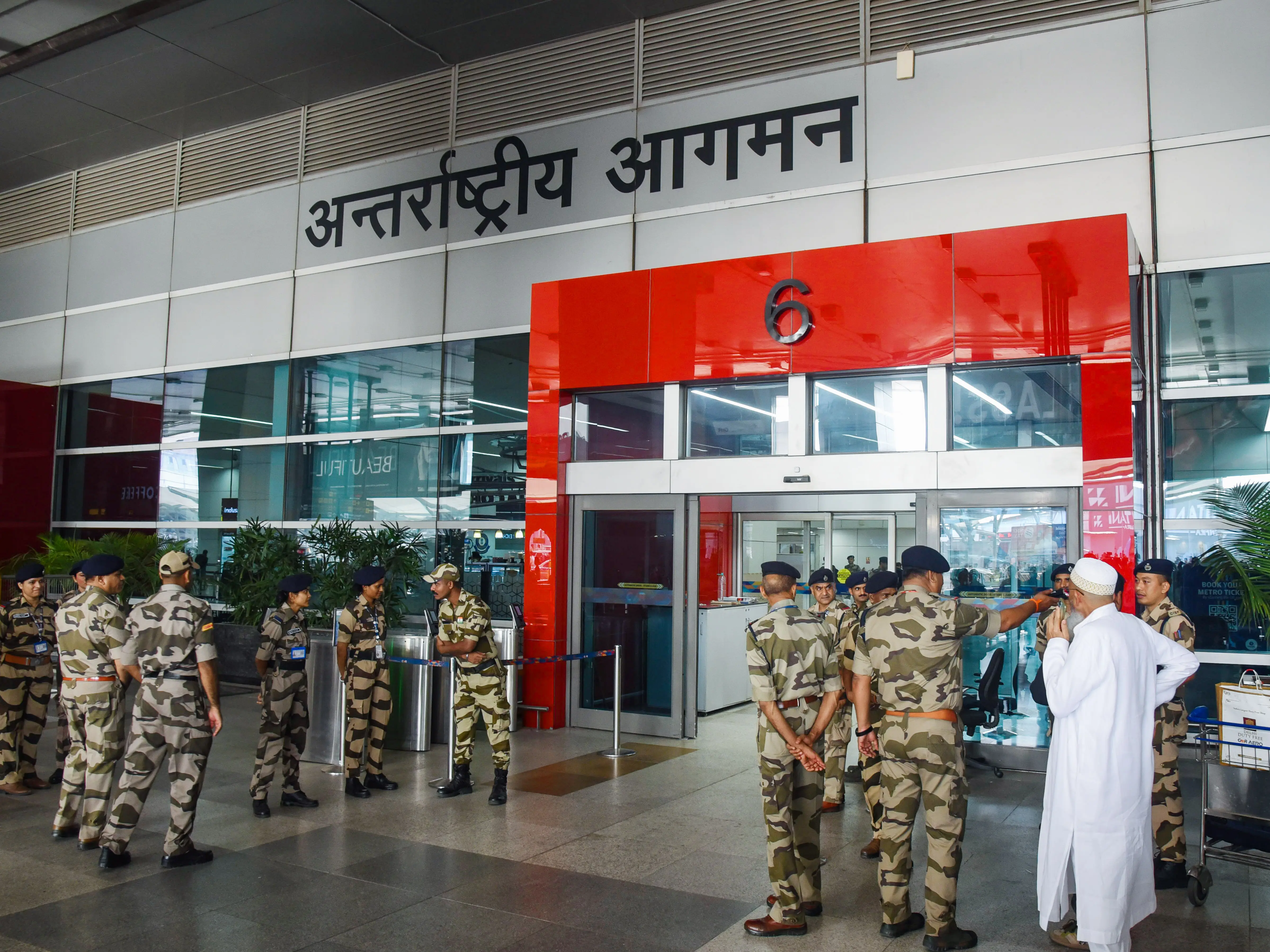)
3 Italians fly from Delhi to Munich without immigration clearance; Air India gets notice on major security lapse
)
Did India risk its US trade deal despite softer stance at BRICS?
)
Pakistan puts Pak Rs 70 lakh bounty on UN terrorist Masood Azhar; move draws skepticism in Delhi
)
‘US ensuring global energy supplies’: Trump demands reimbursement for securing Strait of Hormuz
)
'She married her brother': Ilhan Omar faces criminal probe over immigration fraud claims
)
Ukraine strikes Syzran Oil Refinery deep inside Russia, fires erupt
)
Emmy Awards 2026: Widow's Bay and The Pitt win in lead categories- check out the complete list of winners
)
Indian-origin woman, Nepali-American friend crushed to death by subway train in New York
)
Emmys 2026: Michael J Fox honoured with Bob Hope Humanitarian Award for Parkinson’s advocacy
)
Emmys 2026 In Memoriam: Catherine O’Hara honoured by on-screen children Macaulay Culkin, Annie Murphy, Dan Levy; Dolly Parton, Rob Reiner remembered
)
Iran, India agree to deepen humanitarian and political ties, President Pezeshkian says
&im=FitAndFill=(700,400))
Emmys 2026 Red Carpet: Zendaya, Nicole Kidman and Julia Garner lead the glamour peak
)
Turkish Airlines plane flies through a storm three times, triggering severe turbulence
&im=FitAndFill=(700,400))
Why Chinese PL-15 air-to-air missiles use dual-pulse motors compared to European interceptors
)
What is Hyrox, in news for athlete who soiled herself, but kept running and using common equipment?
)
Russia proposes to build 360 kmph Ivolga FG trains in India: What happened on sidelines of BRICS
)
800 million years old - Scientists discover 'fingerprints' of supercontinent Gondwana in ancient rocks
)
Former Pak PM Imran Khan's ex-wife Jemima Goldsmith marries Australian financier: Who is Cameron O'Reilly
)
Plane carrying prominent figure crashes at Libya’s Misrata airport: Report
)
UPI payments up to Rs 2,000 to stays free, but bigger transactions may soon cost you: Govt
)
Gurugram hit and run case: Police arrest car driver Kalyan Bainsla, book him for attempt to murder
&im=FitAndFill=(700,400))
New OTT releases this week (September 14-20, 2026): Lust Stories 3, Waiting Hai, Irumudi- 5 new titles coming on Netflix, Prime Video and more
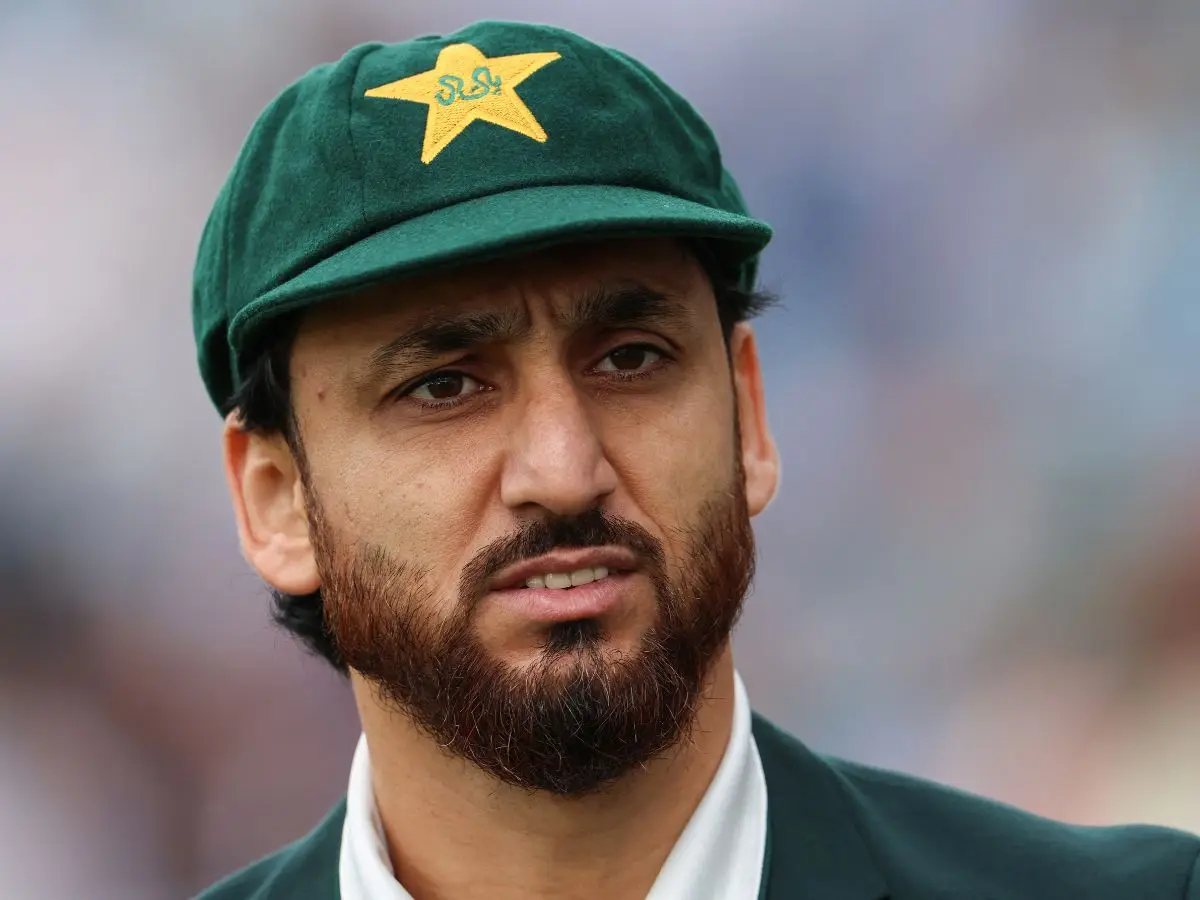)
Sent home midway from UK tour, Pakistan's Salman Agha hits 300* in domestic return
)
Who is Kalyan Bainsla, accused in the Gurugram hit-and-run case involving woman biker?
)
Nigerian Navy seizes 10,000 litres of suspected illegal fuel in Rivers State crackdown
)
Saudi Arabia discovers 110 million tonnes of Uranium-rich ore in Madinah region
)
Dodgers beat Reds for playoff berth in bid for third consecutive World Series
)
Ecstasy tablets are rage in 'drug haven' Libya | Gravitas
)
'Now Trump is copying us': Shivakumar links US $5,000 plan to Congress guarantees
)
Video of Pakistani lawmaker struggling to read English tribute to Jinnah goes viral - WATCH
)
Trump downplays China's alleged 'help' to Iran in strike on Jordan base | Gravitas
)
Trump loses Supreme Court battle over mail ballots ahead of US midterms: What happened?
)
BCCI VP Rajeev Shukla says Mohsin Naqvi 'did not object' India refusing trophy from ACC chief
)
Legendary costume designer Bob Mackie dies at 87: A look back at his iconic legacy
)
Delhi govt to roll out ₹13,820 crore development projects under Seva Sankalp Abhiyan: CM Rekha Gupta
)
UK man admits drugging, raping wife for 20 years in shocking abuse case
)
Extreme warming in Indian Ocean added 695 billion tons of ice to Antarctica ice sheet
)
China thinned Himalayan troop presence in 2025, India defence report says; terms border situation 'stable'
Tenure vs EMI adjustment
By default, banks adjust the tenure of the loan when interest rates drop, keeping the EMI constant but reducing the overall loan term. This means borrowers could close their loans a few months earlier, leading to long-term savings on interest payments.
However, borrowers can also opt to lower their EMIs instead of reducing the tenure. If they choose this option, the EMI would be around ₹43,417, meaning their monthly outflow would reduce by ₹768 or ₹9216 per year, increasing their monthly disposable income, which could be redirected towards investments, savings, or daily expenses. Over the entire loan tenure, the borrower could save over ₹1.75 lakh in interest payments if the loan runs its full course.
Additional savings from tax cuts
The recent tax changes, including lower tax slabs and higher deductions, can lead to additional savings of up to ₹1.14 lakh per annum or ₹9,533.42 per month for salaried individuals earning ₹25 lakh. This means you can hope to save a total of ₹1.37 lakh in FY2025-26 or ₹11,379 per month (₹ 9,533.42 from income tax and ₹ 1,845.74 from lower interest; even if this interest is not realised per month but only as cumulative savings over 19 years) through a combination of interest savings on the home loan rate reduction of 25 BPS and the tax savings from higher tax slabs from April 1.
This extra savings provides an excellent opportunity to help you increase spending on lifestyle improvements without financial strain: Prepay the home loan faster and save on interest; Invest in retirement planning; Build an emergency fund for financial security.
A boost for millennials and first-time home buyers
The biggest chunk of borrowers typically are in their 30s and 40s. For them, balancing loan repayments, investments, and lifestyle expenses is crucial. The repo rate cut, coupled with tax savings, provides the perfect opportunity to reduce financial stress, increase investments, and achieve financial goals faster. Whether it’s saving for children’s education, upgrading a home, or planning early retirement, the benefits of lower interest rates and higher disposable income are immense.
The repo rate cut of 25 basis points translates to real financial gains for borrowers. By making the right choices—whether opting for a lower EMI or reducing loan tenure—individuals can maximize these benefits and secure a stronger financial future.